
Bigleaf Lupine
Lupinus polyphyllus
- Native to:
- Canada, United States
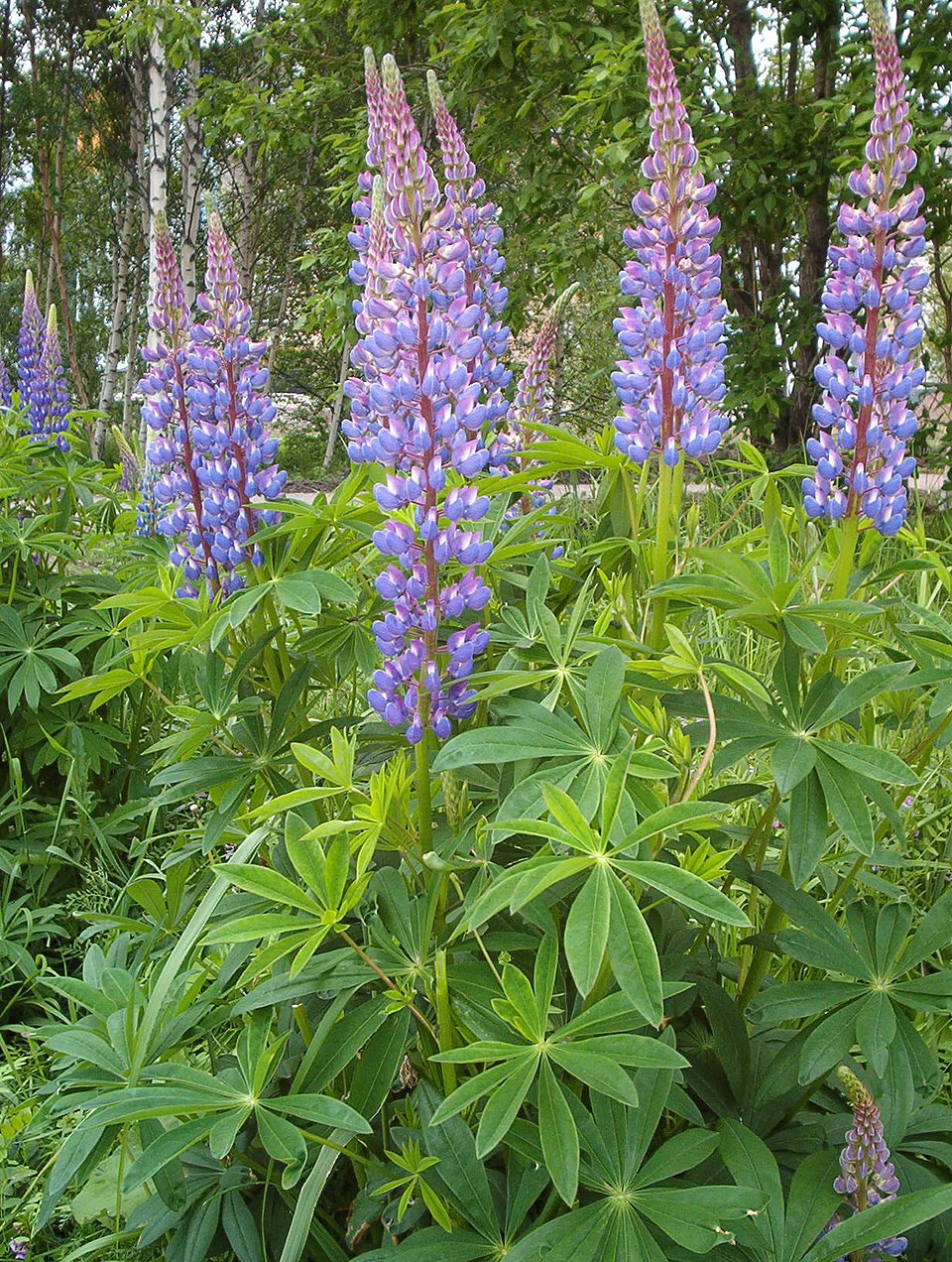
Midnight Runner
Taxonomy
- Division:
- Magnoliophyta | - Flowering plants
- Family:
- Fabaceae
- Genus:
- Lupinus
- Species:
- Lupinus polyphyllus
- USDA Symbol:
- LUPO2
Growth Characteristics
- Life Cycle:
- Perennial
- Growth Habit:
- Forb/herb
- Height:
- 150 cm
- Light Requirements:
- Full Sun,Part Shade
- Drought Tolerance:
- Medium
- Bloom Months:
- jun,jul,aug
- Bloom Colors:
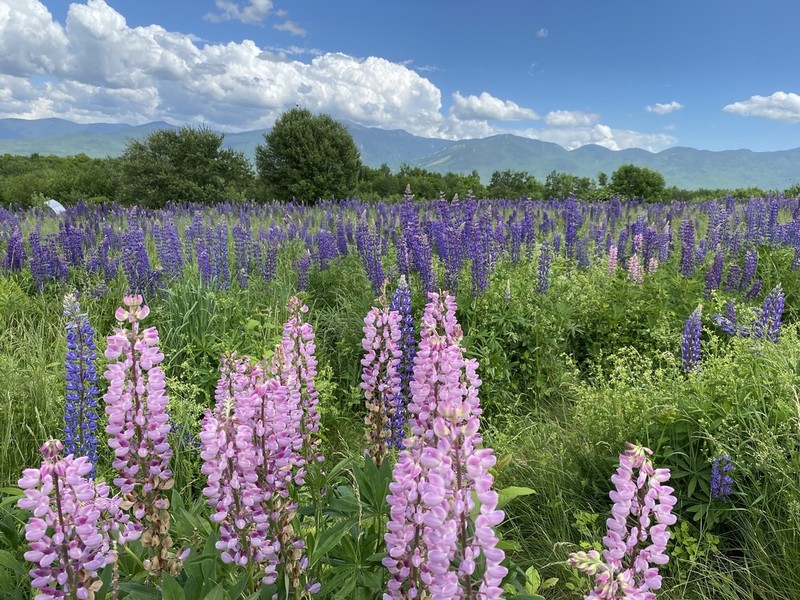
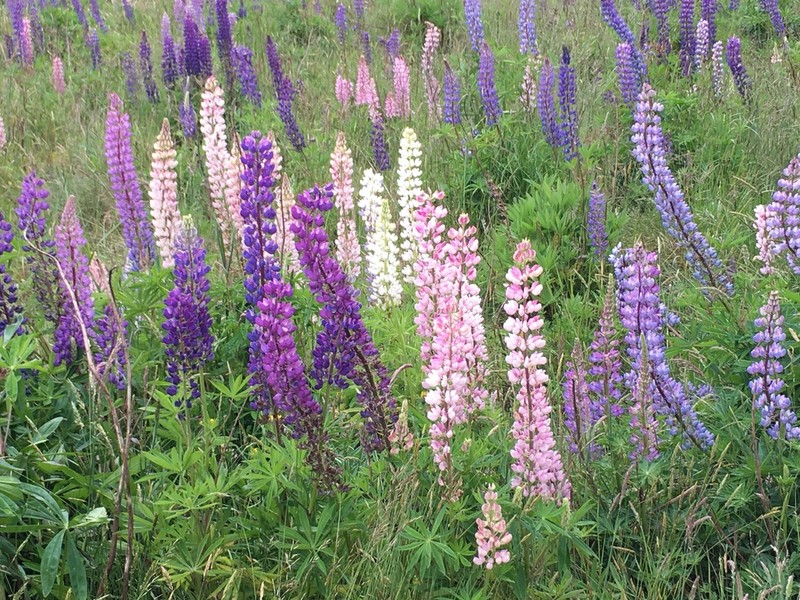
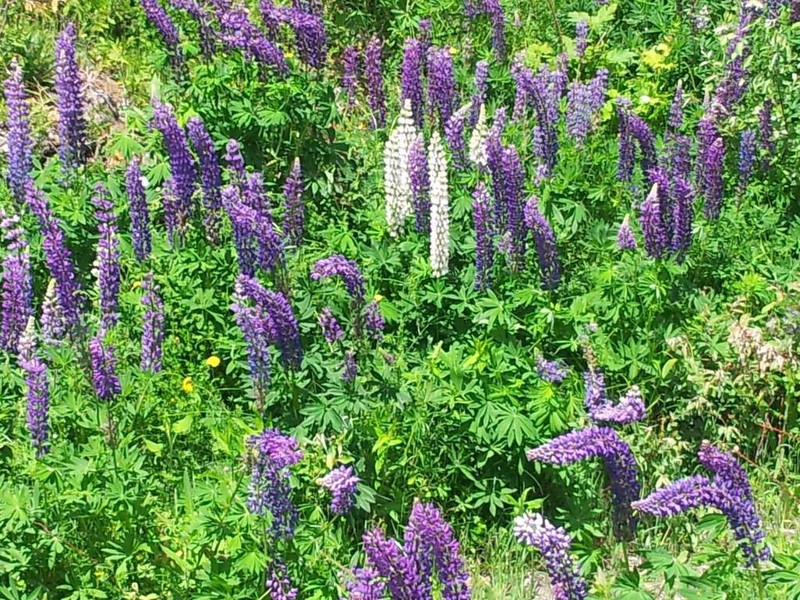
- blue, purple, pink, white
Wildlife Benefits
- Bees:
- ★★☆☆☆ Documented bee visitation (GBIF)
- Butterflies & Moths:
- ★★★☆☆ Documented Lepidoptera association (GBIF)
- Caterpillars:
- ★☆☆☆☆ Recorded caterpillar host plant (HOSTS Database)
Keystone Species Ranking
- Caterpillar Keystone:
- ★★★★☆ Butterfly & moth species supported by this genus (NWF)
- Pollen Specialist Bee Keystone:
- ★★☆☆☆ Native pollen specialist bee species supported by this genus (NWF)
Host Plant for Caterpillars
Hystrichophora paradisiae, yellow stoneroot borer (Papaipema pertincta), Silvery Blue (Glaucopsyche lygdamus)
Reported Fauna Sightings
Bees: Black-tailed bumble bee (Bombus melanopygus), Central bumble bee (Bombus centralis), Fuzzy-horned bumble bee (Bombus mixtus), Half-black bumble bee (Bombus vagans), Nevada bumble bee (Bombus nevadensis), Red-belted bumble bee (Bombus rufocinctus), Sitka bumble bee (Bombus sitkensis), Tri-colored bumble bee (Bombus ternarius), Two-form bumble bee (Bombus bifarius), Yellow bumble bee (Bombus fervidus), Yellow head bumble bee (Bombus flavifrons), Yellow-faced bumble bee (Bombus vosnesenskii)
Garden & Ecology Notes
- Wildlife Value:
- bees, butterflies, hummingbirds
Soil Requirements
- Soil Type:
- moist, well-drained sandy loam
- pH:
- 5.5 - 6.5 (slightly acidic to neutral)
- Drainage:
- excellent drainage required
- Moisture:
- consistently moist
- Notes:
- prefers nutrient-rich soils in native habitats
Propagation & Germination
- Stratification:
- Cold/moist stratification required — 14–30 days
- Scarification:
- Seed coat scarification required before sowing
- Germination Time:
- 14–30 days
- Notes:
- Scarify seed coat (nick or hot water) then cold stratify for 2-4 weeks for best germination.
Pre-treatment: Scarification and placement in a warm greenhouse
Establishment: This plant can be found on both the western and Eastern side of the US (although more confined to the Northern portion of the Eastern US) as well as parts of Canada.
Source: npn.rngr.net
ORGHPS Germination Guide: Sow @ 20C. Germinates within 3 months. Resents transplanting. | Requires scarification. | Requires soaking 24-48 hrs; discard floaters.
Where to Buy
Nationwide Seller
- Sheffield's Seed (seeds)
- Vermont Wildflower Farm (nursery and seeds)
- Native Seed Group (seeds)