
Sabin's Lupine
Lupinus sabinianus
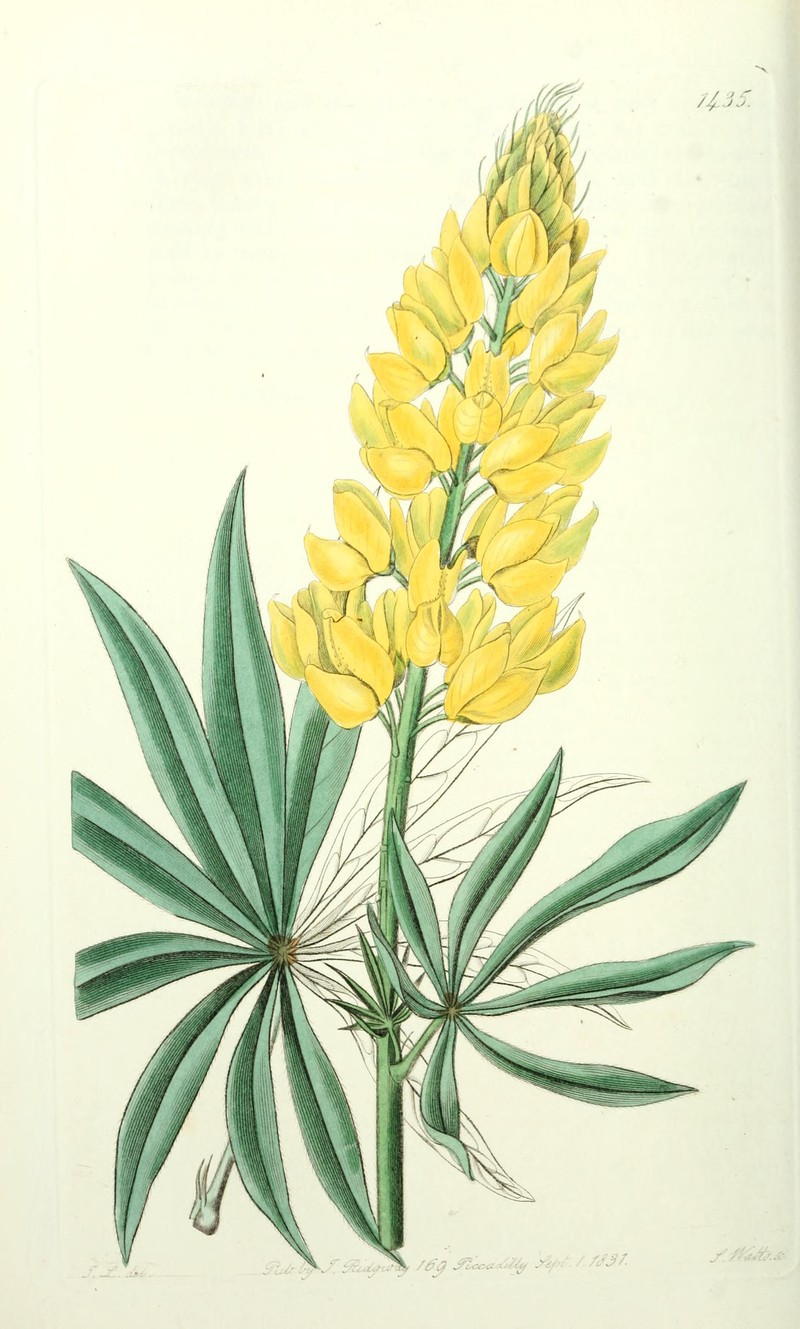
Edwards, Sydenham, 1769?-1819;
Lindley, John, 1799-1865Taxonomy
- Division:
- Magnoliophyta | - Flowering plants
- Family:
- Fabaceae
- Genus:
- Lupinus
- Species:
- Lupinus sabinianus
Growth Characteristics
- Life Cycle:
- Perennial
- Growth Habit:
- Forb/herb
- Height:
- 3-4 ft
- Light Requirements:
- Full Sun
- Drought Tolerance:
- High
- Bloom Months:
- mar, apr, may
- Bloom Colors:
- blue, purple
Native Range
United States: Oregon, Washington
Keystone Species Ranking
- Caterpillar Keystone:
- ★★☆☆☆ Based on number of butterfly and moth species using this genus as host plant (Source: National Wildlife Federation)
- Bee Keystone:
- ★★★★☆ Based on number of native bee species using this genus for pollen and nectar (Source: National Wildlife Federation)
Host Plant for Caterpillars
Filatima occidua, Silvery Blue (Glaucopsyche lygdamus), Western Blue (Plebejus icarioides)
Reported Fauna Sightings
Bees: Yellow head bumble bee (Bombus flavifrons), Yellow head bumble bee (Bombus flavifrons)
Soil Requirements
- Soil Type:
- sandy, well-drained, nutrient-poor soil
- pH:
- 5.5 - 7.0 (slightly acidic to neutral)
- Drainage:
- excellent drainage required
- Moisture:
- dry to moderate
- Notes:
- native to open, rocky slopes and hillsides
Germination Information
Pre-treatment: Cold-moist stratification for 30 days at 1–5°C (34–41°F).; then Scarify, then cold-moist stratify for 60 days.
Notes: Seeds may require light for optimal germination.
Source: OpenAI GPT-4o