
Mt. Adams Lupine
Lupinus sericeus subsp. sericeus
- Native to:
- Canada, United States
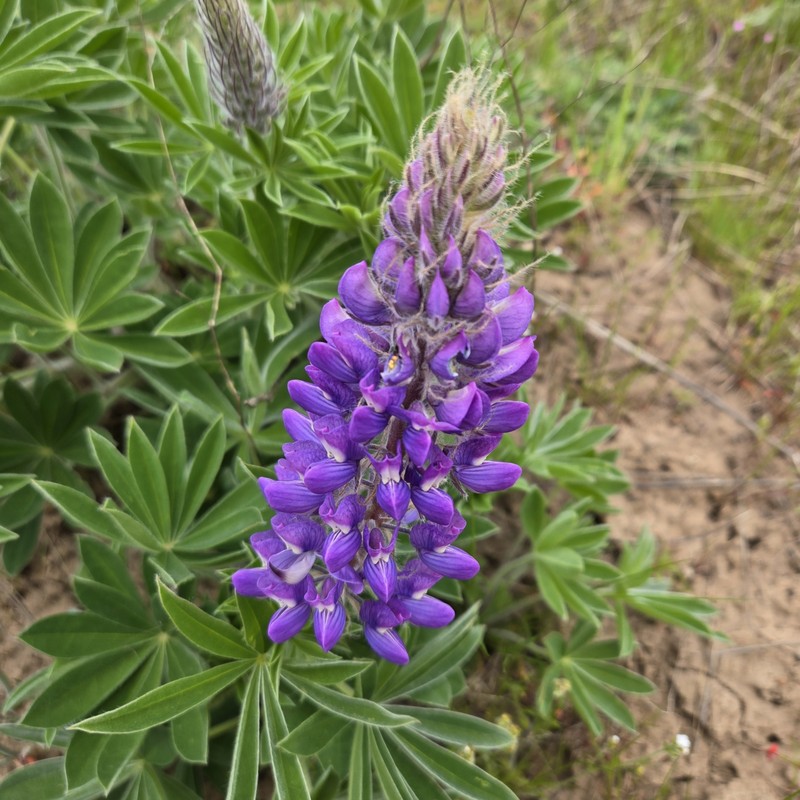
GBIF: Keri Carkeek
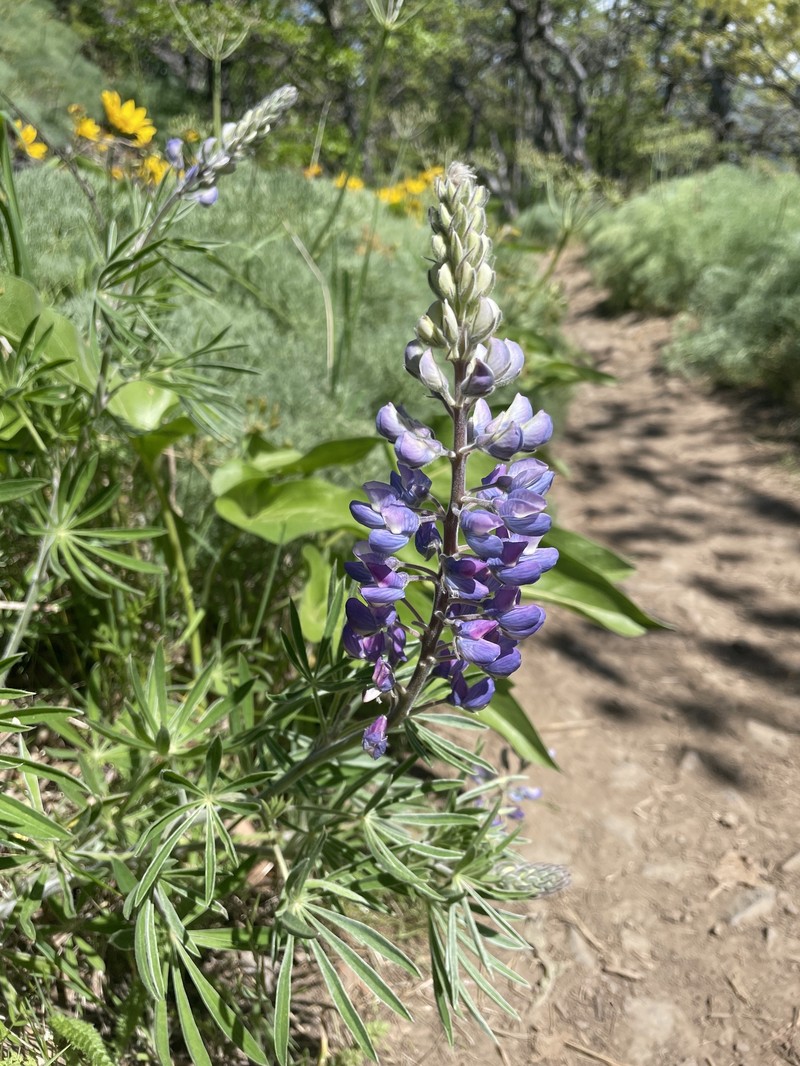
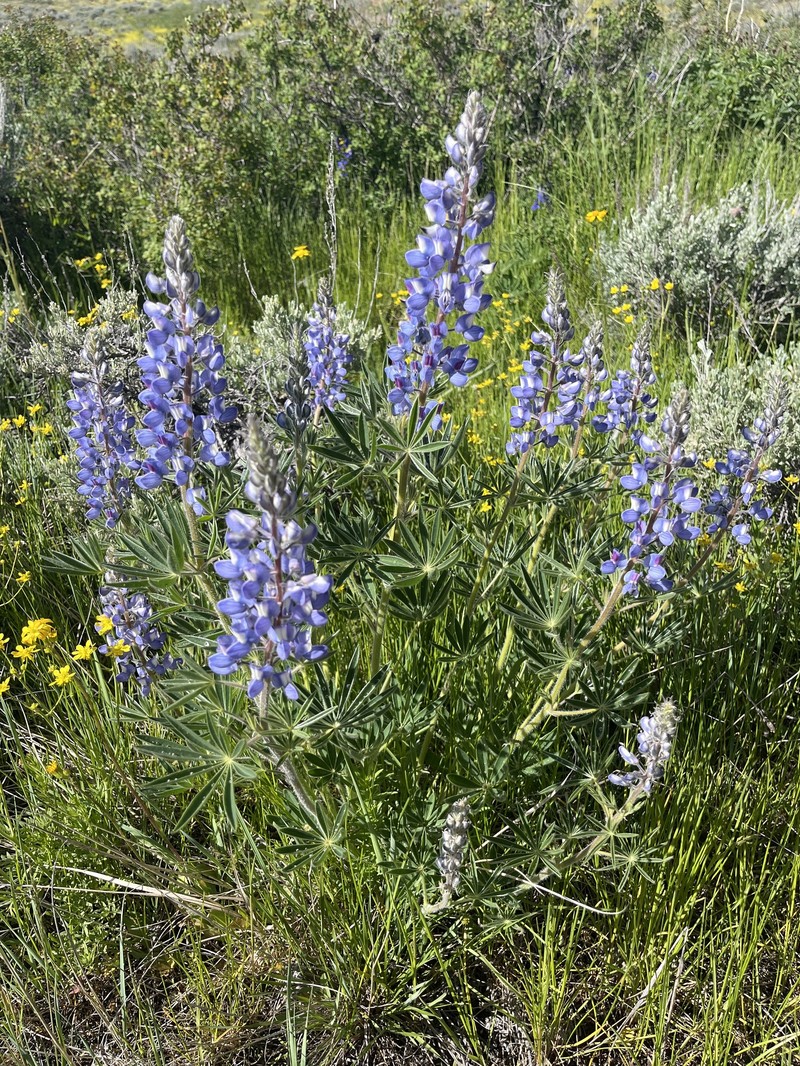
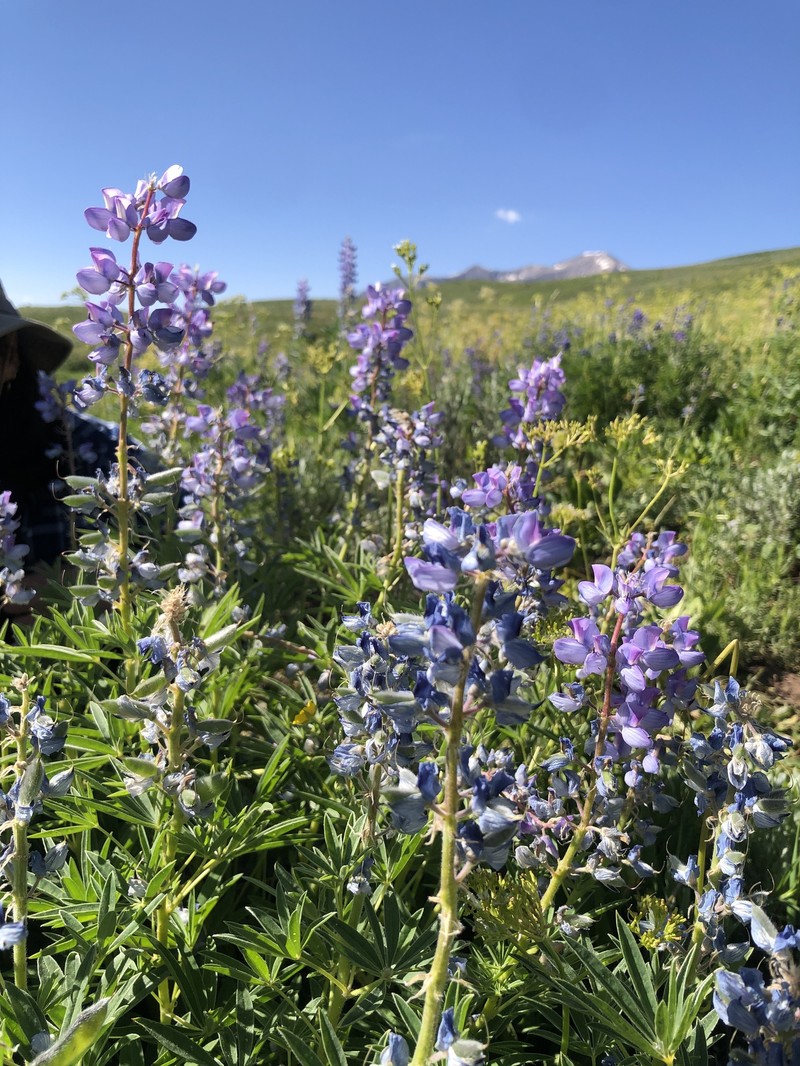
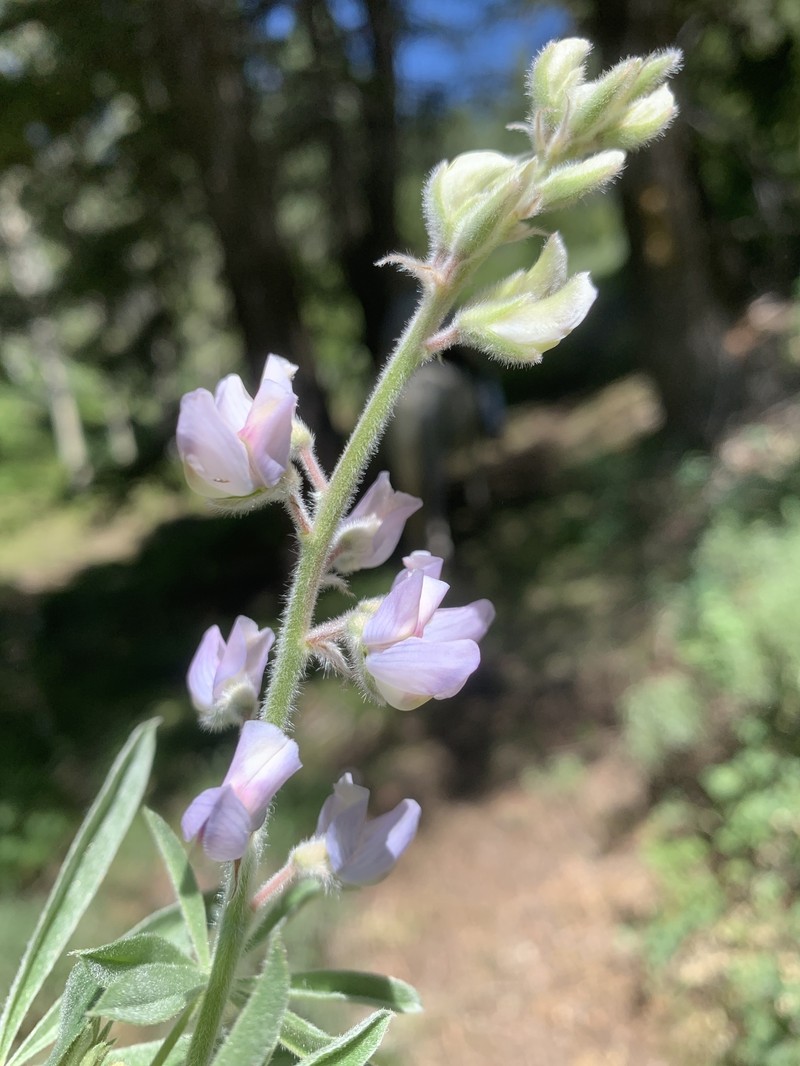
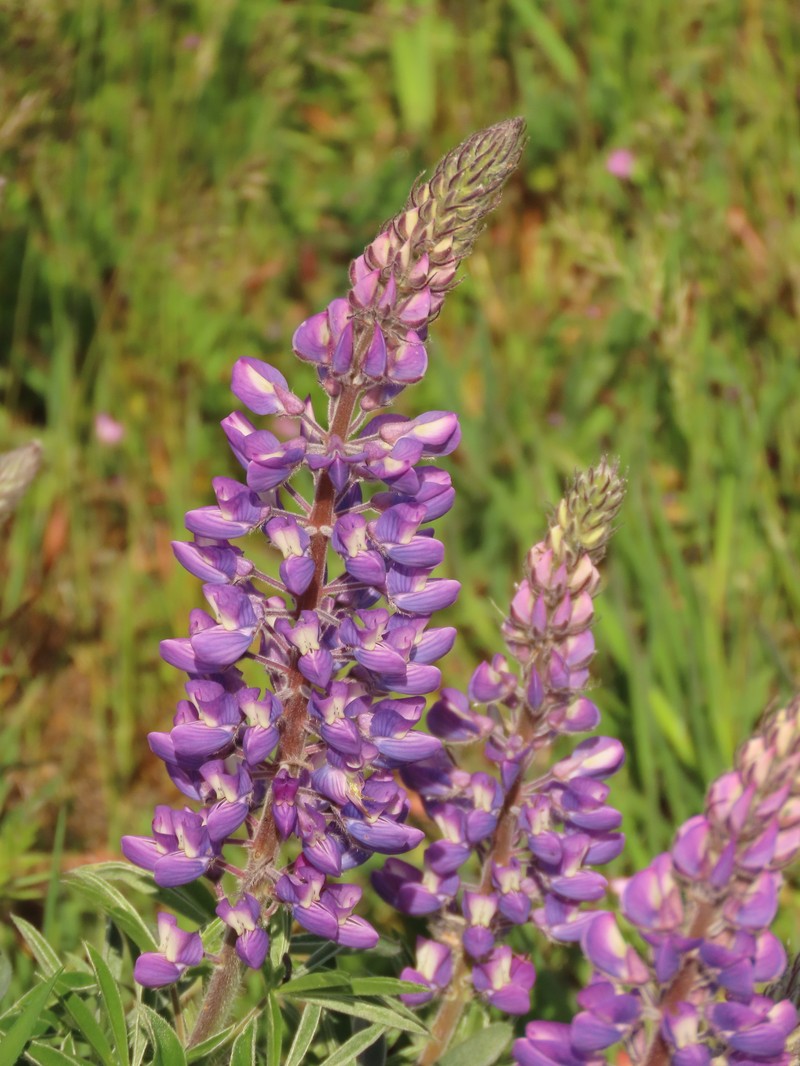
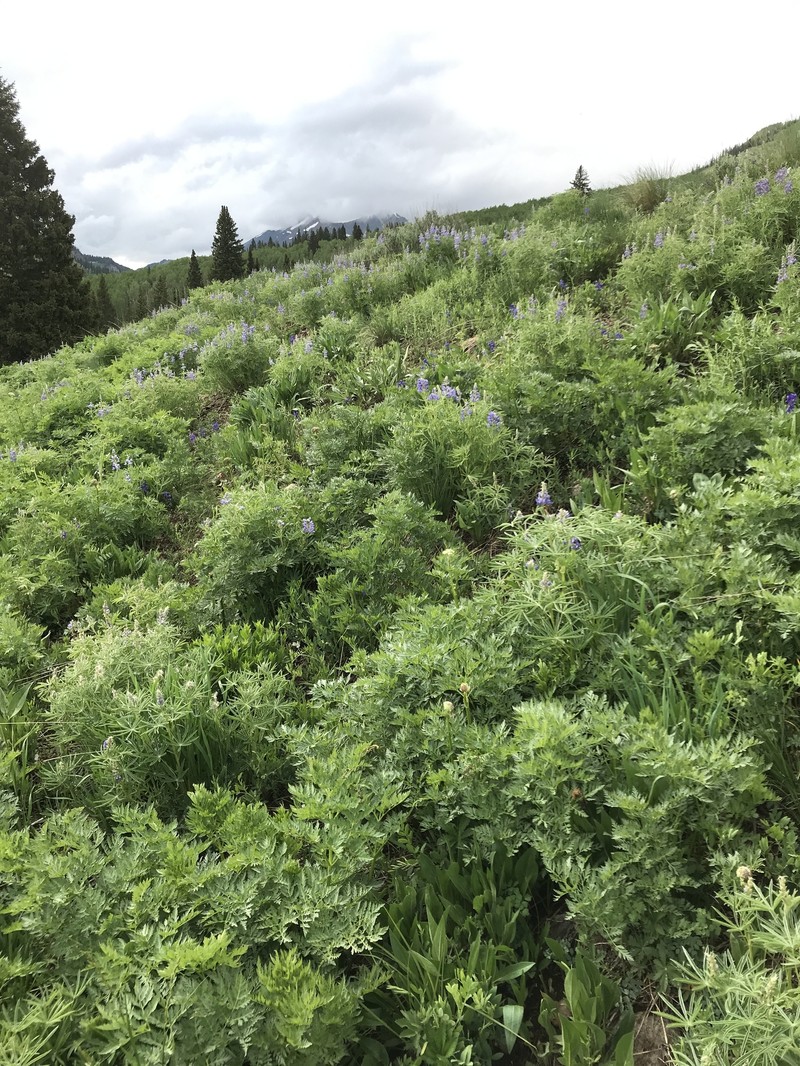
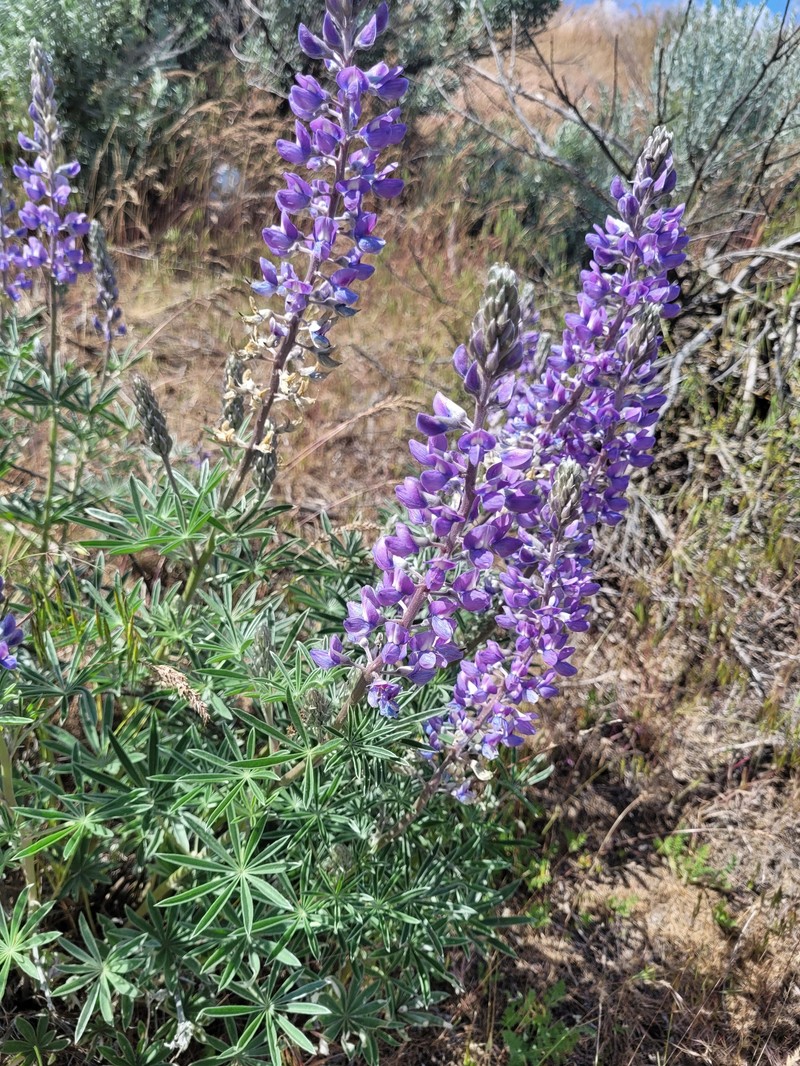
Taxonomy
- Division:
- Magnoliophyta | - Flowering plants
- Family:
- Fabaceae
- Genus:
- Lupinus
- Species:
- Lupinus sericeus subsp. sericeus
- USDA Symbol:
- LUAL6
Growth Characteristics
- Life Cycle:
- Perennial
- Growth Habit:
- Forb/herb
- Height:
- 60 cm
- Drought Tolerance:
- High
- Bloom Months:
- may,jun,jul,aug
- Bloom Colors:
- blue, purple, violet
Wildlife Benefits
- Bees:
- ★☆☆☆☆ Documented bee visitation (GBIF)
- Butterflies & Moths:
- ★☆☆☆☆ Documented Lepidoptera association (GBIF)
Keystone Species Ranking
- Caterpillar Keystone:
- ★★★★☆ Butterfly & moth species supported by this genus (NWF)
- Pollen Specialist Bee Keystone:
- ★★☆☆☆ Native pollen specialist bee species supported by this genus (NWF)
Host Plant for Caterpillars
Silvery Blue (Glaucopsyche lygdamus), Western Blue (Plebejus icarioides)
Garden & Ecology Notes
- Wildlife Value:
- bees, butterflies, small mammals
- Deer Resistant:
- Yes
- Fire Ecology:
- Fire adapted — tolerates or benefits from fire
- Fire Notes:
- Resprouts from deep taproot following fire; nitrogen-fixing ability aids post-fire site recovery.
Propagation & Germination
- Stratification:
- Cold/moist stratification required — 30–60 days
- Scarification:
- Seed coat scarification required before sowing
- Germination Time:
- 14–30 days
- Notes:
- Scarification of the hard seed coat is essential; mechanical nicking or hot water treatment improves germination rates significantly.