
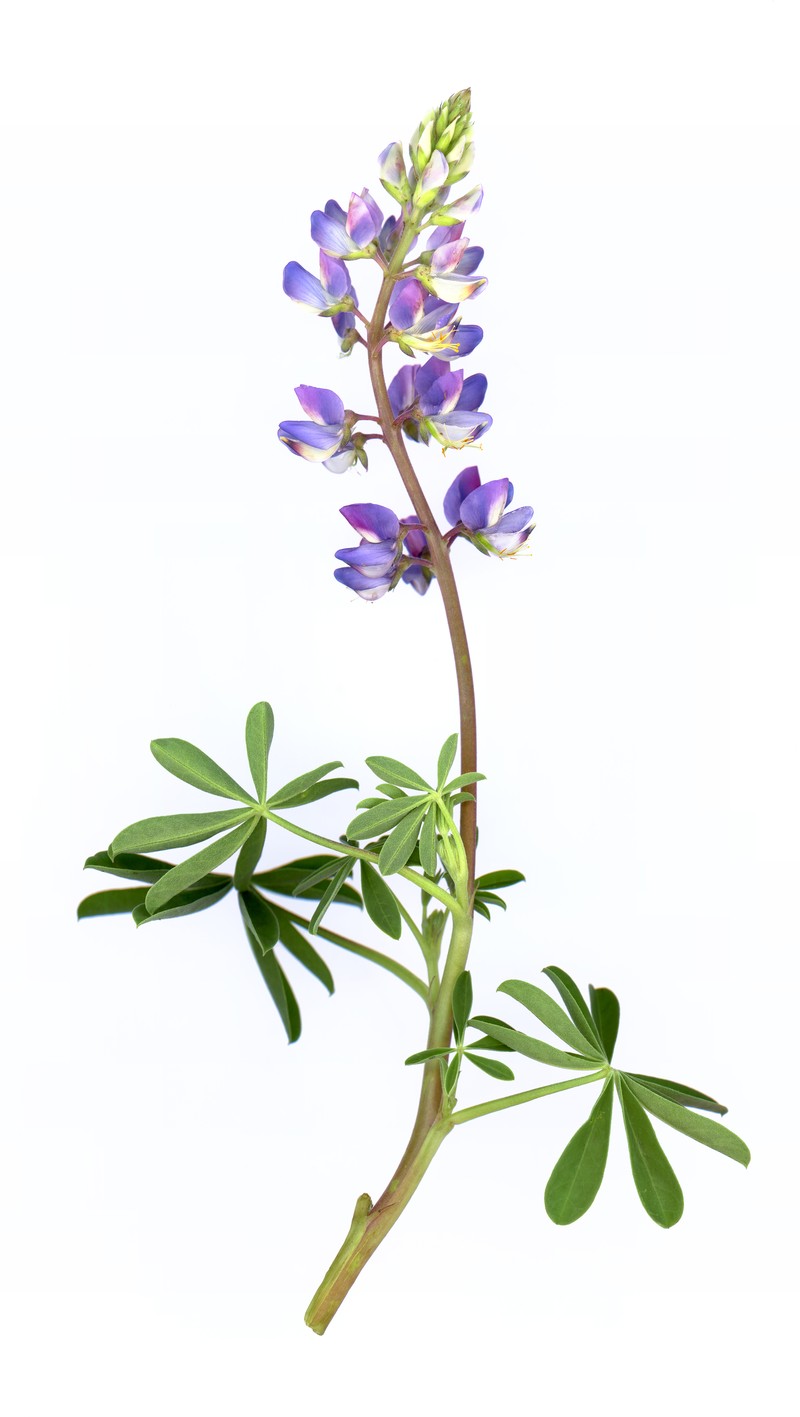
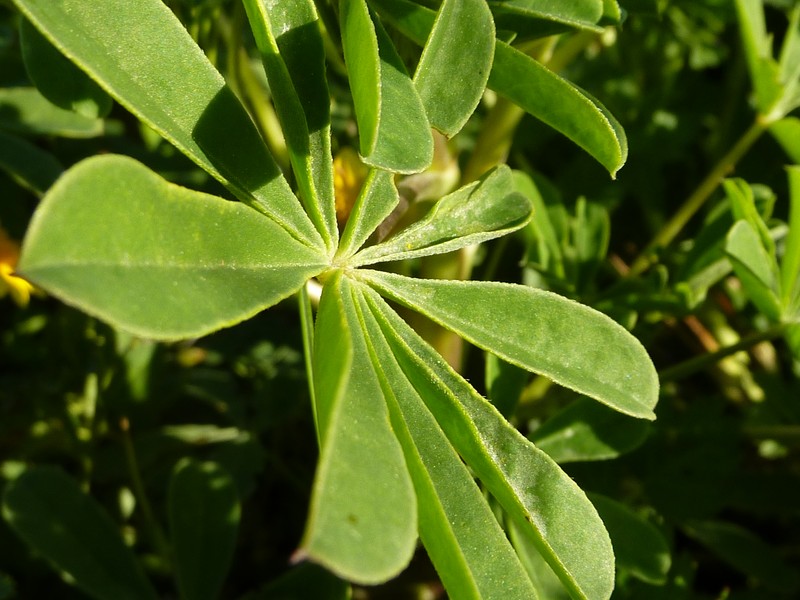
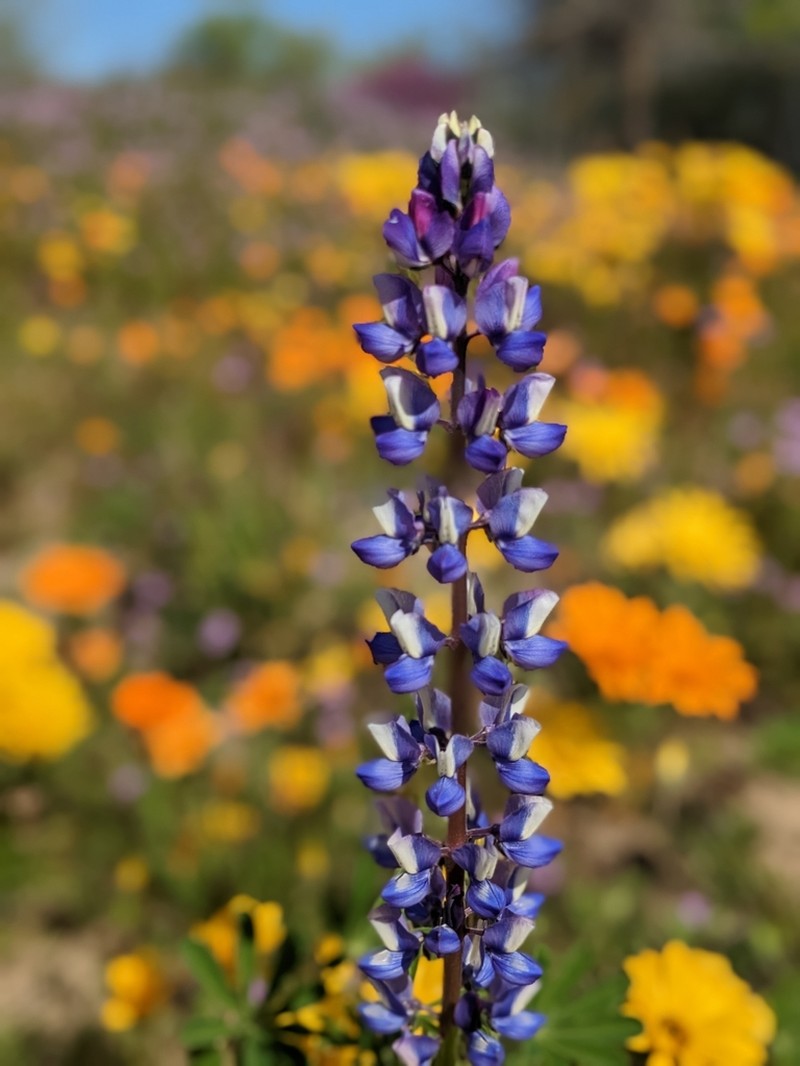
Hollowleaf Annual Lupine
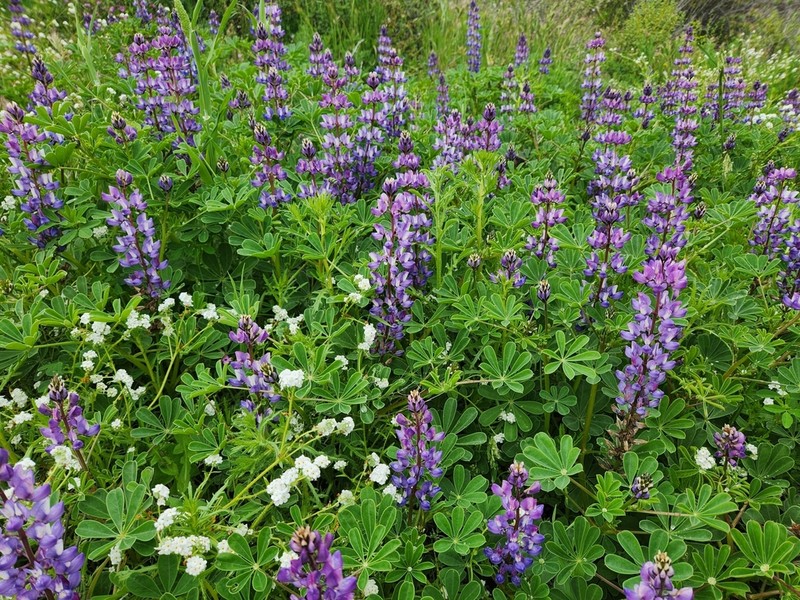
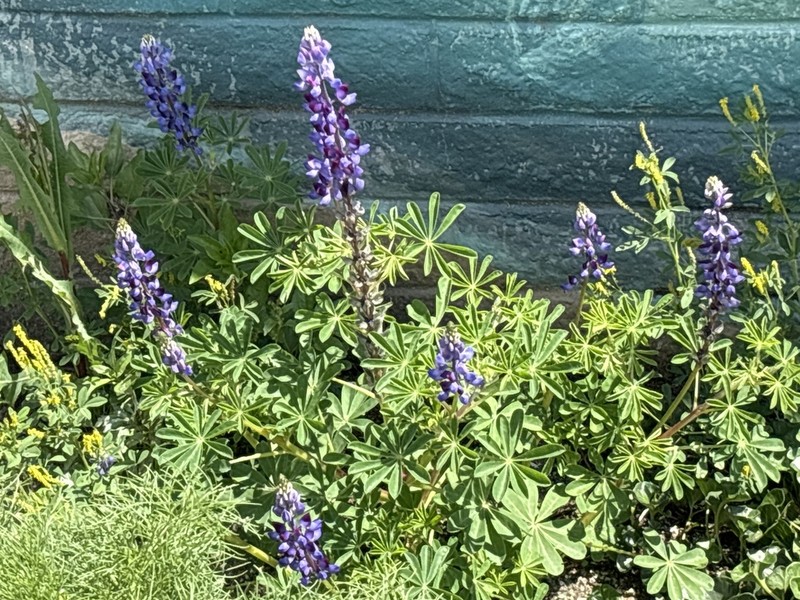
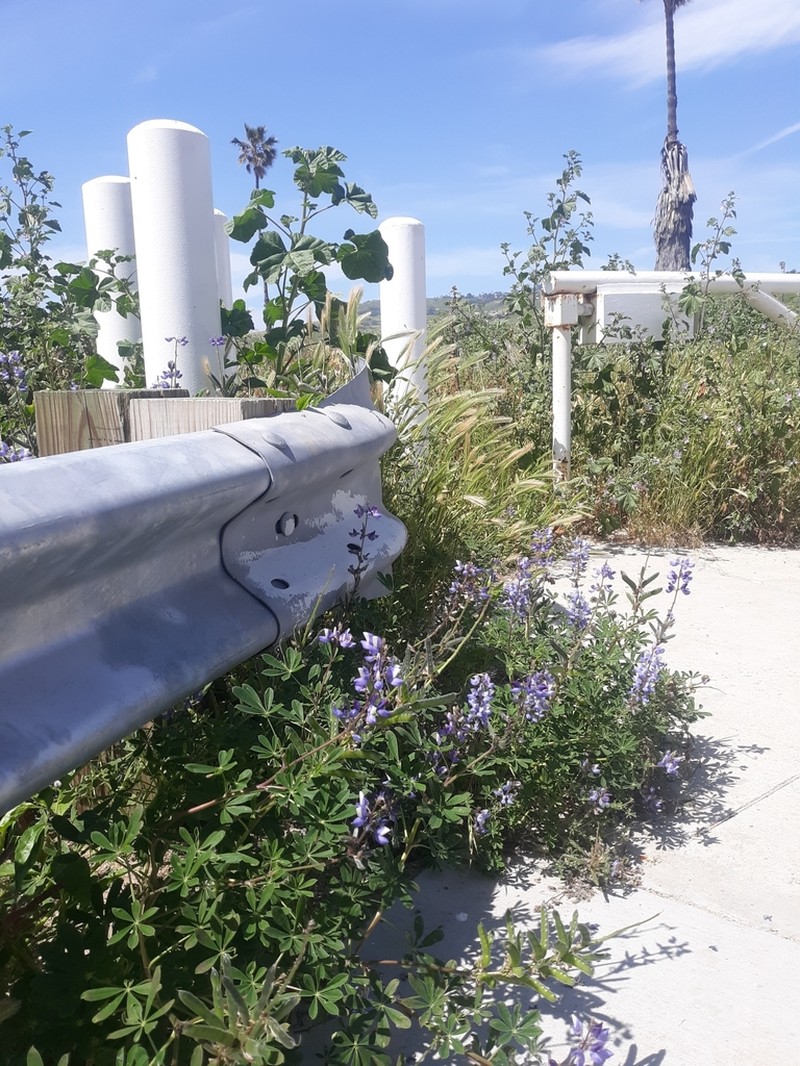
Lupinus succulentus
- Native to:
- Mexico, United States
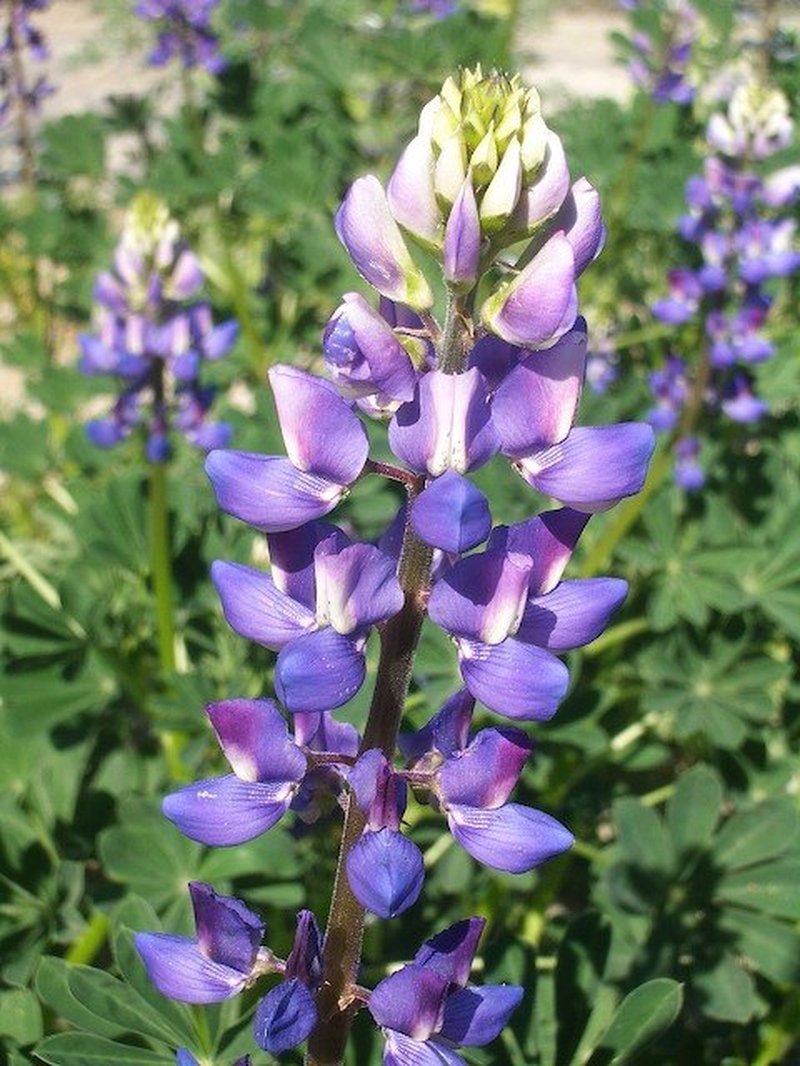
Osnat Ravid Amir (www.osnatamir.com)
Taxonomy
- Division:
- Magnoliophyta | - Flowering plants
- Family:
- Fabaceae
- Genus:
- Lupinus
- Species:
- Lupinus succulentus
- USDA Symbol:
- LUSU3
Growth Characteristics
- Life Cycle:
- Annual
- Growth Habit:
- Forb/herb
- Height:
- 91 cm
- Light Requirements:
- Full Sun
- Drought Tolerance:
- Medium
- Bloom Months:
- mar,apr,may
- Bloom Colors:
- blue, purple
Wildlife Benefits
- Bees:
- ★★☆☆☆ Documented bee visitation (GBIF)
- Butterflies & Moths:
- ★☆☆☆☆ Documented Lepidoptera association (GBIF)
- Caterpillars:
- ★☆☆☆☆ Recorded caterpillar host plant (HOSTS Database)
Keystone Species Ranking
- Caterpillar Keystone:
- ★★★★☆ Butterfly & moth species supported by this genus (NWF)
- Pollen Specialist Bee Keystone:
- ★★☆☆☆ Native pollen specialist bee species supported by this genus (NWF)
Host Plant for Caterpillars
Orange Sulphur (Colias eurytheme), Silvery Blue (Glaucopsyche lygdamus), West Coast Lady (Vanessa annabella), Western Blue (Plebejus icarioides)
Reported Fauna Sightings
Bees: Black-tailed bumble bee (Bombus melanopygus)
Garden & Ecology Notes
- Wildlife Value:
- bees, butterflies
Soil Requirements
- Soil Type:
- rich, well-drained loamy soil
- pH:
- 6.0 - 7.5 (slightly acidic to neutral)
- Drainage:
- excellent drainage required
- Moisture:
- consistently moist
- Notes:
- Common in coastal and riparian areas
Propagation & Germination
- Stratification:
- Cold/moist stratification required — 7–14 days
- Scarification:
- Seed coat scarification required before sowing
- Germination Time:
- 14–30 days
- Notes:
- Scarify seed coat (e.g., with sandpaper or hot water) before cold stratification to improve germination.
Pre-treatment: Surface sterilize seed coats with a 5 minute 5% bleach solution soak. Follow this with a 2 hour hot water scarification treatment to maximize germination rates.
Establishment: Arroyo lupine is an annual species found throughout southern California and the Channel islands. It inhabits open grassy slopes and rocky ridges. Pods are hand collected when fully matured, typically from late May to June.
Source: npn.rngr.net
Where to Buy
Nationwide Seller
- Vermont Wildflower Farm (nursery and seeds)