
Medicago polyceratia
Medicago polyceratia
- Native to:
- Algeria, Egypt, France, Mauritania, Morocco, Portugal, Spain, Tunisia
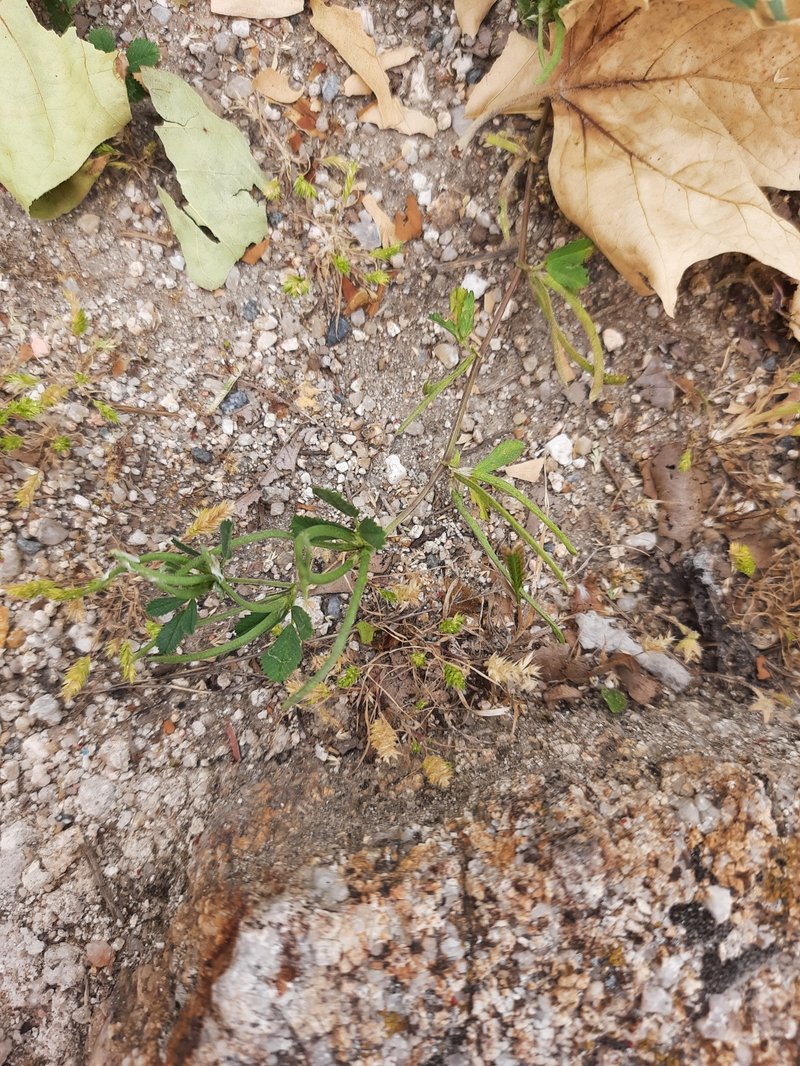
Antón David Pérez Rodríguez,Publications Office of the European Union (en.wikipedia.org),Publications Office of the European Union (en.wikipedia.org),Publications Office of the European Union (en.wikipedia.org),Publications Office of the European Union (en.wikipedia.org),Publications Office of the European Union (en.wikipedia.org),Ibbotson, Henry, d. 1886,Publications Office of the European Union (en.wikipedia.org),Publications Office of the European Union (en.wikipedia.org),Publications Office of the European Union (en.wikipedia.org),Publications Office of the European Union (en.wikipedia.org),Publications Office of the European Union (en.wikipedia.org)

Taxonomy
- Division:
- Magnoliophyta | - Flowering plants
- Family:
- Fabaceae
- Genus:
- Medicago
- Species:
- Medicago polyceratia
- USDA Symbol:
- MEPO11
Growth Characteristics
- Height:
- 60 cm
- Light Requirements:
- Full Sun
- Drought Tolerance:
- High
- Bloom Months:
- apr,may,jun
- Bloom Colors:
- yellow
Garden & Ecology Notes
- Wildlife Value:
- bees
Soil Requirements
- Soil Type:
- well-drained, sandy or rocky soil
- pH:
- 6.0 - 8.0 (neutral to slightly alkaline)
- Drainage:
- excellent drainage required
- Moisture:
- dry to moderate
- Notes:
- native to Mediterranean regions; prefers open, sunny areas