
Sweetclover
Melilotus officinalis
- Native to:
- Afghanistan, Albania, Austria, Baleares, Belarus, Bulgaria, Czechia-Slovakia, France, Germany, Greece, Gulf States, Hungary, India, Iran, Iraq, Italy, Kazakhstan, Kirgizstan, Krym, North Caucasus, NW. Balkan Pen., Pakistan, Poland, Romania, Russia, Sardegna, Spain, Switzerland, Tadzhikistan, Transcaucasus, Türkiye, Türkiye-in-Europe, Turkmenistan, Ukraine, Uzbekistan, Yemen
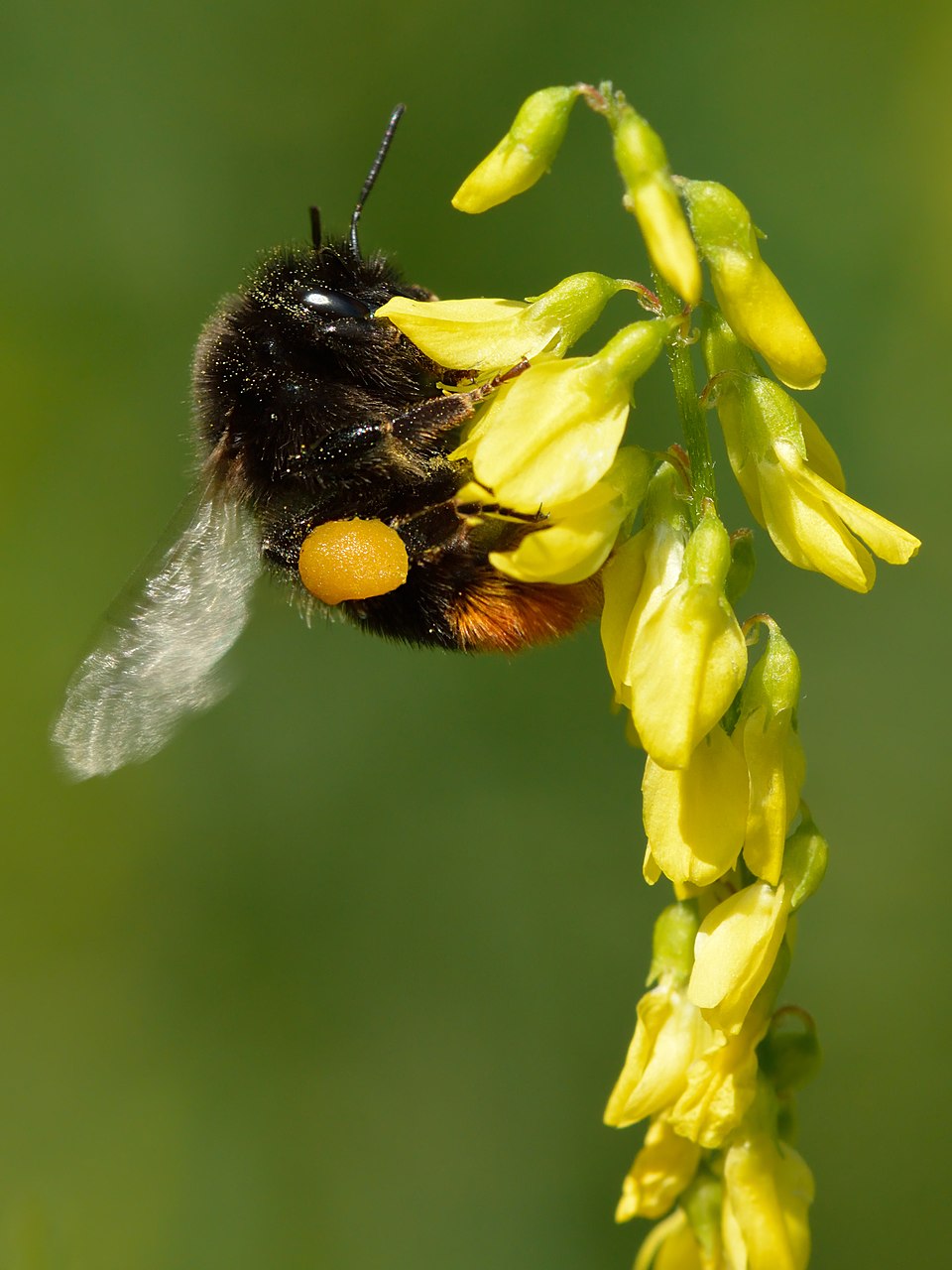
Krzysztof Ziarnek, Kenraiz
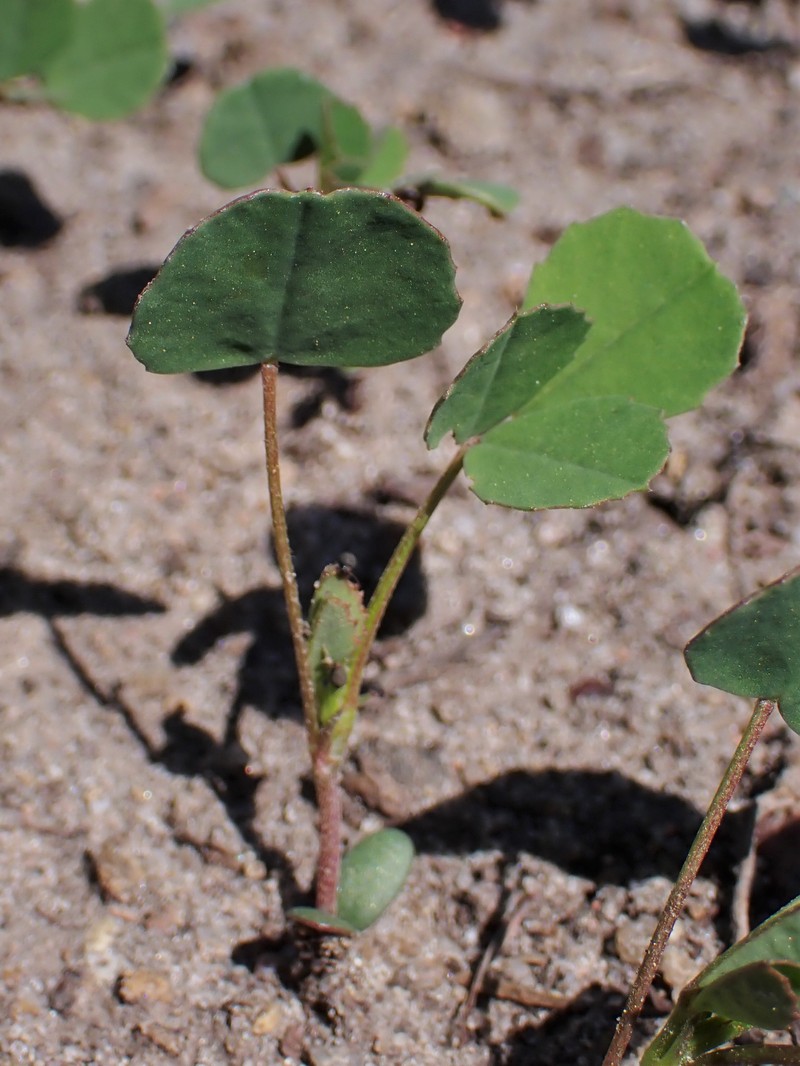
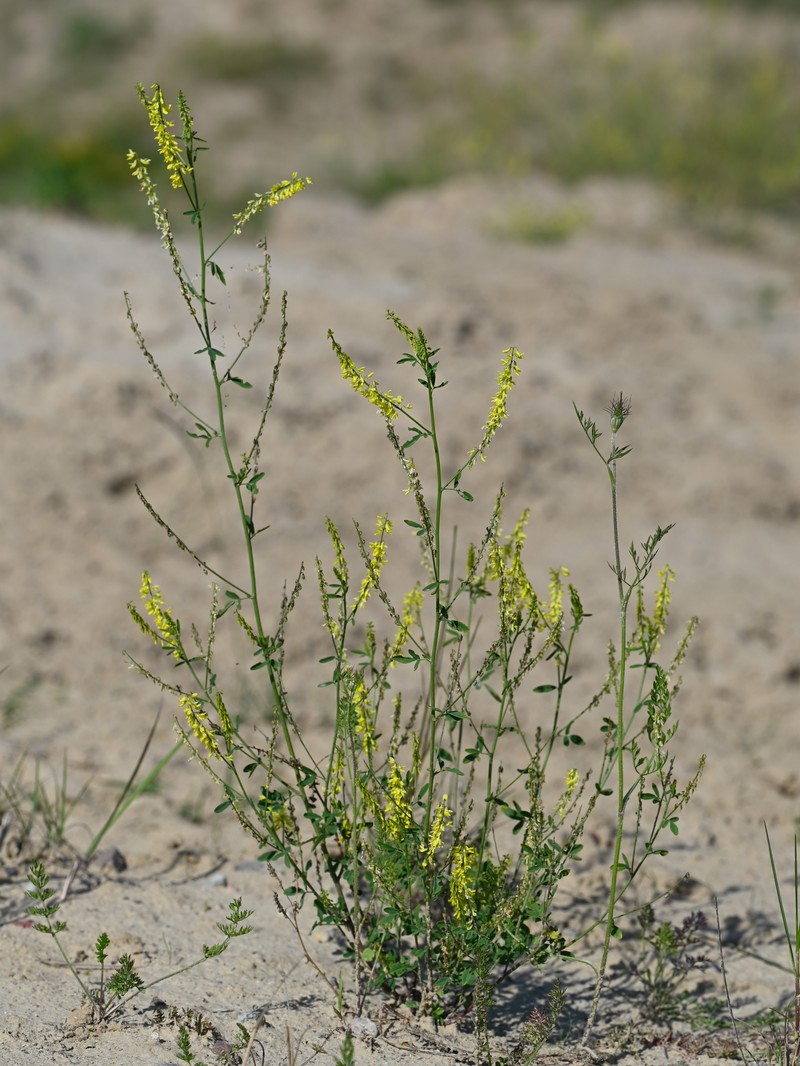
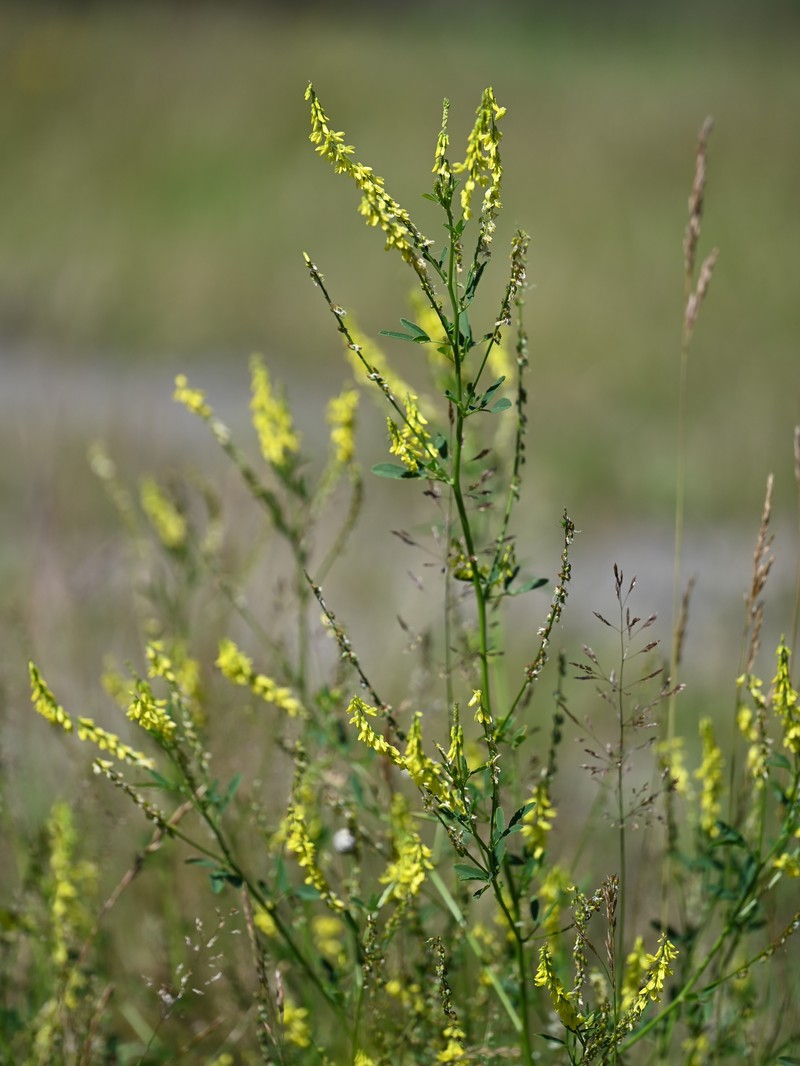
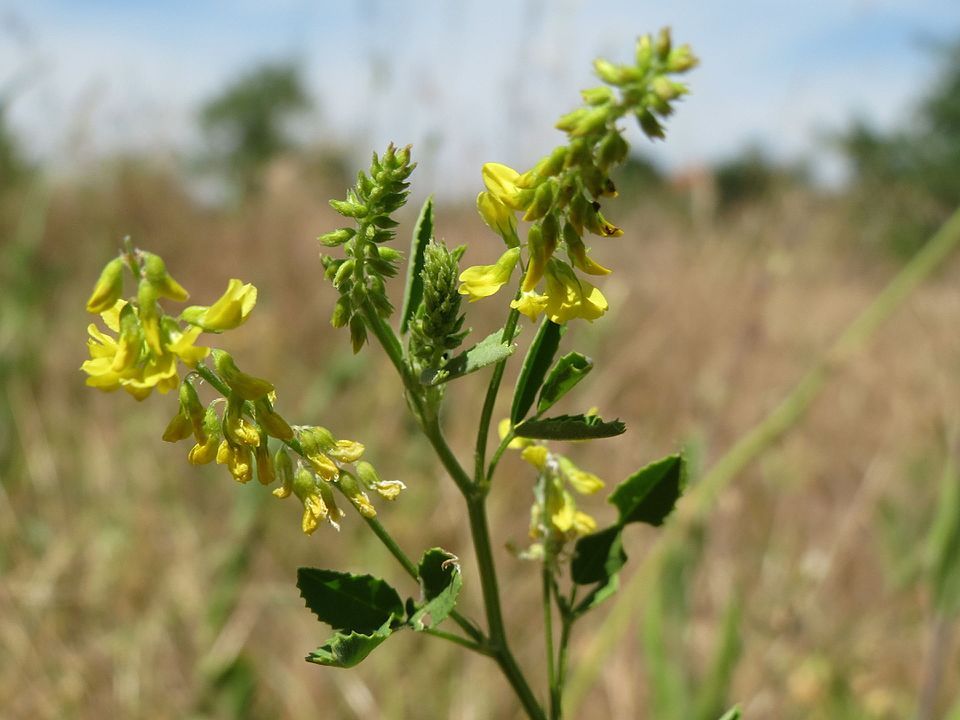
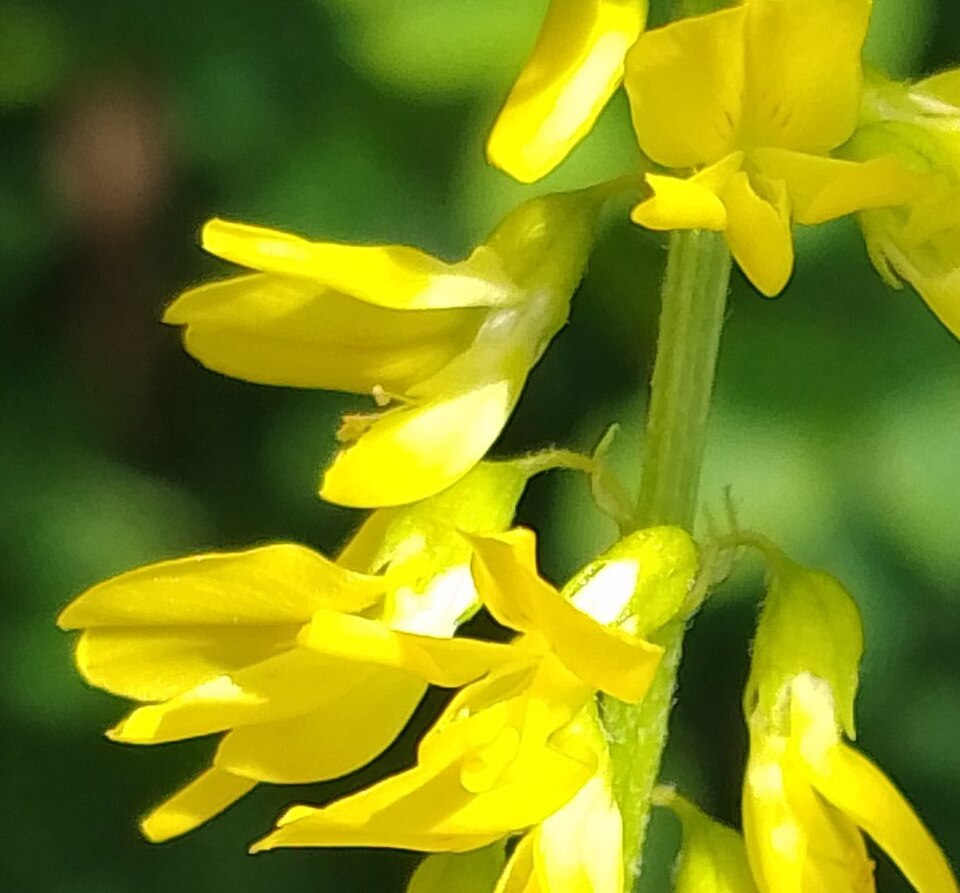
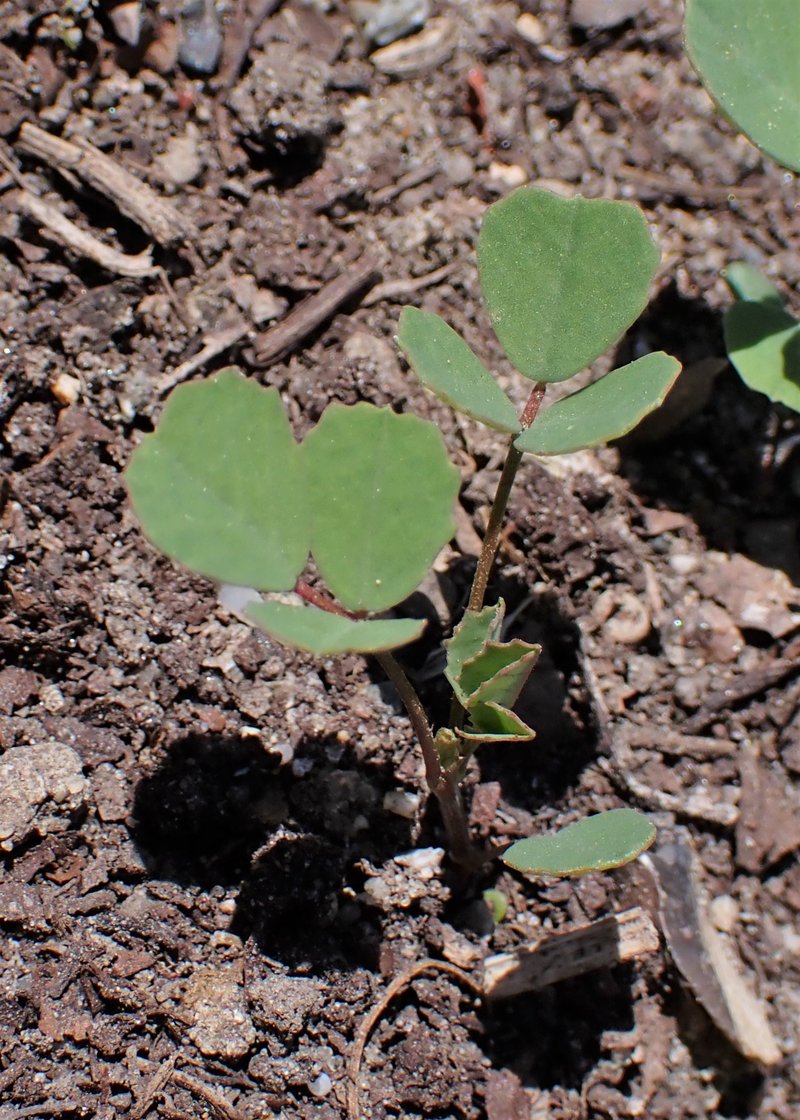
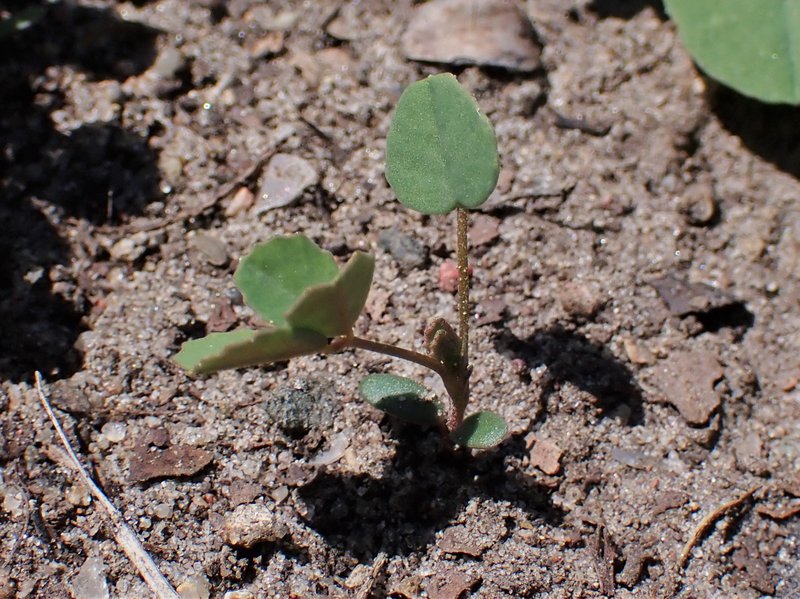
Taxonomy
- Division:
- Magnoliophyta | - Flowering plants
- Family:
- Fabaceae
- Genus:
- Melilotus
- Species:
- Melilotus officinalis
- USDA Symbol:
- MEOF
Growth Characteristics
- Life Cycle:
- Annual | Biennial | Perennial
- Growth Habit:
- Forb/herb
- Height:
- 200 cm
- Light Requirements:
- Full Sun
- Drought Tolerance:
- High
- Bloom Months:
- may,jun,jul,aug,sep
- Bloom Colors:
- yellow
Host Plant for Caterpillars
Agrotis orthogonia, Agrotis venerabilis, Alfalfa Looper (Autographa californica), Bagworm moth (Thyridopteryx ephemeraeformis), Bertha armyworm (Mamestra configurata), California Tussock Moth (Leptarctia californiae), Common snailcase bagworm (Apterona helix), corn earworm (Helicoverpa zea), Euxoa brevipennis, Euxoa catenula, Euxoa costata, Euxoa declarata, Euxoa flavicollis, Euxoa infausta, Euxoa laetificans, Euxoa moerens, Euxoa niveilinea, Eversmann's rustic (Actebia fennica), Green Cloverworm Moth (Hypena scabra), Io moth (Automeris io), Lucerne Moth (Nomophila nearctica), Omiodes Leafroller (Omiodes simialis), Parectopa occulta, Peppered Moth (Biston betularia), Salt Marsh Moth (Estigmene acrea), stalk borer moth (Papaipema nebris), Variegated cutworm (Peridroma saucia), Wavy-lined Emerald (Synchlora aerata), Western yellowstriped armyworm (Spodoptera praefica), Xenotemna pallorana, Orange Sulphur (Colias eurytheme), Silvery Blue (Glaucopsyche lygdamus), Western Sulphur (Colias occidentalis)
Reported Fauna Sightings
Bees: American bumble bee (Bombus pensylvanicus), Black and (Bombus auricomus), Central bumble bee (Bombus centralis), Fuzzy-horned bumble bee (Bombus mixtus), Half-black bumble (Bombus vagans), Hunt's bumble bee (Bombus huntii), Indiscriminate cuckoo bumble bee (Bombus insularis), Morrison bumble bee (Bombus morrisoni), Nevada bumble bee (Bombus nevadensis), Northern amber (Bombus borealis), Tri-colored bumble bee (Bombus ternarius), Two-form bumble bee (Bombus bifarius), Two-spotted bumble bee (Bombus bimaculatus), Western bumble bee (Bombus occidentalis), Yellow head bumble bee (Bombus flavifrons), Yellow-banded bumble bee (Bombus terricola), Yellow-faced bumble bee (Bombus vosnesenskii)
Garden & Ecology Notes
- Wildlife Value:
- bees, butterflies
- Salt Tolerant:
- Yes
- Fragrant:
- Yes
Soil Requirements
- Soil Type:
- well-drained, fertile loamy soil
- pH:
- 6.0 - 8.0 (neutral to slightly alkaline)
- Drainage:
- excellent drainage required
- Moisture:
- dry to moderate
- Notes:
- prefers calcareous soils; tolerates drought
Propagation & Germination
- Stratification:
- Cold/moist stratification required — 30–60 days
- Scarification:
- Seed coat scarification required before sowing
- Germination Time:
- 7–21 days
- Notes:
- Scarify seed coat (e.g., with sandpaper or hot water) then cold stratify for 30-60 days for best germination.
ORGHPS Germination Guide: Sow @ 20C. Germinates within 3 months. Requires soaking 24-48 hrs; discard floaters.