
Seabean
Mucuna gigantea
- Native to:
- American Samoa, Andaman Is., Australia, Bangladesh, Bismarck Archipelago, Borneo, Caroline Is., Comoros, Cook Is., DR Congo, Federated States of Micronesia, Fiji, Gilbert Is., Guam, Hainan, Hawaii, India, Jawa, Kazan-retto, Kenya, Lesser Sunda Is., Madagascar, Malaya, Maluku, Marianas, Mozambique, Myanmar, Nansei-shoto, New Caledonia, New Guinea, Nicobar Is., Niue, Norfolk Is., Northern Mariana Islands, Ogasawara-shoto, Palau, Philippines, Réunion, Rodrigues, Samoa, Seychelles, Solomon Is., South Africa, Sri Lanka, Sumatera, Taiwan, Tanzania, Thailand, Tonga, Tubuai Is., Uganda, United States, Vanuatu, Vietnam, Wallis-Futuna Is.
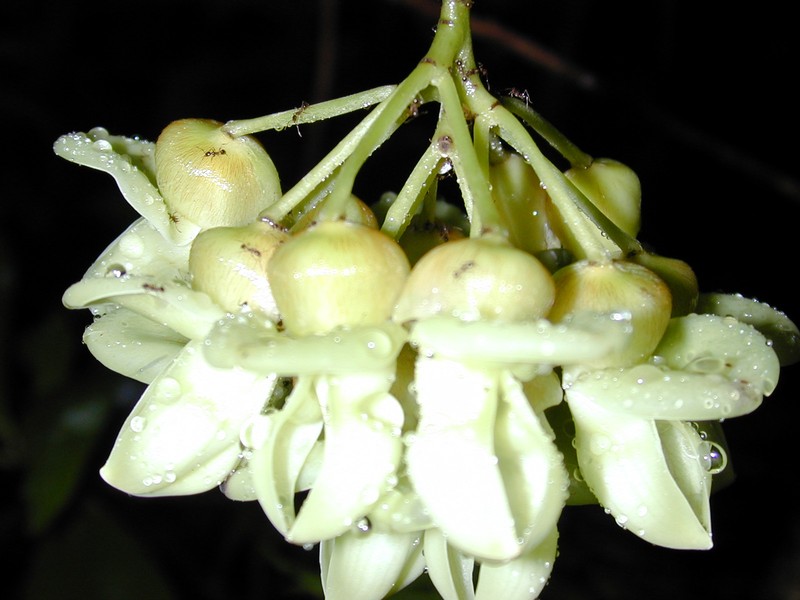
Forest & Kim Starr (www.hear.org)
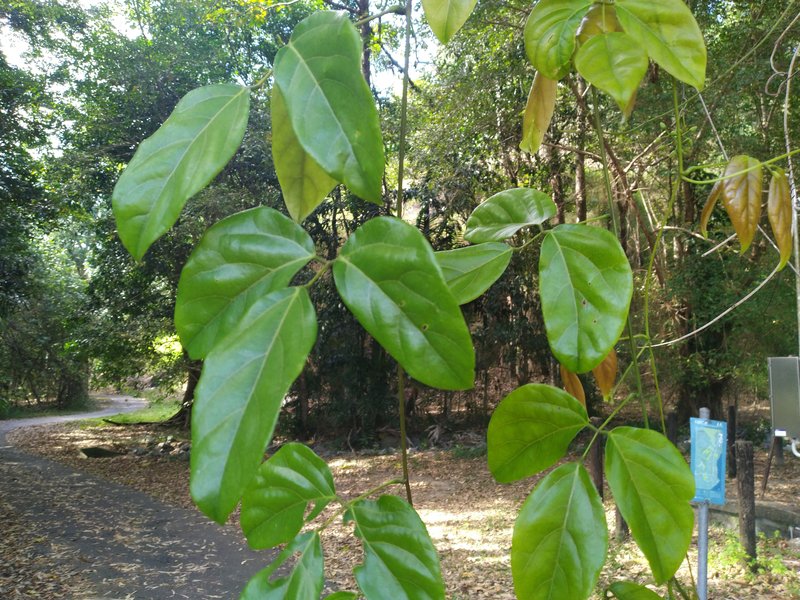
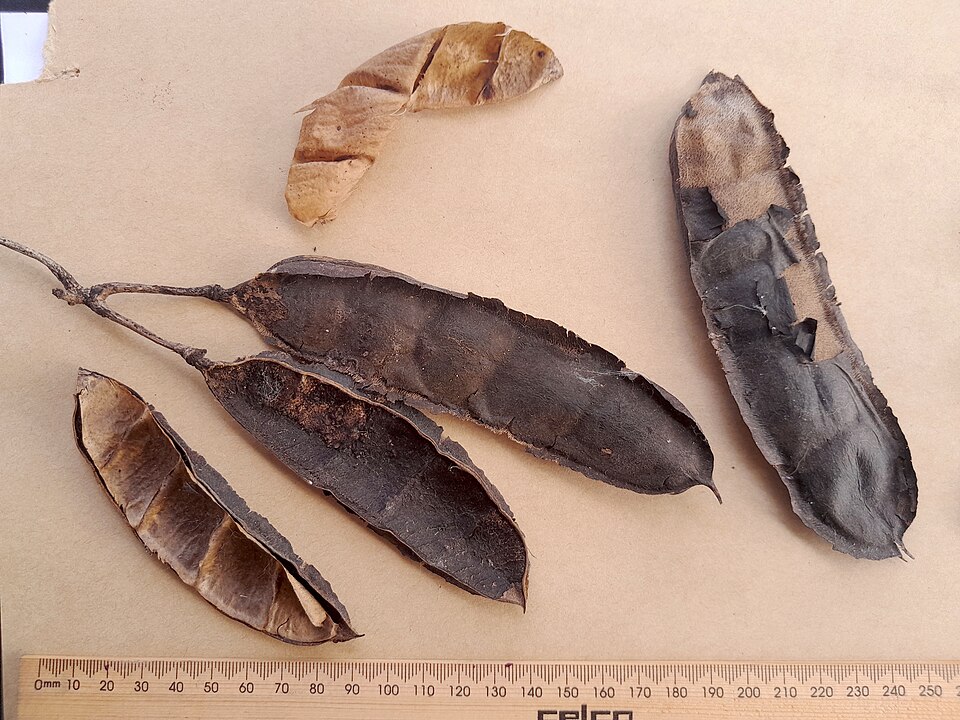
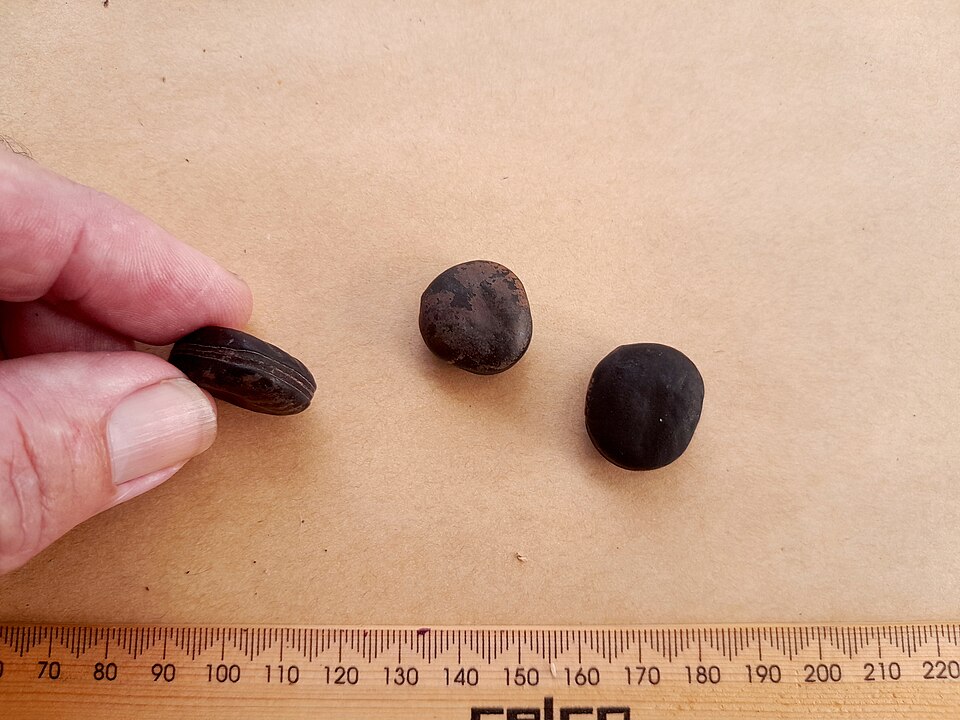
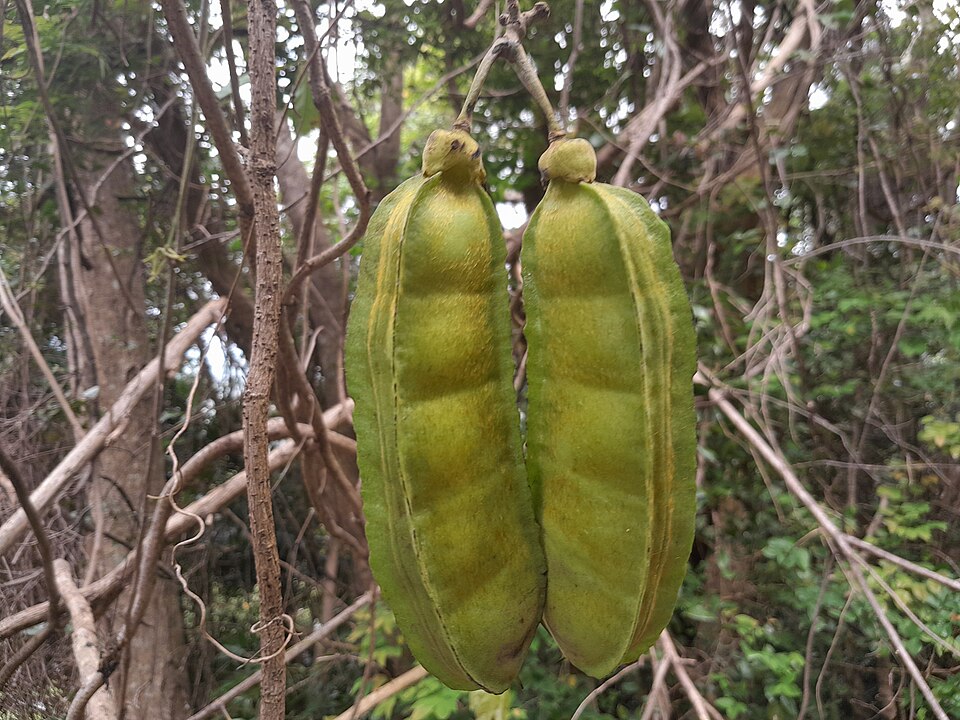
Taxonomy
- Division:
- Magnoliophyta | - Flowering plants
- Family:
- Fabaceae
- Genus:
- Mucuna
- Species:
- Mucuna gigantea
- USDA Symbol:
- MUGI
Growth Characteristics
- Life Cycle:
- Perennial
- Growth Habit:
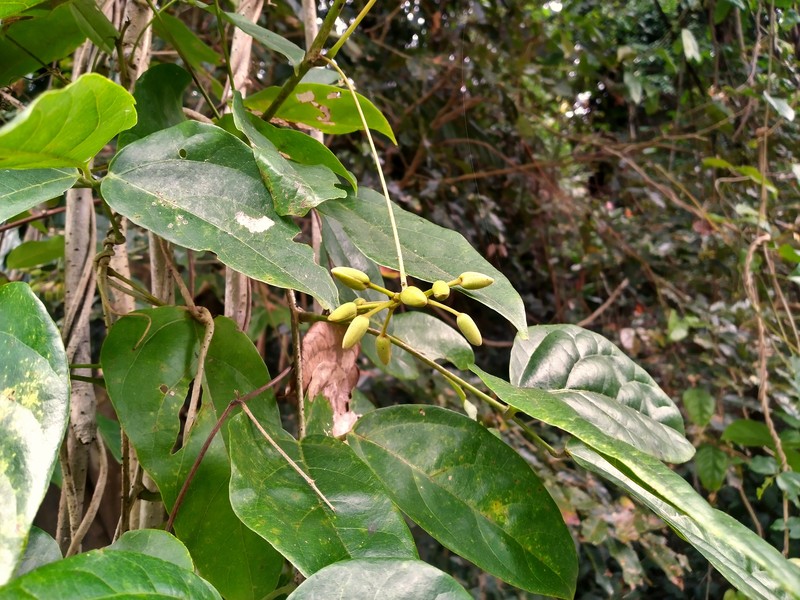
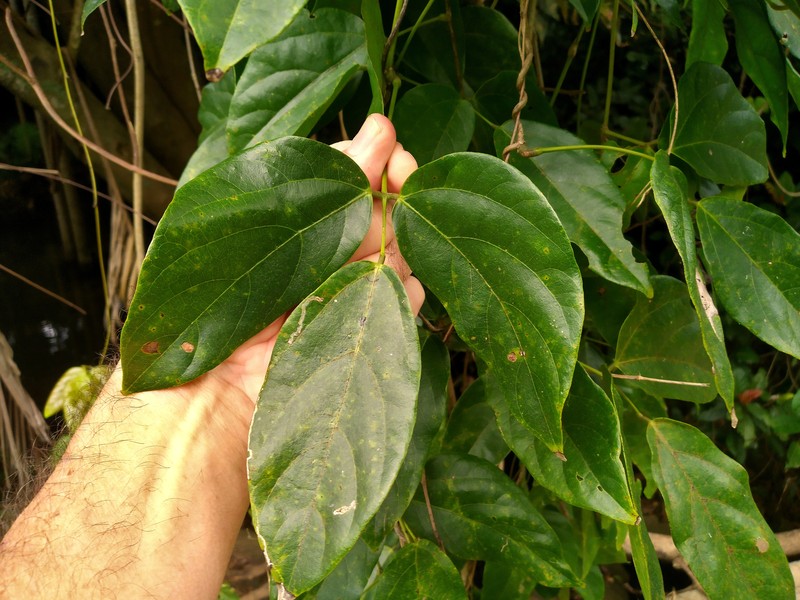
- Vine
- Height:
- 1500 cm
- Light Requirements:
- Full Sun
- Drought Tolerance:
- Low
- Bloom Months:
- jan,feb,mar,apr,may,jun,jul,aug,sep,oct,nov,dec
- Bloom Colors:
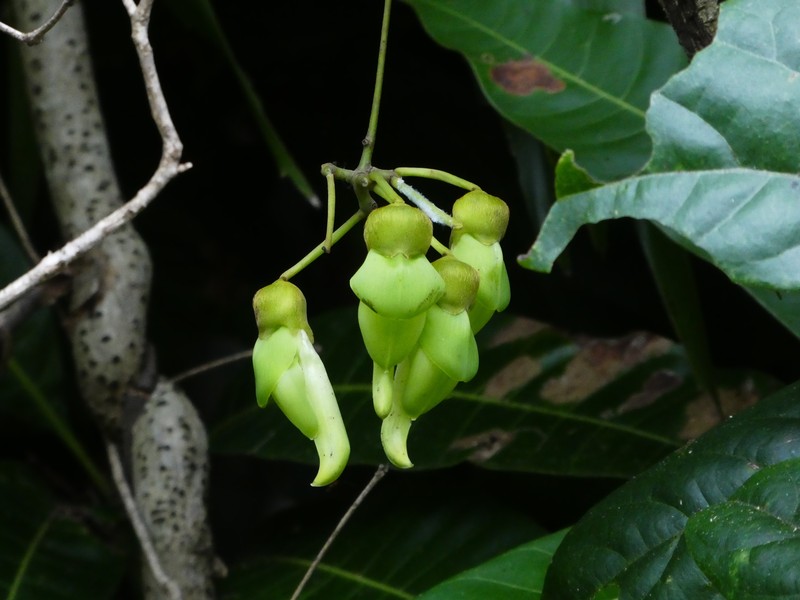
- white, greenish-white
Wildlife Benefits
- Butterflies & Moths:
- ★★★★★ Documented Lepidoptera association (GBIF)
- Caterpillars:
- ★☆☆☆☆ Recorded caterpillar host plant (HOSTS Database)
Garden & Ecology Notes
- Wildlife Value:
- birds, mammals
- Salt Tolerant:
- Yes
Soil Requirements
- Soil Type:
- rich, well-drained loamy soil
- pH:
- 5.5 - 7.5 (slightly acidic to neutral)
- Drainage:
- excellent drainage required
- Moisture:
- consistently moist
- Notes:
- native to tropical and subtropical coastal regions
Propagation & Germination
- Scarification:
- Seed coat scarification required before sowing
- Notes:
- Seeds require scarification (nicking or hot water treatment) to break physical dormancy; germination may occur over several weeks.