
Honey Mesquite
Neltuma glandulosa
- Native to:
- Mexico, United States
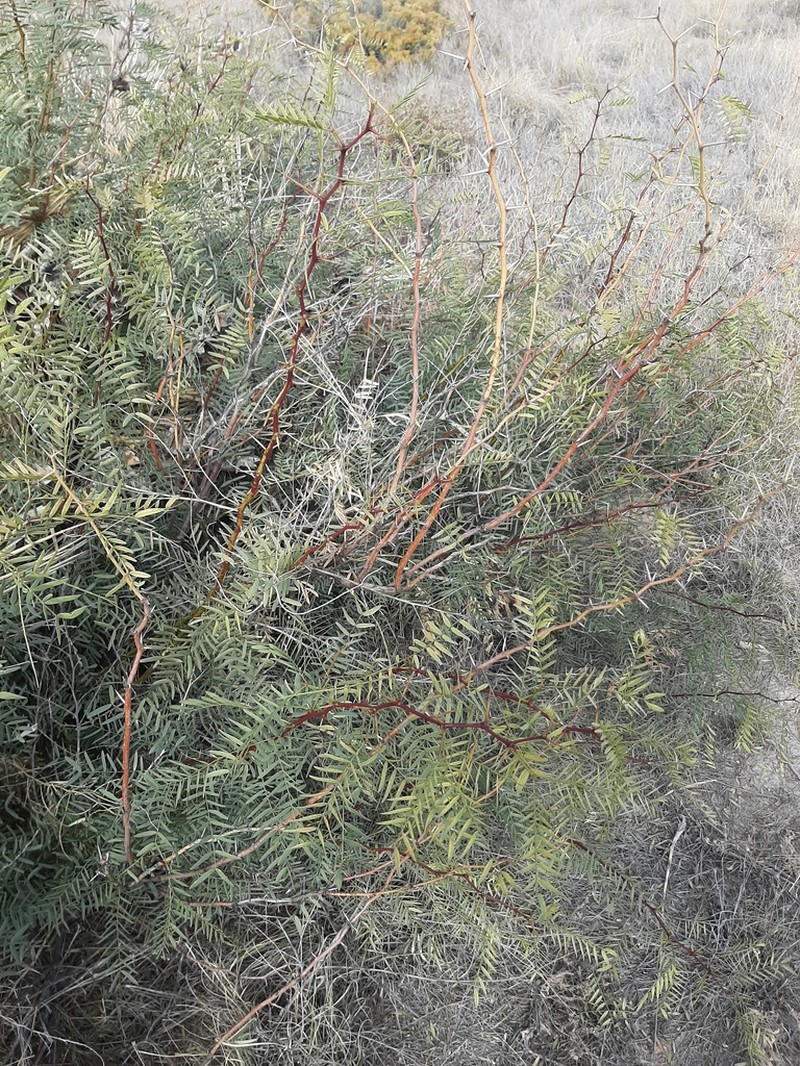
iNaturalist: © kendylosborn (iNaturalist #250333161)
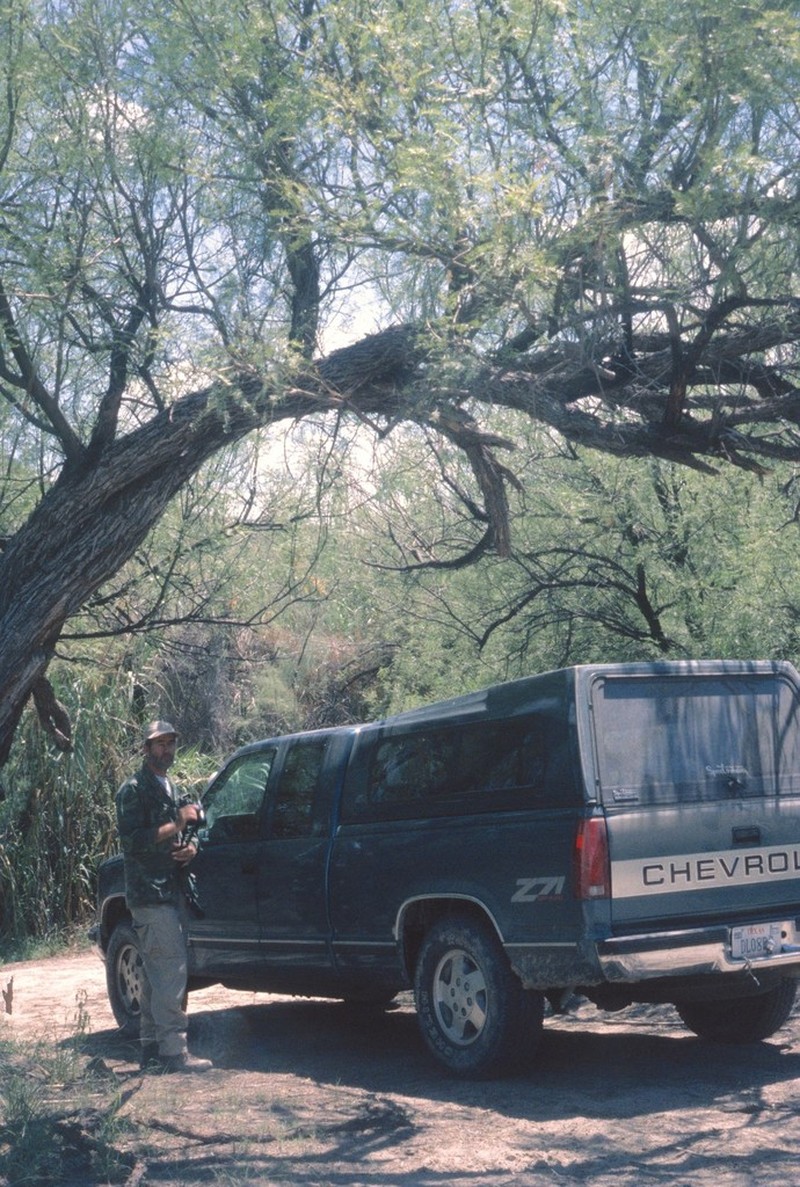
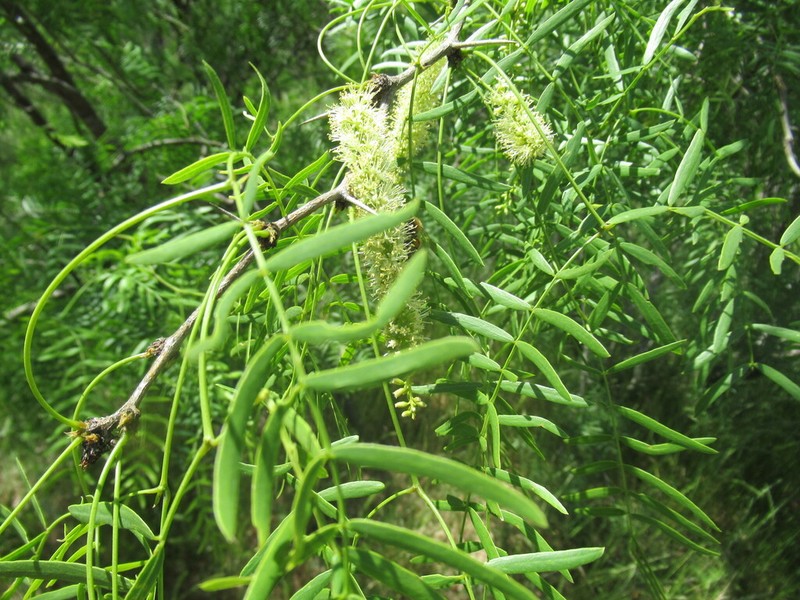
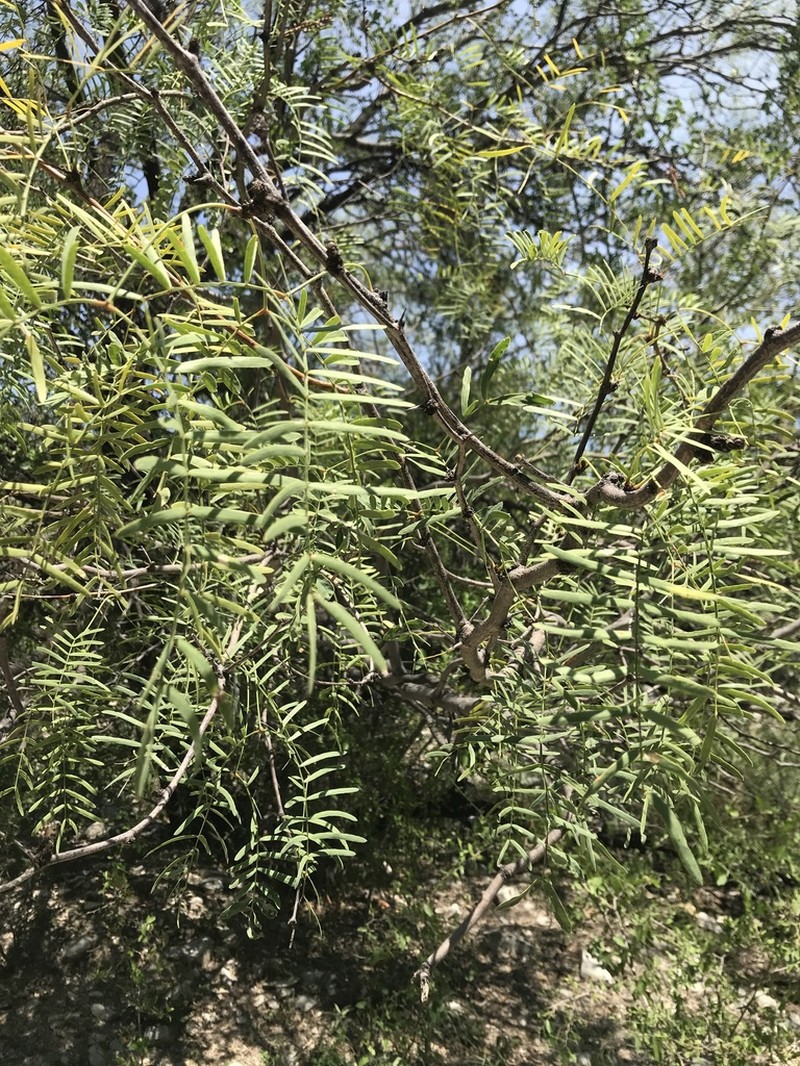
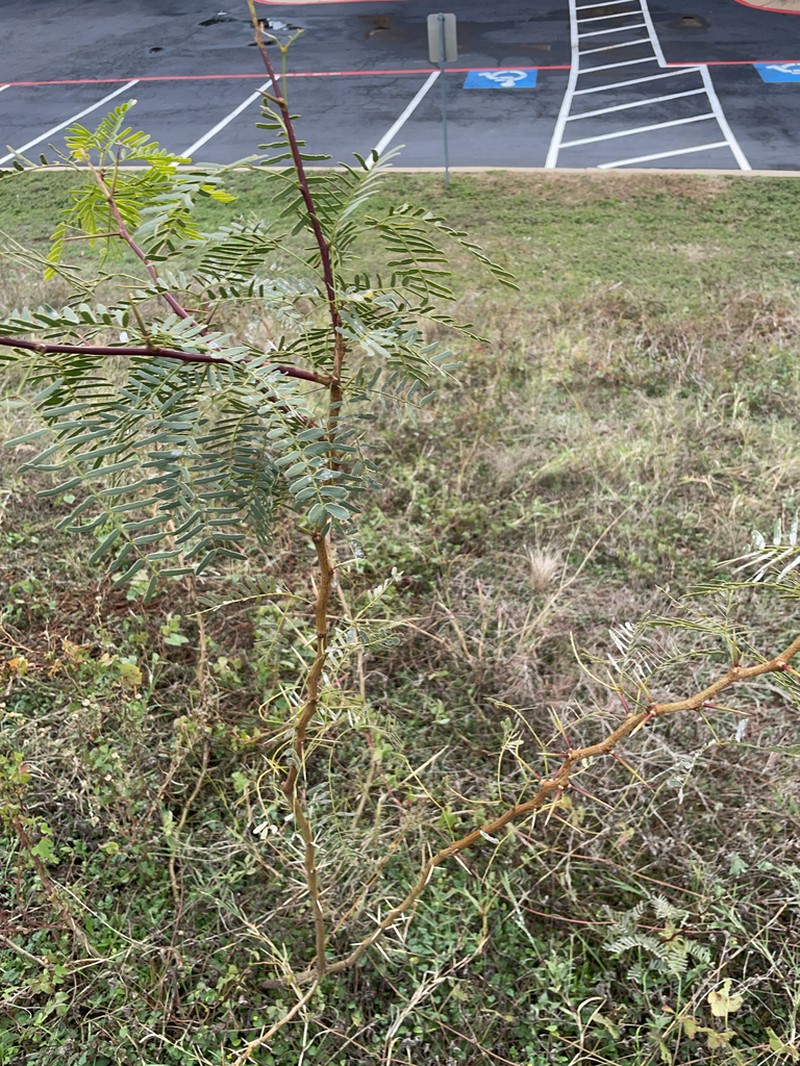
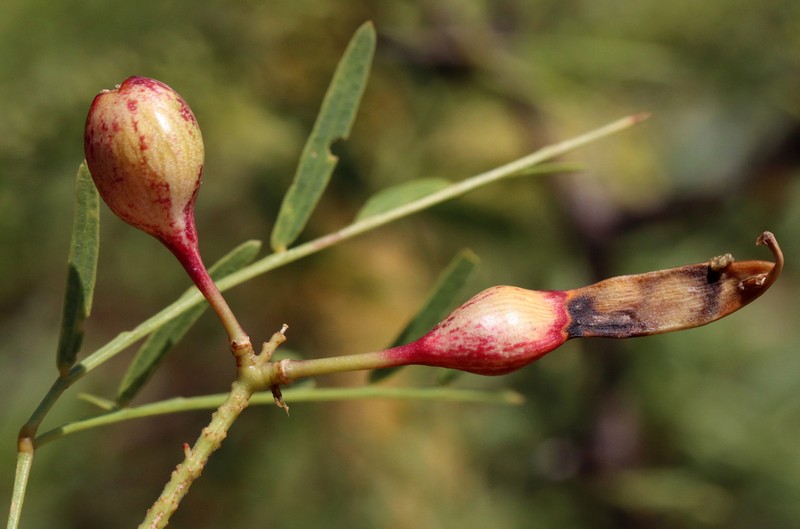
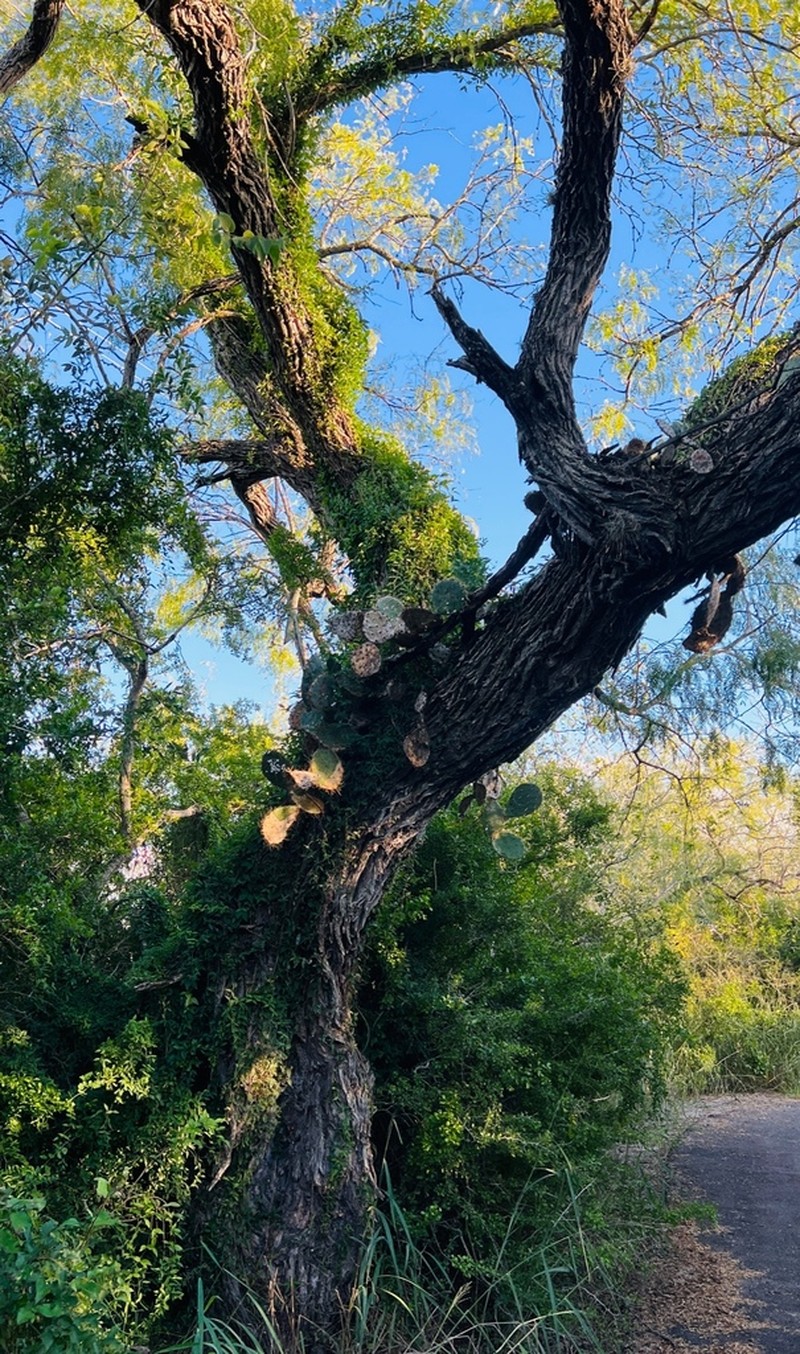
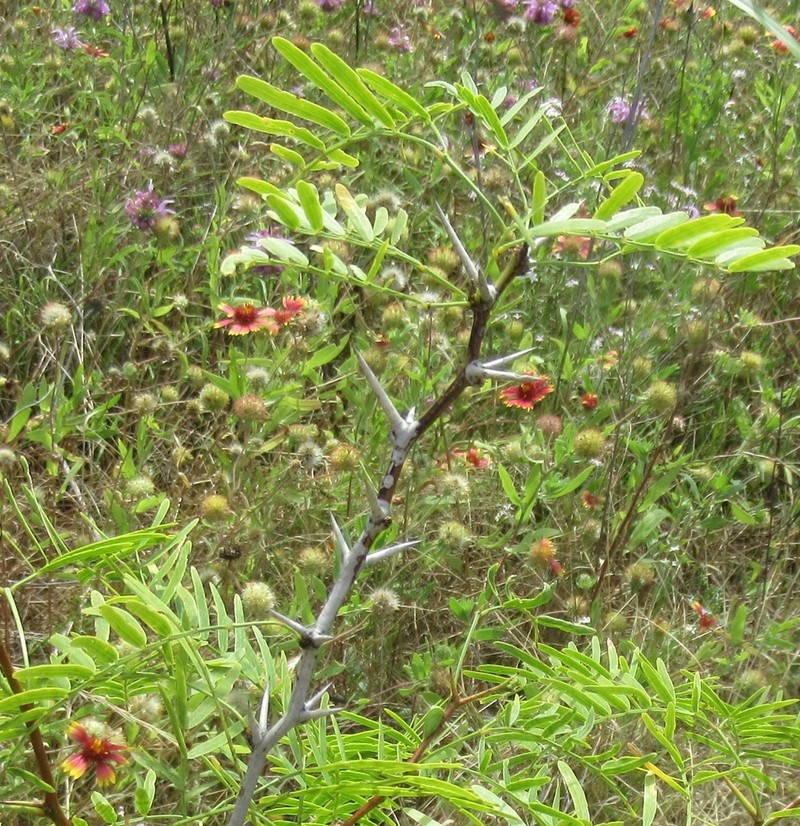
Taxonomy
- Division:
- Magnoliophyta | - Flowering plants
- Family:
- Fabaceae
- Genus:
- Neltuma
- Species:
- Neltuma glandulosa
- USDA Symbol:
- PRGL2
Growth Characteristics
- Life Cycle:
- Perennial
- Growth Habit:
- Shrub , Tree
- Height:
- 900 cm
- Light Requirements:
- Full Sun
- Drought Tolerance:
- High
- Bloom Months:
- mar,apr,may
- Bloom Colors:
- yellow
Wildlife Benefits
- Bees:
- ★★☆☆☆ Documented bee visitation (GBIF)
- Butterflies & Moths:
- ★★★★★ Documented Lepidoptera association (GBIF)
- Caterpillars:
- ★★★☆☆ Recorded caterpillar host plant (HOSTS Database)
- Hummingbirds:
- ★☆☆☆☆ Documented hummingbird visits (GBIF)
Host Plant for Caterpillars
Acontia areli-complex, Buck Moth (Hemileuca maia), Bulia deducta, Cydia membrosa, Friseria cockerelli, indomitable melipotis moth (Melipotis indomita), Juno buckmoth (Hemileuca juno), mesquite borer (Carmenta prosopis), mistletoe borer (Carmenta phoradendri), Oiketicus townsendi, Periploca orichalcella, Pococera euphemella, Rachiplusia ou, Semiothisa cyda, southern emerald (Synchlora frondaria), Syssphinx heiligbrodti, tricolor buckmoth (Hemileuca tricolor), Ceraunus Blue (Hemiargus ceraunus), Great Purple Hairstreak (Atlides halesus), Leda ministreak (Ministrymon leda), Long-tailed Skipper (Urbanus proteus), Palmer's metalmark (Apodemia palmerii), Reclusive Blue (Hemiargus isola)
Reported Fauna Sightings
Bees: ⚠️Western honey bee (Apis mellifera) Hummingbirds: Costa's Hummingbird (Calypte costae) Butterflies:Queen butterfly (Danaus gilippus)
Garden & Ecology Notes
- Wildlife Value:
- birds, mammals
- Salt Tolerant:
- Yes
- Fragrant:
- Yes
- Fire Ecology:
- Fire adapted — tolerates or benefits from fire
- Fire Notes:
- Resprouts vigorously from root crown after fire; seeds require heat scarification for germination.
Soil Requirements
- Soil Type:
- sandy, well-drained, nutrient-poor soil
- pH:
- 6.0 - 8.0 (neutral to slightly alkaline)
- Drainage:
- excellent drainage required
- Moisture:
- dry to moderate
- Notes:
- native to arid desert regions
Propagation & Germination
- Stratification:
- Warm then cold/moist stratification (double dormancy) — 30–90 days
- Scarification:
- Seed coat scarification required before sowing
- Germination Time:
- 7–30 days
- Notes:
- Seeds require scarification (nicking or hot water treatment) followed by warm stratification for 30-90 days, then cold stratification for 30-60 days.
Pre-treatment: Seeds are hand scarified by clipping and directly sown in open flats using a growing medium of 2 parts sand, 1 part mulch and 2 parts perlite.
Establishment: Seeds are hand collected in December when pods have matured and begin to split open. The plant is common in washes below 5,000 ft elevation from northwestern Mexico to California east to Texas.
Source: npn.rngr.net
Where to Buy
Nationwide Seller
- Sheffield's Seed (seeds)