
Velvet Mesquite
Neltuma velutina
- Native to:
- Mexico, United States
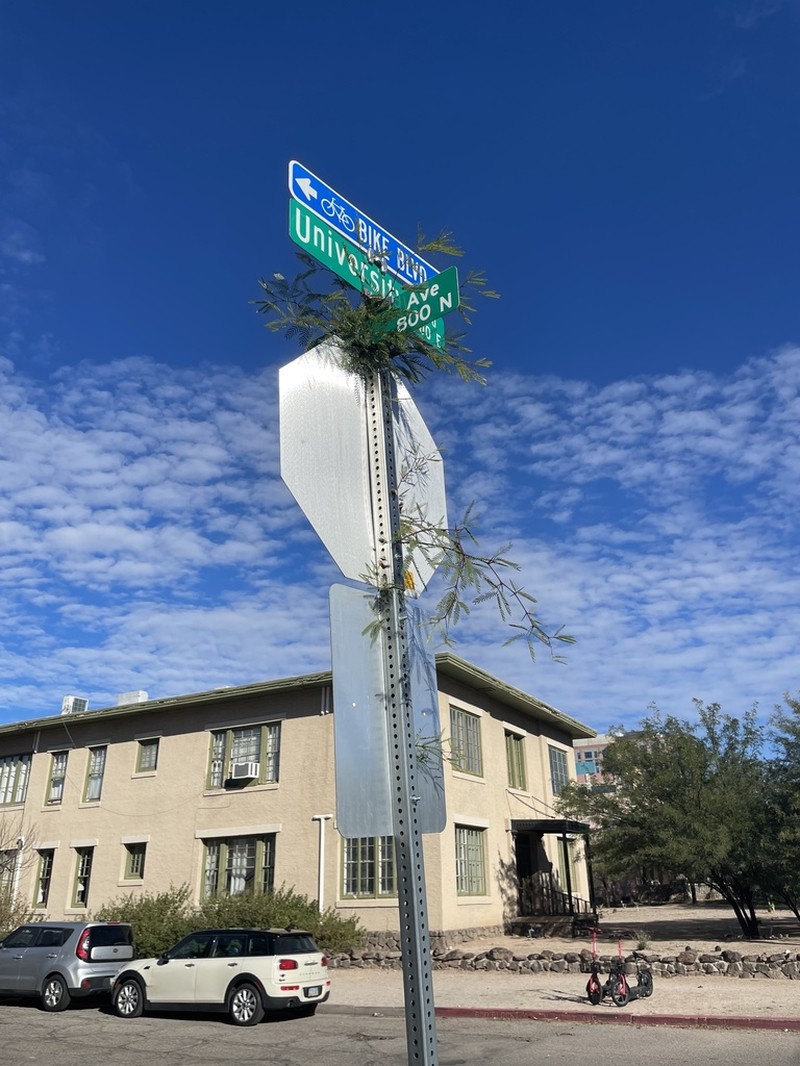
iNaturalist: © jacobfriend (iNaturalist #146003314)
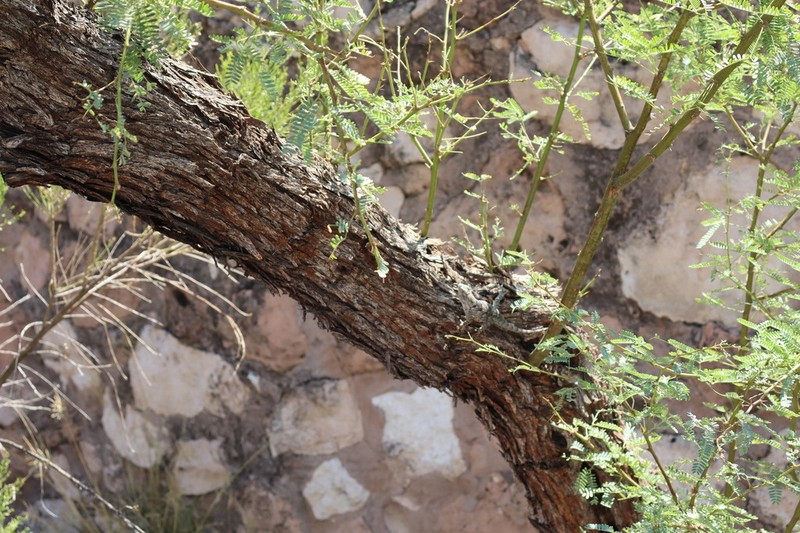
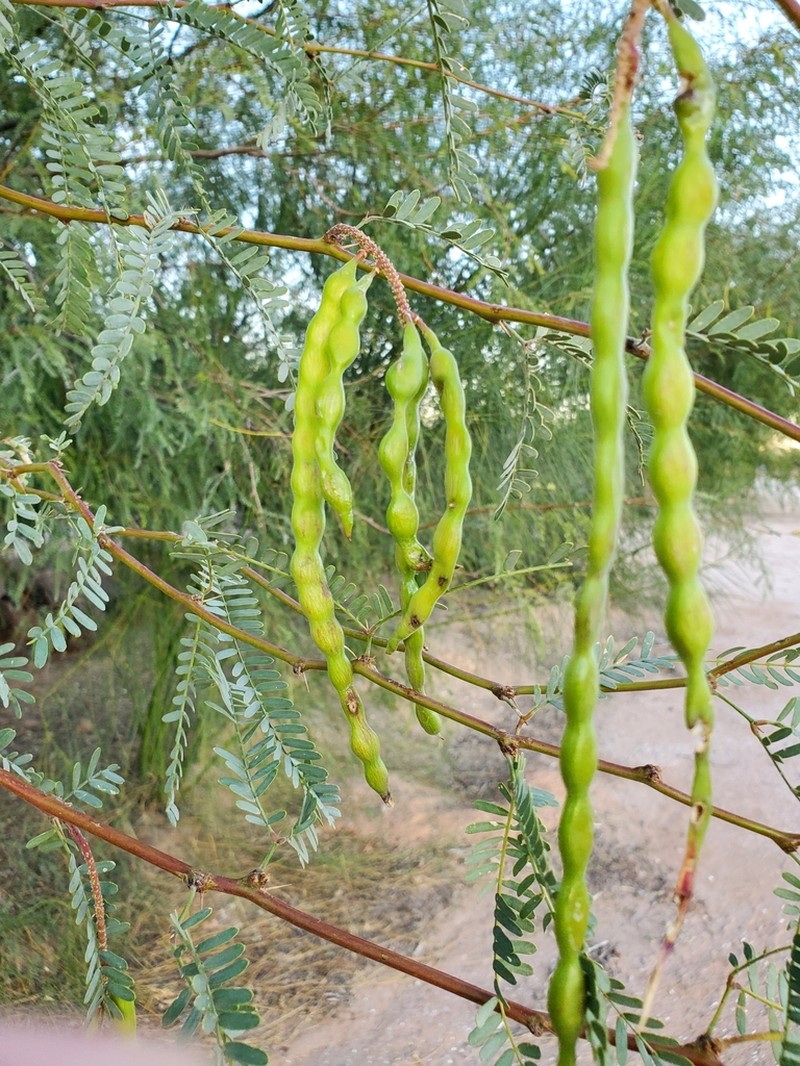
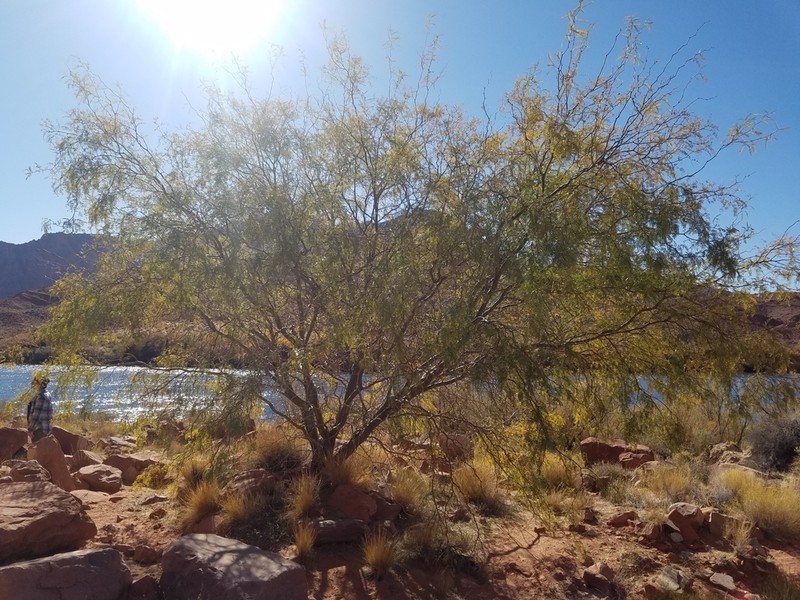
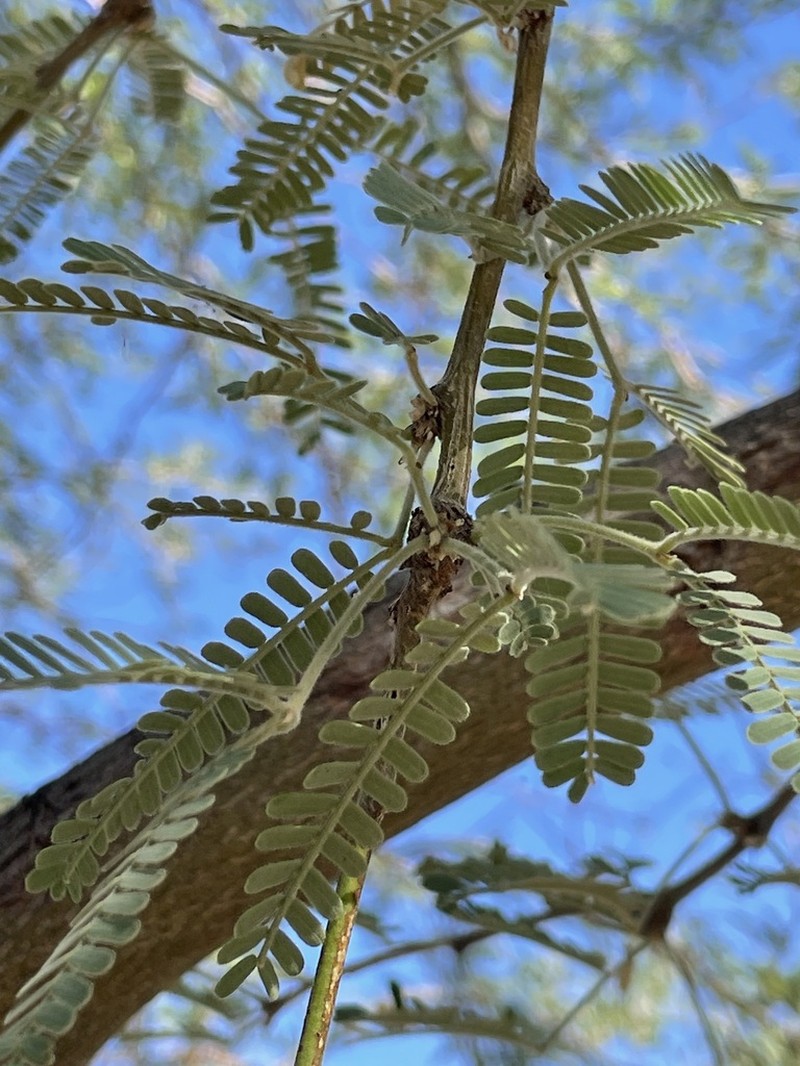
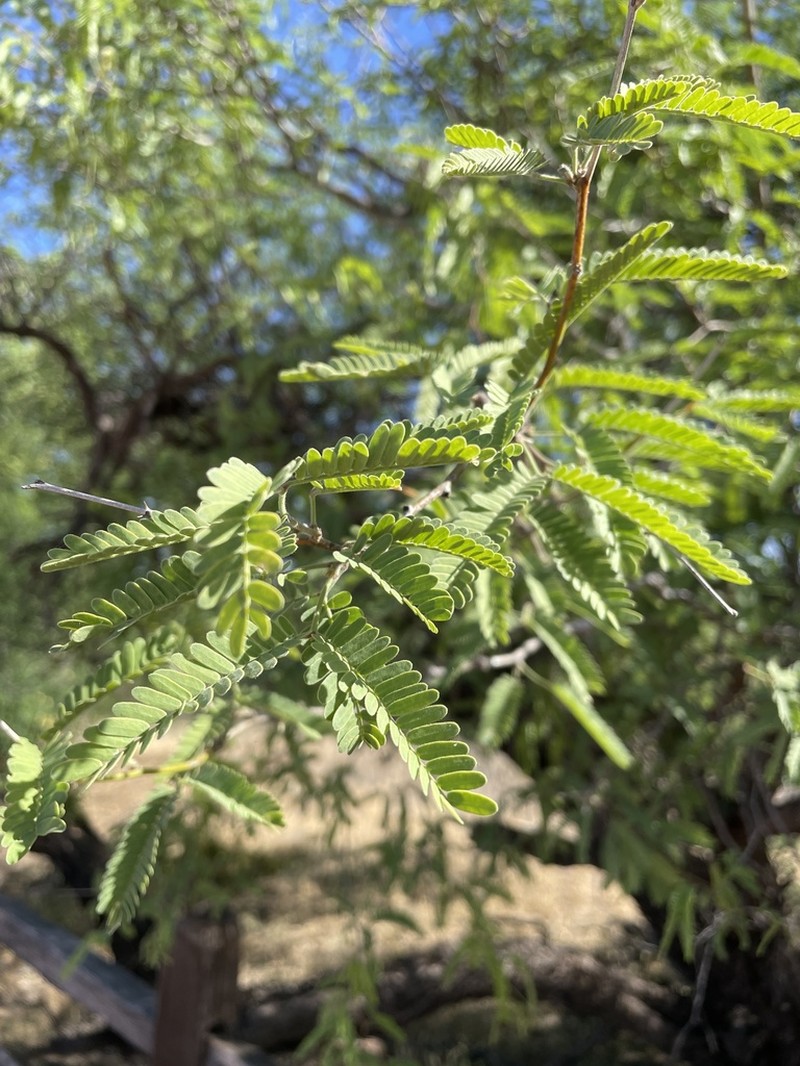
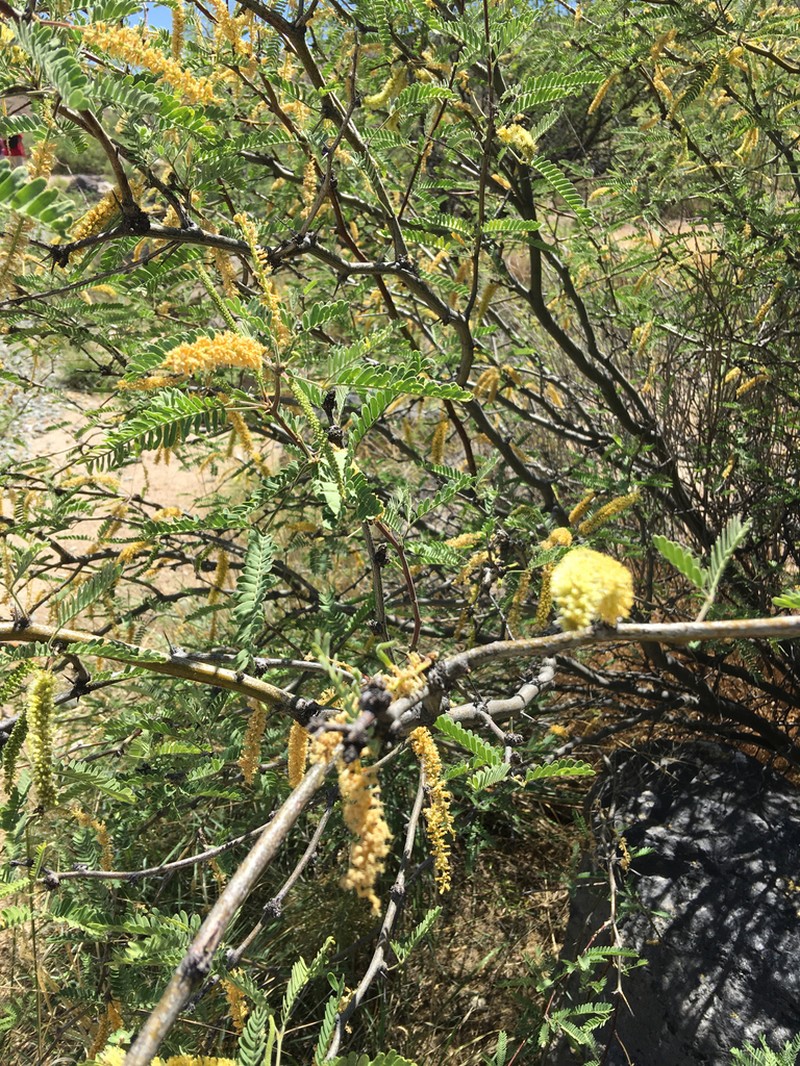
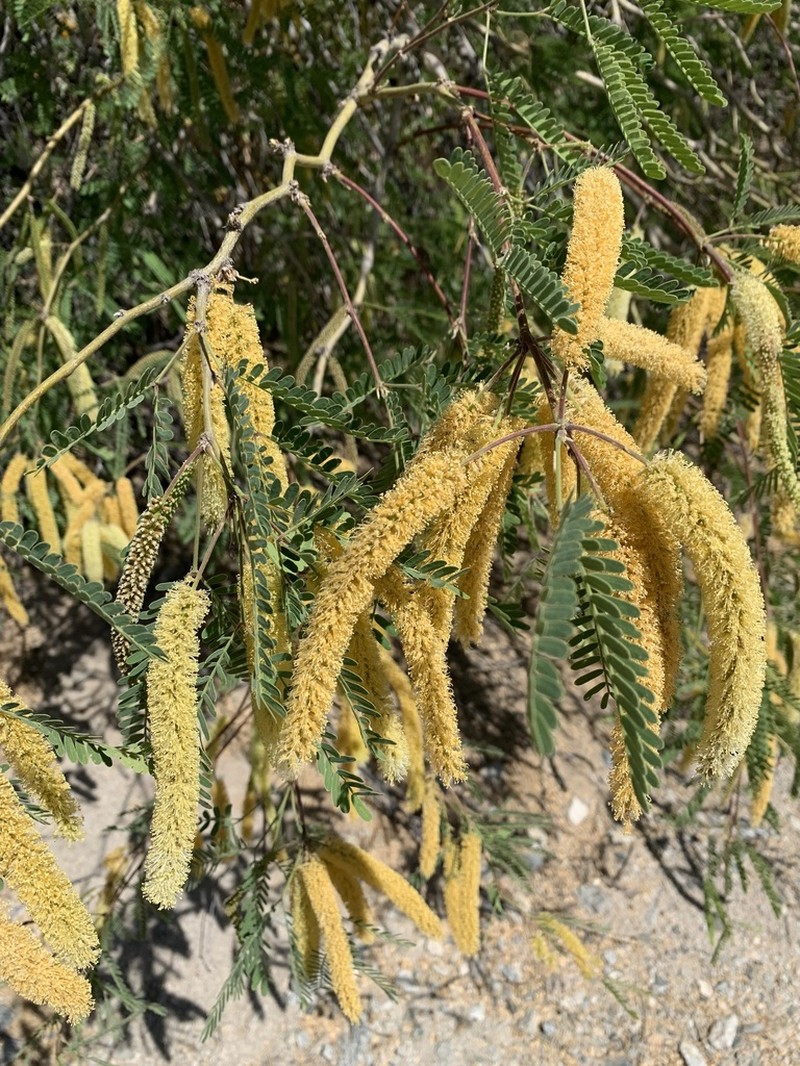
Taxonomy
- Division:
- Magnoliophyta | - Flowering plants
- Family:
- Fabaceae
- Genus:
- Neltuma
- Species:
- Neltuma velutina
- USDA Symbol:
- PRVE
Growth Characteristics
- Life Cycle:
- Perennial
- Growth Habit:
- Shrub , Tree
- Height:
- 1500 cm
- Light Requirements:
- Full Sun
- Drought Tolerance:
- High
- Bloom Months:
- apr,may,jun
- Bloom Colors:
- yellow
Wildlife Benefits
- Bees:
- ★☆☆☆☆ Documented bee visitation (GBIF)
- Butterflies & Moths:
- ★★★★★ Documented Lepidoptera association (GBIF)
- Caterpillars:
- ★☆☆☆☆ Recorded caterpillar host plant (HOSTS Database)
- Hummingbirds:
- ★☆☆☆☆ Documented hummingbird visits (GBIF)
Host Plant for Caterpillars
Cydia membrosa, Hubbard's silk moth (Syssphinx hubbardi), Juno buckmoth (Hemileuca juno), Pococera euphemella, Semiothisa cyda, Syssphinx heiligbrodti
Reported Fauna Sightings
Hummingbirds: Anna's Hummingbird (Calypte anna), Rufous Hummingbird (Selasphorus rufus) Moths:Juno buckmoth (Hemileuca juno)
Garden & Ecology Notes
- Wildlife Value:
- birds, mammals
- Salt Tolerant:
- Yes
- Fragrant:
- Yes
- Fire Ecology:
- Fire adapted — tolerates or benefits from fire
- Fire Notes:
- Resprouts vigorously after fire; seeds are heat-stimulated to germinate.
Soil Requirements
- Soil Type:
- sandy, well-drained, nutrient-poor soil
- pH:
- 6.0 - 8.0 (slightly acidic to neutral)
- Drainage:
- excellent drainage required
- Moisture:
- dry to moderate
- Notes:
- Common in arid and semi-arid regions
Propagation & Germination
- Stratification:
- Warm then cold/moist stratification (double dormancy) — 30–90 days
- Scarification:
- Seed coat scarification required before sowing
- Germination Time:
- 7–30 days
- Notes:
- Seeds require scarification (nicking or hot water treatment) followed by warm stratification then cold stratification for optimal germination.
Pre-treatment: Scarification is needed. This can be achieved by cutting the seed coat with a scalpel or immersing the seeds in boiling water for five minutes.
Establishment: P. velutina grows below 1700m (5600ft) in desert plains and washes across the southwestern United States and northern Mexico. It is the dominant tree species along washes and provides important food and shelter for a variety of animals.
Source: npn.rngr.net
Where to Buy
Nationwide Seller
- Sheffield's Seed (seeds)
- Native Seed Group (seeds)