
Desert Ironwood
Olneya tesota
- Native to:
- Mexico, United States
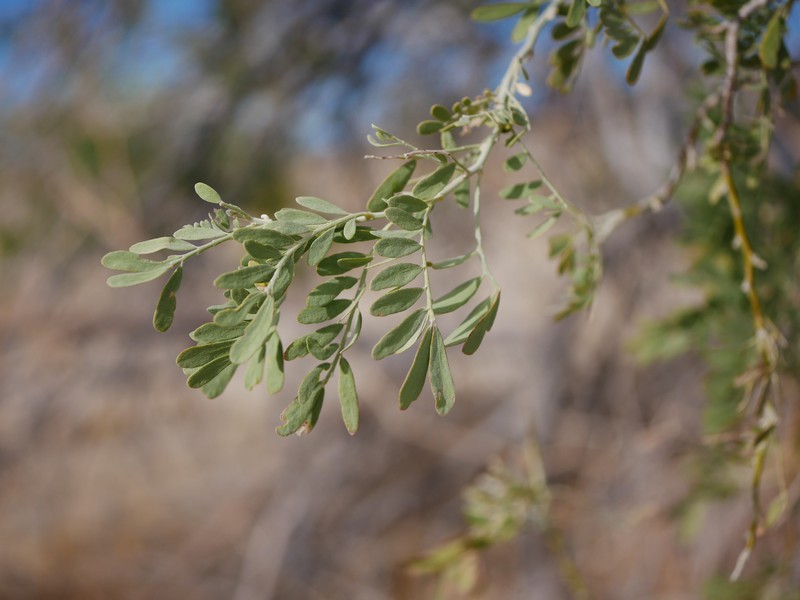
Thayne Tuason
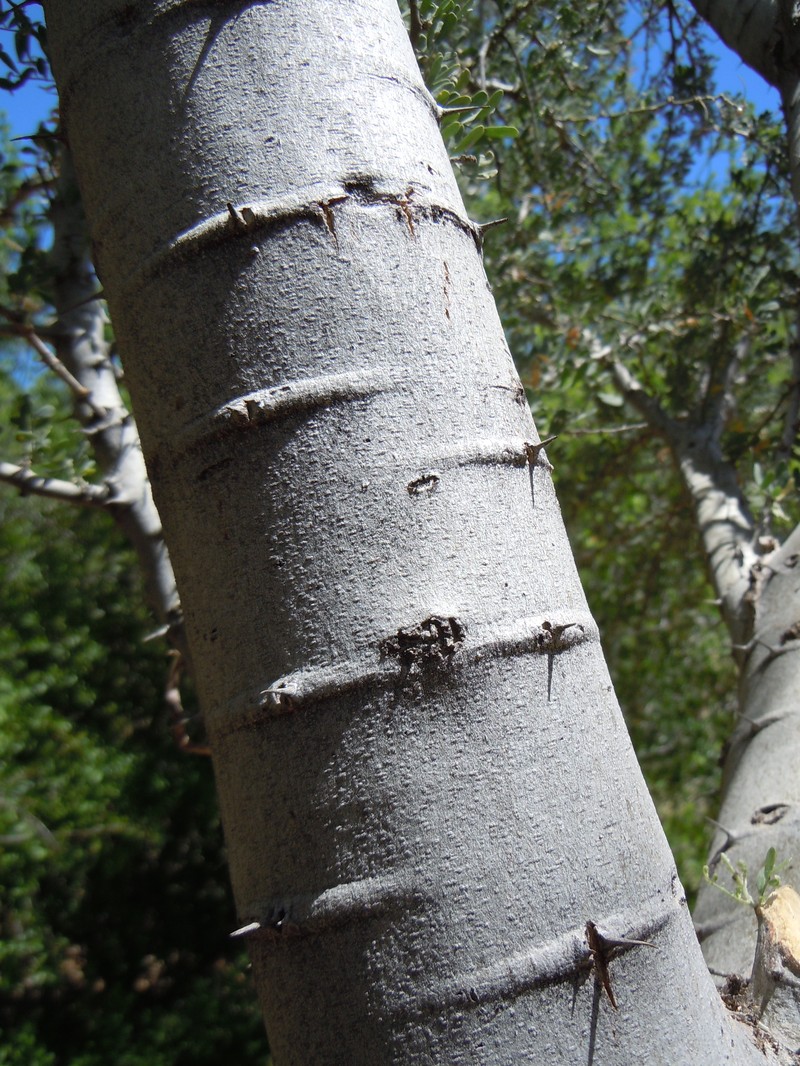
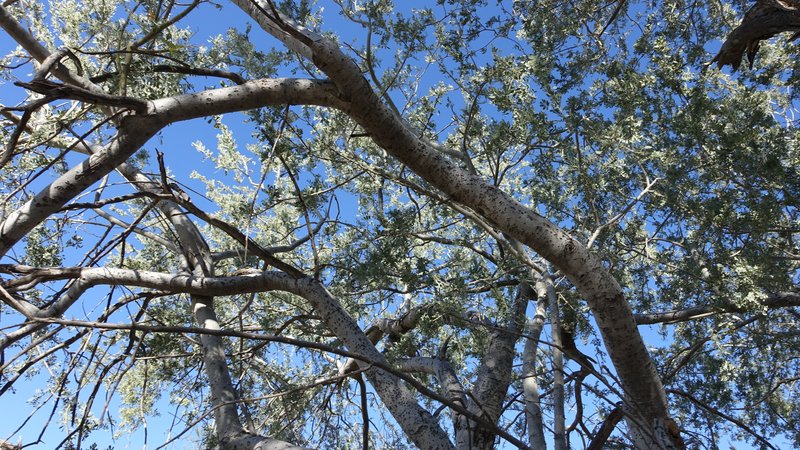
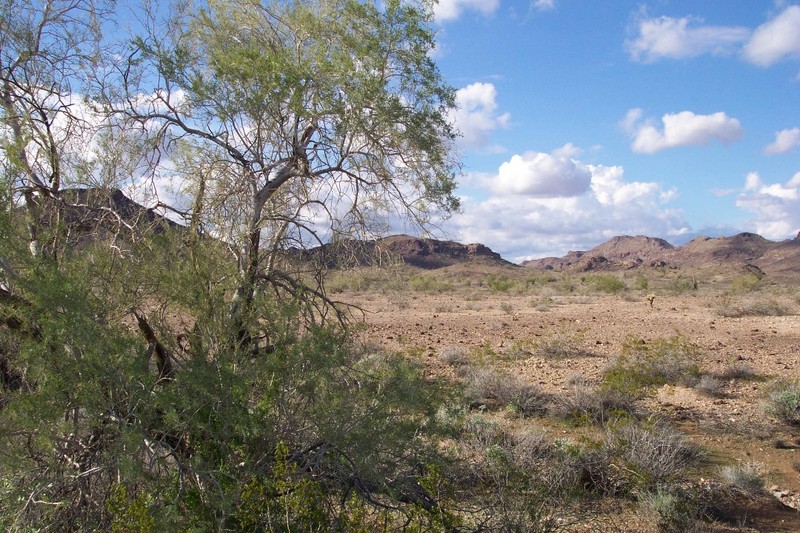
Taxonomy
- Division:
- Magnoliophyta | - Flowering plants
- Family:
- Fabaceae
- Genus:
- Olneya
- Species:
- Olneya tesota
- USDA Symbol:
- OLTE
Growth Characteristics
- Life Cycle:
- Perennial
- Growth Habit:
- Shrub , Tree
- Height:
- 1500 cm
- Light Requirements:
- Full Sun
- Drought Tolerance:
- High
- Bloom Months:
- apr,may,jun
- Bloom Colors:
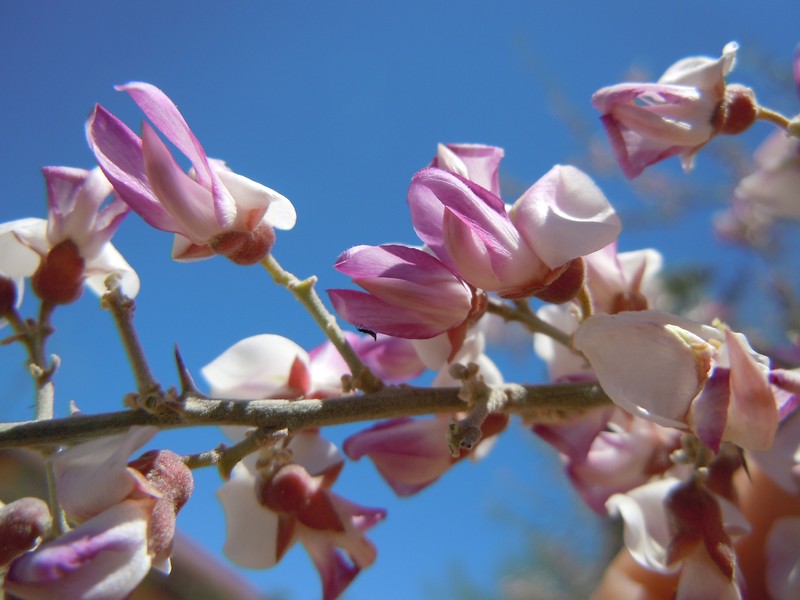
- pink, lavender
Wildlife Benefits
- Bees:
- ★☆☆☆☆ Documented bee visitation (GBIF)
- Butterflies & Moths:
- ★★★★★ Documented Lepidoptera association (GBIF)
- Caterpillars:
- ★☆☆☆☆ Recorded caterpillar host plant (HOSTS Database)
- Hummingbirds:
- ★☆☆☆☆ Documented hummingbird visits (GBIF)
Host Plant for Caterpillars
Funereal Duskywing (Erynnis funeralis)
Reported Fauna Sightings
Hummingbirds: Anna's Hummingbird (Calypte anna)
Garden & Ecology Notes
- Wildlife Value:
- birds, bees, butterflies
- Fragrant:
- Yes
Soil Requirements
- Soil Type:
- rocky, well-drained desert soil
- pH:
- 6.0 - 8.0 (neutral to slightly alkaline)
- Drainage:
- excellent drainage required
- Moisture:
- dry to very dry
- Notes:
- native to arid desert regions
Propagation & Germination
- Stratification:
- Warm then cold/moist stratification (double dormancy) — 30–60 days
- Scarification:
- Seed coat scarification required before sowing
- Germination Time:
- 14–30 days
- Notes:
- Seeds require scarification (nicking or hot water treatment) followed by warm stratification then cold stratification.
Pre-treatment: Soak seeds in water for 24 hours before planting. No scarification needed. Alternatively, seeds can be directly sown to blotter paper without any pretreatment.
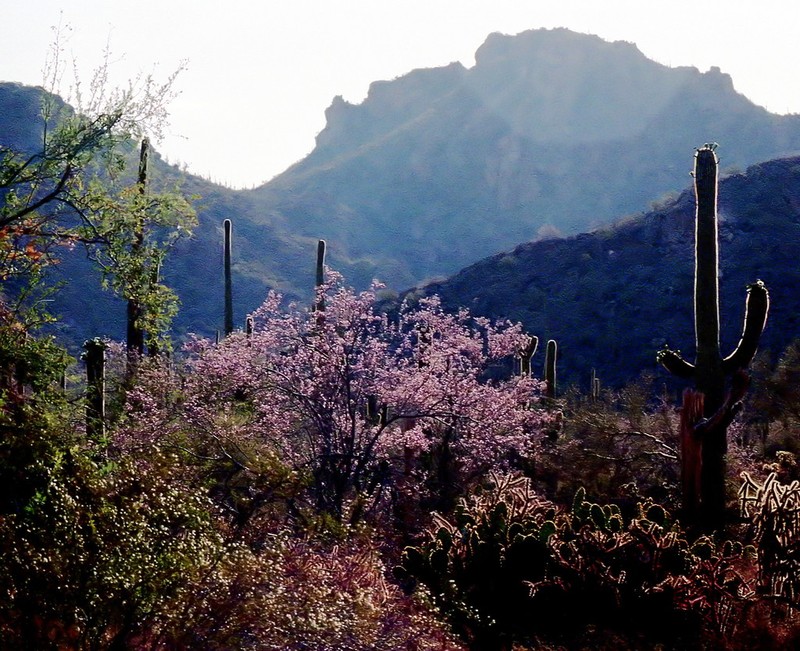
Establishment: Different trees will flower more or less each year depending upon rainfall in immediate area. Seeds are collected from mid June to mid July or in August when pods have matured and begin to split open. The plant is found in arid areas of Southern California, Arizona and Lower California.
Source: npn.rngr.net
Where to Buy
Nationwide Seller
- Sheffield's Seed (seeds)