
Blue Paloverde
Parkinsonia florida
- Native to:
- Mexico, United States
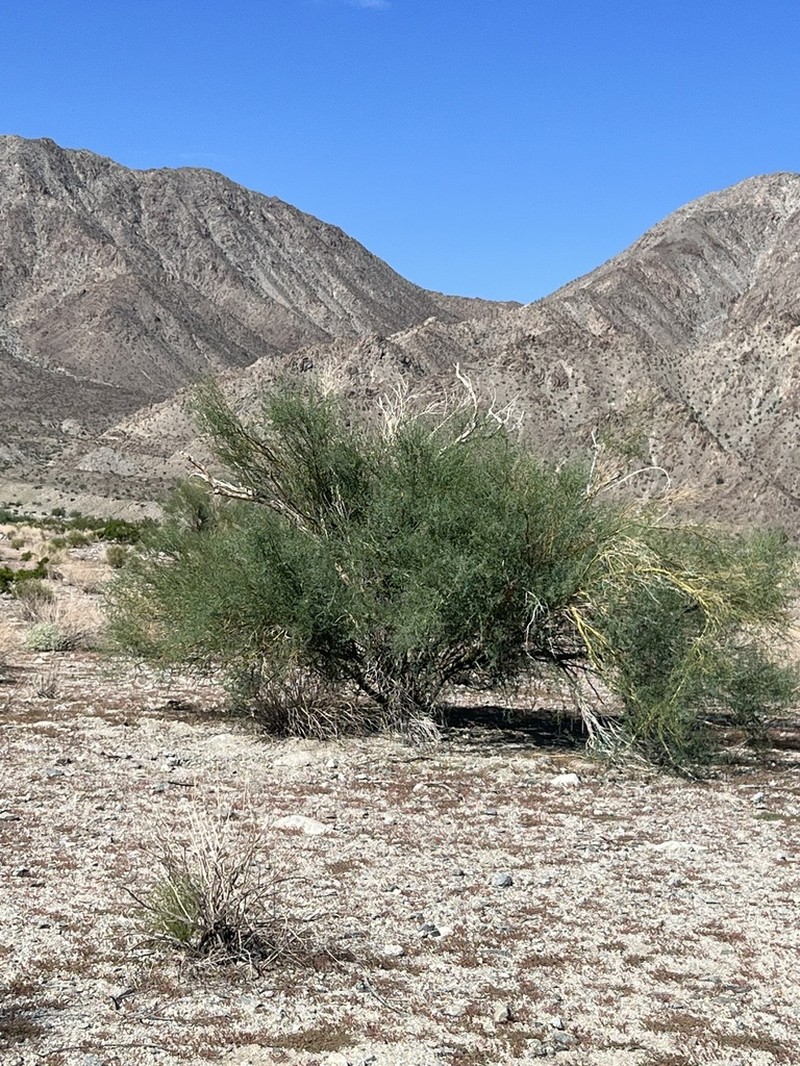
iNaturalist: © superluminal (iNaturalist #187376516)
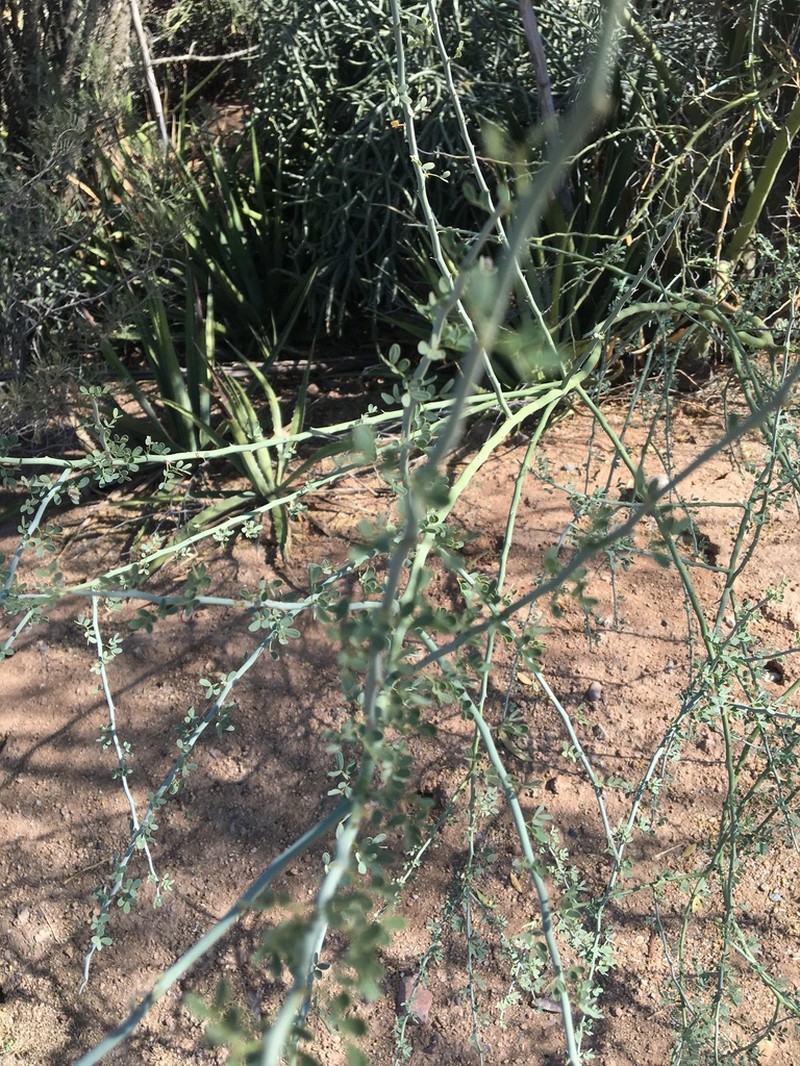
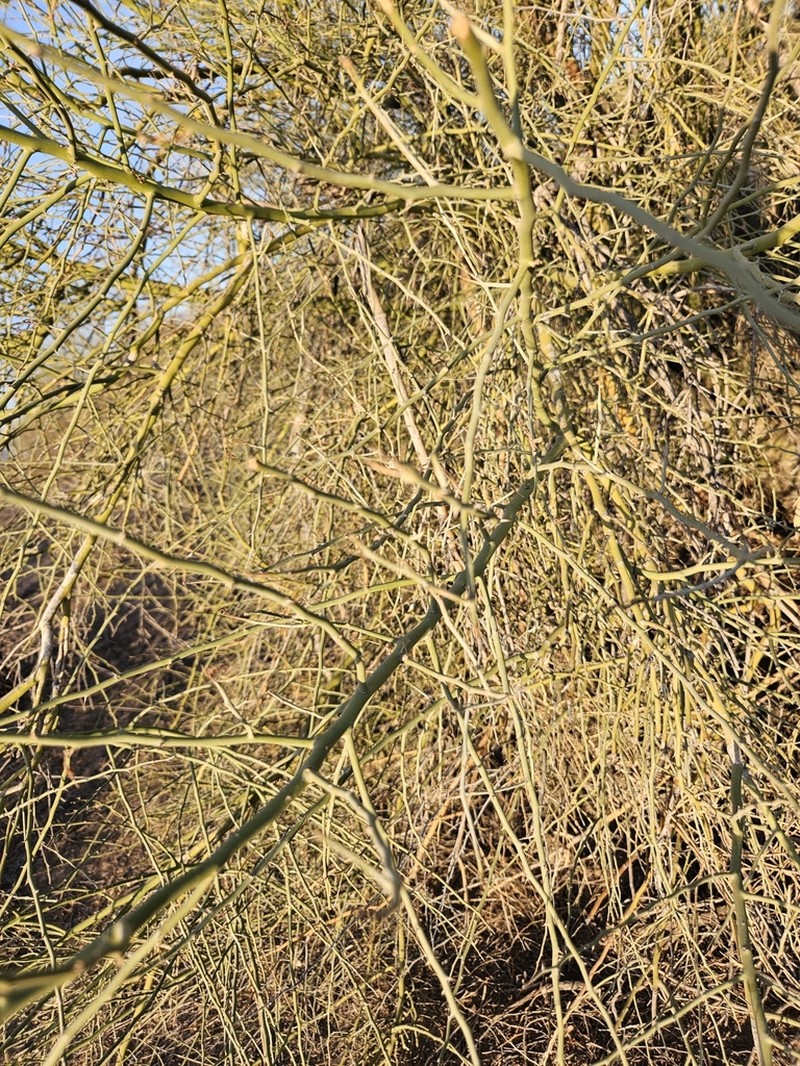
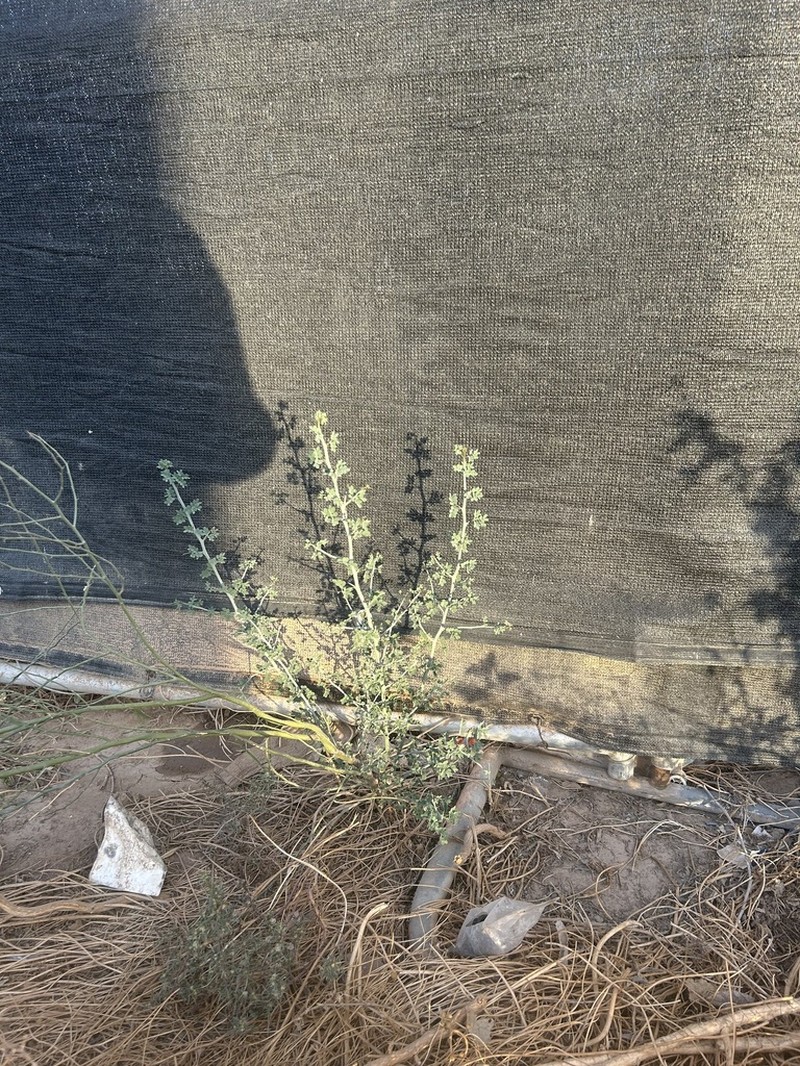
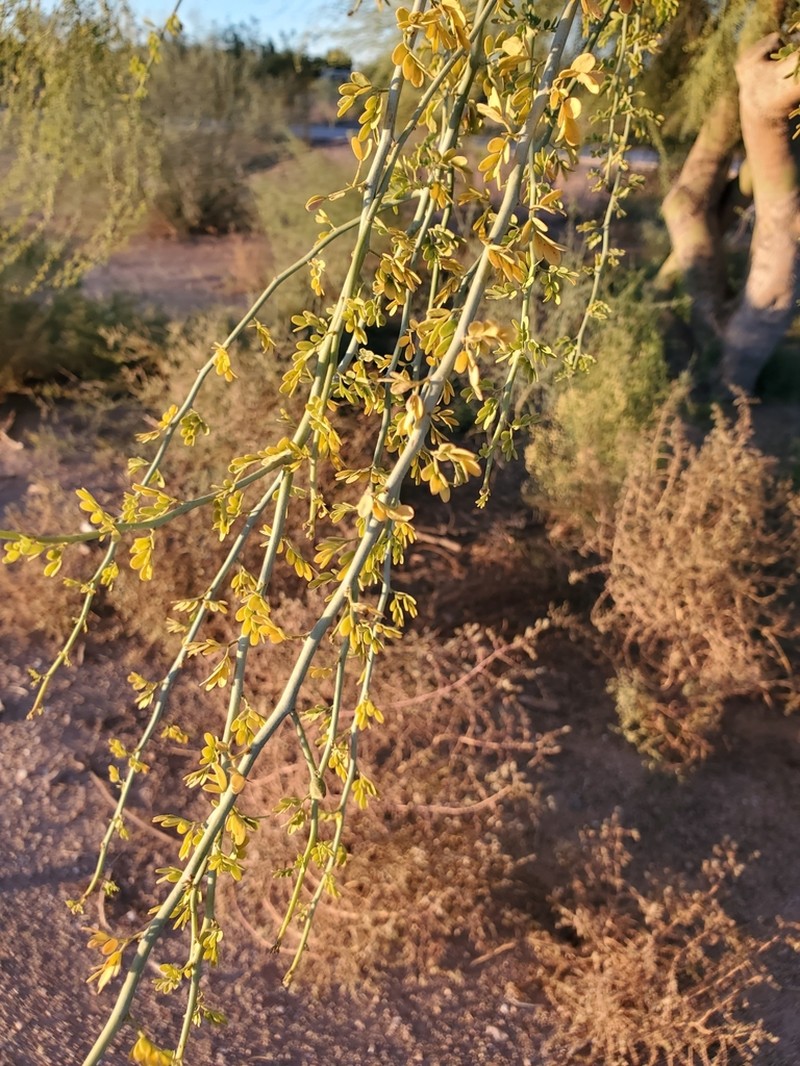
Taxonomy
- Division:
- Magnoliophyta | - Flowering plants
- Family:
- Fabaceae
- Genus:
- Parkinsonia
- Species:
- Parkinsonia florida
- USDA Symbol:
- PAFL6
Growth Characteristics
- Life Cycle:
- Perennial
- Growth Habit:
- Shrub , Tree
- Height:
- 914 cm
- Light Requirements:
- Full Sun
- Drought Tolerance:
- High
- Bloom Months:
- apr,may,jun
- Bloom Colors:
- yellow
Wildlife Benefits
- Bees:
- ★☆☆☆☆ Documented bee visitation (GBIF)
- Butterflies & Moths:
- ★★★☆☆ Documented Lepidoptera association (GBIF)
- Caterpillars:
- ★☆☆☆☆ Recorded caterpillar host plant (HOSTS Database)
- Hummingbirds:
- ★☆☆☆☆ Documented hummingbird visits (GBIF)
Keystone Species Ranking
- Pollen Specialist Bee Keystone:
- ★★★☆☆ Native pollen specialist bee species supported by this genus (NWF)
Host Plant for Caterpillars
Hubbard's silk moth (Syssphinx hubbardi), Syssphinx heiligbrodti
Reported Fauna Sightings
Hummingbirds: Anna's Hummingbird (Calypte anna), Costa's Hummingbird (Calypte costae)
Garden & Ecology Notes
- Wildlife Value:
- birds, butterflies
- Salt Tolerant:
- Yes
- Fire Ecology:
- Fire adapted — tolerates or benefits from fire
- Fire Notes:
- Resprouts from root crown after fire; seeds are heat-stimulated to germinate.
Soil Requirements
- Soil Type:
- sandy, well-drained, nutrient-poor soil
- pH:
- 6.0 - 8.0 (slightly acidic to neutral)
- Drainage:
- excellent drainage required
- Moisture:
- dry to moderate
- Notes:
- native to desert regions, drought-tolerant
Propagation & Germination
- Stratification:
- Warm then cold/moist stratification (double dormancy) — 30–60 days
- Scarification:
- Seed coat scarification required before sowing
- Germination Time:
- 14–30 days
- Notes:
- Seeds require scarification (nicking or hot water treatment) followed by warm stratification for 30-60 days, then cold stratification for 30-60 days to break dormancy.
Pre-treatment: Scarification of seeds using hand pruners or sand paper to break through the outer seed coat, followed by a 24-hour soak to ensure penetration of the seed coat.
Establishment: Seeds should be collected from sources where cross pollination with other Parkinsonia species is not possible. Collection time is mid June to mid July, as soon as seed pod and seed are dry but before they fall to the ground.
Source: npn.rngr.net
Where to Buy
Nationwide Seller
- Sheffield's Seed (seeds)