
Kidney Bean
Phaseolus vulgaris
- Native to:
- Argentina, Bolivia, Colombia, Costa Rica, Ecuador, El Salvador, Guam, Guatemala, Honduras, Mexico, Nicaragua, Palau, Panamá, Peru, U.S. Minor Outlying Islands, Venezuela
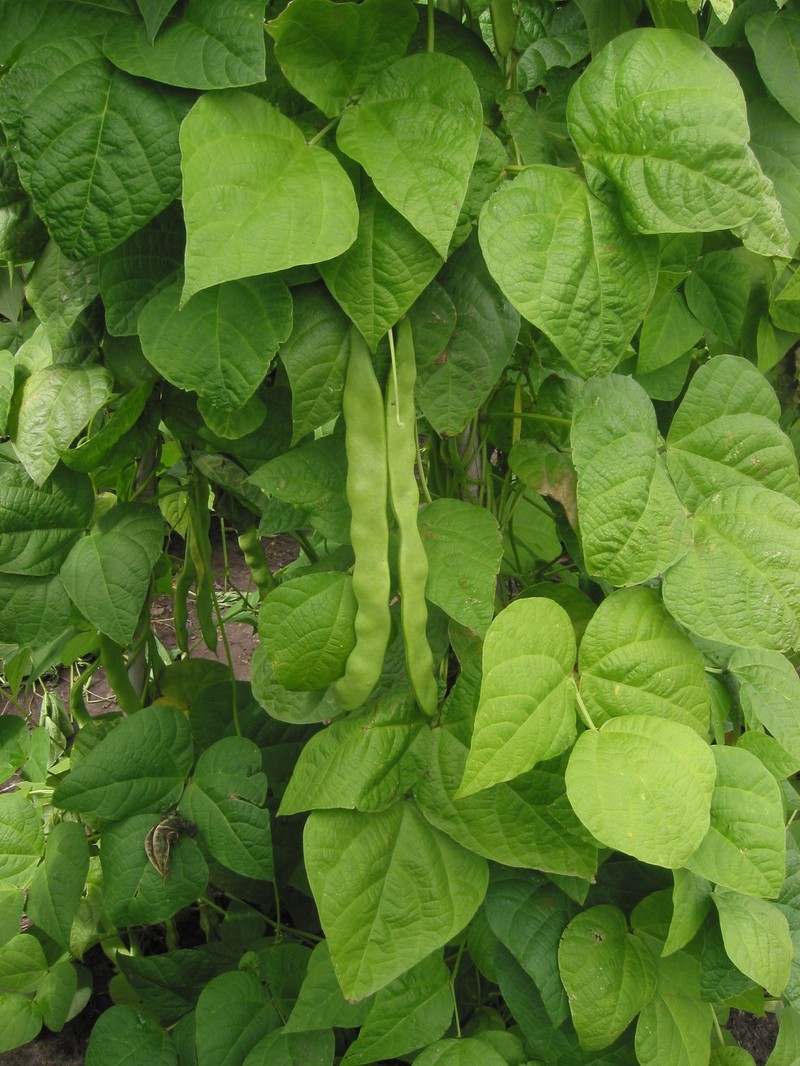
Rasbak
Taxonomy
- Division:
- Magnoliophyta | - Flowering plants
- Family:
- Fabaceae
- Genus:
- Phaseolus
- Species:
- Phaseolus vulgaris
- USDA Symbol:
- PHVU
Growth Characteristics
- Life Cycle:
- Annual
- Growth Habit:
- Forb/herb , Vine
- Height:
- 300 cm
- Light Requirements:
- Full Sun
- Drought Tolerance:
- Medium
- Bloom Months:
- jun,jul,aug
- Bloom Colors:
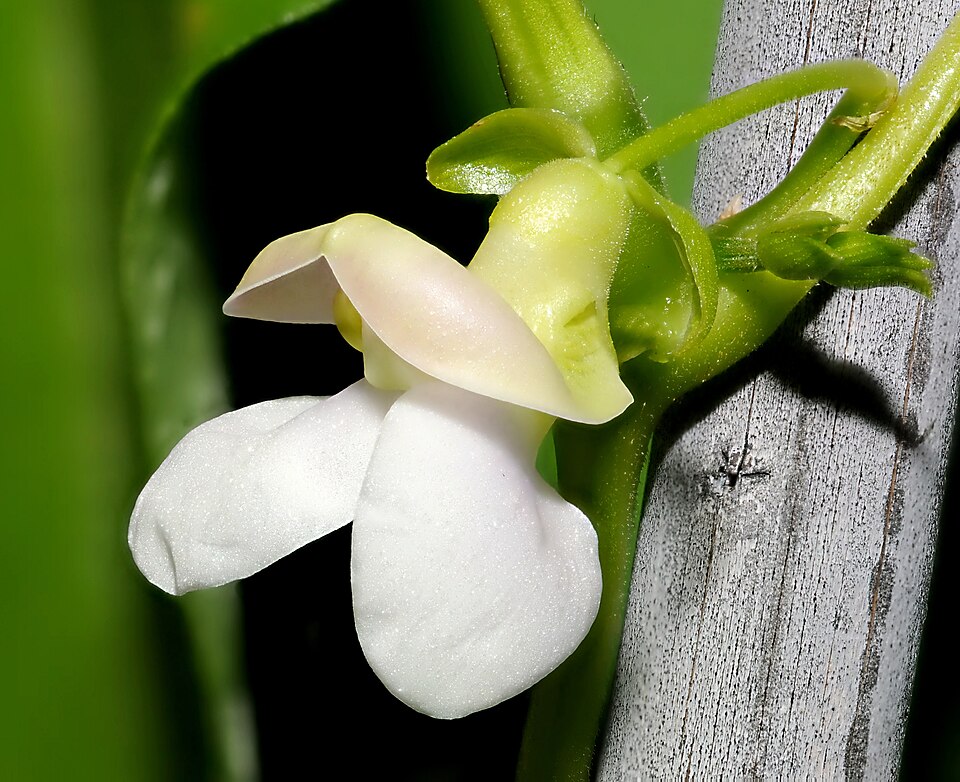
- white, pink, purple
- Food Forest:
- Contains edible parts
Wildlife Benefits
- Bees:
- ★☆☆☆☆ Documented bee visitation (GBIF)
- Butterflies & Moths:
- ★★★★☆ Documented Lepidoptera association (GBIF)
- Caterpillars:
- ★★★★★ Recorded caterpillar host plant (HOSTS Database)
Host Plant for Caterpillars
Alfalfa Looper (Autographa californica), Ancylostomia stercorea, Armyworm moth (Pseudaletia unipuncta), Autoplusia egena, Bean pod borer (Maruca vitrata), bean shoot borer (Eucosma aporema), beet armyworm (Spodoptera exigua), Beet Webworm (Loxostege sticticalis), Bertha armyworm (Mamestra configurata), Black cutworm (Agrotis ipsilon), Cabbage looper (Trichoplusia ni), Celery leaftier (Udea rubigalis), Celery Looper (Anagrapha falcifera), Chevron (Eulithis testata), clandestine dart (Spaelotis clandestina), clover cutworm (Agrotis gladiaria), Common Pinkband (Ogdoconta cinereola), corn earworm (Helicoverpa zea), darksided cutworm (Euxoa messoria), dingy cutworm (Feltia jaculifera), Dysodia oculatana, European corn borer (Ostrinia nubilalis), Euxoa ochrogaster, Euxoa tessellata, Faint-spotted Palthis Moth (Palthis asopialis), Fall armyworm (Spodoptera frugiperda), Fall webworm (Hyphantria cunea), garden webworm moth (Achyra rantalis), glassy cutworm (Apamea devastator), Gothic dart (Feltia subgothica), Green Cloverworm Moth (Hypena scabra), Indian meal moth (Plodia interpunctella), Io moth (Automeris io), kidney-spotted minor (Lacinipolia renigera), lesser cornstalk borer (Elasmopalpus lignosellus), Lobed Looper Moth (Megalographa biloba), nutmeg (Discestra trifolii), Obliquebanded leafroller (Choristoneura rosaceana), Old Man Dart (Agrotis vetusta), Pulse pod borer (Etiella zinckenella), rascal dart moth (Agrotis malefida), rice moth (Corcyra cephalonica), Richia albicosta, Salt Marsh Moth (Estigmene acrea), Smeared Dagger Moth (Acronicta oblinita), Southern armyworm (Spodoptera eridania), Soybean Looper (Pseudoplusia includens), stalk borer moth (Papaipema nebris), Striped Garden Caterpillar Moth (Trichordestra legitima), underworld dart (Agrotis subterranea), velvetbean caterpillar (Anticarsia gemmatalis), Virginia Tiger Moth (Spilosoma virginica), Western yellowstriped armyworm (Spodoptera praefica), Yellow-striped armyworm (Spodoptera ornithogalli), zebra caterpillar moth (Melanchra picta), Cassius Blue (Leptotes cassius), Gray Hairstreak (Strymon melinus), Long-tailed Skipper (Urbanus proteus), Plain Longtail (Urbanus simplicius), Silver-spotted Skipper (Epargyreus clarus), Variegated Fritillary (Euptoieta claudia)
Reported Fauna Sightings
Bees: American bumble bee (Bombus pensylvanicus)
Garden & Ecology Notes
- Wildlife Value:
- bees, butterflies
Soil Requirements
- Soil Type:
- rich, well-drained loamy soil
- pH:
- 6.0 - 7.5 (slightly acidic to neutral)
- Drainage:
- excellent drainage required
- Moisture:
- consistently moist
- Notes:
- Prefers fertile soils with good organic content
Propagation & Germination
- Stratification:
- None required
- Germination Time:
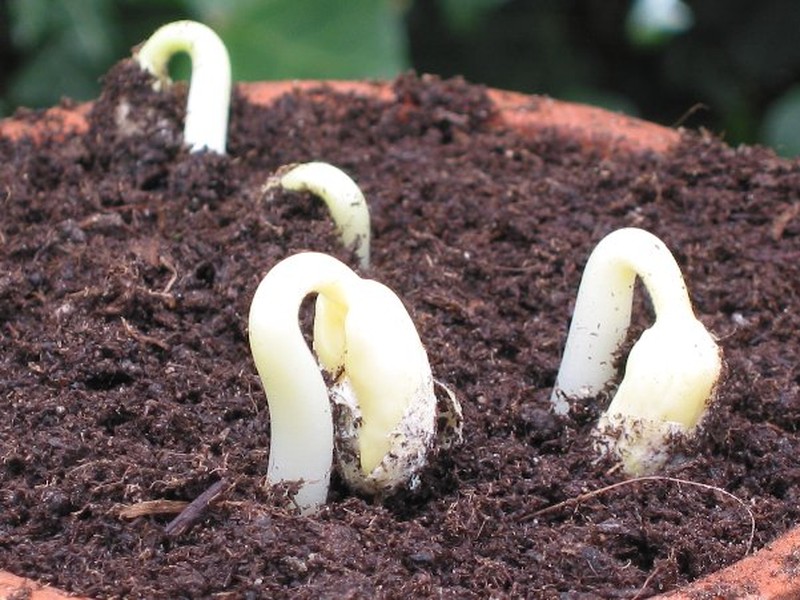
- 5–10 days
- Notes:
- Seeds germinate quickly in warm soil (18-30°C); no pretreatment needed.
ORGHPS Germination Guide: Sow @ 20C. Germinates within 3 months.
Where to Buy
Nationwide Seller
- Sheffield's Seed (seeds)