
Florida Fishpoison Tree
Piscidia piscipula
- Native to:
- Bahamas, Belize, Cayman Is., Cuba, Dominican Republic, Guam, Guatemala, Honduras, Jamaica, Mexico, Panamá, Southwest Caribbean, United States, Venezuelan Antilles, Virgin Islands
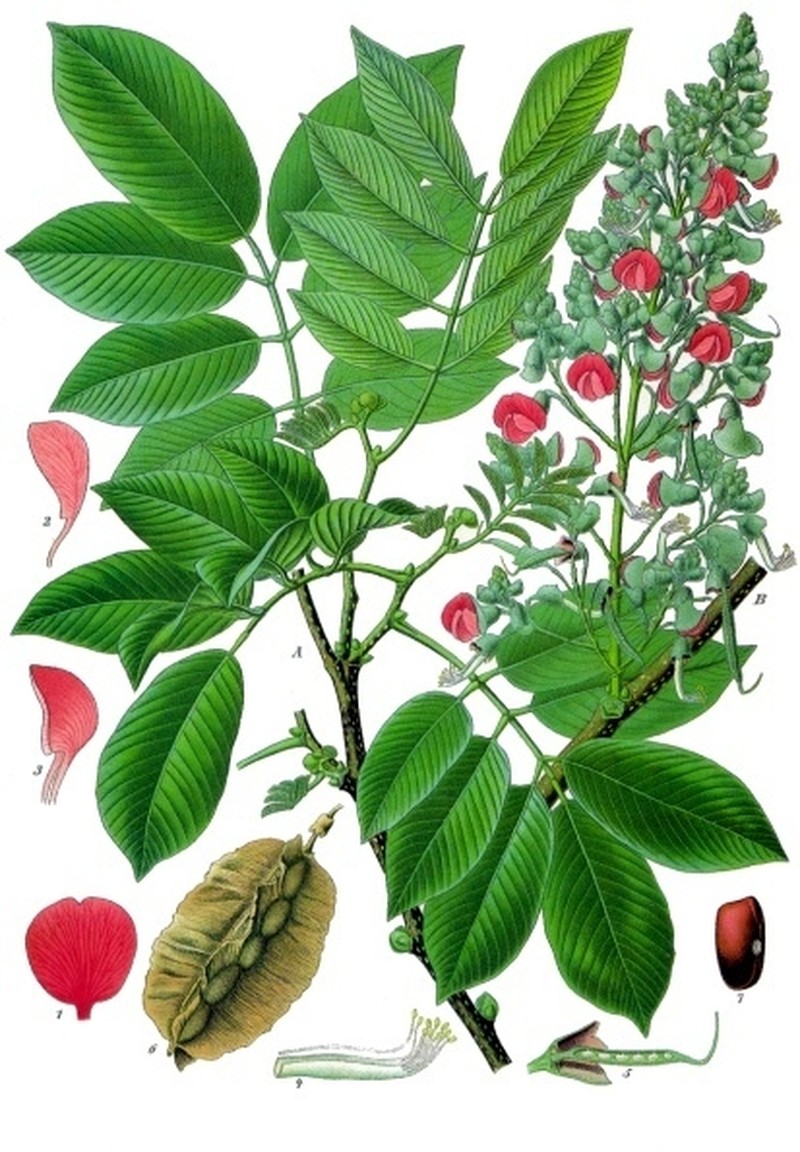
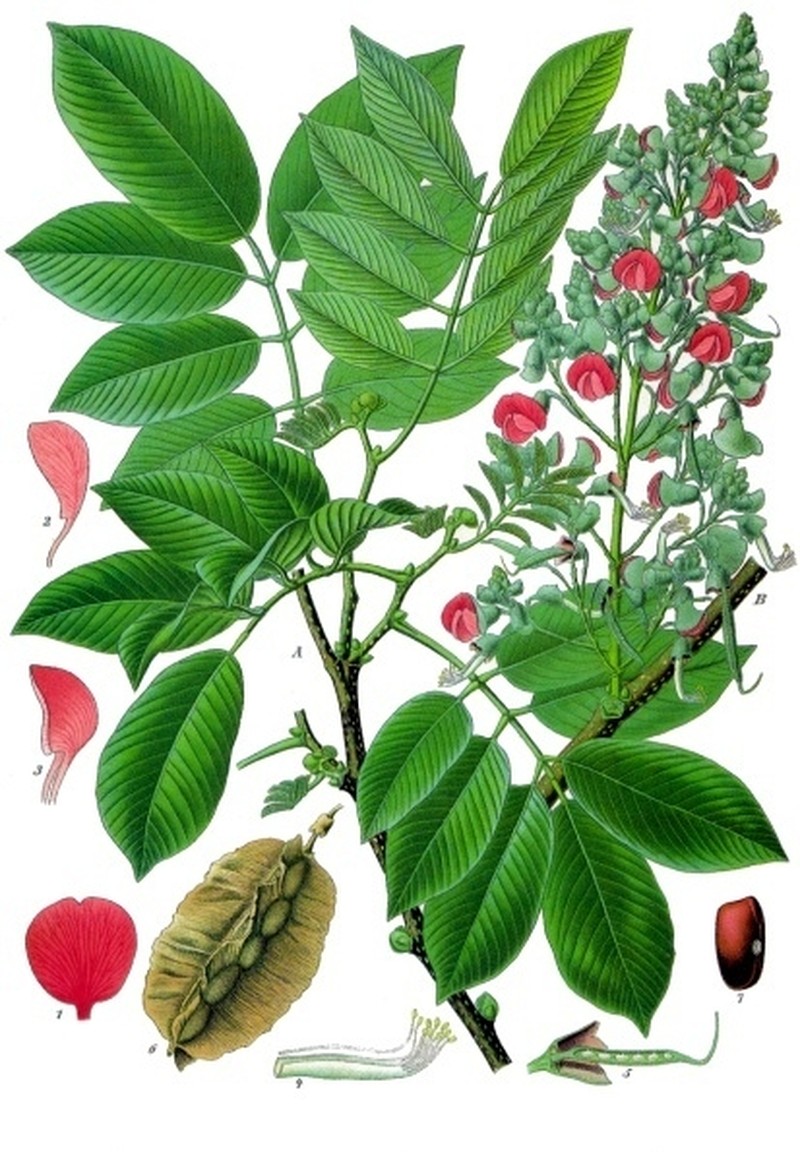
Franz Eugen Köhler, Köhler's Medizinal-Pflanzen
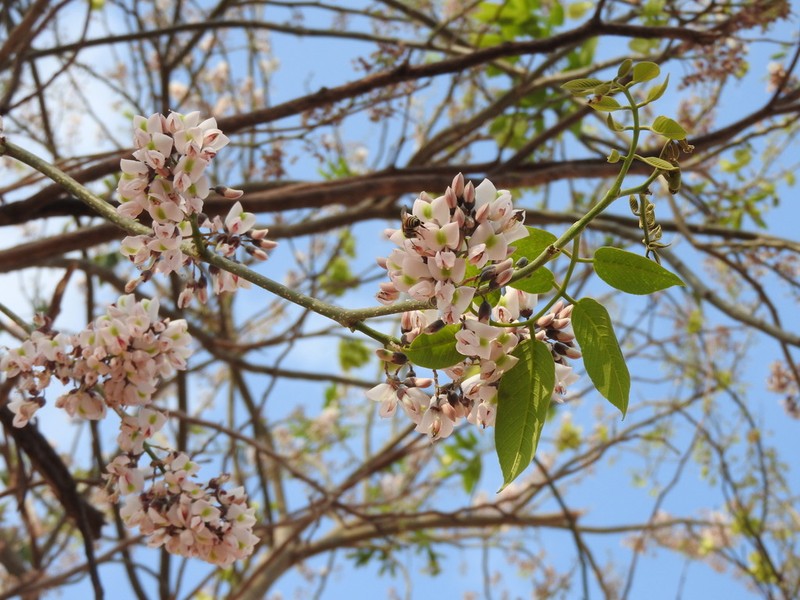
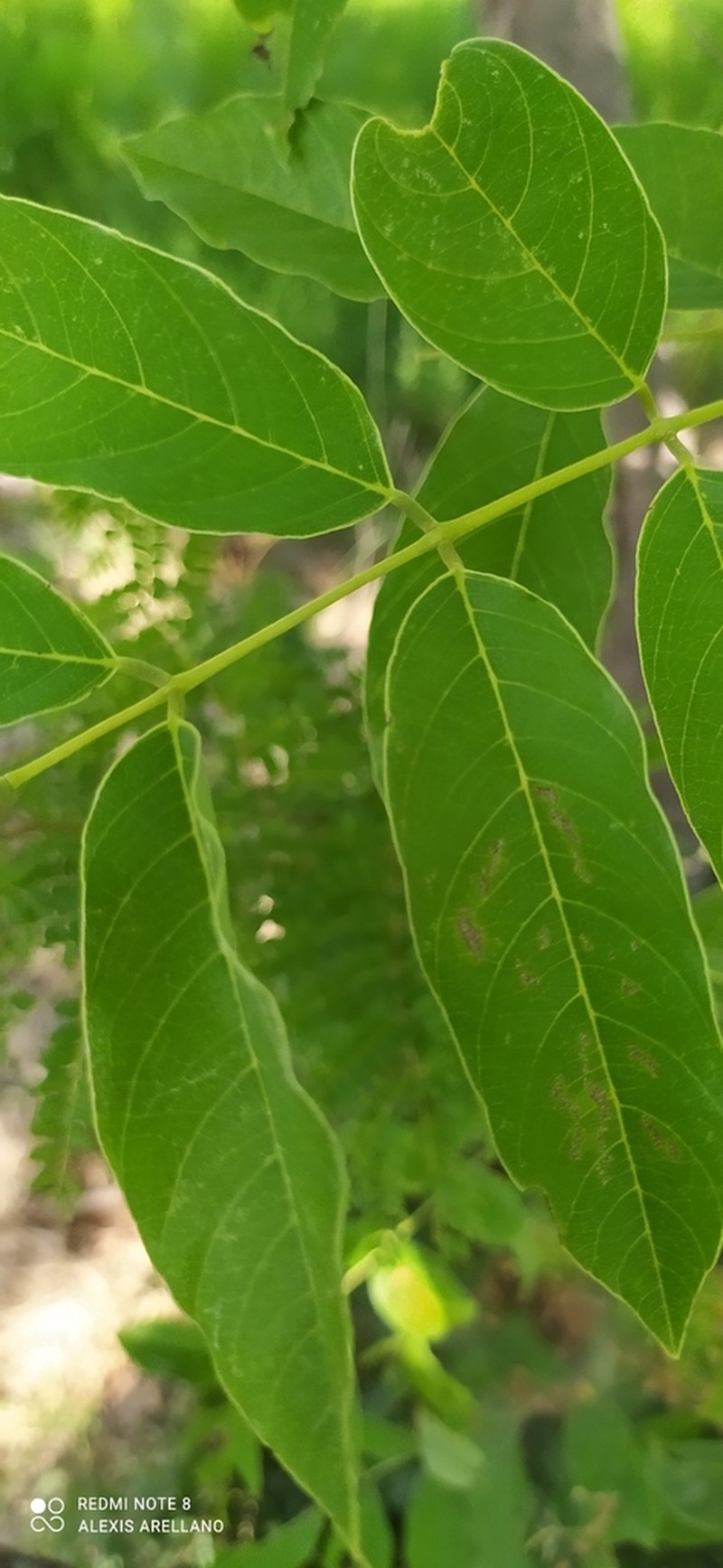
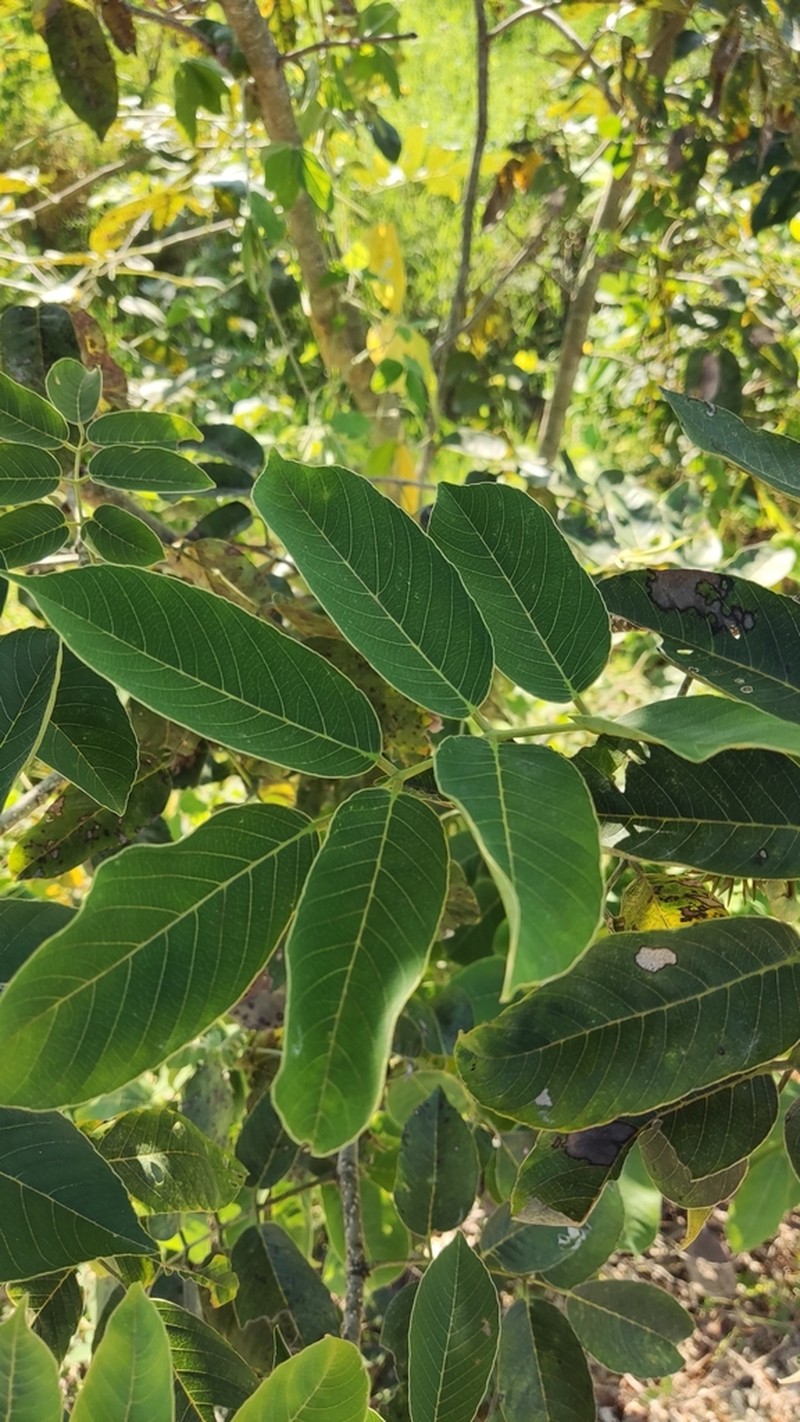
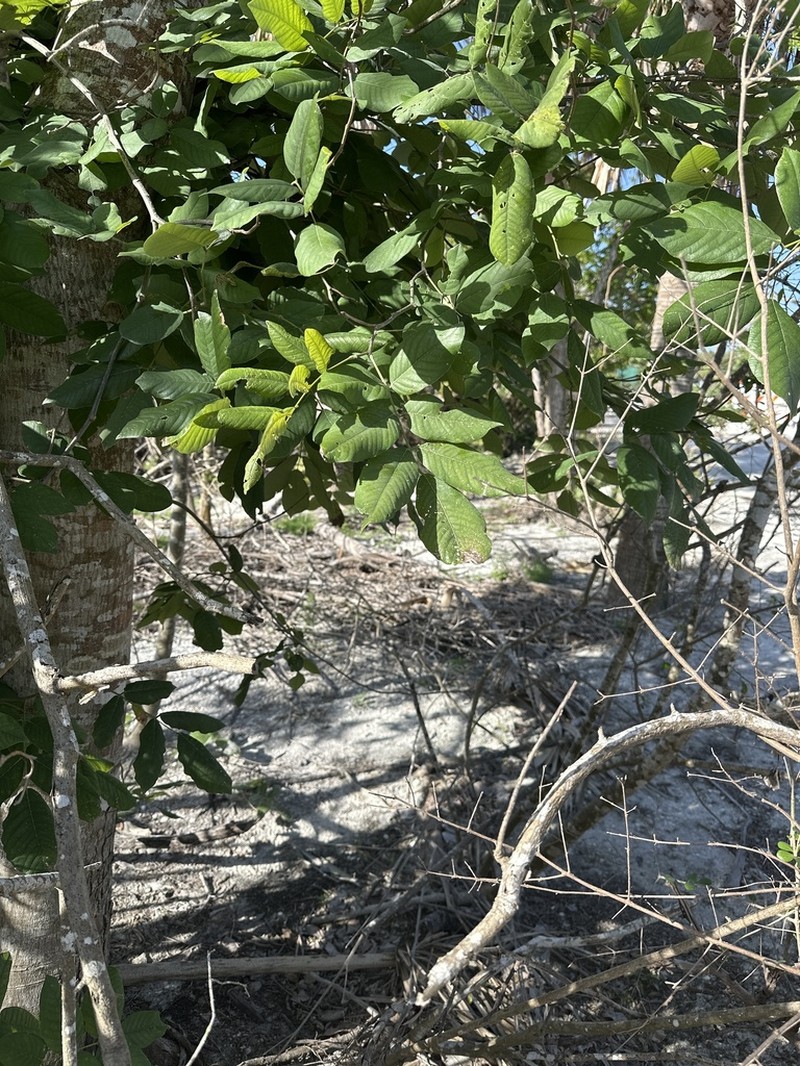
Taxonomy
- Division:
- Magnoliophyta | - Flowering plants
- Family:
- Fabaceae
- Genus:
- Piscidia
- Species:
- Piscidia piscipula
- USDA Symbol:
- PIPI3
Growth Characteristics
- Life Cycle:
- Perennial
- Growth Habit:
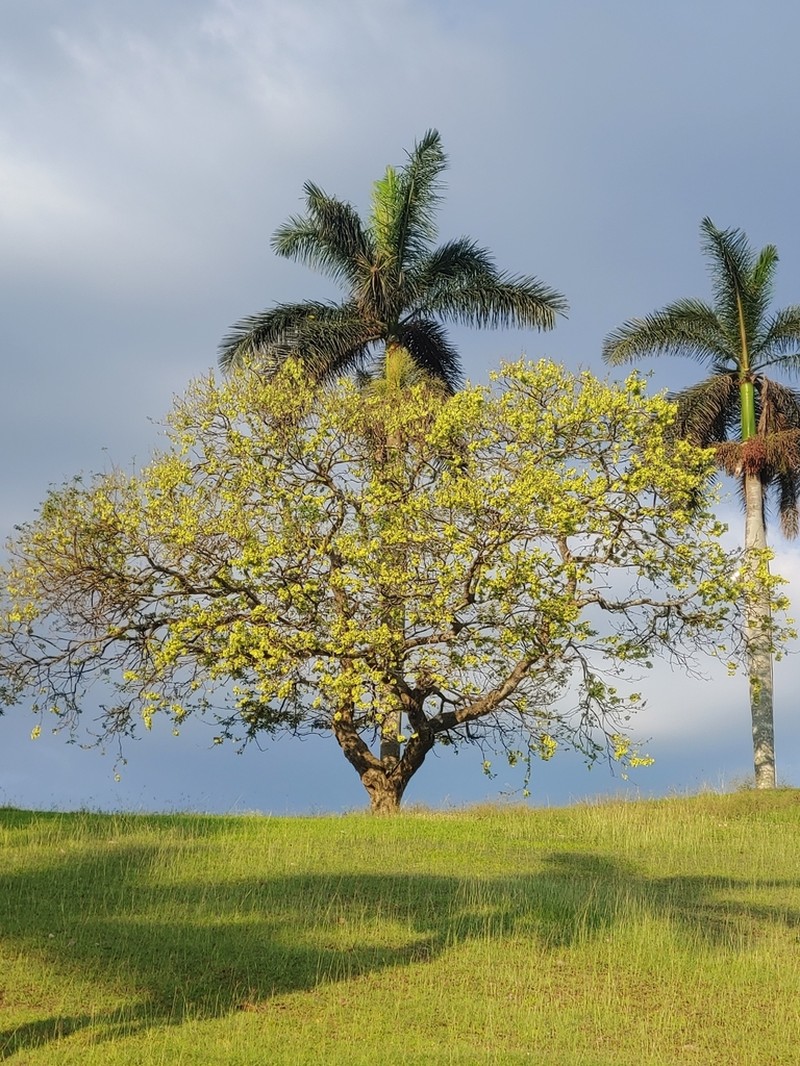
- Shrub , Tree
- Height:
- 1500 cm
- Light Requirements:
- Full Sun,Part Shade
- Drought Tolerance:
- High
- Bloom Months:
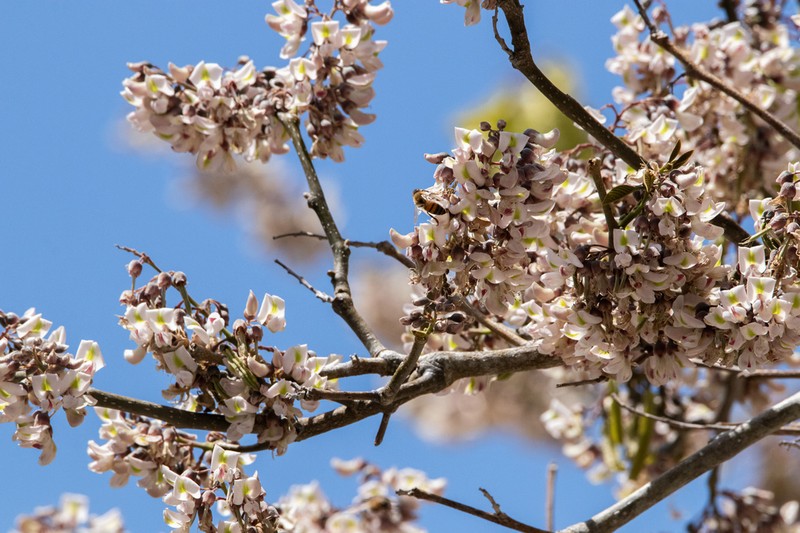
- mar,apr,may
- Bloom Colors:
- white, pink
Wildlife Benefits
- Butterflies & Moths:
- ★★☆☆☆ Documented Lepidoptera association (GBIF)
- Caterpillars:
- ★☆☆☆☆ Recorded caterpillar host plant (HOSTS Database)
- Hummingbirds:
- ★☆☆☆☆ Documented hummingbird visits (GBIF)
Host Plant for Caterpillars
Io moth (Automeris io), Leucanthiza sp., 🛑Hawaiian Leafwing (Polygonus leo)
Reported Fauna Sightings
Butterflies:Polygonus histrio
Garden & Ecology Notes
- Wildlife Value:
- birds, butterflies, small mammals
- Salt Tolerant:
- Yes
- Fragrant:
- Yes
Soil Requirements
- Soil Type:
- sandy, well-drained, nutrient-poor soil
- pH:
- 6.0 - 8.0 (neutral to slightly alkaline)
- Drainage:
- excellent drainage required
- Moisture:
- dry to moderate
- Notes:
- Commonly found in coastal areas and limestone-based soils
Propagation & Germination
- Scarification:
- Seed coat scarification required before sowing
- Notes:
- Seeds require scarification (nicking or hot water treatment) to break physical dormancy.