
Monkeypod
Pithecellobium dulce
- Native to:
- Belize, Colombia, El Salvador, Guam, Guatemala, Guyana, Honduras, Mexico, Nicaragua, Palau, Panamá, Peru, U.S. Minor Outlying Islands, Venezuela
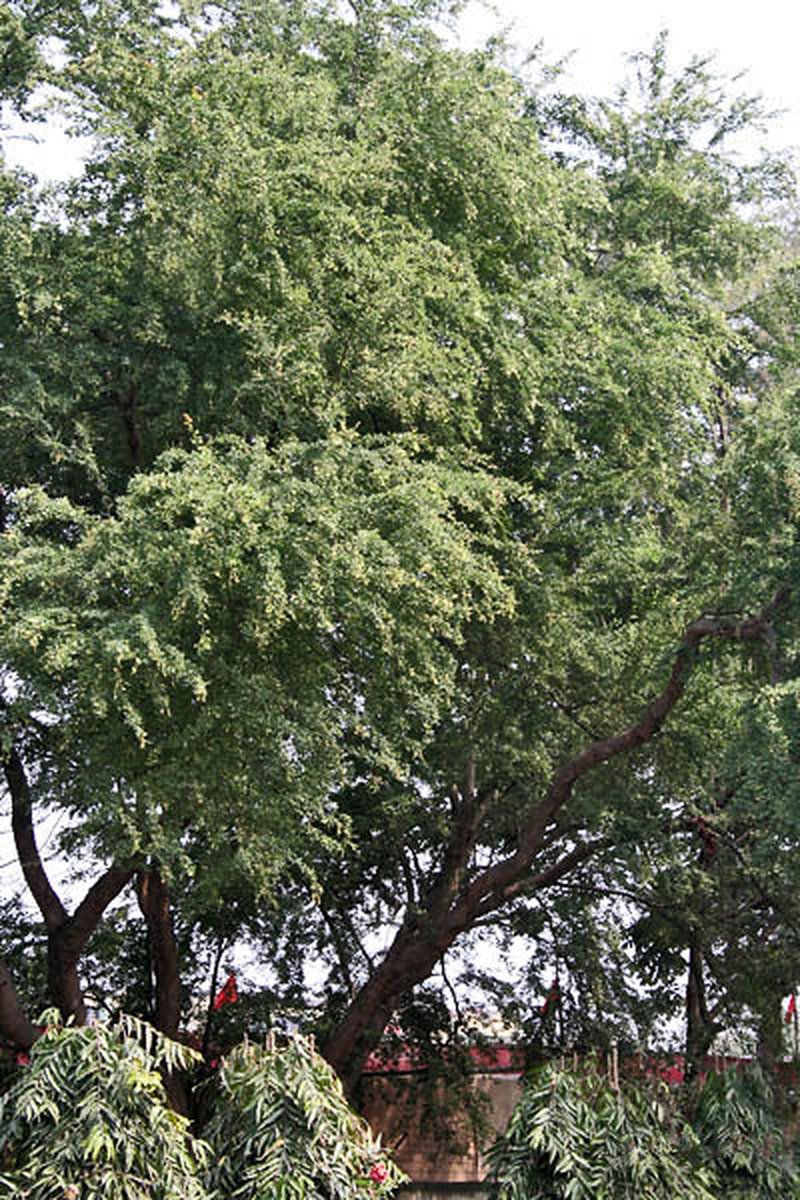
Krzysztof Ziarnek, Kenraiz
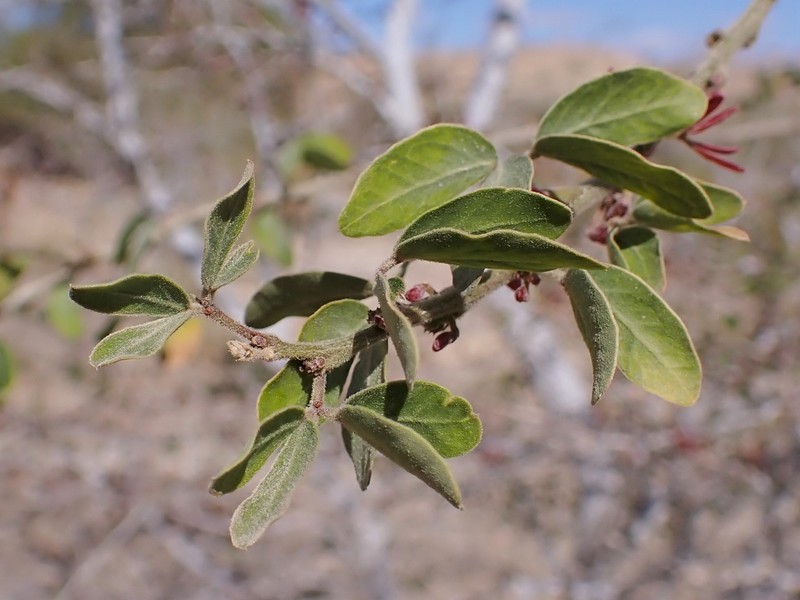
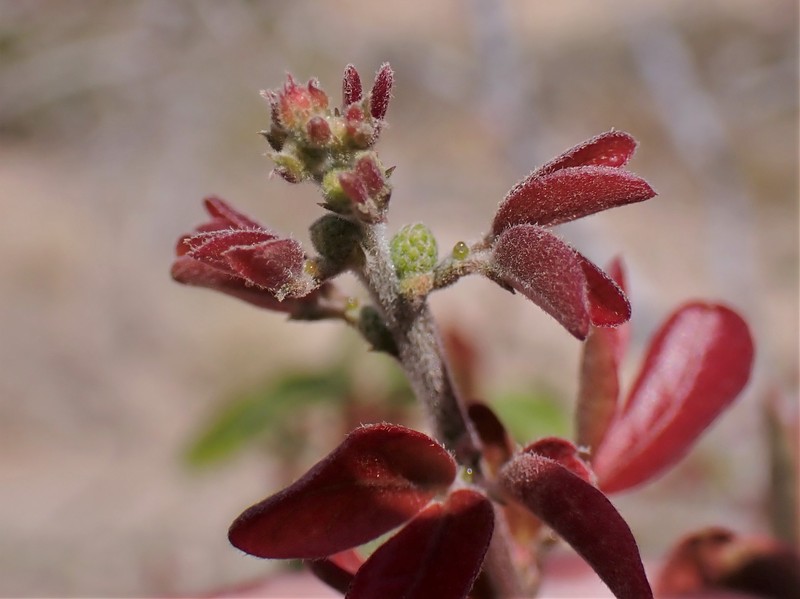
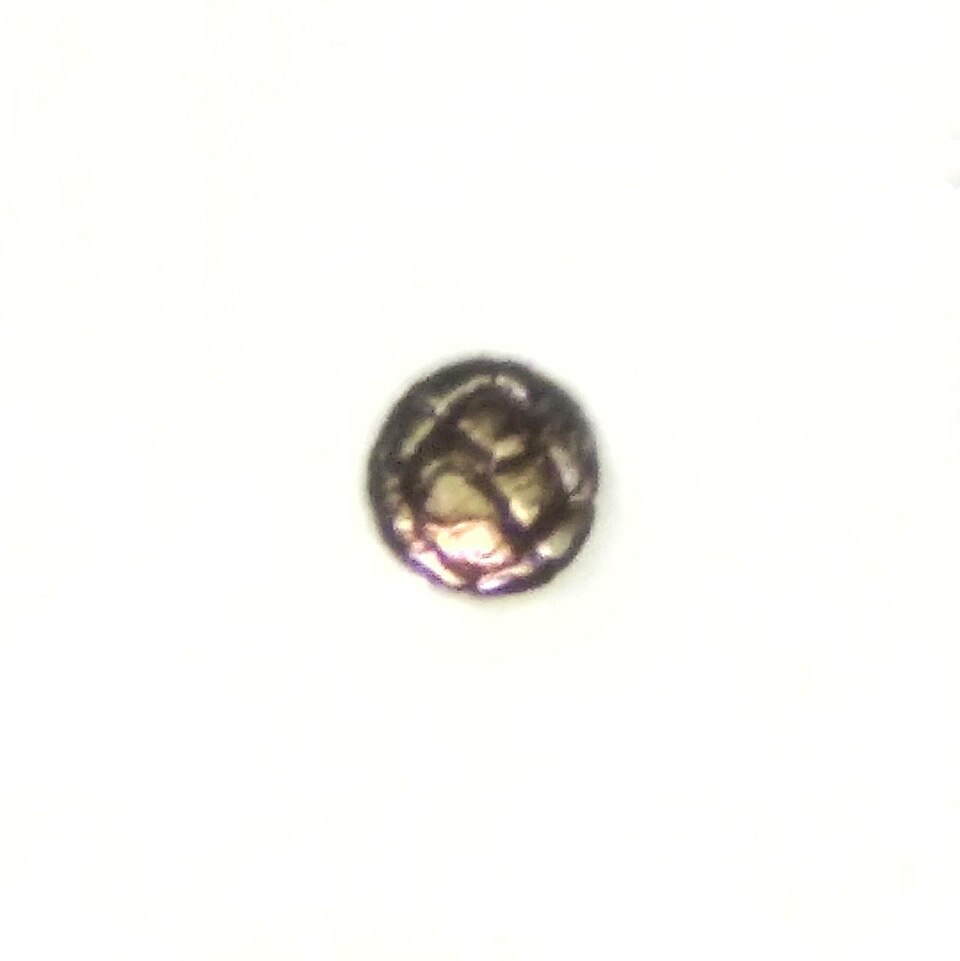
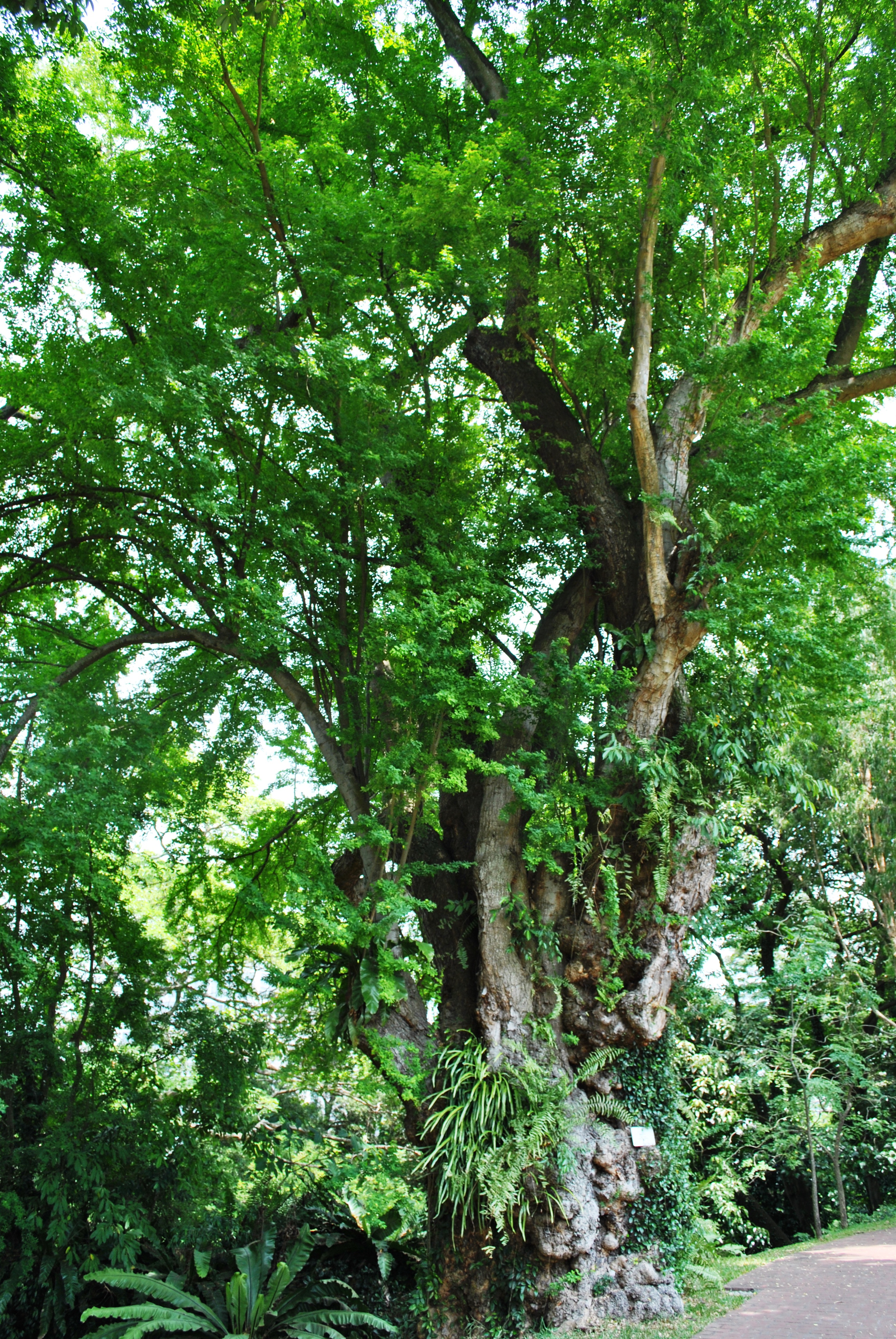

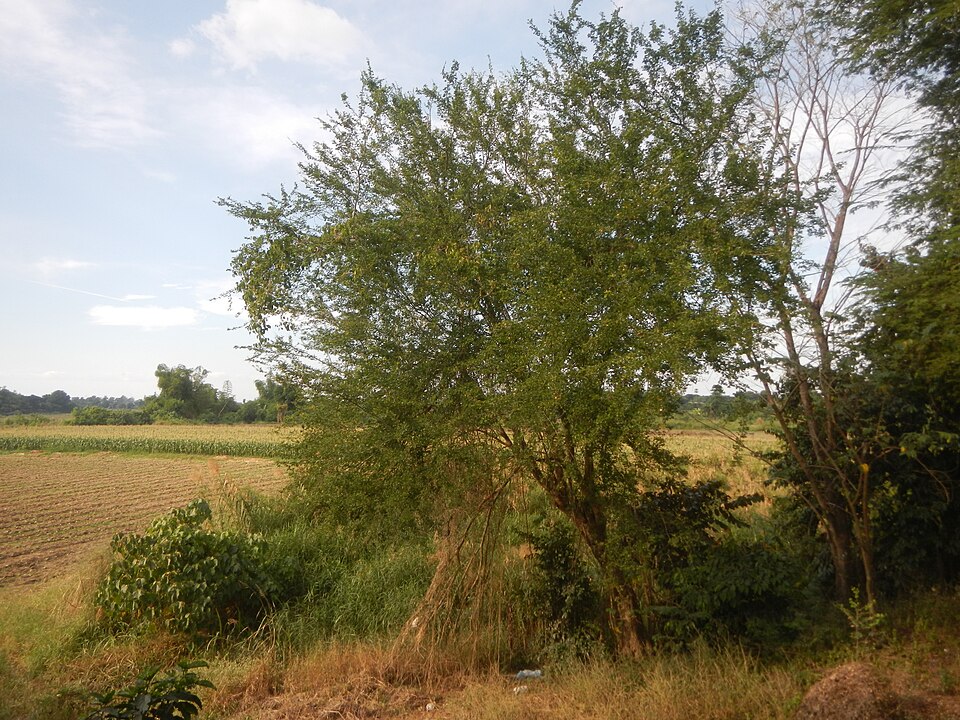
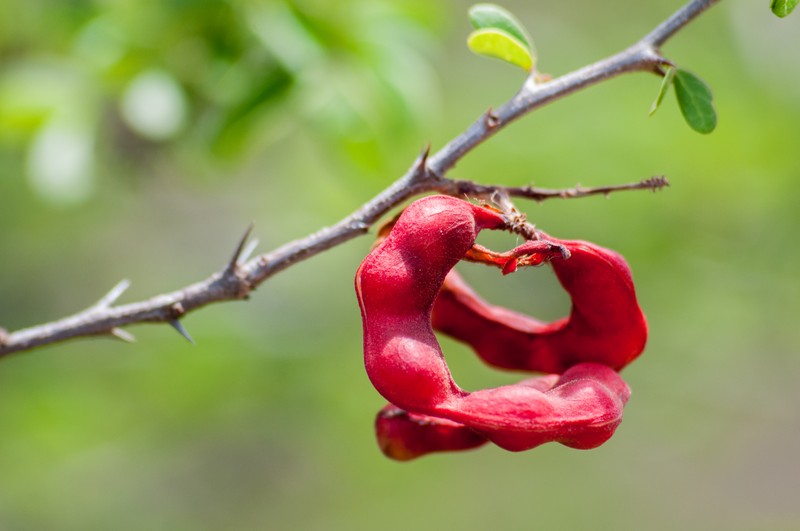
Taxonomy
- Division:
- Magnoliophyta | - Flowering plants
- Family:
- Fabaceae
- Genus:
- Pithecellobium
- Species:
- Pithecellobium dulce
- USDA Symbol:
- PIDU
Growth Characteristics
- Life Cycle:
- Perennial
- Growth Habit:
- Shrub , Tree
- Height:
- 1500 cm
- Light Requirements:
- Full Sun
- Drought Tolerance:
- High
- Bloom Months:
- mar,apr,may,jun
- Bloom Colors:
- white, greenish-white
Wildlife Benefits
- Butterflies & Moths:
- ★★☆☆☆ Documented Lepidoptera association (GBIF)
- Caterpillars:
- ★★☆☆☆ Recorded caterpillar host plant (HOSTS Database)
- Hummingbirds:
- ★☆☆☆☆ Documented hummingbird visits (GBIF)
Host Plant for Caterpillars
almond moth (Cadra cautella), Carob moth (Ectomyelois ceratoniae), Cydia largo, Selenisa sueroides, Red-bordered pixie (Melanis pixe)
Reported Fauna Sightings
Butterflies:Clytie hairstreak (Ministrymon clytie), Marius Hairstreak (Rekoa marius), Red-bordered pixie (Melanis pixe)
Garden & Ecology Notes
- Wildlife Value:
- birds, mammals
- Salt Tolerant:
- Yes
Soil Requirements
- Soil Type:
- well-drained, sandy loam soil
- pH:
- 6.0 - 8.0 (slightly acidic to neutral)
- Drainage:
- excellent drainage required
- Moisture:
- dry to moderate
- Notes:
- native to arid and semi-arid regions
Propagation & Germination
- Scarification:
- Seed coat scarification required before sowing
- Germination Time:
- 7–30 days
- Notes:
- Seeds require scarification (nicking or hot water treatment) to break hard seed coat; germination occurs within 1-4 weeks.