
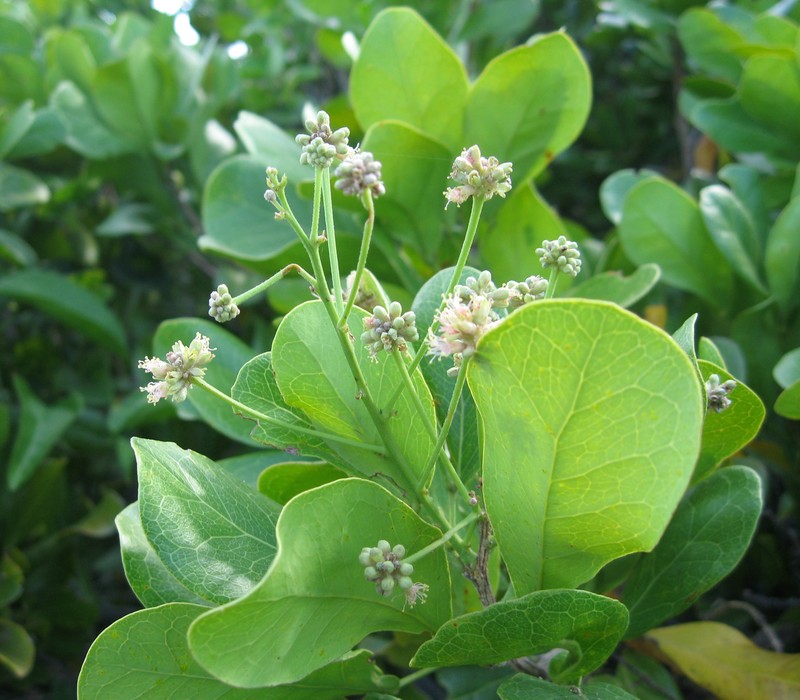
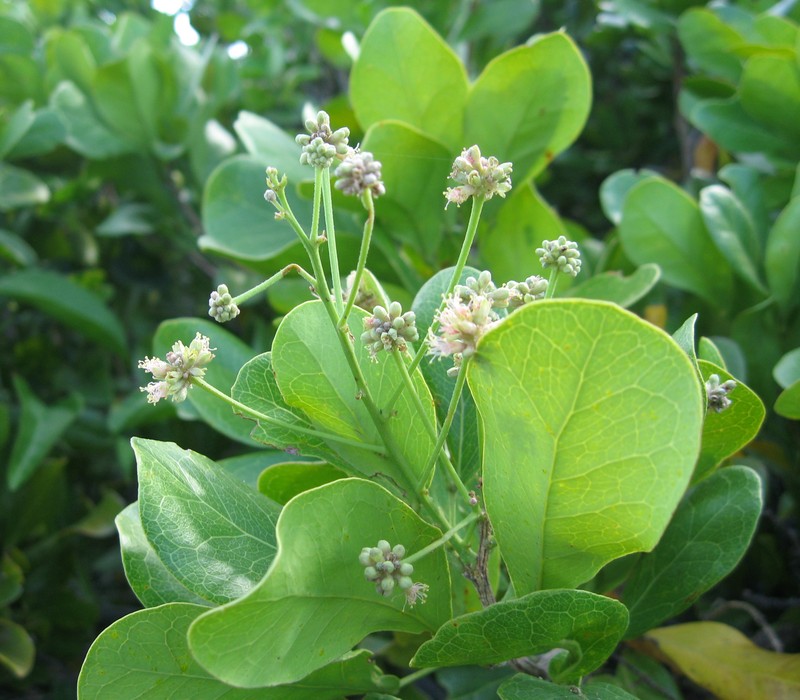
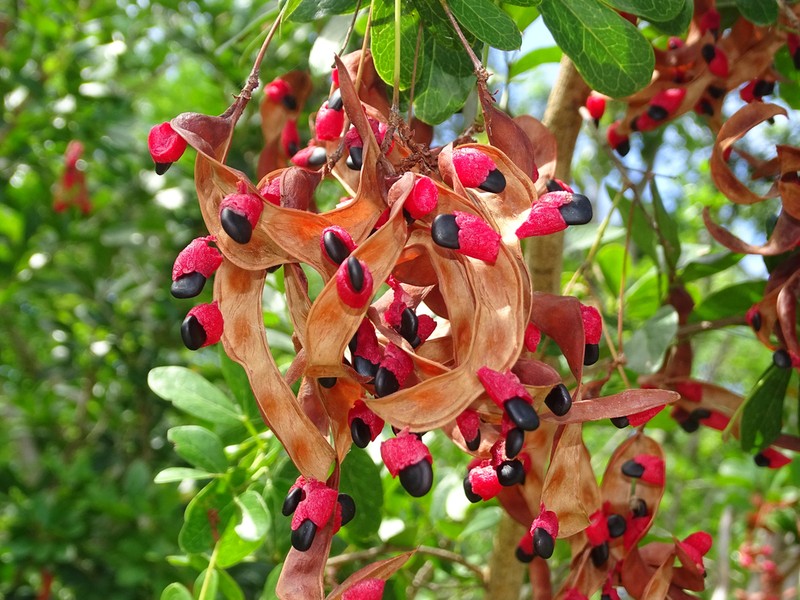
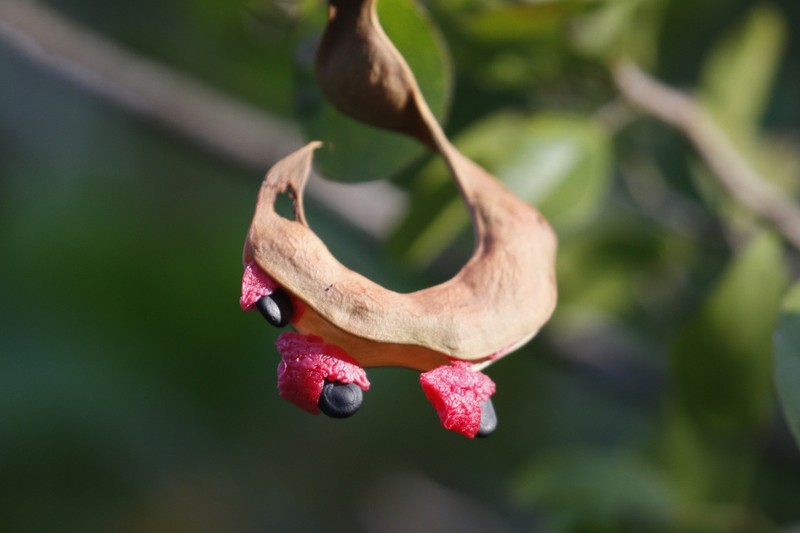
Florida Keys Blackbead
Pithecellobium keyense
- Native to:
- Bahamas, Belize, Cuba, Guam, Guatemala, Mexico, Turks-Caicos Is., United States
Mason Brock (Masebrock)
Taxonomy
- Division:
- Magnoliophyta | - Flowering plants
- Family:
- Fabaceae
- Genus:
- Pithecellobium
- Species:
- Pithecellobium keyense
- USDA Symbol:
- PIKE
Growth Characteristics
- Life Cycle:
- Perennial
- Growth Habit:
- Shrub , Tree
- Height:
- 300 cm
- Light Requirements:
- Full Sun
- Drought Tolerance:
- High
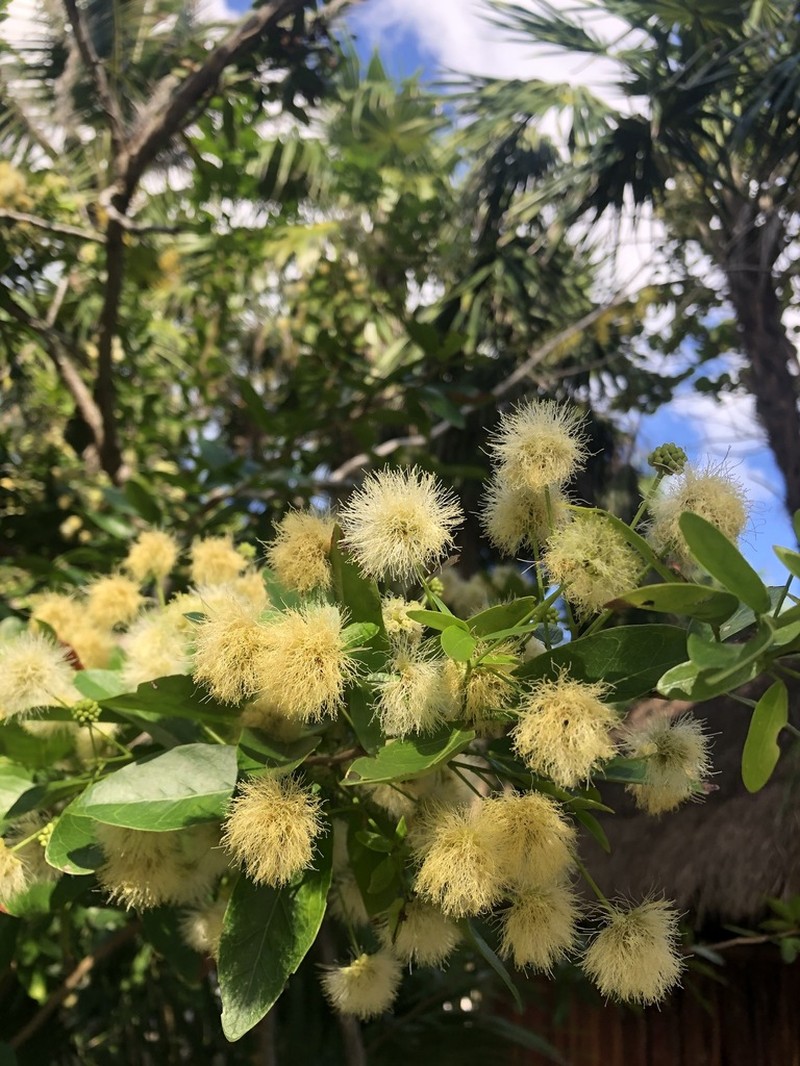
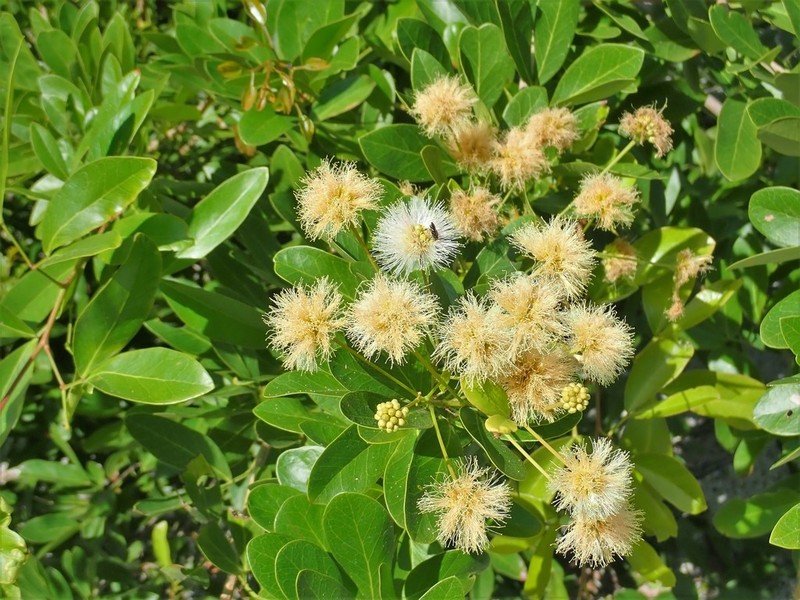
- Bloom Months:
- apr,may,jun,jul,aug,sep
- Bloom Colors:
- white, pink
- Landscaping Shrub:
- Yes
Wildlife Benefits
- Butterflies & Moths:
- ★★★★★ Documented Lepidoptera association (GBIF)
- Caterpillars:
- ★☆☆☆☆ Recorded caterpillar host plant (HOSTS Database)
Host Plant for Caterpillars
Large Orange Sulphur (Phoebis agarithe)
Reported Fauna Sightings
Moths:Eucosmophora pithecellobiae
Garden & Ecology Notes
- Wildlife Value:
- birds, butterflies, small mammals
- Salt Tolerant:
- Yes
- Fragrant:
- Yes
Soil Requirements
- Soil Type:
- sandy, nutrient-poor, well-drained soil
- pH:
- 6.0 - 7.5 (slightly acidic to neutral)
- Drainage:
- excellent drainage required
- Moisture:
- dry to moderate
- Notes:
- native to coastal areas, tolerates saline conditions
Propagation & Germination
- Stratification:
- Warm stratification required — 30–60 days
- Scarification:
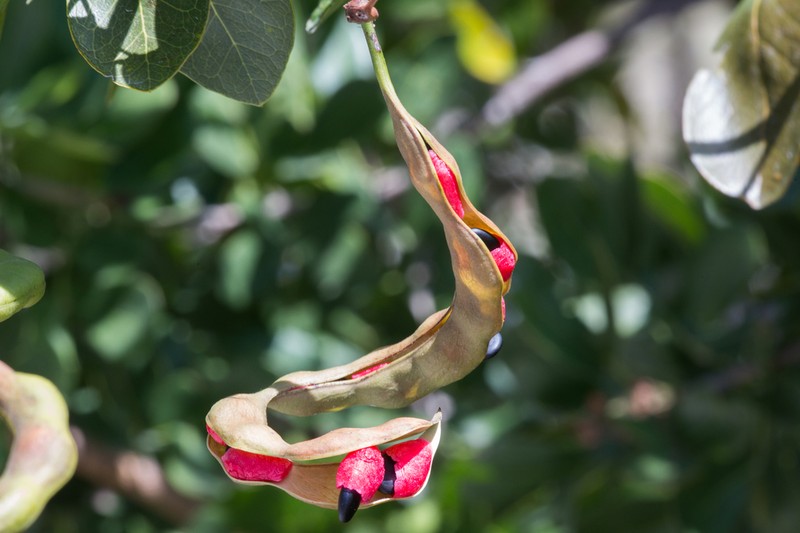
- Seed coat scarification required before sowing
- Germination Time:
- 14–60 days
- Notes:
- Seeds require scarification (nicking or hot water) followed by warm stratification for 30-60 days.