
Catclaw Blackbead
Pithecellobium unguis-cati
- Native to:
- Aruba, Bahamas, Colombia, Costa Rica, Cuba, Dominican Republic, Guam, Guatemala, Haiti, Honduras, Jamaica, Leeward Is., Mexico, Netherlands Antilles, Nicaragua, Panamá, Puerto Rico, Trinidad-Tobago, Turks-Caicos Is., United States, Venezuela, Venezuelan Antilles, Virgin Islands, Windward Is.
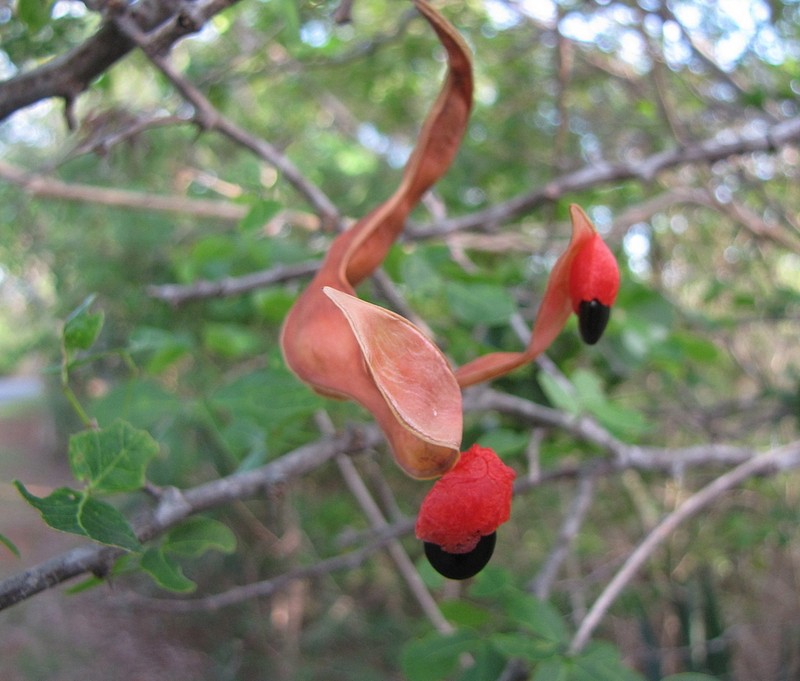
iNaturalist: © langli (iNaturalist #191105502)
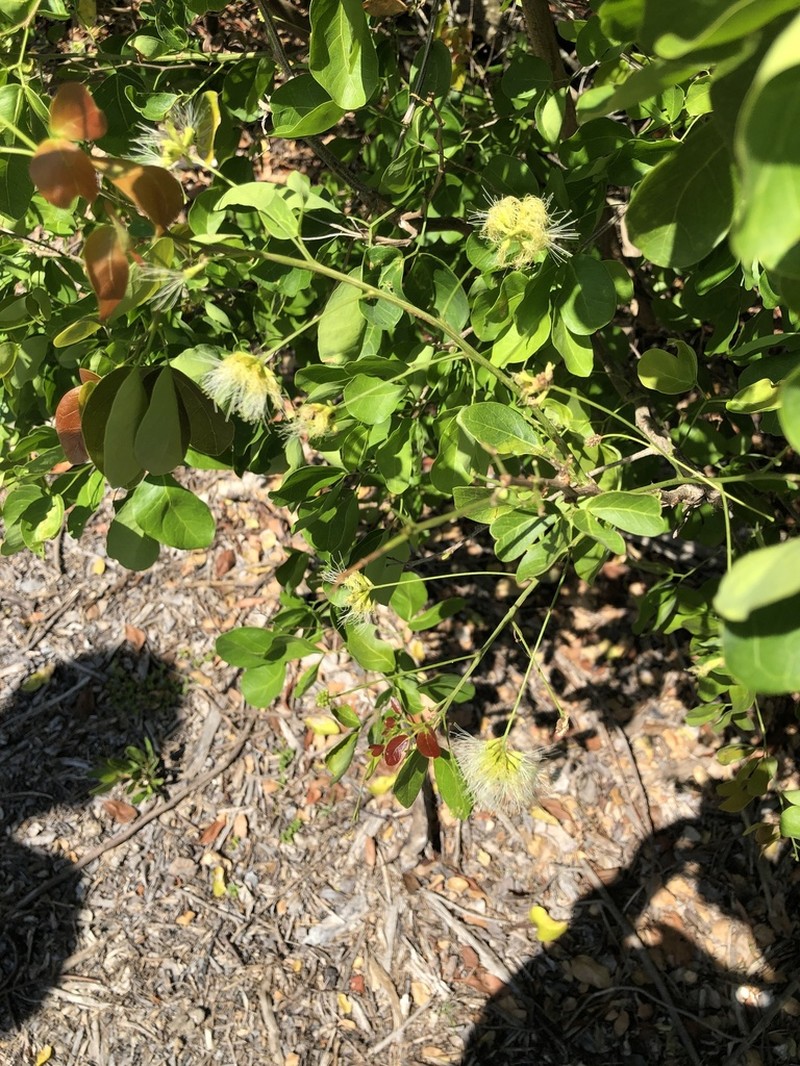
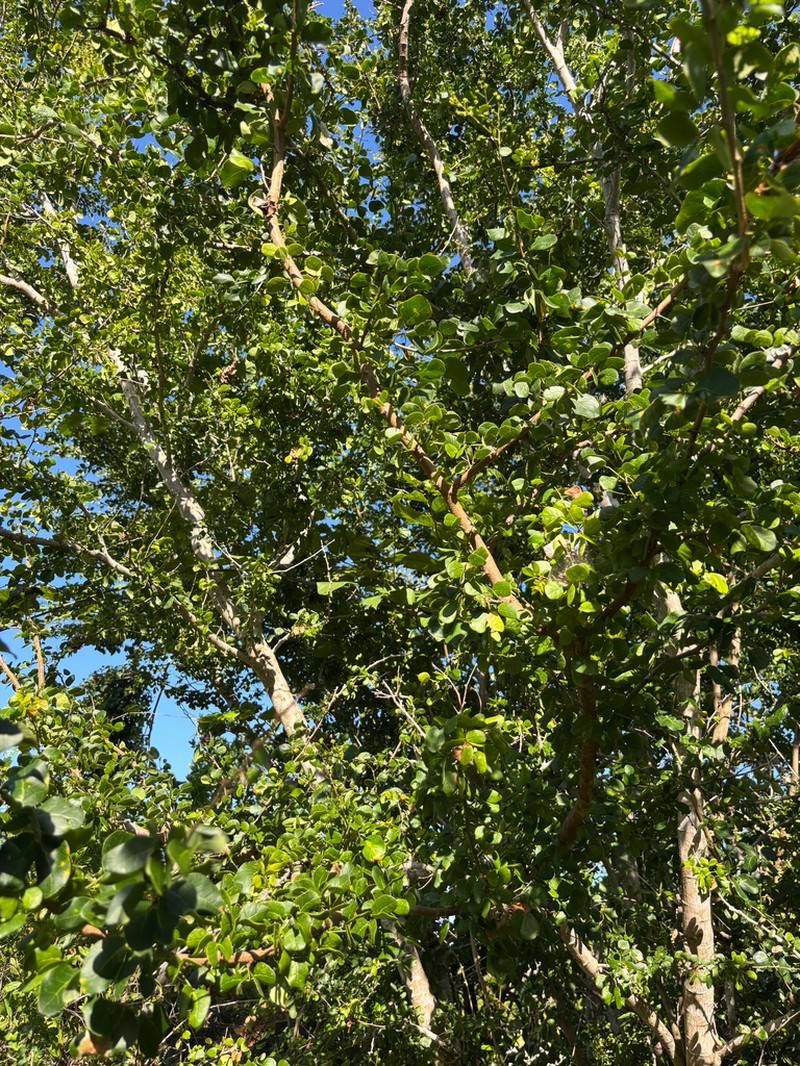
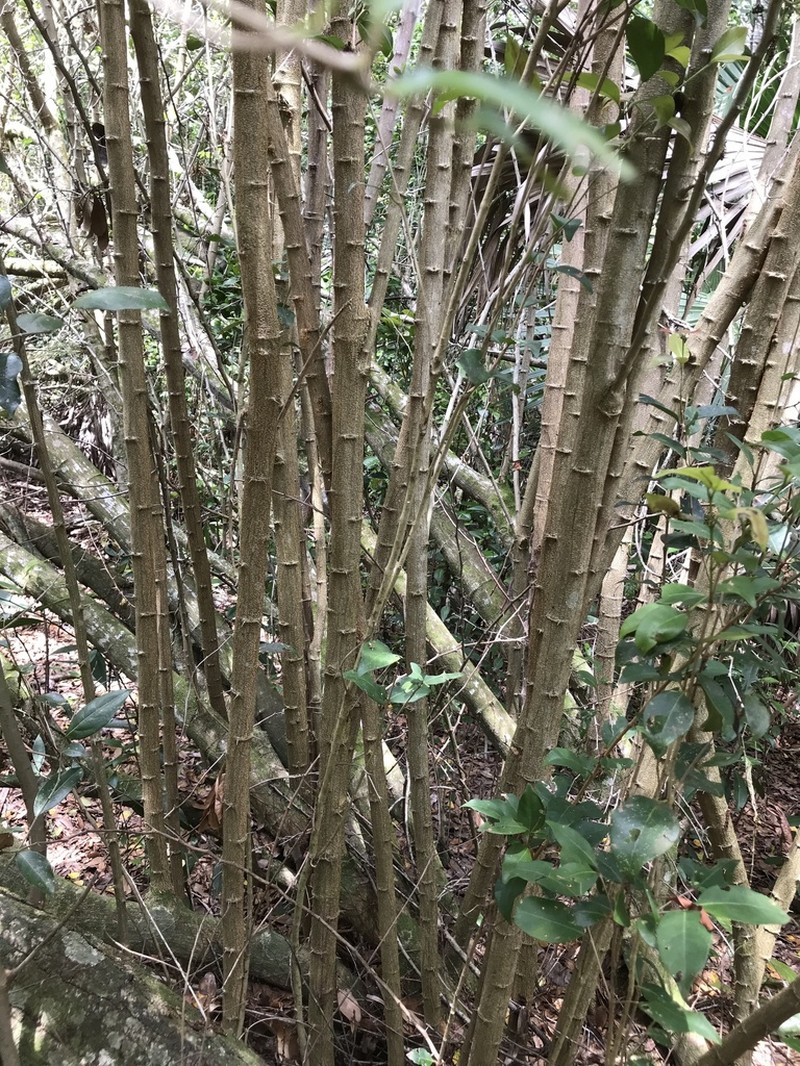
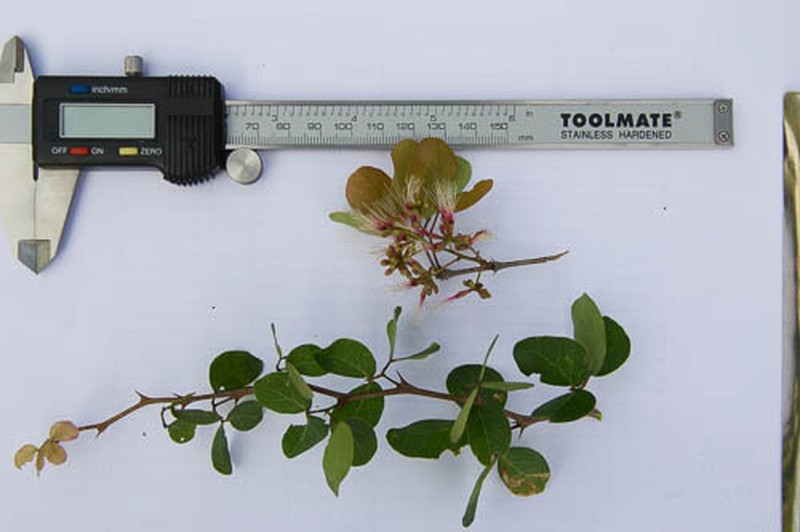
Taxonomy
- Division:
- Magnoliophyta | - Flowering plants
- Family:
- Fabaceae
- Genus:
- Pithecellobium
- Species:
- Pithecellobium unguis-cati
- USDA Symbol:
- PIUN
Growth Characteristics
- Life Cycle:
- Perennial
- Growth Habit:
- Shrub , Tree
- Height:
- 900 cm
- Light Requirements:
- Full Sun
- Drought Tolerance:
- High
- Bloom Months:
- mar,apr,may,jun
- Bloom Colors:
- white, pink
Wildlife Benefits
- Butterflies & Moths:
- ★★★☆☆ Documented Lepidoptera association (GBIF)
- Caterpillars:
- ★☆☆☆☆ Recorded caterpillar host plant (HOSTS Database)
Host Plant for Caterpillars
Black Witch Moth (Ascalapha odorata), Cydia flavicollis, Ithome aquila
Reported Fauna Sightings
Moths:Eucosmophora pithecellobiae
Garden & Ecology Notes
- Wildlife Value:
- birds, butterflies
- Deer Resistant:
- Yes
- Salt Tolerant:
- Yes
- Fragrant:
- Yes
Soil Requirements
- Soil Type:
- sandy, well-drained, nutrient-poor soil
- pH:
- 6.0 - 7.5 (slightly acidic to neutral)
- Drainage:
- excellent drainage required
- Moisture:
- dry to moderate
- Notes:
- native to arid and semi-arid regions
Propagation & Germination
- Scarification:
- Seed coat scarification required before sowing
- Notes:
- Seeds require scarification (nicking or hot water treatment) to break physical dormancy; germination occurs within 2-4 weeks after treatment.