
Least Snoutbean
Rhynchosia minima
- Native to:
- Afghanistan, Algeria, Angola, Argentina, Aruba, Australia, Bahamas, Bangladesh, Belize, Benin, Bolivia, Botswana, Brazil, Burkina, Burundi, Cameroon, Cape Verde, Cayman Is., Central African Republic, Chad, Chile, China, Colombia, Costa Rica, Cuba, Dominican Republic, DR Congo, Ecuador, Egypt, El Salvador, Eritrea, Eswatini, Ethiopia, French Guiana, Galápagos, Ghana, Guam, Guatemala, Gulf of Guinea Is., Gulf States, Guyana, Haiti, Honduras, India, Ivory Coast, Jamaica, Jawa, Kazan-retto, Kenya, Leeward Is., Lesser Sunda Is., Liberia, Madagascar, Malawi, Mali, Mauritania, Mexican Pacific Is., Mexico, Morocco, Mozambique, Myanmar, Namibia, Nansei-shoto, Navassa Island, Nepal, Netherlands Antilles, New Guinea, Nicaragua, Niger, Nigeria, Oman, Pakistan, Palestine, Panamá, Paraguay, Peru, Philippines, Puerto Rico, Rodrigues, Rwanda, Saudi Arabia, Senegal, Sierra Leone, Sinai, Socotra, Somalia, South Africa, South China Sea, Southwest Caribbean, Sri Lanka, Sudan-South Sudan, Suriname, Taiwan, Tanzania, Thailand, T
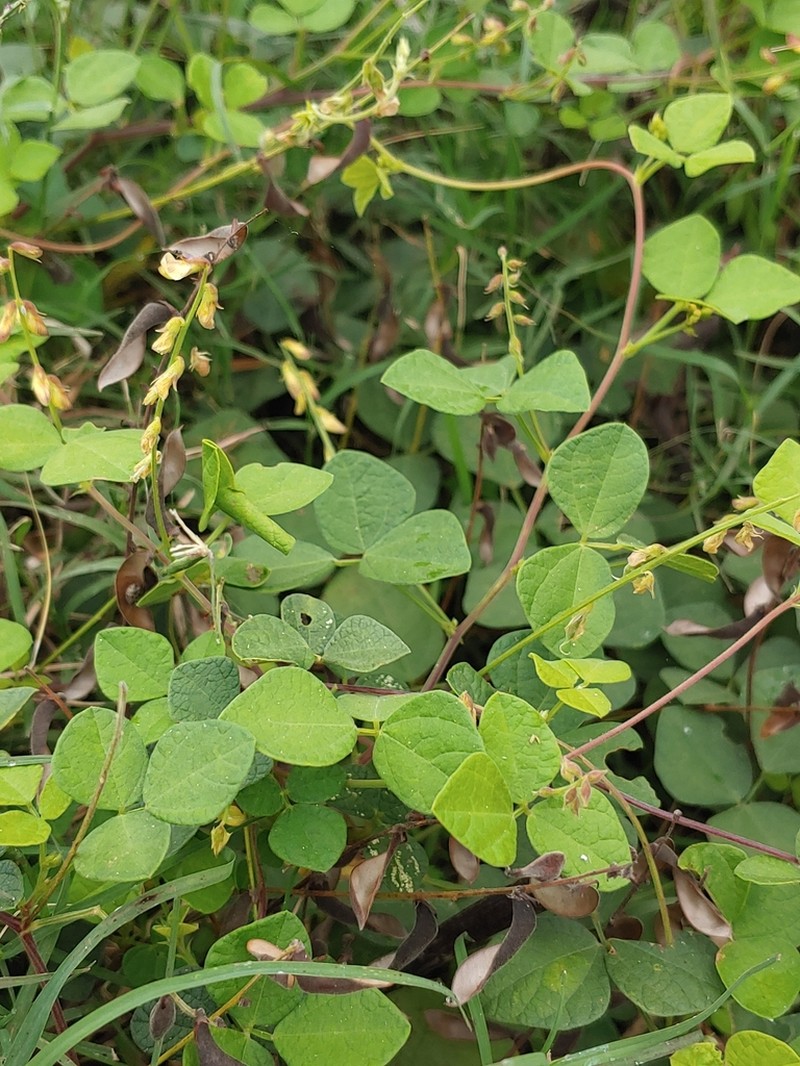
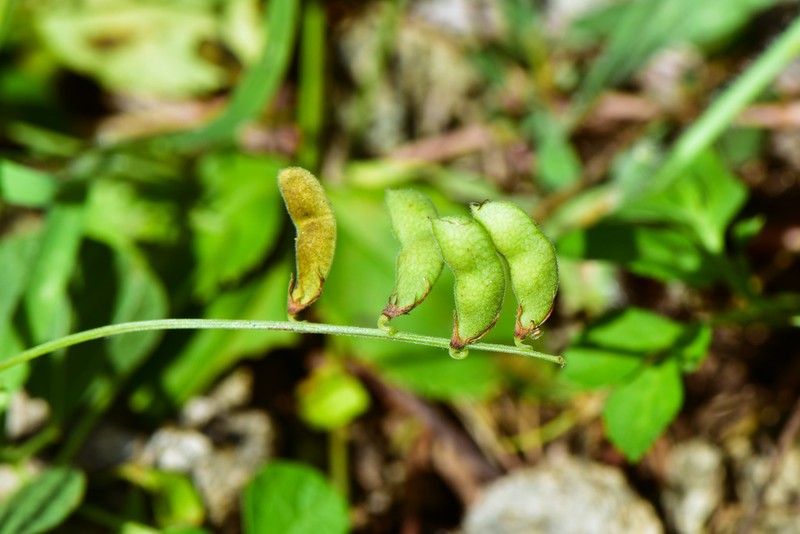
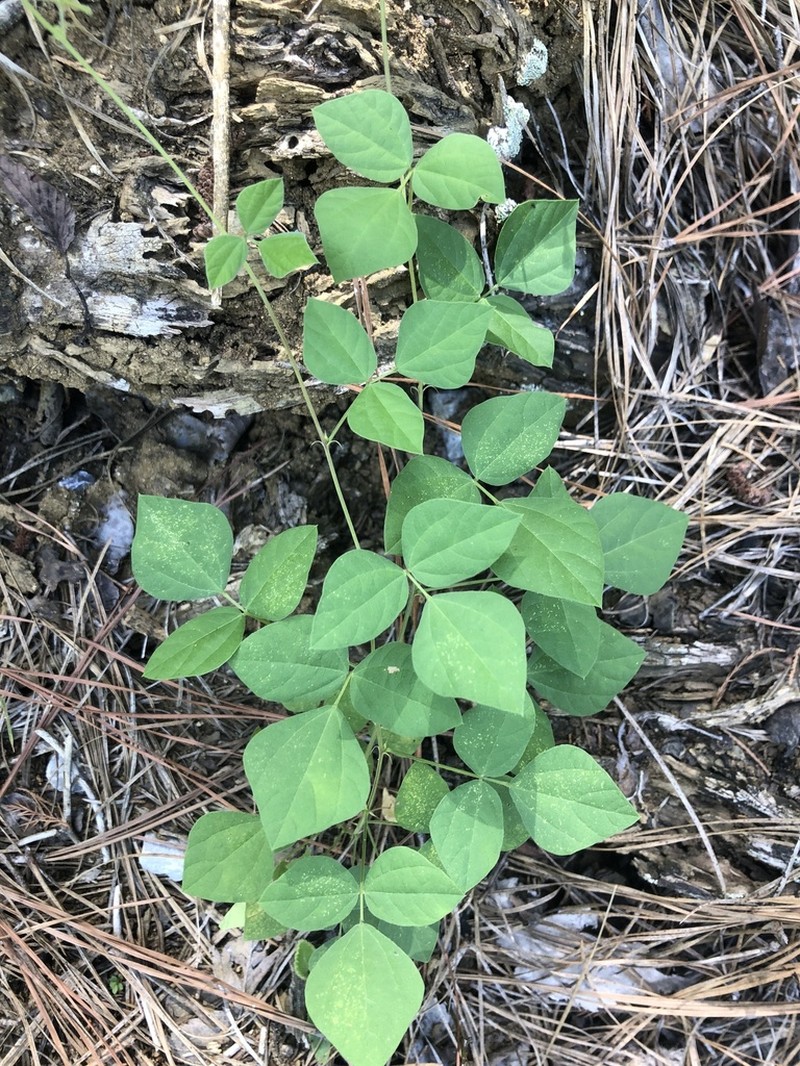
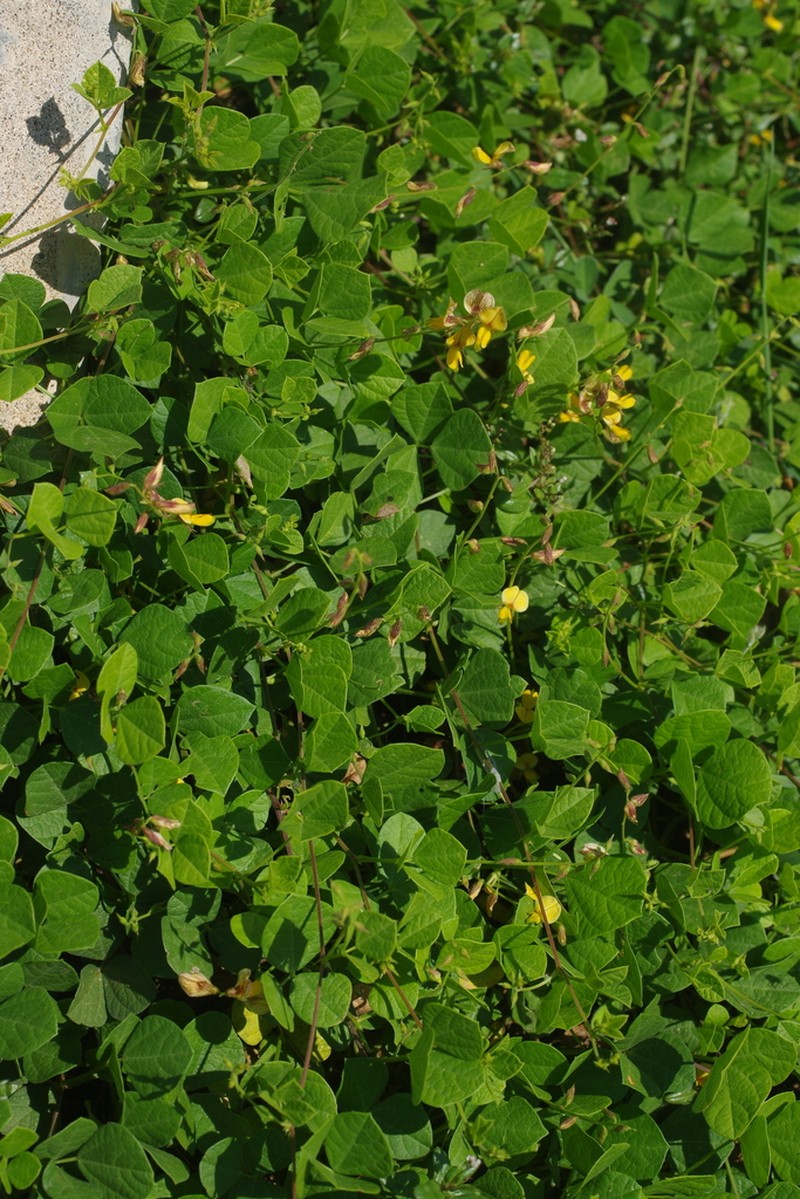
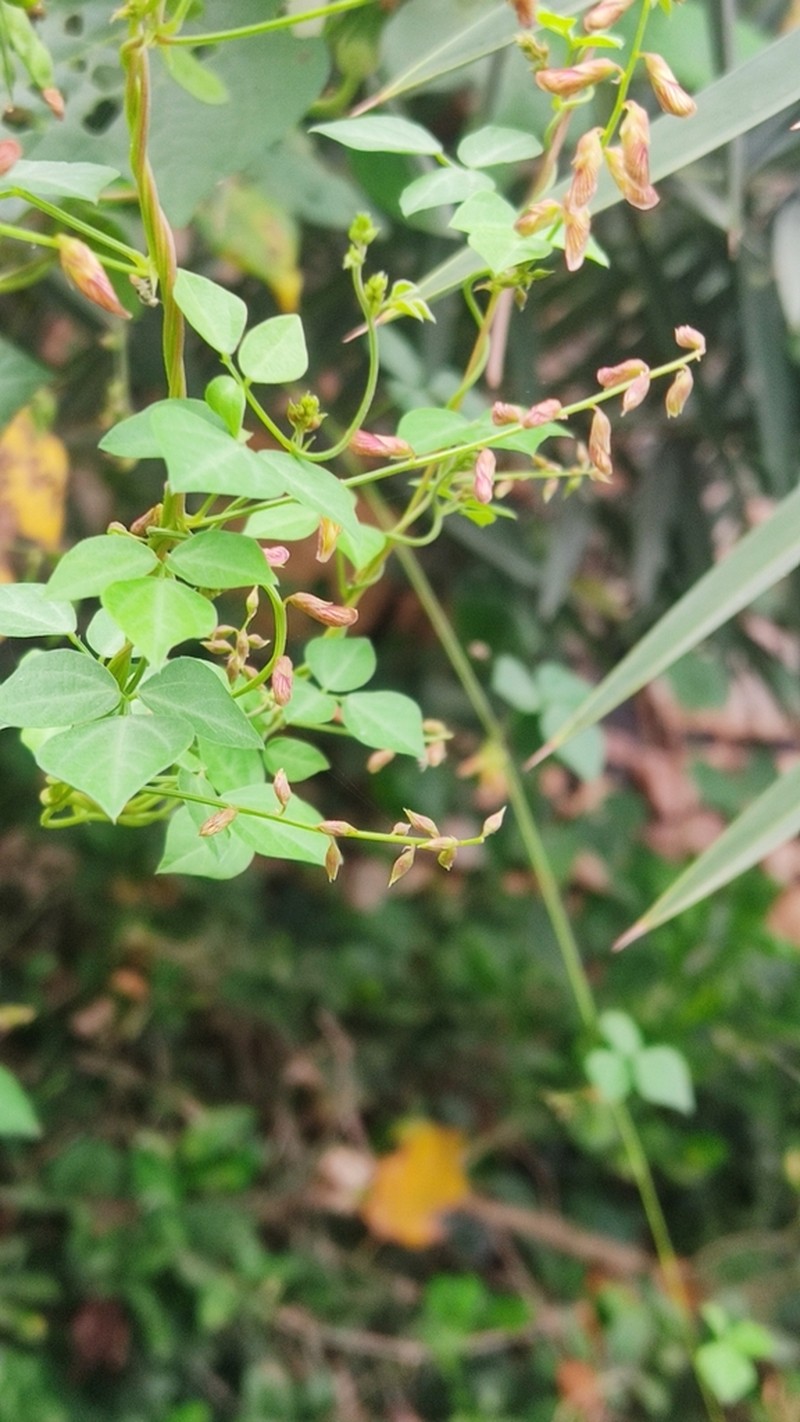
iNaturalist: © cyndie42 (iNaturalist #100163857)
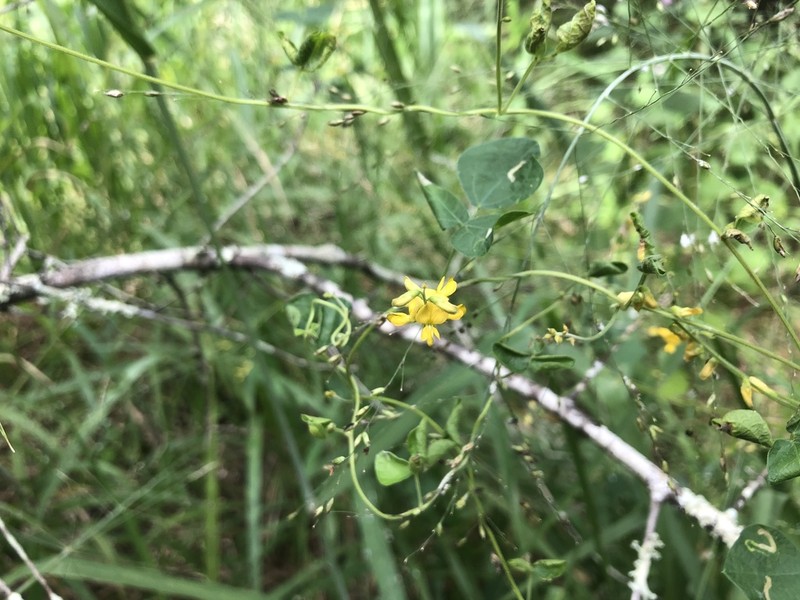
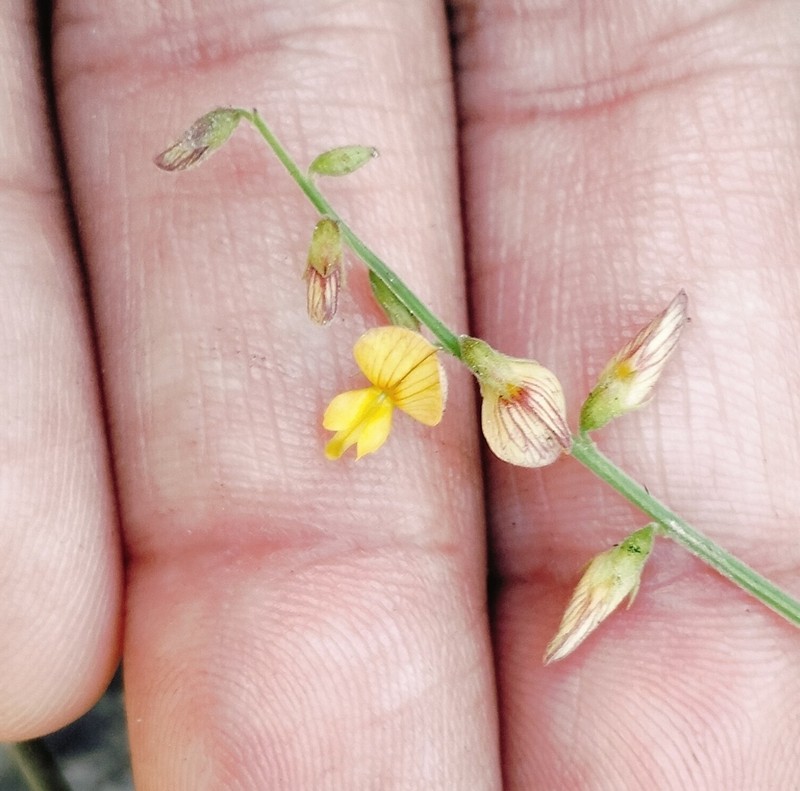
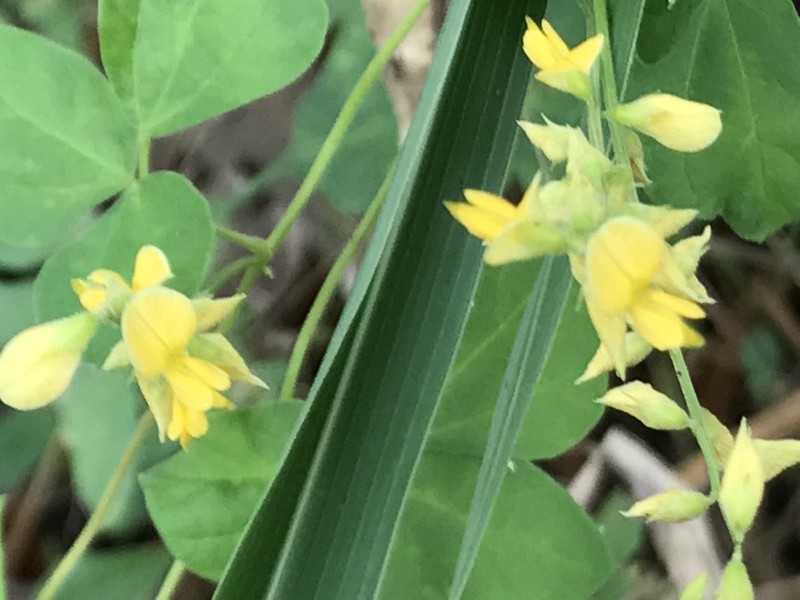
Taxonomy
- Division:
- Magnoliophyta | - Flowering plants
- Family:
- Fabaceae
- Genus:
- Rhynchosia
- Species:
- Rhynchosia minima
- USDA Symbol:
- RHMI4
Growth Characteristics
- Life Cycle:
- Perennial
- Growth Habit:
- Forb/herb , Subshrub , Vine
- Height:
- 150 cm
- Light Requirements:
- Full Sun
- Drought Tolerance:
- High
- Bloom Months:
- jun,jul,aug,sep
- Bloom Colors:
- yellow
Wildlife Benefits
- Butterflies & Moths:
- ★★★★★ Documented Lepidoptera association (GBIF)
- Caterpillars:
- ★☆☆☆☆ Recorded caterpillar host plant (HOSTS Database)
Host Plant for Caterpillars
Exelastis cervinicolor, Chioides catillus, Silver-spotted Skipper (Epargyreus clarus)
Reported Fauna Sightings
Moths:Caloptilia violacella
Garden & Ecology Notes
- Wildlife Value:
- butterflies, birds
- Salt Tolerant:
- Yes
Soil Requirements
- Soil Type:
- sandy, well-drained, nutrient-poor soil
- pH:
- 5.5 - 7.5 (slightly acidic to neutral)
- Drainage:
- excellent drainage required
- Moisture:
- dry to moderate
- Notes:
- commonly found in disturbed areas and grasslands
Propagation & Germination
- Scarification:
- Seed coat scarification required before sowing
- Notes:
- Seeds benefit from scarification (nicking or hot water treatment) to break physical dormancy.