
Bristly Locust
Robinia hispida
- Native to:
- United States, Virgin Islands
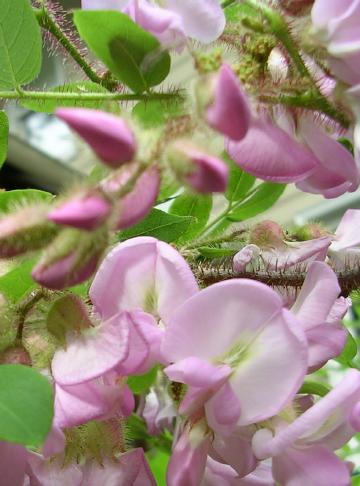
Eoghanacht (en.wikipedia.org) at English Wikipedia (en.wikipedia.org)
Taxonomy
- Division:
- Magnoliophyta | - Flowering plants
- Family:
- Fabaceae
- Genus:
- Robinia
- Species:
- Robinia hispida
- USDA Symbol:
- ROHI
Growth Characteristics
- Life Cycle:
- Perennial
- Growth Habit:
- Shrub , Tree
- Height:
- 300 cm
- Light Requirements:
- Full Sun
- Drought Tolerance:
- High
- Bloom Months:
- may,jun,jul
- Bloom Colors:
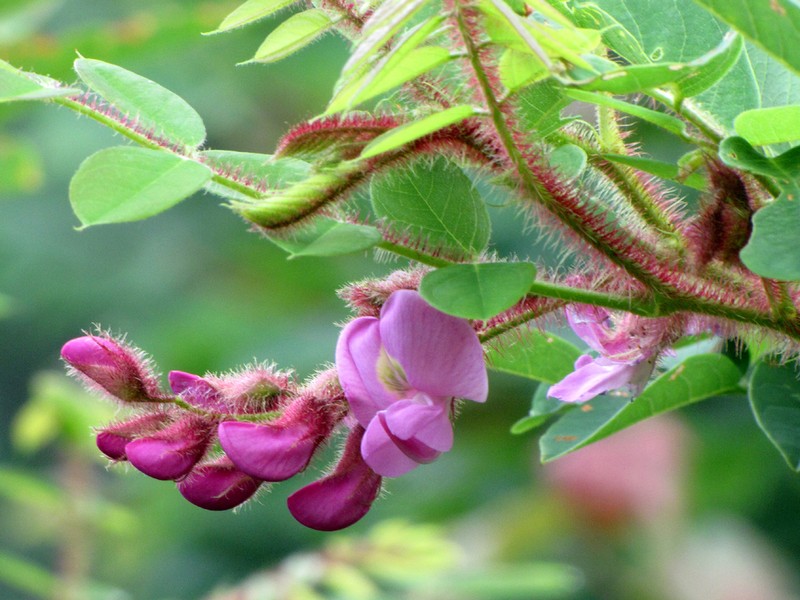
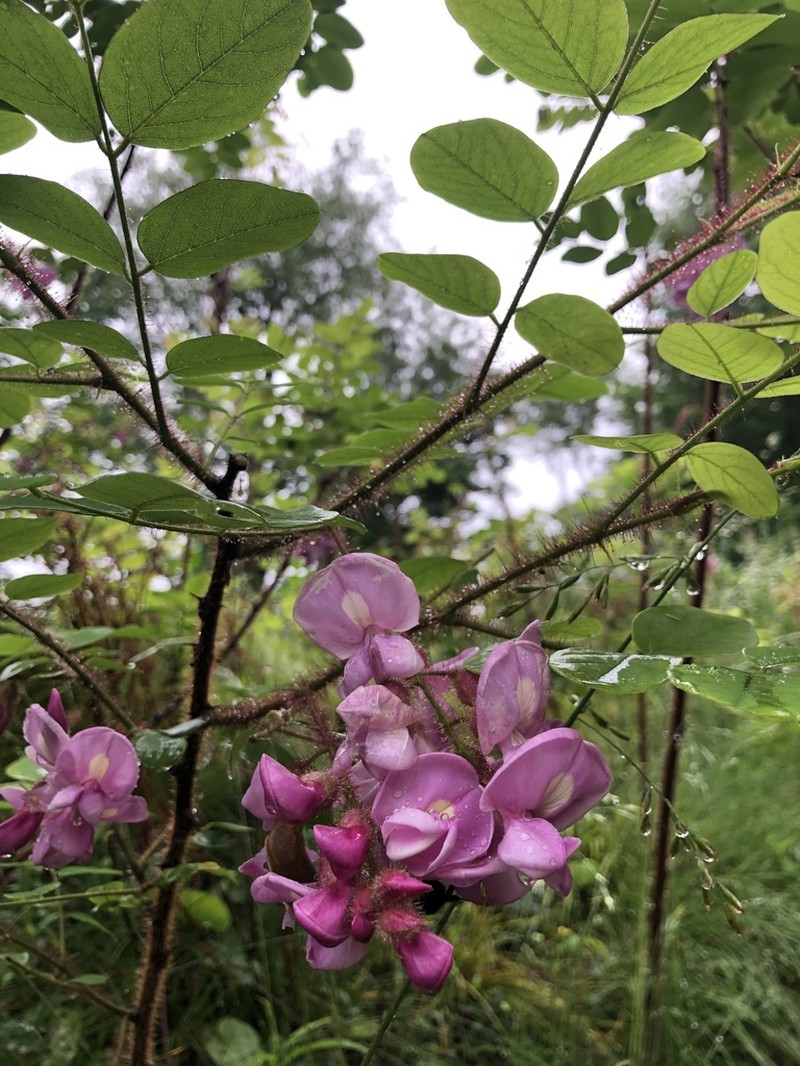
- pink, rose
- Landscaping Shrub:
- Yes
Wildlife Benefits
- Bees:
- ★☆☆☆☆ Documented bee visitation (GBIF)
- Butterflies & Moths:
- ★★☆☆☆ Documented Lepidoptera association (GBIF)
- Caterpillars:
- ★★☆☆☆ Recorded caterpillar host plant (HOSTS Database)
- Hummingbirds:
- ★☆☆☆☆ Documented hummingbird visits (GBIF)
Keystone Species Ranking
- Caterpillar Keystone:
- ★★★★☆ Butterfly & moth species supported by this genus (NWF)
Host Plant for Caterpillars
Banded Tussock Moth (Halysidota tessellaris), Filatima pseudacaciella, Io moth (Automeris io), locust leafminer (Phyllonorycter robiniella), locust leafminer (Parectopa robiniella), Nephopterix subcaesiella, oak leafminer (Chrysaster ostensackenella), Silver-spotted Skipper (Epargyreus clarus)
Reported Fauna Sightings
Moths:Black-spotted prominent (Dasylophia anguina), locust leafminer (Parectopa robiniella), Macrosaccus robiniella
Garden & Ecology Notes
- Wildlife Value:
- bees, butterflies
- Fragrant:
- Yes
Soil Requirements
- Soil Type:
- rich, well-drained loamy soil
- pH:
- 5.5 - 7.0 (slightly acidic to neutral)
- Drainage:
- excellent drainage required
- Moisture:
- dry to moderate
- Notes:
- prefers open woodlands and rocky slopes
Propagation & Germination
- Stratification:
- Cold/moist stratification required — 30–60 days
- Scarification:
- Seed coat scarification required before sowing
- Germination Time:
- 14–30 days
- Notes:
- Seeds require scarification (nicking or hot water treatment) followed by cold stratification for 30-60 days.
Pre-treatment: None required
Establishment: Plants can be found on dry, well-drained, moist, sunny or shaded areas. In the Great Smoky Mountains National Park, plants were found on ridges of cliffs on fairly dry soils. Bristly locust is found throughout most of the continental United States, except for Idaho, Montana, North and South Dakota, Colorado, Nevada and Arizona.
Source: npn.rngr.net
Where to Buy
Nationwide Seller
- Sheffield's Seed (seeds)
- Sheffield's Seed (seeds)