
Black Locust
Robinia pseudoacacia
- Native to:
- United States, Virgin Islands
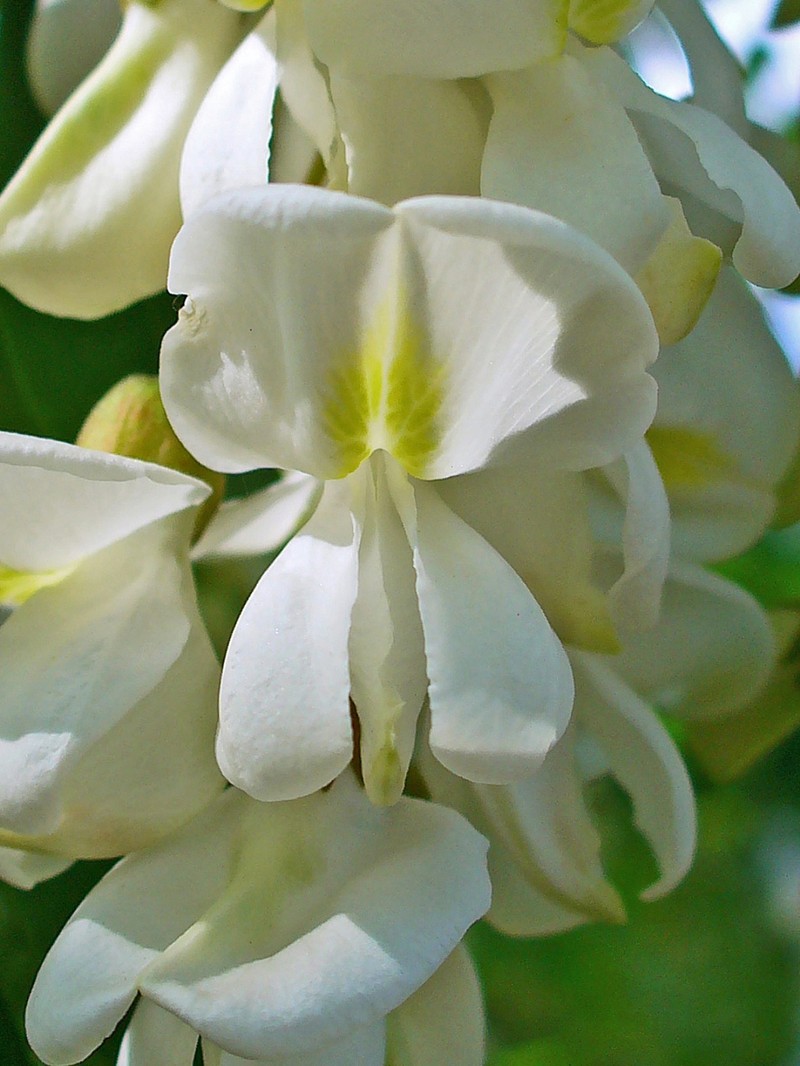
H. Zell
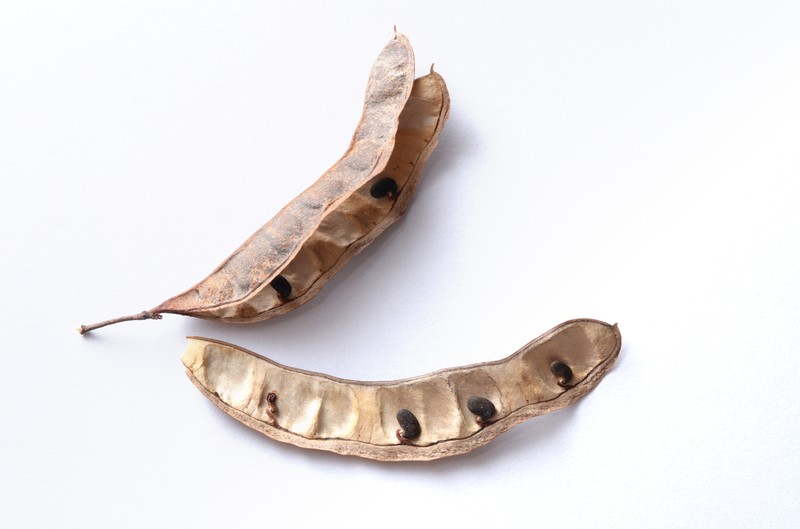
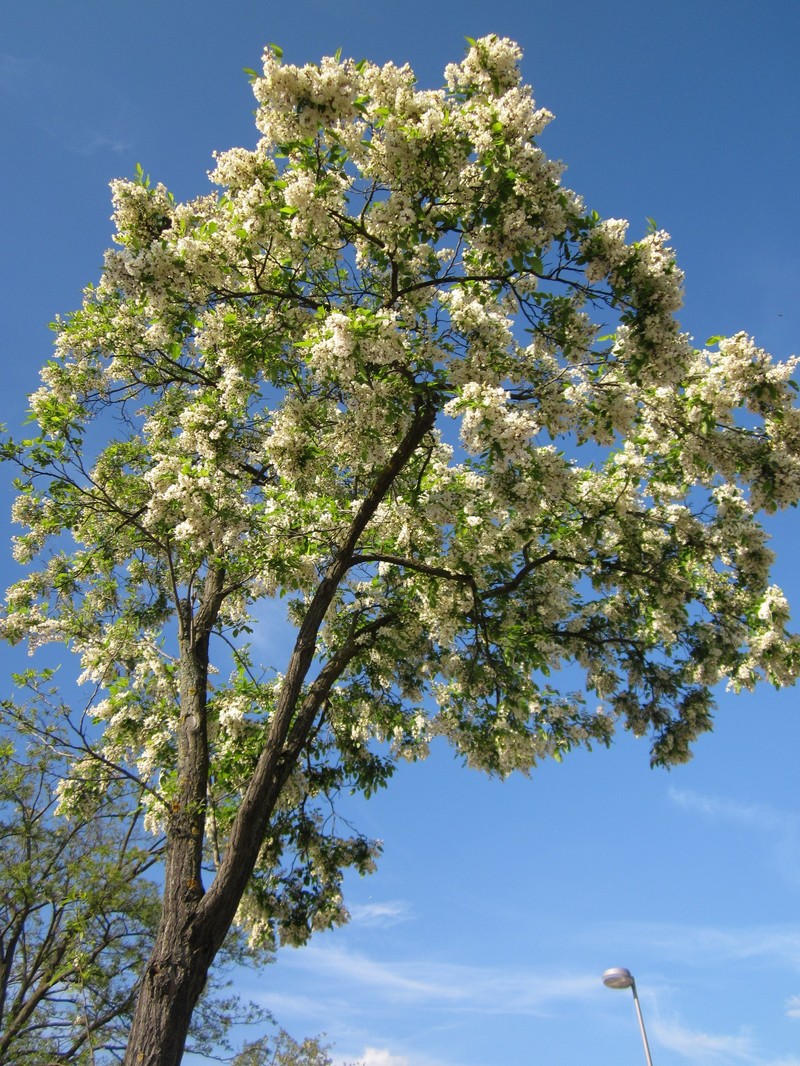
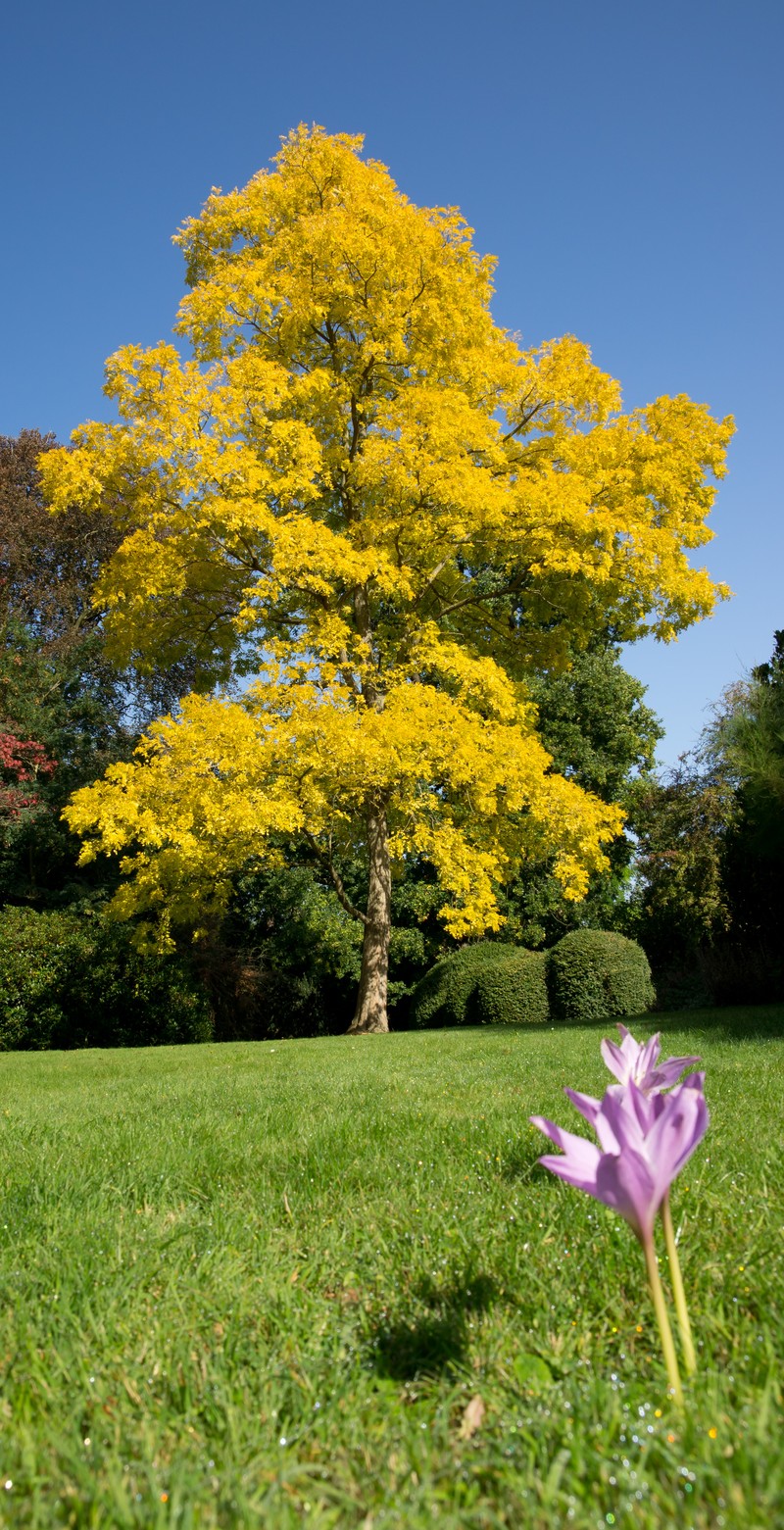
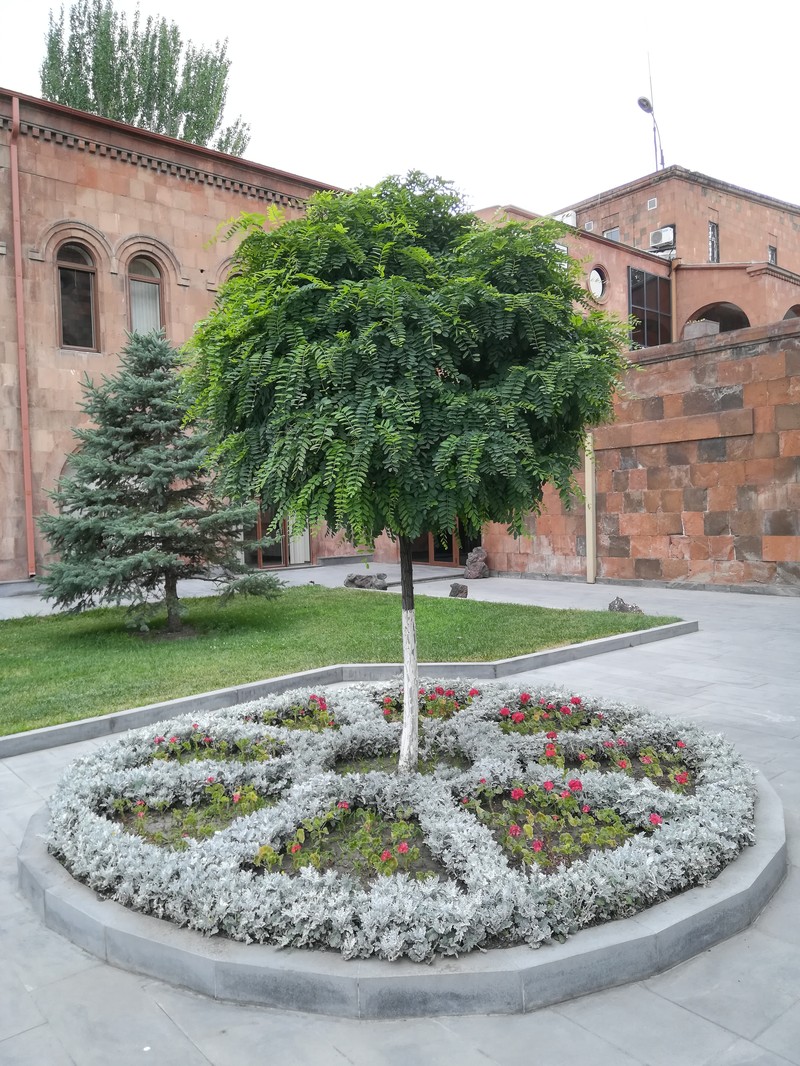
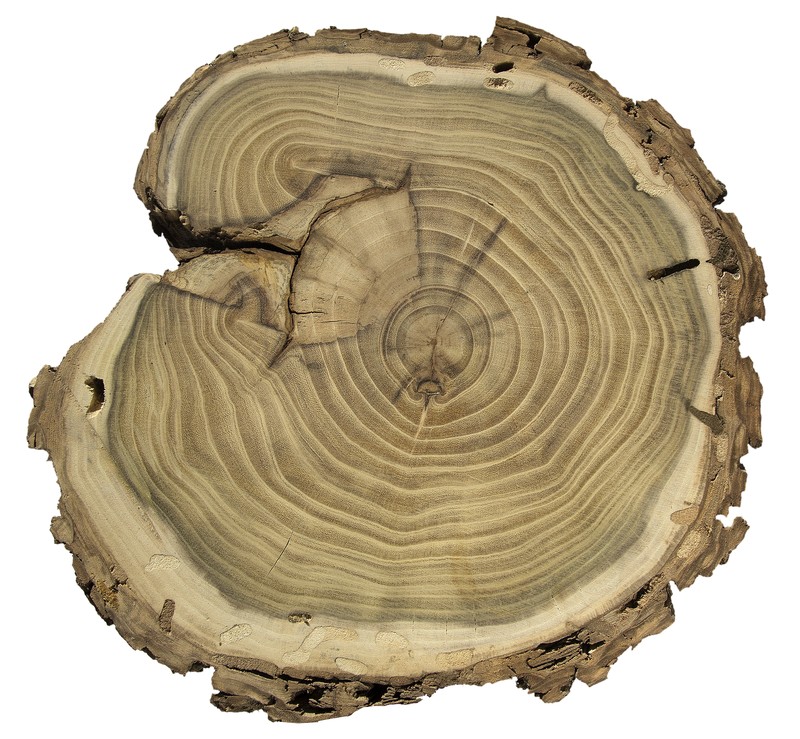

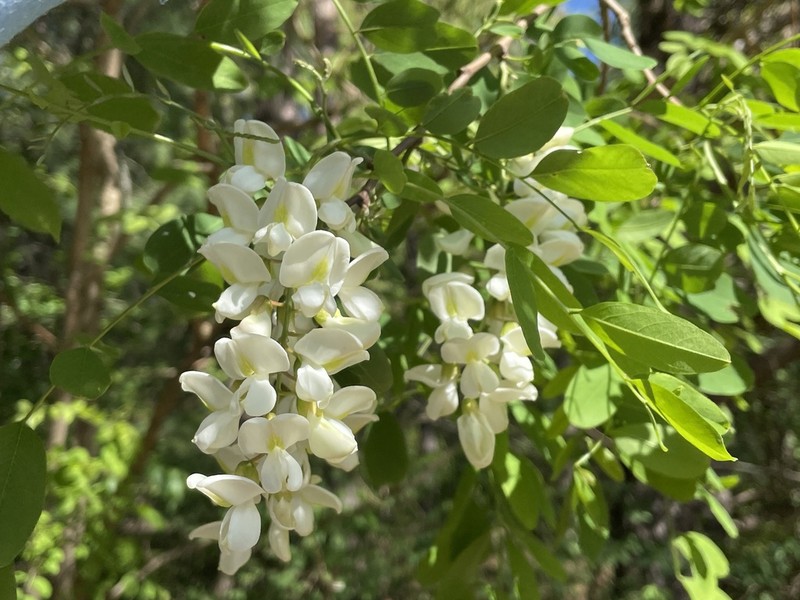
Taxonomy
- Division:
- Magnoliophyta | - Flowering plants
- Family:
- Fabaceae
- Genus:
- Robinia
- Species:
- Robinia pseudoacacia
- USDA Symbol:
- ROPS
Growth Characteristics
- Life Cycle:
- Perennial
- Growth Habit:
- Tree
- Height:
- 2500 cm
- Light Requirements:
- Full Sun
- Drought Tolerance:
- High
- Bloom Months:
- may,jun
- Bloom Colors:
- white
Wildlife Benefits
- Bees:
- ★☆☆☆☆ Documented bee visitation (GBIF)
- Butterflies & Moths:
- ★★★★★ Documented Lepidoptera association (GBIF)
- Caterpillars:
- ★★★★★ Recorded caterpillar host plant (HOSTS Database)
- Hummingbirds:
- ★☆☆☆☆ Documented hummingbird visits (GBIF)
Keystone Species Ranking
- Caterpillar Keystone:
- ★★★★☆ Butterfly & moth species supported by this genus (NWF)
Host Plant for Caterpillars
Agonopterix robiniella, American Dagger Moth (Acronicta americana), Bagworm moth (Thyridopteryx ephemeraeformis), Banded Tussock Moth (Halysidota tessellaris), black bit moth (Celiptera frustulum), Black-spotted prominent (Dasylophia anguina), Bordered Sallow (Pyrrhia umbra), Brown-tail moth (Euproctis chrysorrhoea), Caloptilia stigmatella, Carpenterworm Moth (Prionoxystus robiniae), Cecropia moth (Hyalophora cecropia), Chrysopeleia purpuriella, common spring moth (Heliomata cycladata), Eastern Tent Caterpillar (Malacosoma americana), Elm Sphinx (Ceratomia amyntor), fall cankerworm (Alsophila pometaria), Fall webworm (Hyphantria cunea), Filatima pseudacaciella, Forest Tent Caterpillar (Malacosoma disstria), fruit-tree leafroller (Archips argyrospila), Giant leopard moth (Hypercompe scribonia), Green Cloverworm Moth (Hypena scabra), Gypsy moth (Lymantria dispar), Hickory Tussock Moth (Lophocampa caryae), honest pero moth (Pero honestaria), Horned Spanworm (Nematocampa resistaria), Hubbard's silk moth (Syssphinx hubbardi), Io moth (Automeris io), Iris eyed silkmoth (Automeris iris), Leopard moth (Zeuzera pyrina), lesser cornstalk borer (Elasmopalpus lignosellus), Limbata angle moth (Nematocampa limbata), locust borer (Paranthrene robiniae), locust leafminer (Phyllonorycter robiniella), locust leafminer (Parectopa robiniella), locust twig borer (Ecdytolopha insiticiana), Locust Underwing (Euparthenos nubilis), Magdalen Underwing (Catocala illecta), Mountain Sphinx Moth (Syssphinx montana), Nephopterix subcaesiella, Nephopterix subfuscella, Nephopterix virgatella, Nephopterix virgatella?, oak leafminer (Chrysaster ostensackenella), Parectopa lespedezaefoliella, Peppered Moth (Biston betularia), Phyllonorycter fitchella, Phyllonorycter gemmea, Pseudanthracia coracias, Pulse pod borer (Etiella zinckenella), Red-humped caterpillar moth (Schizura concinna), Semiothisa aemulataria, Semiothisa nigrocomma, Semiothisa ocellinata, Sinoe robiniella, Spotted Tussock Moth (Lophocampa maculata), stalk borer moth (Papaipema nebris), Syssphinx albolineata, ⚠️Three-staff Underwing (Catocala amestris), Toumey's bagworm moth (Oiketicus toumeyi), Two-colored sossphinx (Syssphinx bicolor), Unicorn caterpillar moth (Schizura unicornis), velvetbean caterpillar (Anticarsia gemmatalis), Western tent caterpillar (Malacosoma californica), White-marked Tussock Moth (Orgyia leucostigma), Widow Underwing (Catocala vidua), Yellownecked caterpillar (Datana ministra), Yellownecked caterpillar (Datana integerrima), Zale undularis, Zale unilineata, Dreamy Duskywing (Erynnis icelus), Silver-spotted Skipper (Epargyreus clarus), Zarucco Duskywing (Erynnis zarucco)
Reported Fauna Sightings
Bees: Black and (Bombus auricomus), Brown-belted bumble (Bombus griseocollis), Common eastern (Bombus impatiens), Crotch bumble bee (Bombus crotchii), ⚠️Western honey bee (Apis mellifera) Hummingbirds: Anna's Hummingbird (Calypte anna) Moths:Bagworm moth (Thyridopteryx ephemeraeformis), Banded Tussock Moth (Halysidota tessellaris), Black-spotted prominent (Dasylophia anguina), Cecropia moth (Hyalophora cecropia), common spring moth (Heliomata cycladata), Filatima pseudacaciella, Io moth (Automeris io), locust leafminer (Parectopa robiniella), locust twig borer (Ecdytolopha insiticiana), Locust Underwing (Euparthenos nubilis), Macrosaccus robiniella, Norape cretata, oak leafminer (Chrysaster ostensackenella) Butterflies:Silver-spotted Skipper (Epargyreus clarus), Zarucco Duskywing (Erynnis zarucco)
Garden & Ecology Notes
- Wildlife Value:
- birds, butterflies, small mammals
- Salt Tolerant:
- Yes
- Fragrant:
- Yes
- Fire Ecology:
- Fire adapted — tolerates or benefits from fire
- Fire Notes:
- Suckers vigorously after fire; thick bark provides some protection; often increases in abundance after fire.
Soil Requirements
- Soil Type:
- well-drained, sandy or loamy soil
- pH:
- 4.6 - 8.2 (acidic to alkaline)
- Drainage:
- excellent drainage required
- Moisture:
- dry to moderate
- Notes:
- tolerates poor, rocky soils
Propagation & Germination
- Stratification:
- Cold/moist stratification required — 30–60 days
- Scarification:
- Seed coat scarification required before sowing
- Germination Time:
- 14–30 days
- Notes:
- Seeds require scarification (hot water or mechanical) followed by cold stratification for 30-60 days.
Pre-treatment: Seeds have an impermeable seedcoat and should be scarified using a Fosburg scarifier or concentrated sulfuric acid. After scarification, seeds should be thoroughly rinsed in water to remove residual acid and then inoculated with rhizobia specified for Robinia.
Establishment: Black locust is native from Pennsylvania and south Indiana to Oklahoma, south to Georgia and Alabama. It has escaped from cultivation north to Nova Scotia and Quebec. It can be weedy outside its native range. Seeds are typically collected in September and October after they have ripened but before the legumes have split.
Source: npn.rngr.net
Where to Buy
Nationwide Seller
- Sheffield's Seed (seeds)
- Ernst Seeds (seeds)