
Septicweed
Senna occidentalis
- Native to:
- Argentina, Aruba, Bahamas, Belize, Bolivia, Brazil, Cayman Is., Colombia, Costa Rica, Cuba, Dominican Republic, Ecuador, El Salvador, French Guiana, Galápagos, Guam, Guatemala, Guyana, Haiti, Honduras, Jamaica, Leeward Is., Mexico, Netherlands Antilles, Nicaragua, Panamá, Paraguay, Peru, Puerto Rico, Southwest Caribbean, Suriname, Trinidad-Tobago, Uruguay, Venezuela, Venezuelan Antilles, Windward Is.
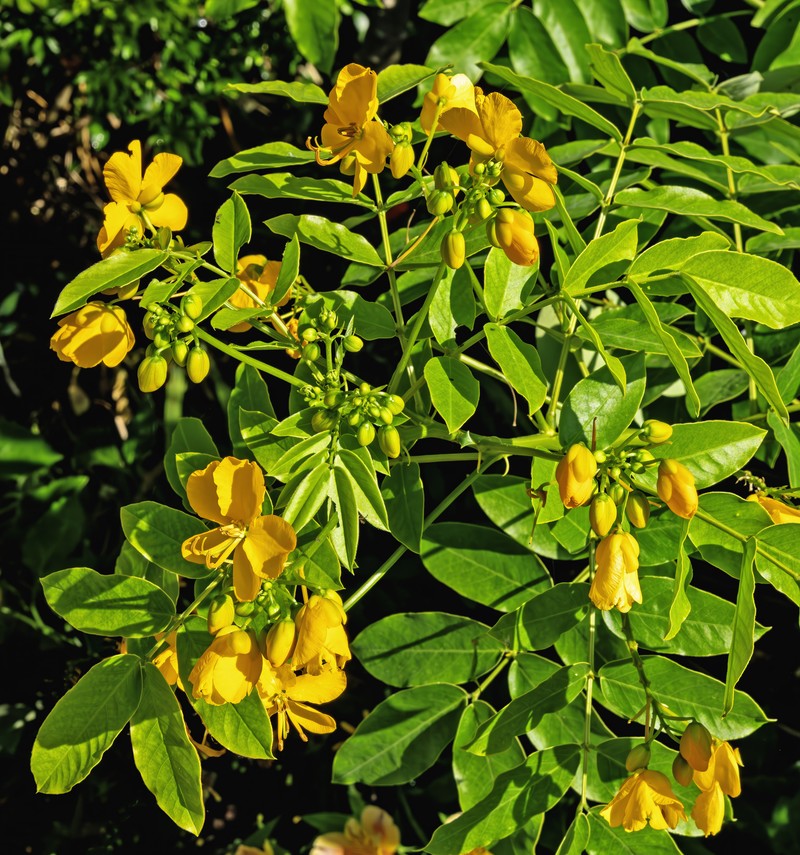
Lfatty22
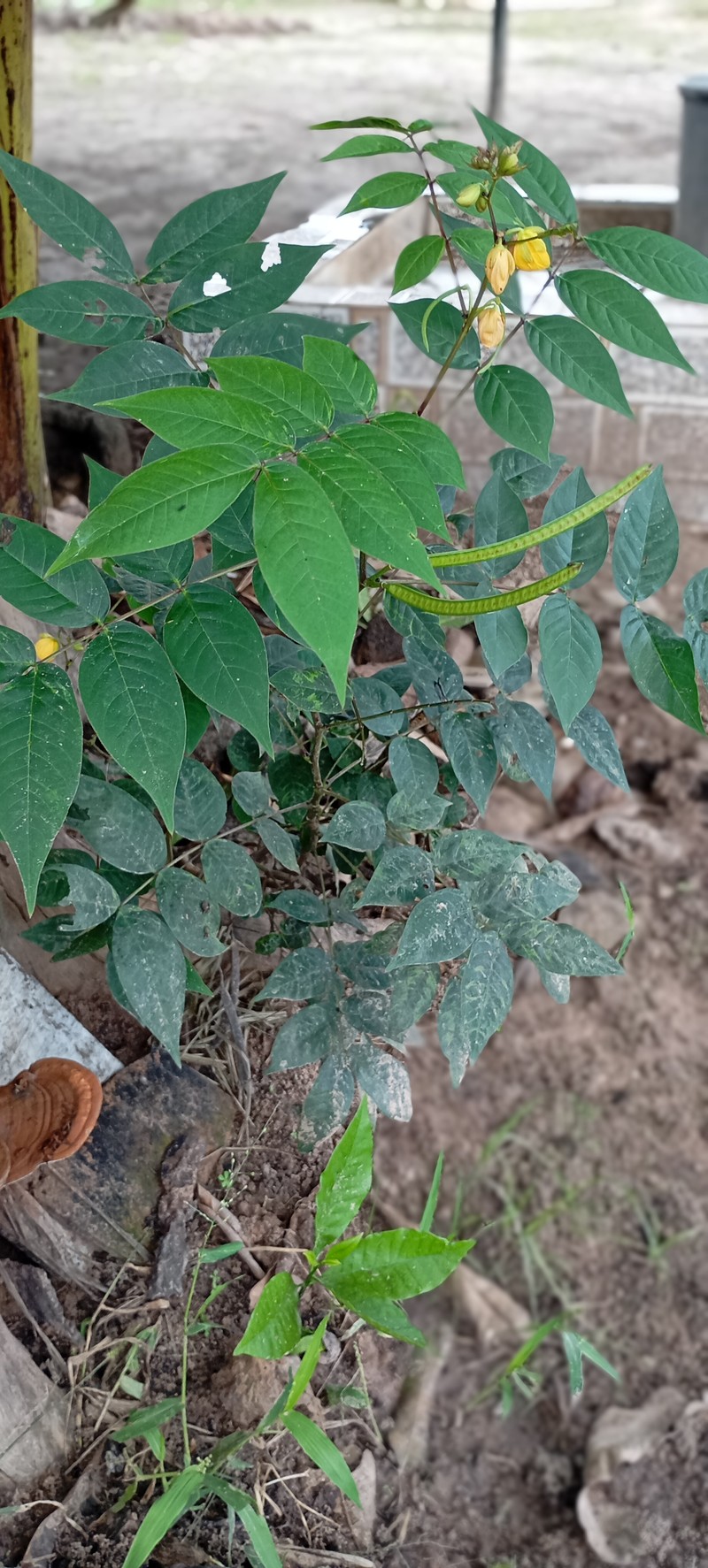
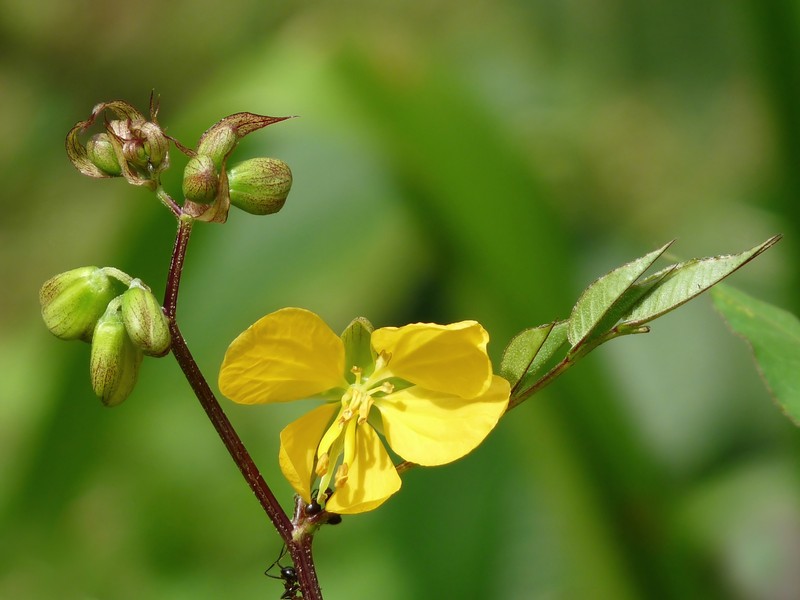
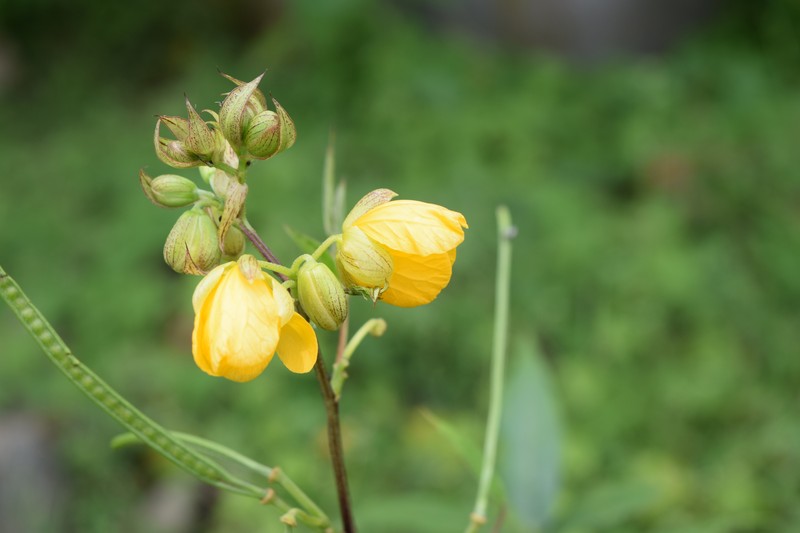
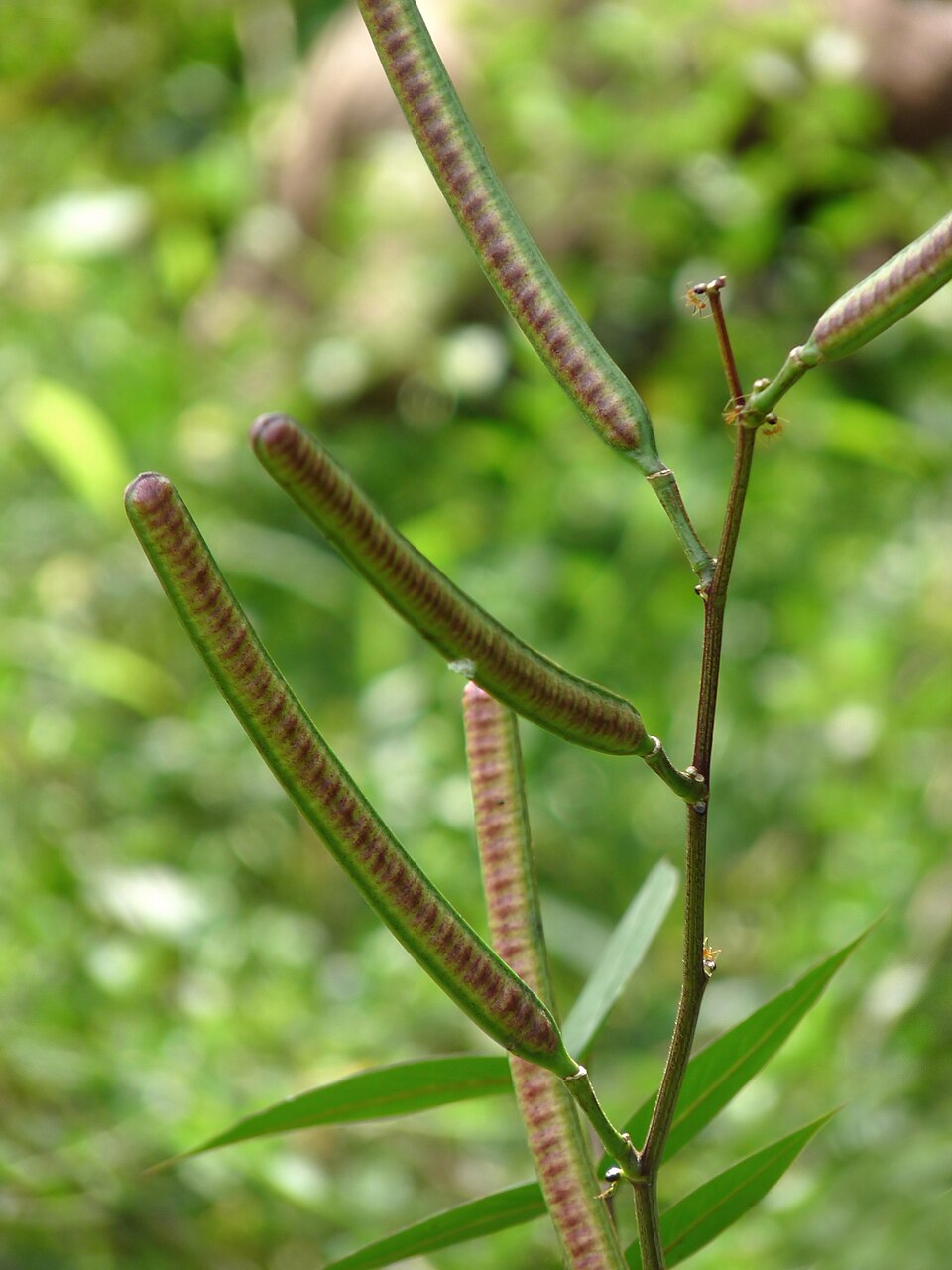
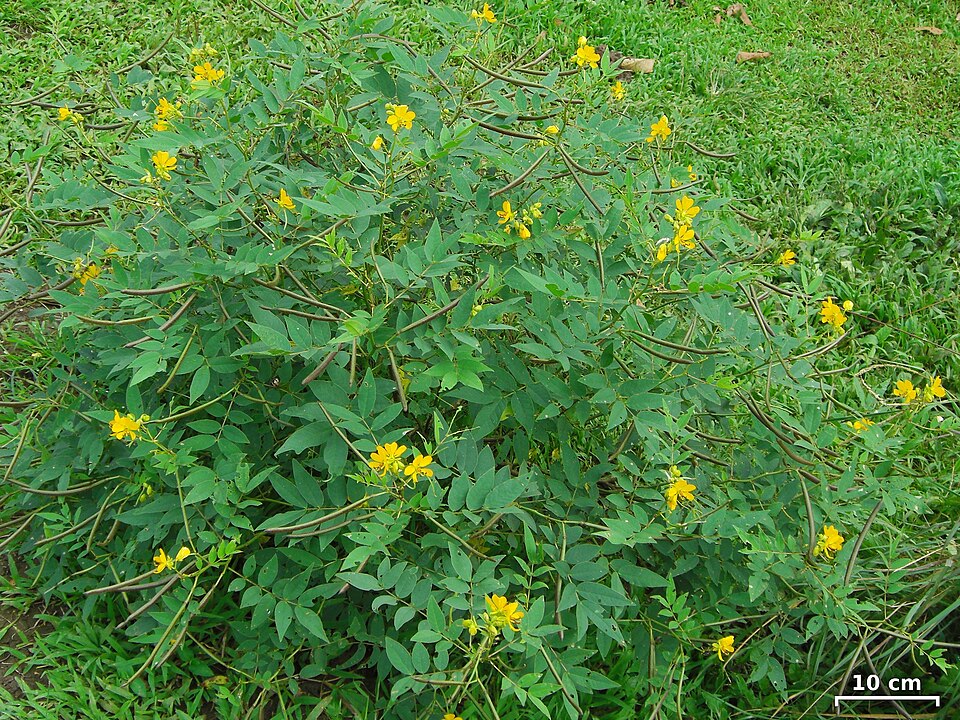
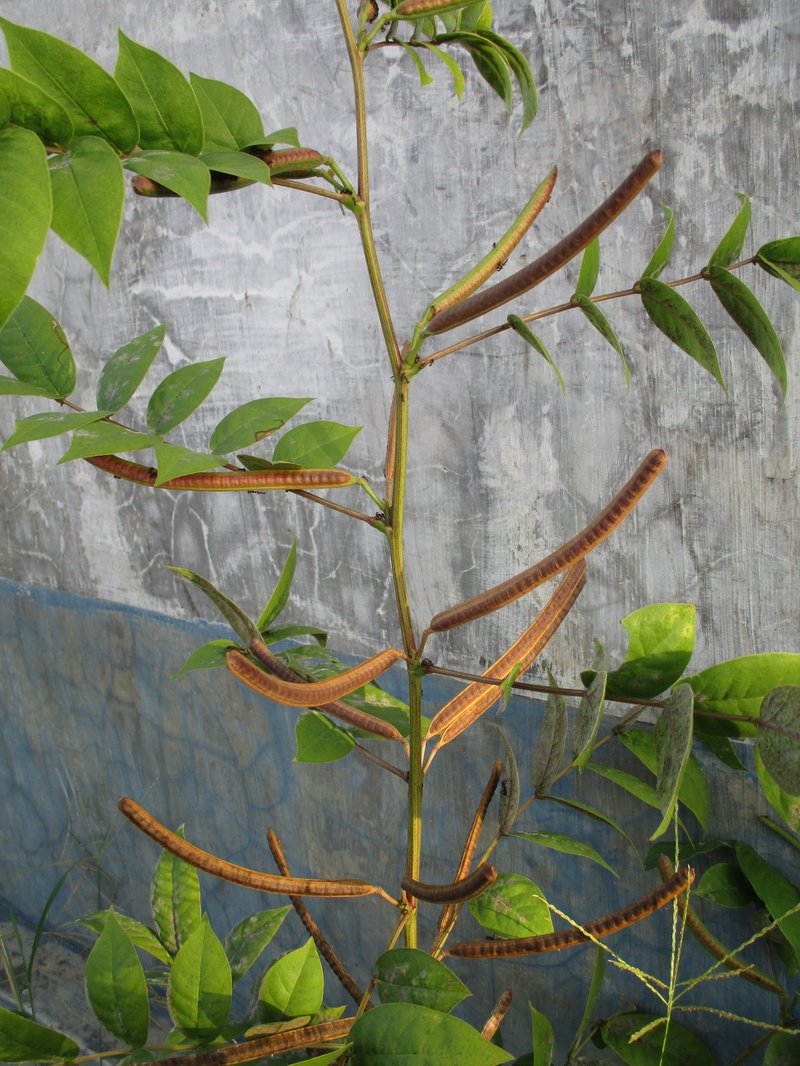
Taxonomy
- Division:
- Magnoliophyta | - Flowering plants
- Family:
- Fabaceae
- Genus:
- Senna
- Species:
- Senna occidentalis
- USDA Symbol:
- SEOC2
Growth Characteristics
- Life Cycle:
- Annual | Perennial
- Growth Habit:
- Forb/herb , Subshrub
- Height:
- 200 cm
- Light Requirements:
- Full Sun
- Drought Tolerance:
- High
- Bloom Months:
- jul,aug,sep,oct
- Bloom Colors:
- yellow
Host Plant for Caterpillars
Caribbean pod borer (Fundella pellucens), Pyroderces badia, Selenisa sueroides, Cloudless Sulphur (Phoebis sennae)
Reported Fauna Sightings
Butterflies:Sleepy Orange (Eurema nicippe)
Garden & Ecology Notes
- Wildlife Value:
- birds, butterflies
- Deer Resistant:
- Yes
Soil Requirements
- Soil Type:
- well-drained, sandy to loamy soil
- pH:
- 5.5 - 7.5 (slightly acidic to neutral)
- Drainage:
- excellent drainage required
- Moisture:
- dry to moderate
- Notes:
- prefers disturbed areas and open spaces
Propagation & Germination
- Scarification:
- Seed coat scarification required before sowing
- Germination Time:
- 7–21 days
- Notes:
- Scarify seed coat (nick or hot water) to improve germination.