
Mamani
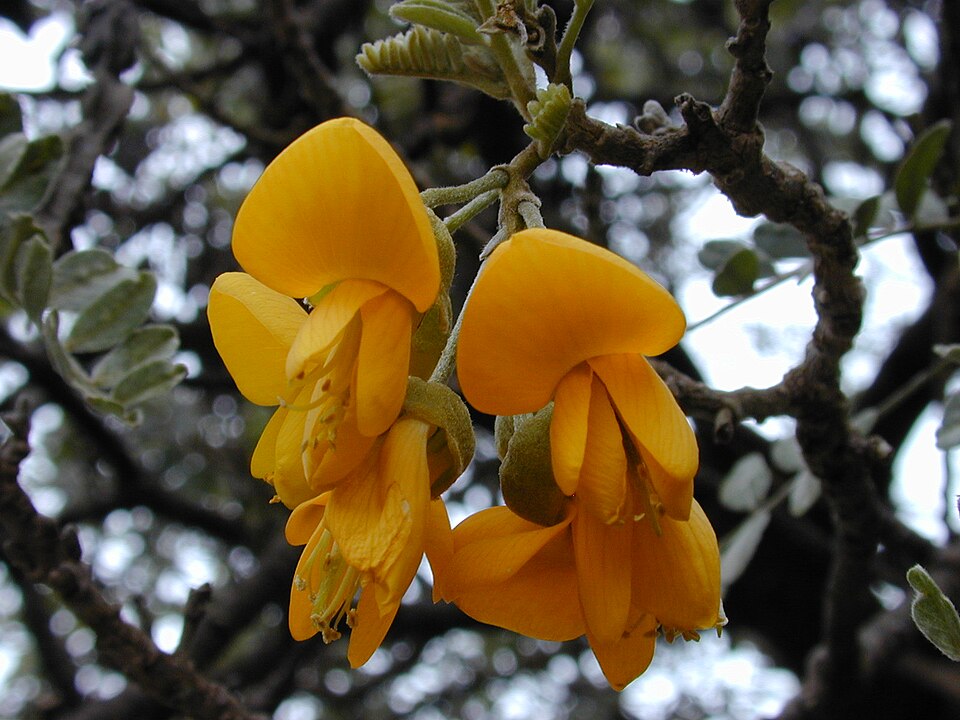
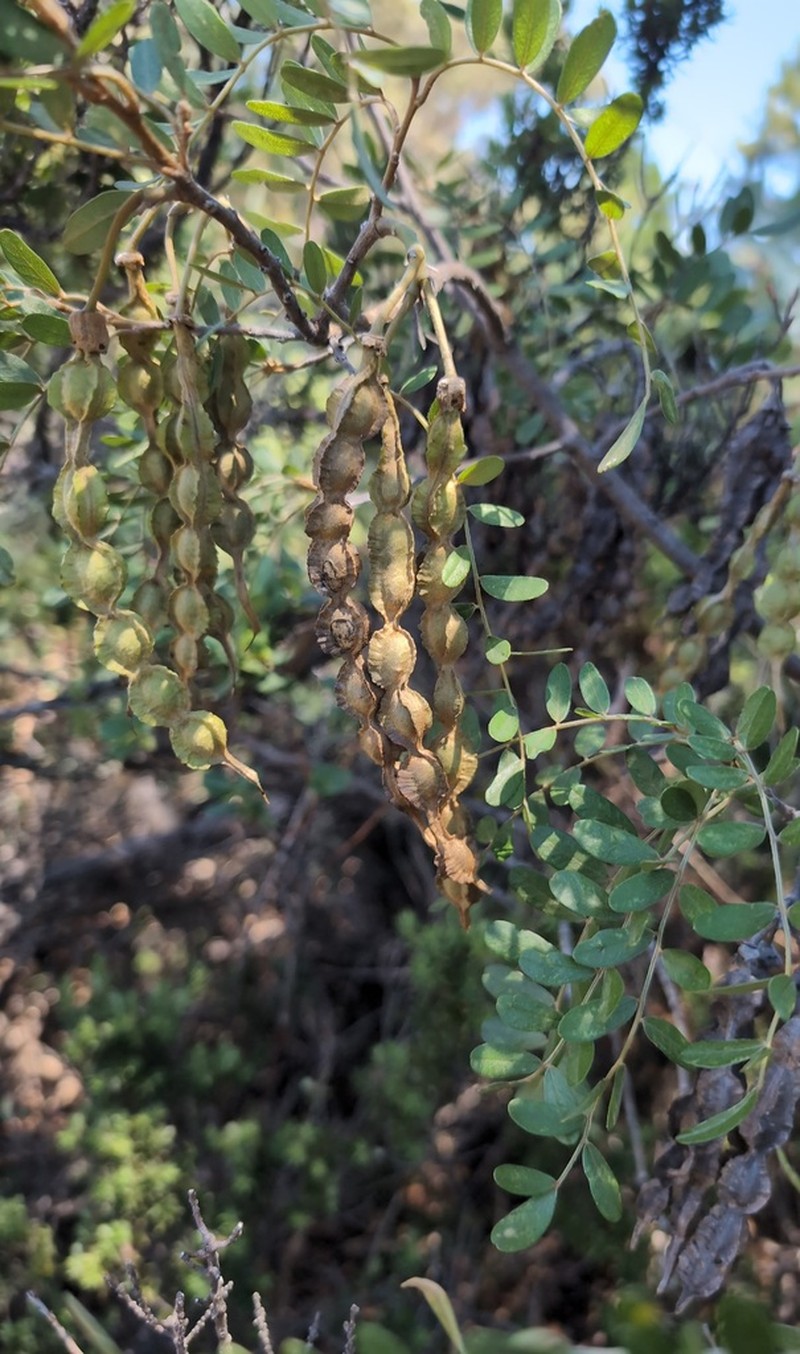
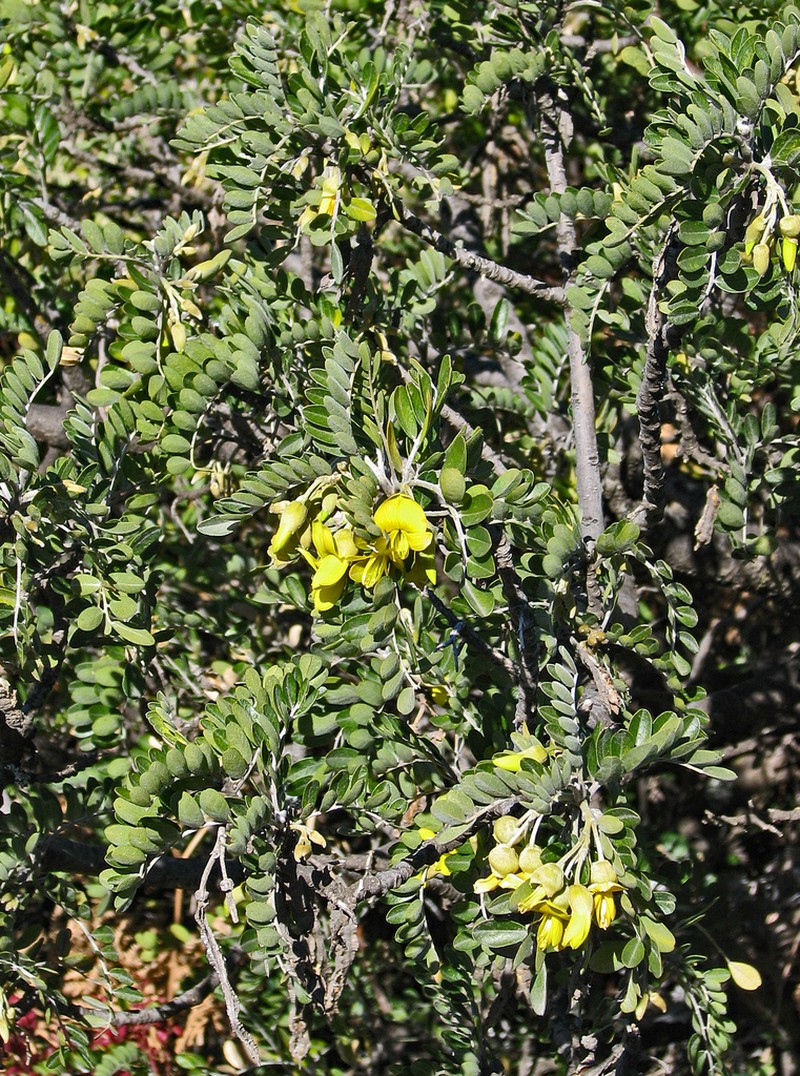
Sophora chrysophylla
- Native to:
- Hawaii
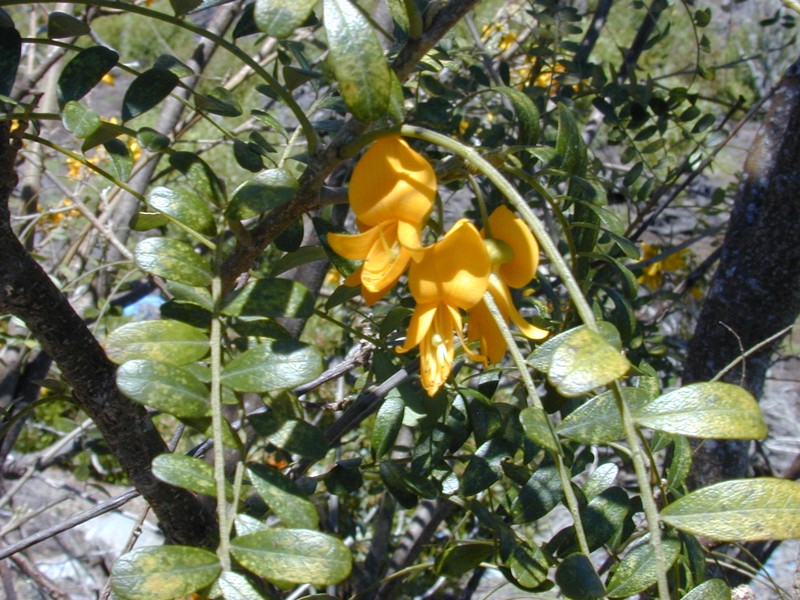
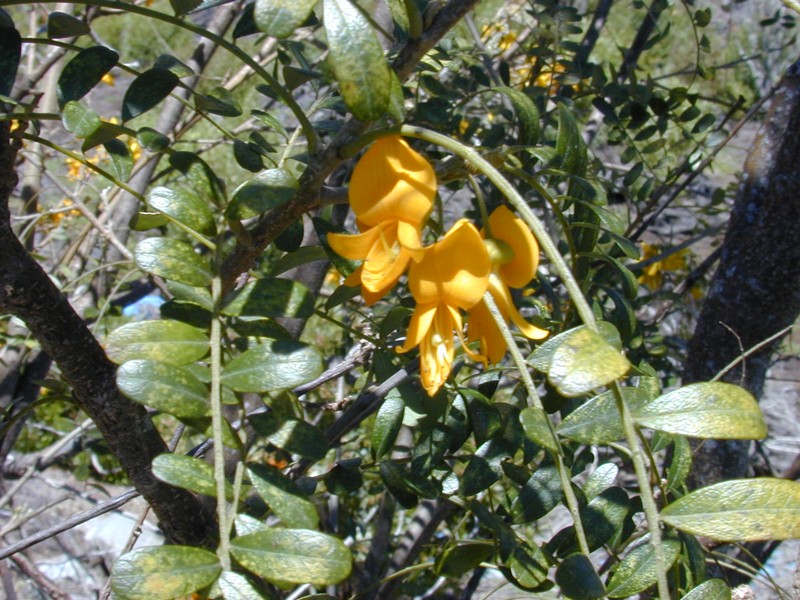
Forest & Kim Starr (www.hear.org)
Taxonomy
- Division:
- Magnoliophyta | - Flowering plants
- Family:
- Fabaceae
- Genus:
- Sophora
- Species:
- Sophora chrysophylla
- USDA Symbol:
- SOCH
Growth Characteristics
- Life Cycle:
- Perennial
- Growth Habit:
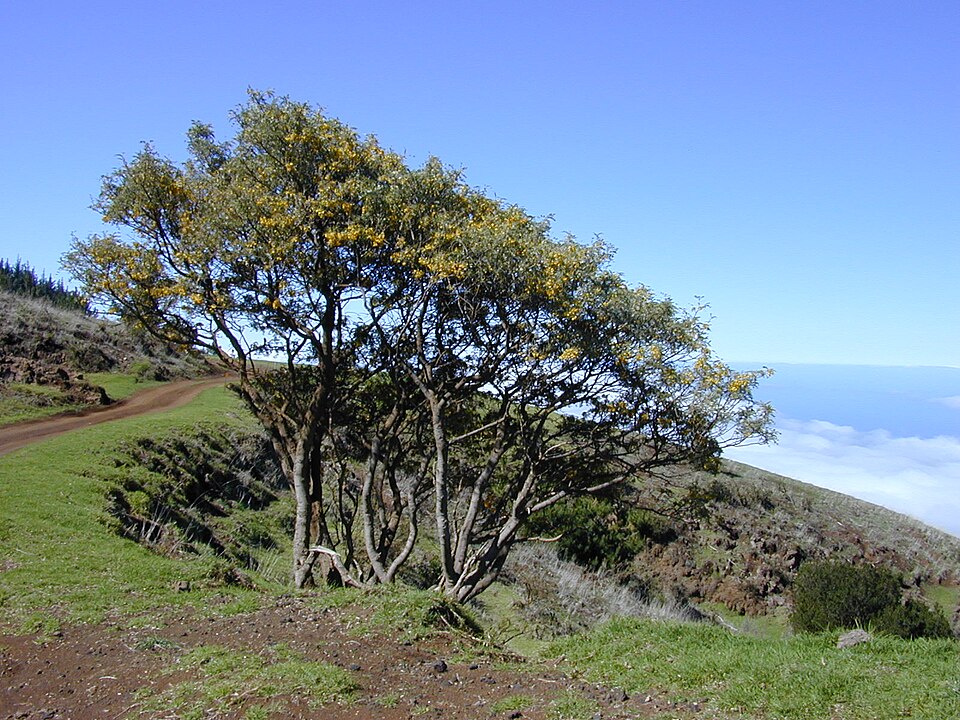
- Shrub , Tree
- Height:
- 1500 cm
- Light Requirements:
- Full Sun
- Drought Tolerance:
- High
- Bloom Months:
- feb,mar,apr,may
- Bloom Colors:
- yellow
Wildlife Benefits
- Bees:
- ★☆☆☆☆ Documented bee visitation (GBIF)
- Butterflies & Moths:
- ★☆☆☆☆ Documented Lepidoptera association (GBIF)
- Caterpillars:
- ★☆☆☆☆ Recorded caterpillar host plant (HOSTS Database)
Garden & Ecology Notes
- Wildlife Value:
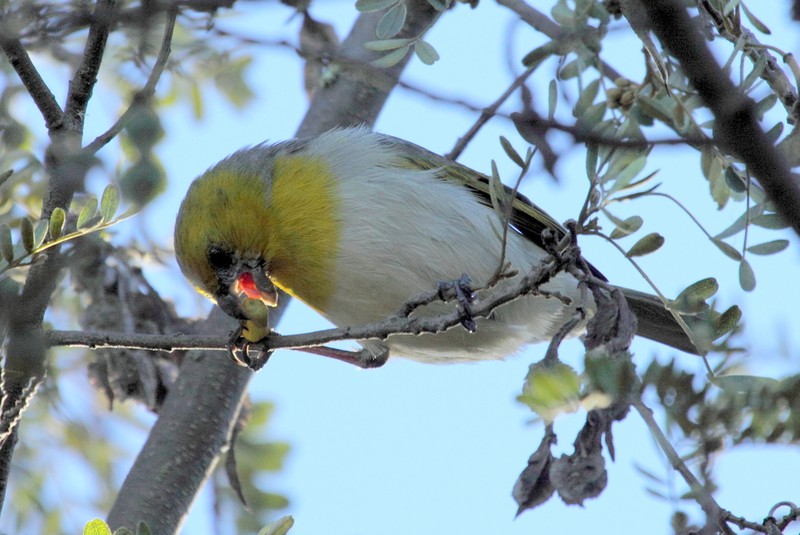
- birds, bees, butterflies
- Fire Ecology:
- Fire adapted — tolerates or benefits from fire
- Fire Notes:
- Resprouts after fire; seeds may be stimulated by heat but not fire-dependent.
Soil Requirements
- Soil Type:
- well-drained volcanic or rocky soil
- pH:
- 5.5 - 7.5 (slightly acidic to neutral)
- Drainage:
- excellent drainage required
- Moisture:
- dry to moderate
- Notes:
- native to Hawaiian dry forests and shrublands
Propagation & Germination
- Scarification:
- Seed coat scarification required before sowing
- Germination Time:
- 14–60 days
- Notes:
- Seeds require scarification (nicking or hot water treatment) to break physical dormancy; germination occurs in 2-8 weeks.
Pre-treatment: Scarify seeds by nicking the seed coat, avoiding the germ and inner seed. Alternatively, use hot water method by pouring 5 parts near-boiling water over 1 part seeds, let stand for 1-3 minutes, then add cool water and let soak for 24-48 hours. Repeat if seeds have not swelled.
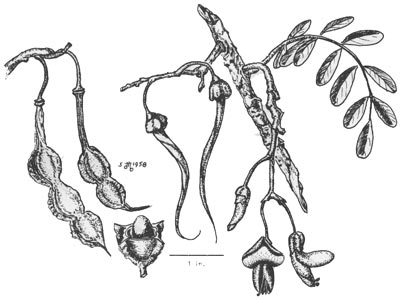
Establishment: Mature seed pods are found on trees nearly year-round. Collect from trees closest to where the offspring will be planted for best adaptation to local conditions.
Source: npn.rngr.net