
Yellow Necklacepod
Sophora tomentosa
- Native to:
- Aldabra, American Samoa, Andaman Is., Aruba, Australia, Bahamas, Bangladesh, Belize, Bermuda, Bismarck Archipelago, Brazil, Cambodia, Caroline Is., Cayman Is., Central African Republic, China, Colombia, Comoros, Cook Is., Costa Rica, Cuba, Dominican Republic, Federated States of Micronesia, Fiji, Ghana, Gilbert Is., Guam, Guinea, Gulf of Guinea Is., Hainan, Haiti, Honduras, India, Ivory Coast, Jamaica, Jawa, Kenya, Laccadive Is., Leeward Is., Liberia, Madagascar, Maldives, Marianas, Marquesas, Marshall Is., Marshall Islands, Mexico, Mozambique, Myanmar, Nansei-shoto, Netherlands Antilles, New Caledonia, New Guinea, Nicaragua, Nicobar Is., Nigeria, Northern Mariana Islands, Ogasawara-shoto, Palau, Panamá, Puerto Rico, Samoa, Senegal, Seychelles, Sierra Leone, Society Is., South China Sea, Sri Lanka, Taiwan, Tanzania, Thailand, Togo, Tonga, Trinidad-Tobago, Tubuai Is., Turks-Caicos Is., United States, Vanuatu, Venezuela, Vietnam, Virgin Islands, Wallis-Futuna Is., Windward Is.
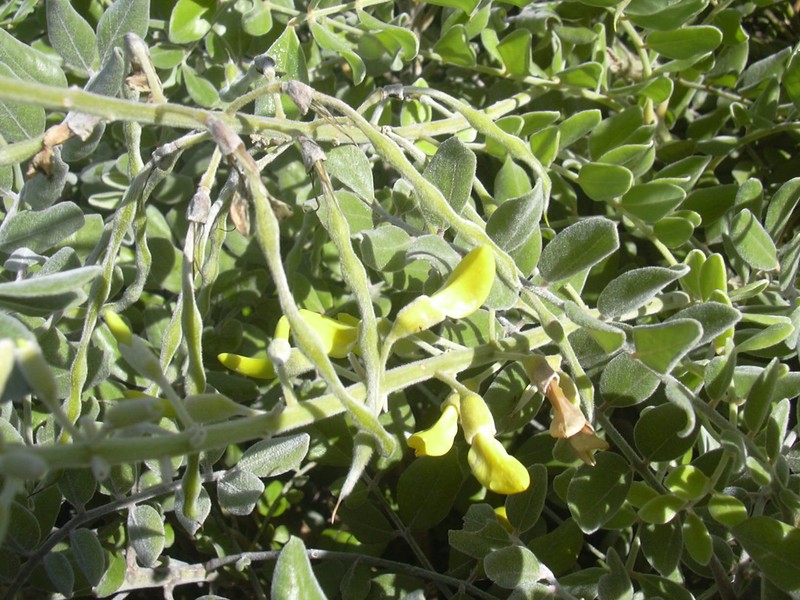
Forest & Kim Starr (www.hear.org)
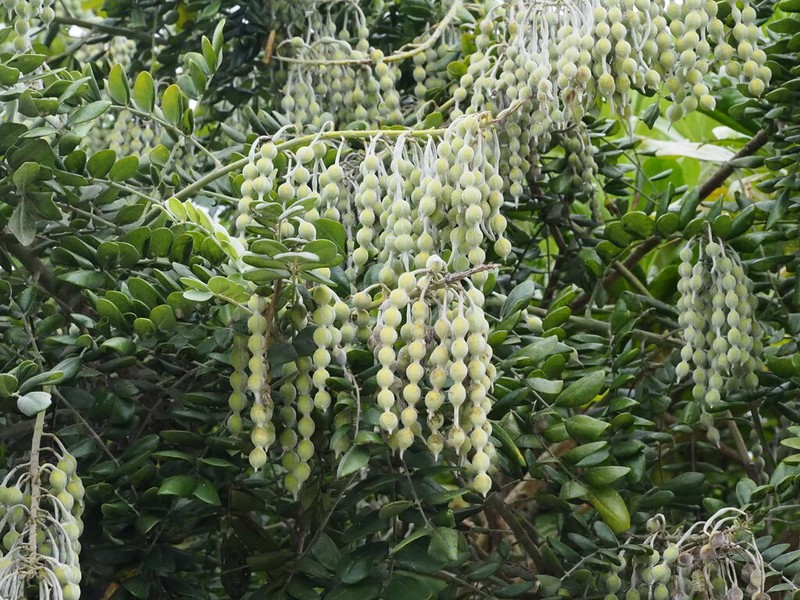
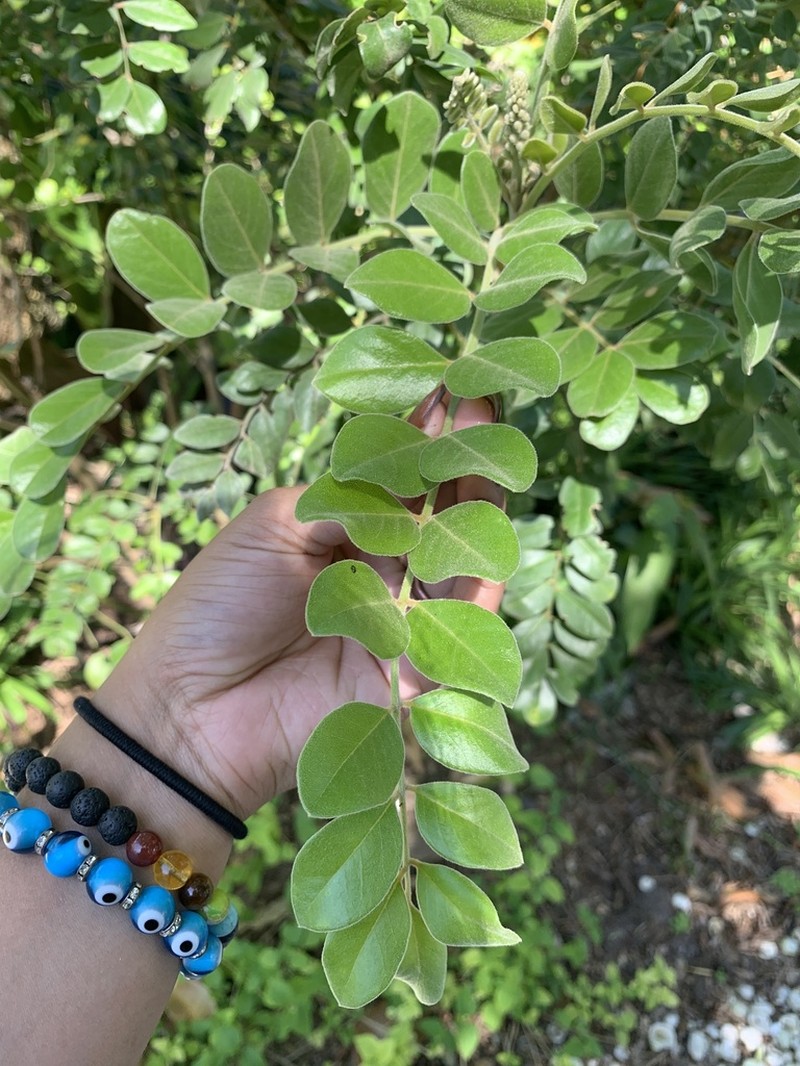
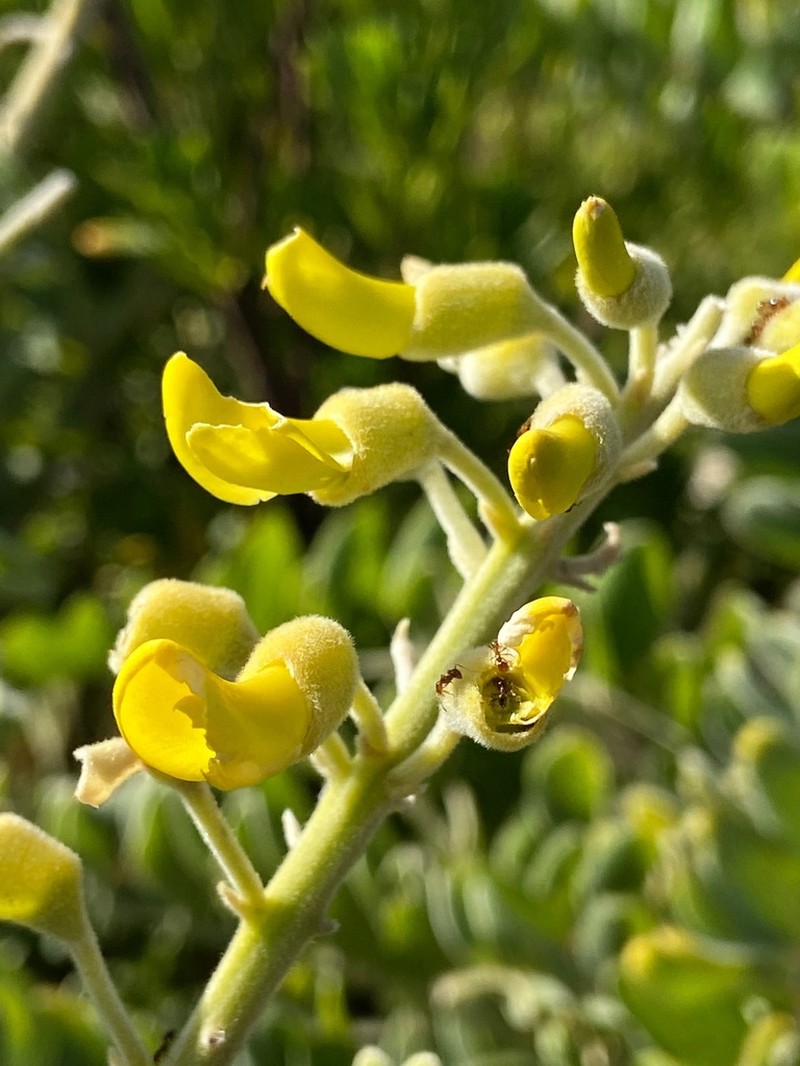
Taxonomy
- Division:
- Magnoliophyta | - Flowering plants
- Family:
- Fabaceae
- Genus:
- Sophora
- Species:
- Sophora tomentosa
- USDA Symbol:
- SOTO3
Growth Characteristics
- Life Cycle:
- Perennial
- Growth Habit:
- Shrub , Tree
- Height:
- 400 cm
- Light Requirements:
- Part Shade
- Drought Tolerance:
- High
- Bloom Months:
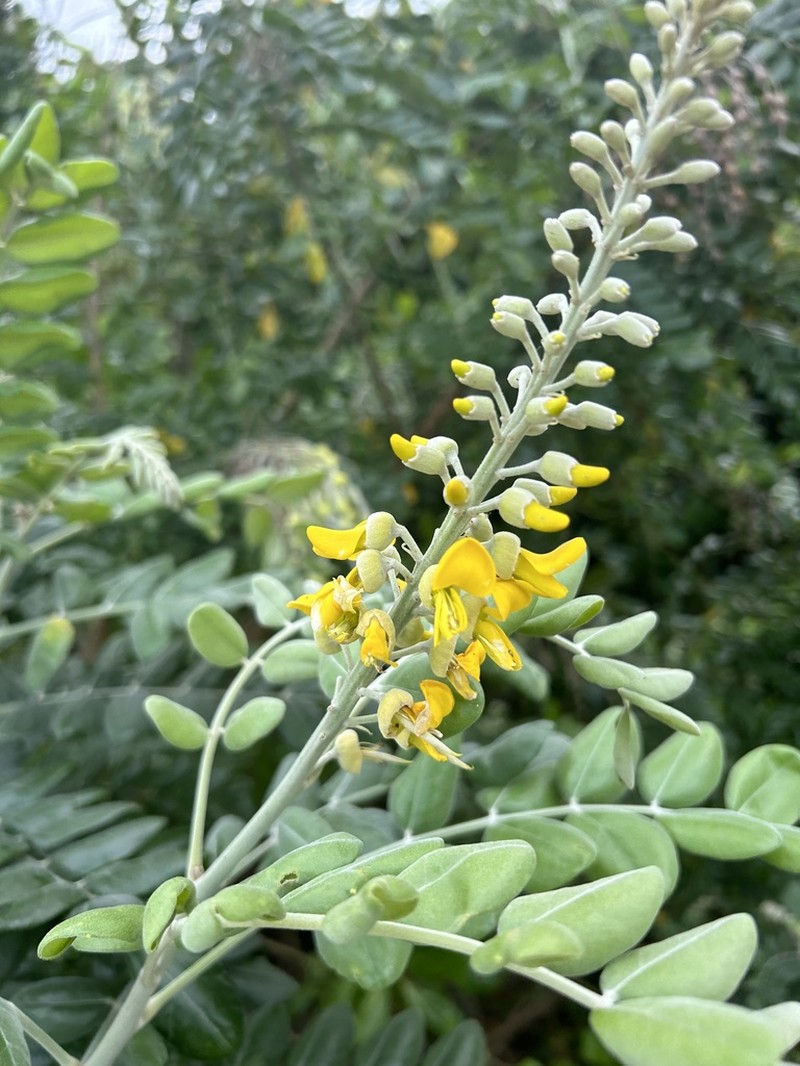
- mar,apr,may,jun,jul,aug,sep,oct
- Bloom Colors:
- yellow
- Landscaping Shrub:
- Yes
Wildlife Benefits
- Bees:
- ★☆☆☆☆ Documented bee visitation (GBIF)
- Butterflies & Moths:
- ★☆☆☆☆ Documented Lepidoptera association (GBIF)
- Caterpillars:
- ★☆☆☆☆ Recorded caterpillar host plant (HOSTS Database)
Host Plant for Caterpillars
Genista Broom Moth (Uresiphita reversalis)
Reported Fauna Sightings
Moths:Genista Broom Moth (Uresiphita reversalis)
Garden & Ecology Notes
- Wildlife Value:
- birds, butterflies
- Deer Resistant:
- Yes
- Salt Tolerant:
- Yes
Soil Requirements
- Soil Type:
- sandy, well-drained, nutrient-poor soil
- pH:
- 6.0 - 8.0 (slightly acidic to neutral)
- Drainage:
- excellent drainage required
- Moisture:
- dry to moderate
- Notes:
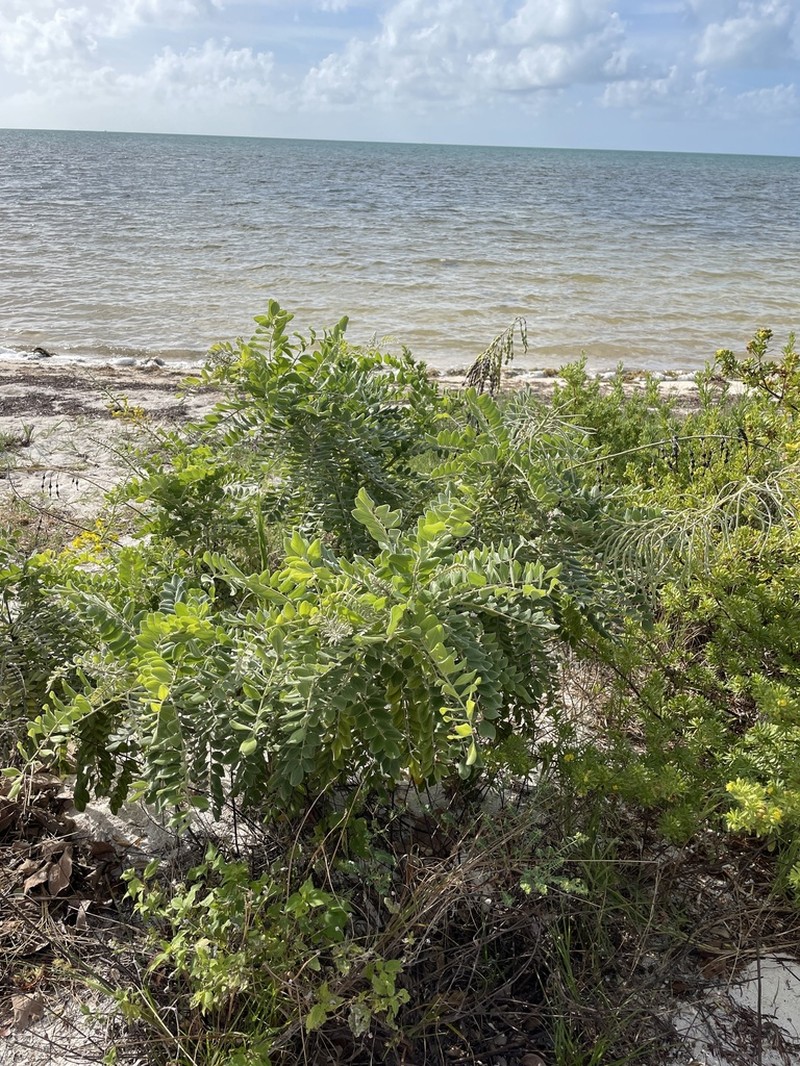
- Commonly found in coastal areas and dunes.
Propagation & Germination
- Scarification:
- Seed coat scarification required before sowing
- Notes:
- Seeds require scarification (nicking or hot water treatment) to break physical dormancy; germination occurs within 2-4 weeks under warm conditions.
Where to Buy
Nationwide Seller
- Sheffield's Seed (seeds)