
Prosopis torquata
Strombocarpa torquata
- Native to:
- Argentina
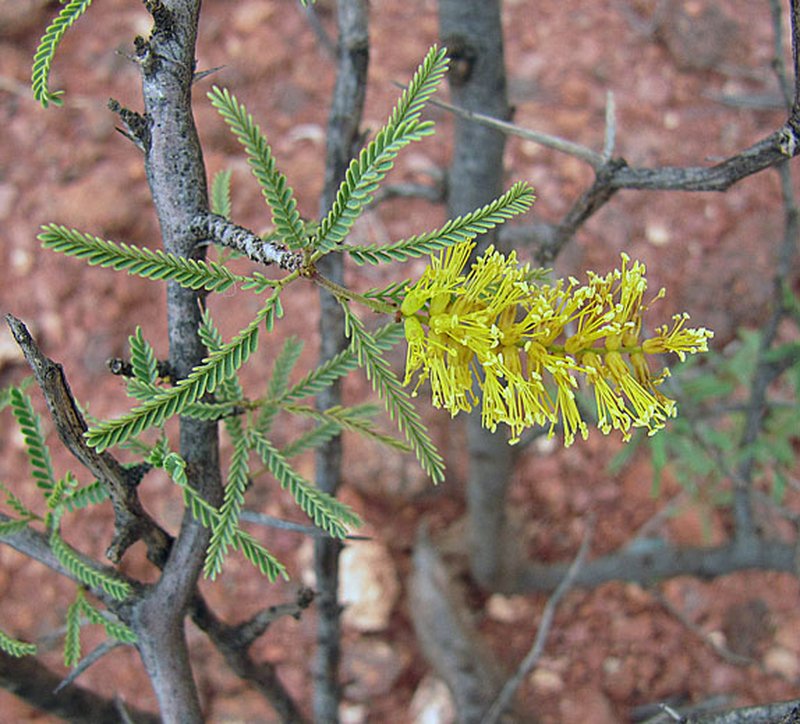
Dick Culbert (www.flickr.com) from Gibsons, B.C., Canada,Dick Culbert (www.flickr.com) from Gibsons, B.C., Canada,Cordo, Hugo A DeLoach, C. Jack United States. Agricultural Research Service,Buek, H. W. Candolle, Augustin Pyramus de,,United States Department of Agriculture,Cotta, J. G. Steudel, Ernst Gottlieb,,Bombay Natural History Society,,United States. Army. Corps of Engineers. Galveston District,Steudel, Ernst Gottlieb, 1783-1856. nb2009032020,Thunberg, Carl Peter, 1743-1828 Rystedt, Fredrik Melcher Gestrin, Johan Nathanael, b. 1804 Mellander, Jonas, 1805-1833 Richmond, Charles Wallace, 1868-1932, former owner. DSI,Miller, Donald

Taxonomy
- Division:
- Magnoliophyta | - Flowering plants
- Family:
- Fabaceae
- Genus:
- Strombocarpa
- Species:
- Strombocarpa torquata
- USDA Symbol:
- PRTO3
Growth Characteristics
- Height:
- 600 cm
- Drought Tolerance:
- High
- Bloom Months:
- mar,apr,may
- Bloom Colors:
- yellow
- Landscaping Shrub:
- Yes
Garden & Ecology Notes
- Wildlife Value:
- birds, butterflies
- Salt Tolerant:
- Yes
- Fragrant:
- Yes
Soil Requirements
- Soil Type:
- sandy, well-drained, nutrient-poor soil
- pH:
- 5.5 - 7.0 (slightly acidic to neutral)
- Drainage:
- excellent drainage required
- Moisture:
- dry to moderate
- Notes:
- native to arid regions, prefers low fertility
Propagation & Germination
- Stratification:
- Warm then cold/moist stratification (double dormancy) — 30–90 days
- Scarification:
- Seed coat scarification required before sowing
- Germination Time:
- 14–60 days
- Notes:
- Seeds require scarification (nicking or hot water treatment) followed by warm stratification then cold stratification for optimal germination.