
Tamarind
Tamarindus indica
- Native to:
- Comoros, Guam, Madagascar, Navassa Island, Palau, U.S. Minor Outlying Islands
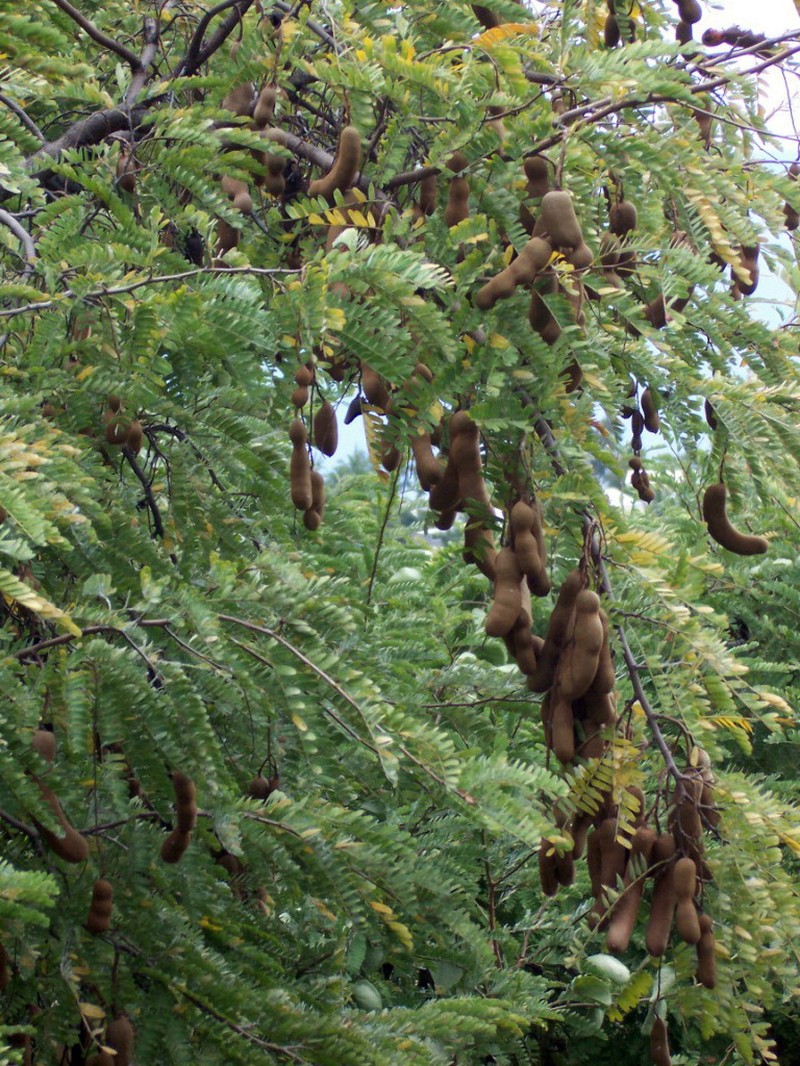
Ivar Leidus
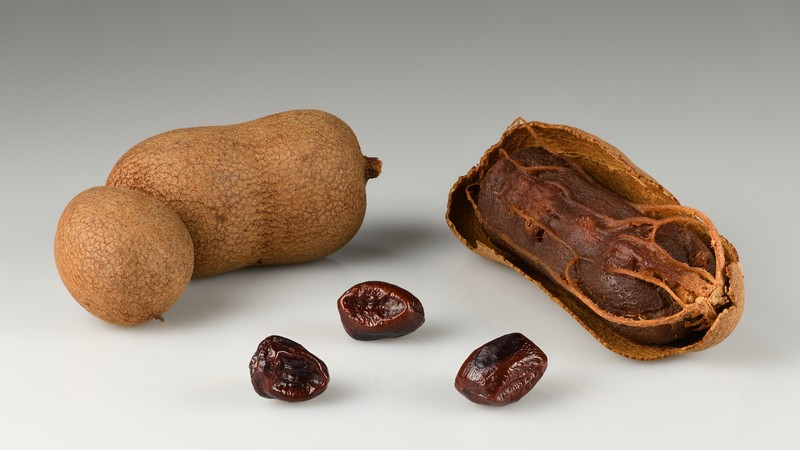
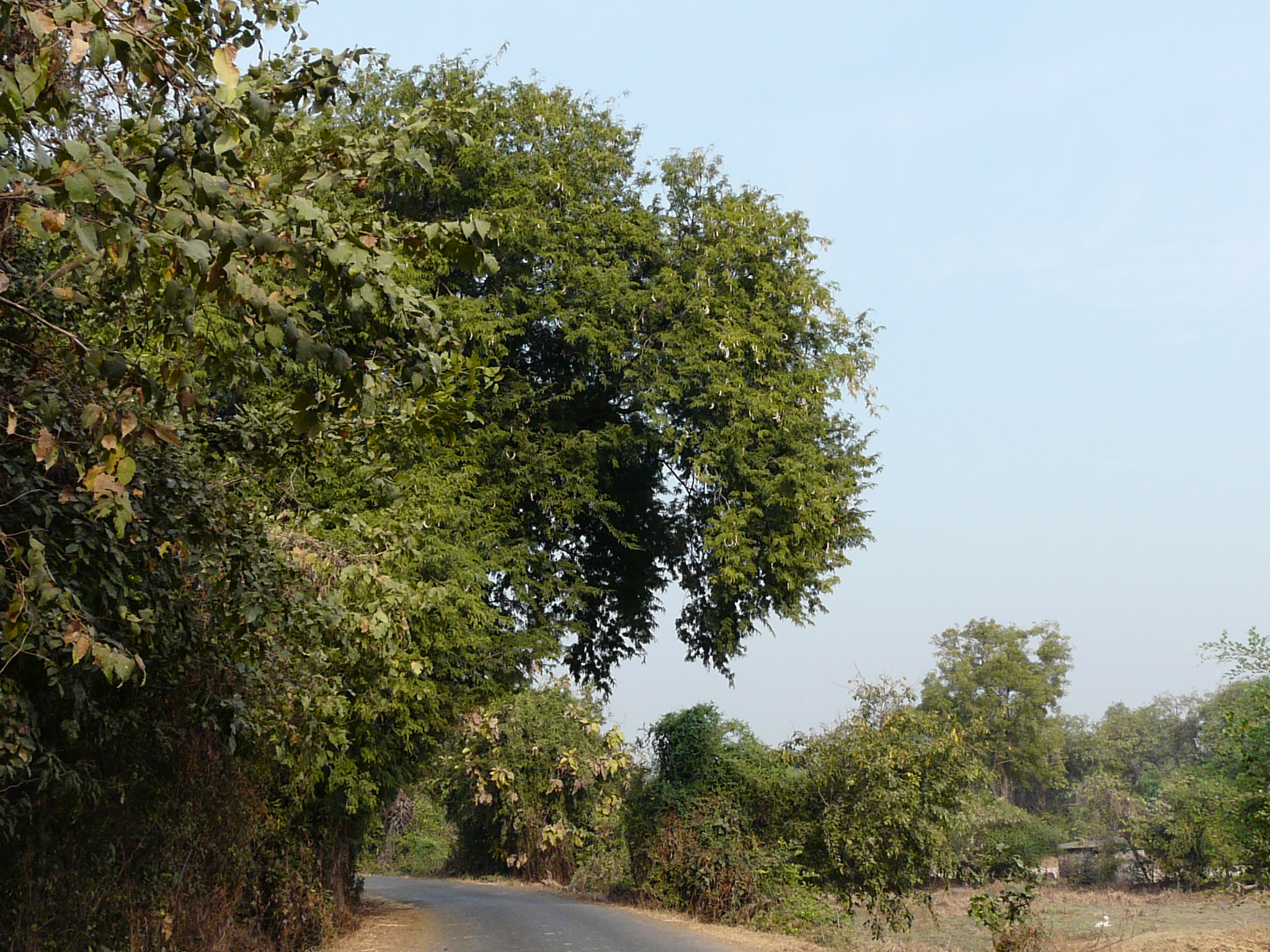
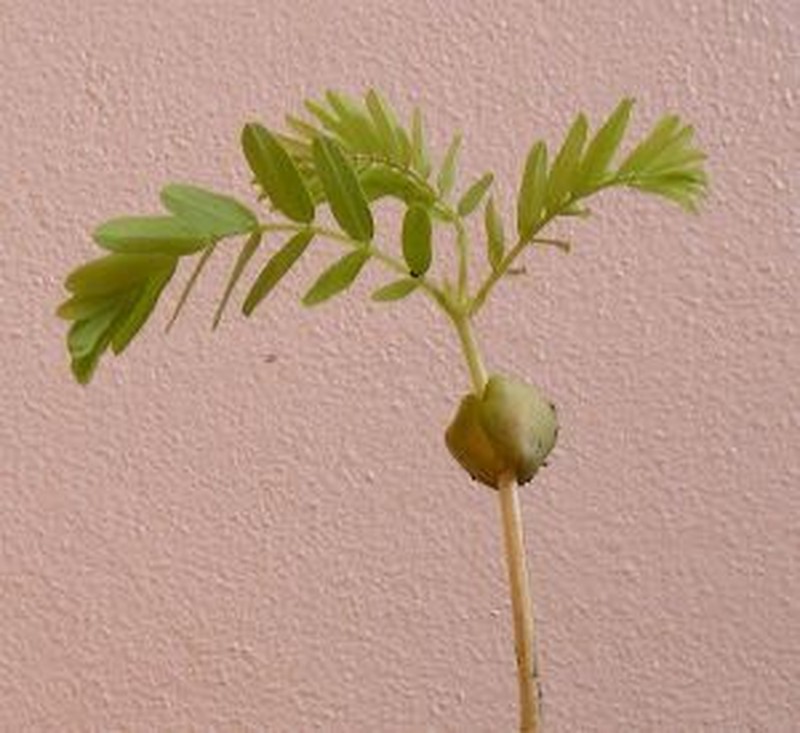
Taxonomy
- Division:
- Magnoliophyta | - Flowering plants
- Family:
- Fabaceae
- Genus:
- Tamarindus
- Species:
- Tamarindus indica
- USDA Symbol:
- TAIN2
Growth Characteristics
- Life Cycle:
- Perennial
- Growth Habit:
- Tree
- Height:
- 2400 cm
- Light Requirements:
- Full Sun
- Drought Tolerance:
- High
- Bloom Months:
- may,jun
- Bloom Colors:
- yellow, red
Wildlife Benefits
- Butterflies & Moths:
- ★★☆☆☆ Documented Lepidoptera association (GBIF)
- Caterpillars:
- ★★☆☆☆ Recorded caterpillar host plant (HOSTS Database)
Host Plant for Caterpillars
Caribbean pod borer (Fundella pellucens), almond moth (Cadra cautella), Carob moth (Ectomyelois ceratoniae), Ectomyelois decolor, navel orangeworm (Amyelois transitella), Phidotricha erigens
Garden & Ecology Notes
- Wildlife Value:
- birds, mammals
Soil Requirements
- Soil Type:
- deep, well-drained sandy loam
- pH:
- 5.5 - 7.5 (slightly acidic to neutral)
- Drainage:
- excellent drainage required
- Moisture:
- dry to moderate
- Notes:
- thrives in semi-arid tropical regions
Propagation & Germination
- Scarification:
- Seed coat scarification required before sowing
- Germination Time:
- 7–30 days
- Notes:
- Seeds require scarification (nicking or hot water treatment) to break hard seed coat.
Where to Buy
Nationwide Seller
- Sheffield's Seed (seeds)