
Spreadfruit Goldenbanner
Thermopsis divaricarpa
- Native to:
- United States
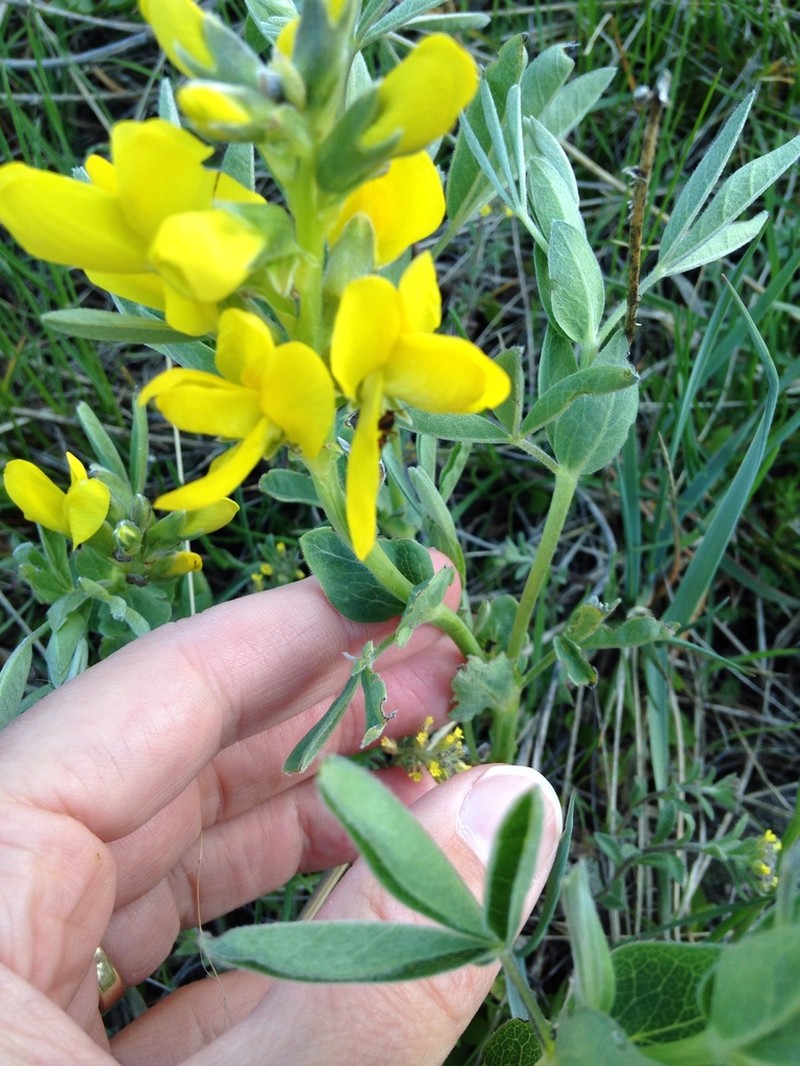
iNaturalist: © forester93 (iNaturalist #11617359)
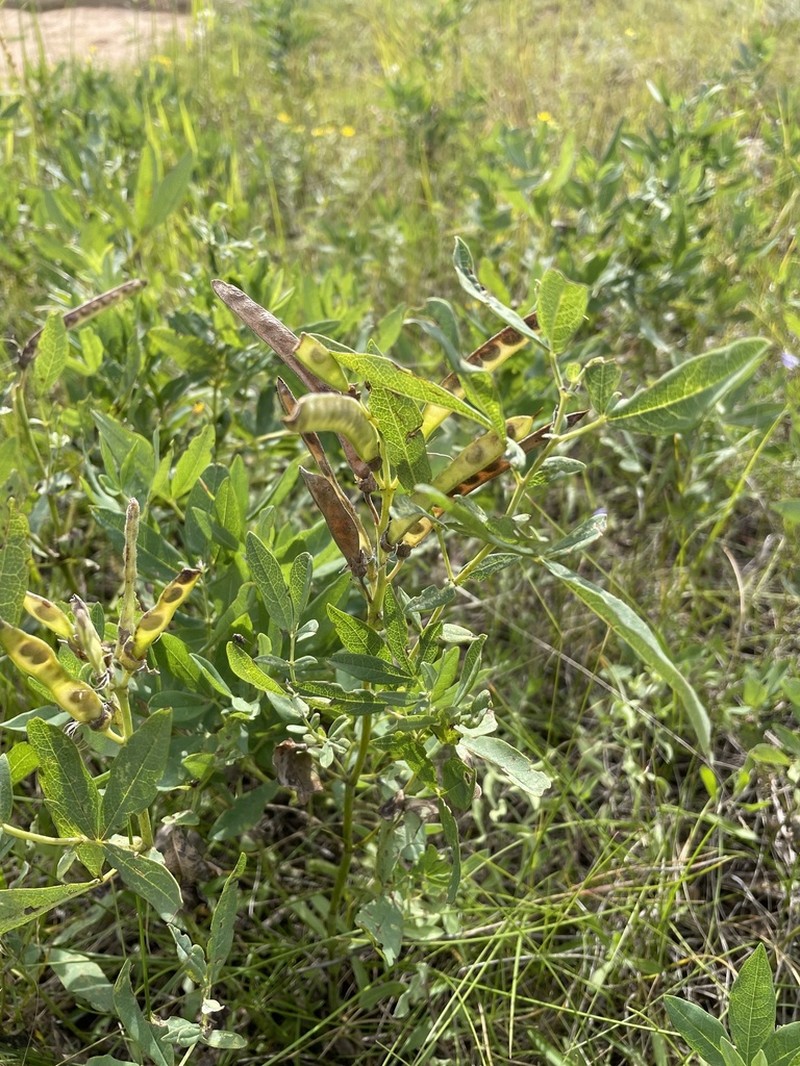
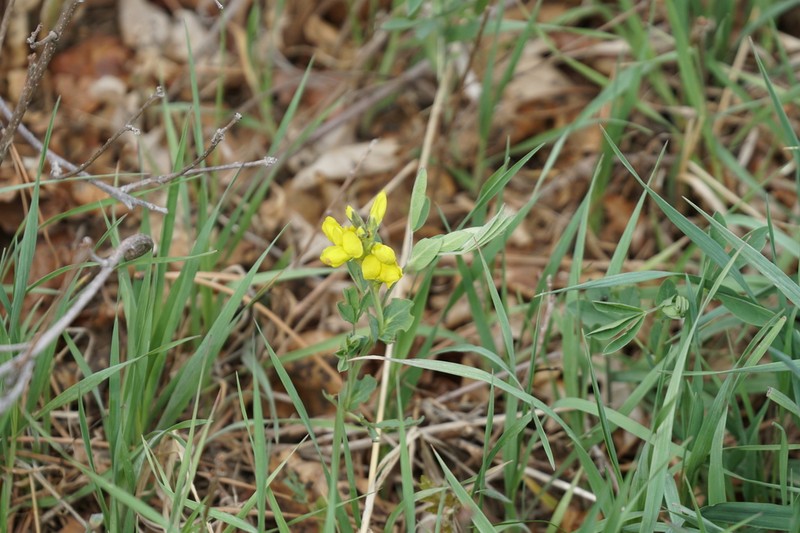
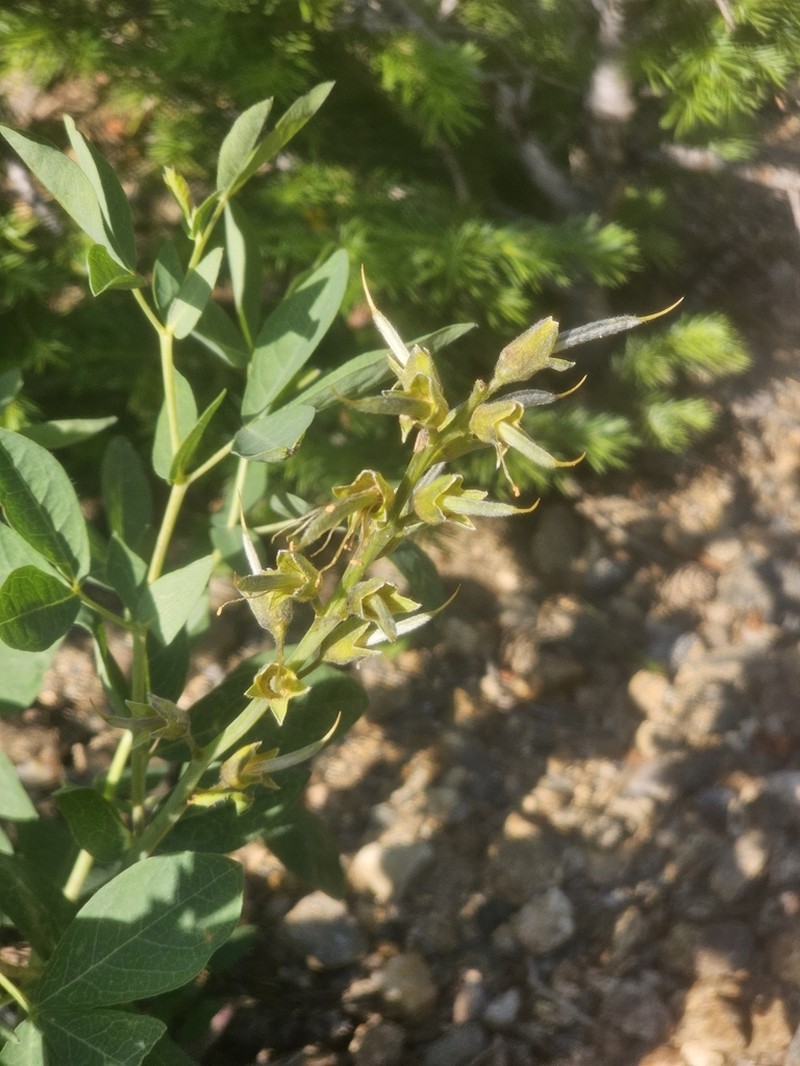
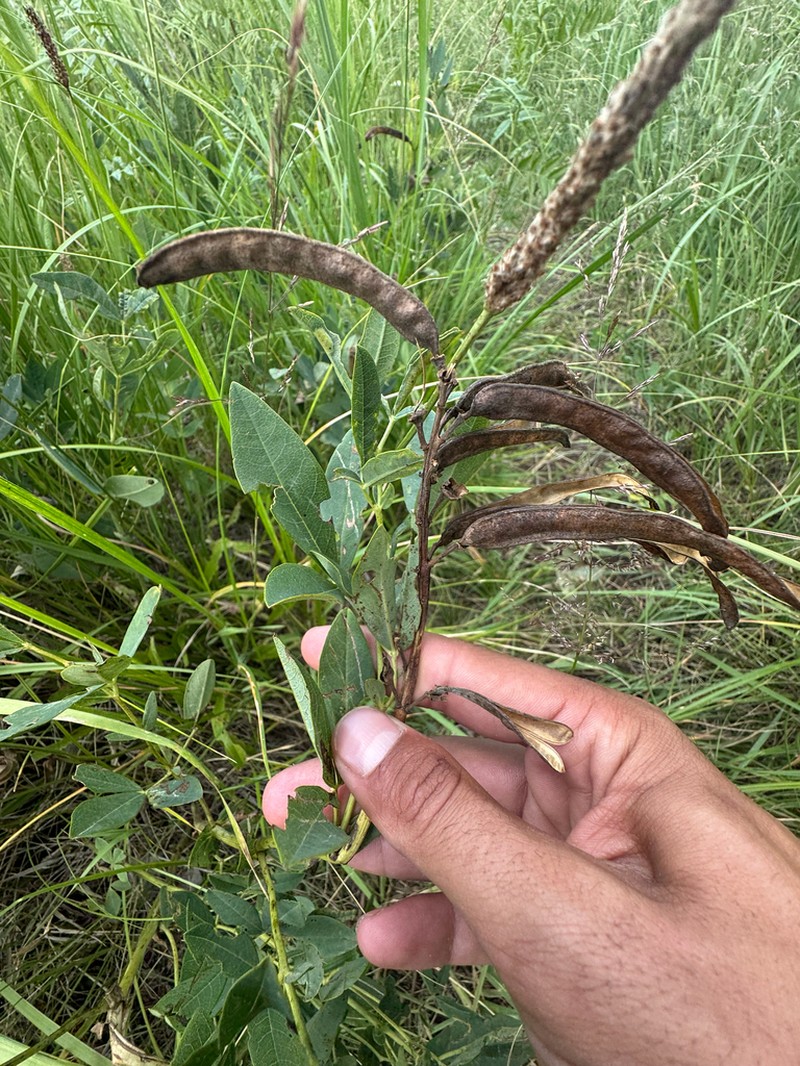
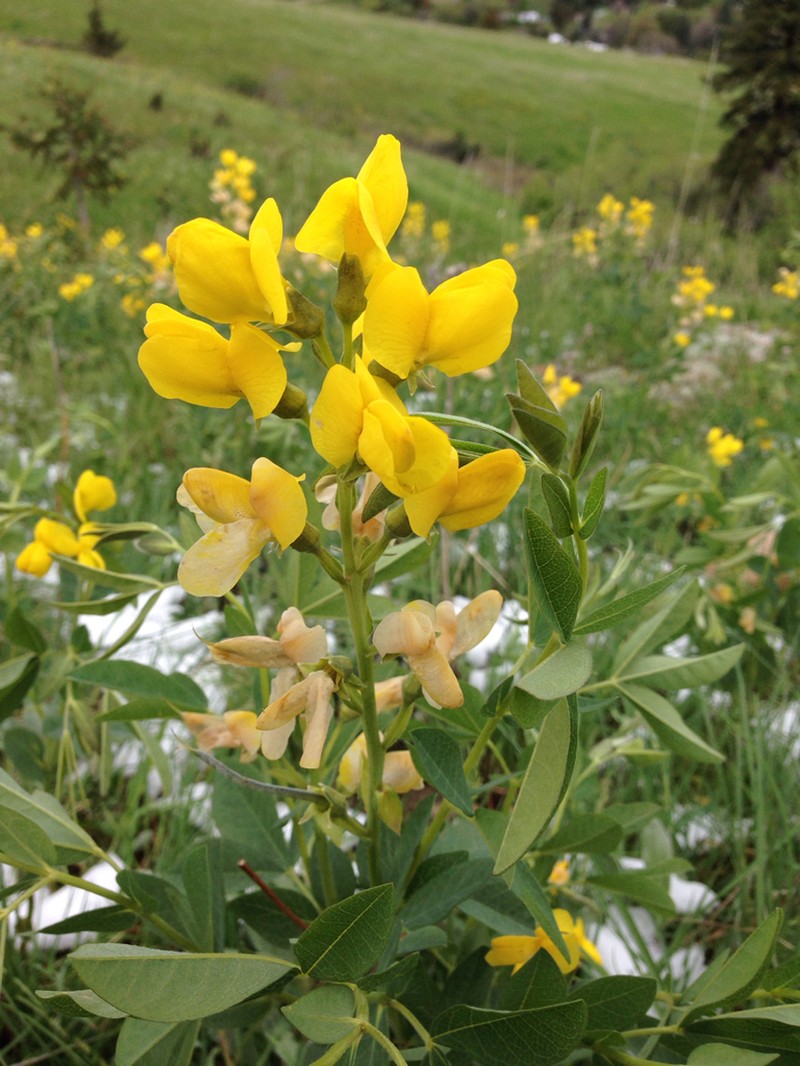
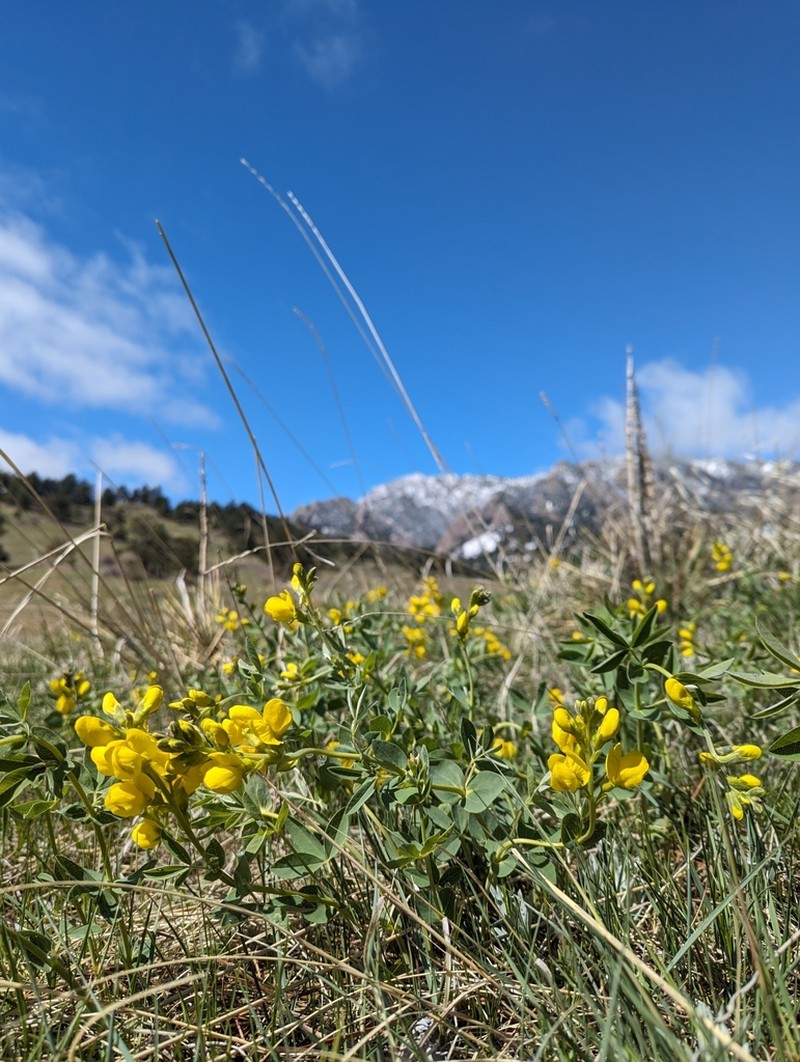
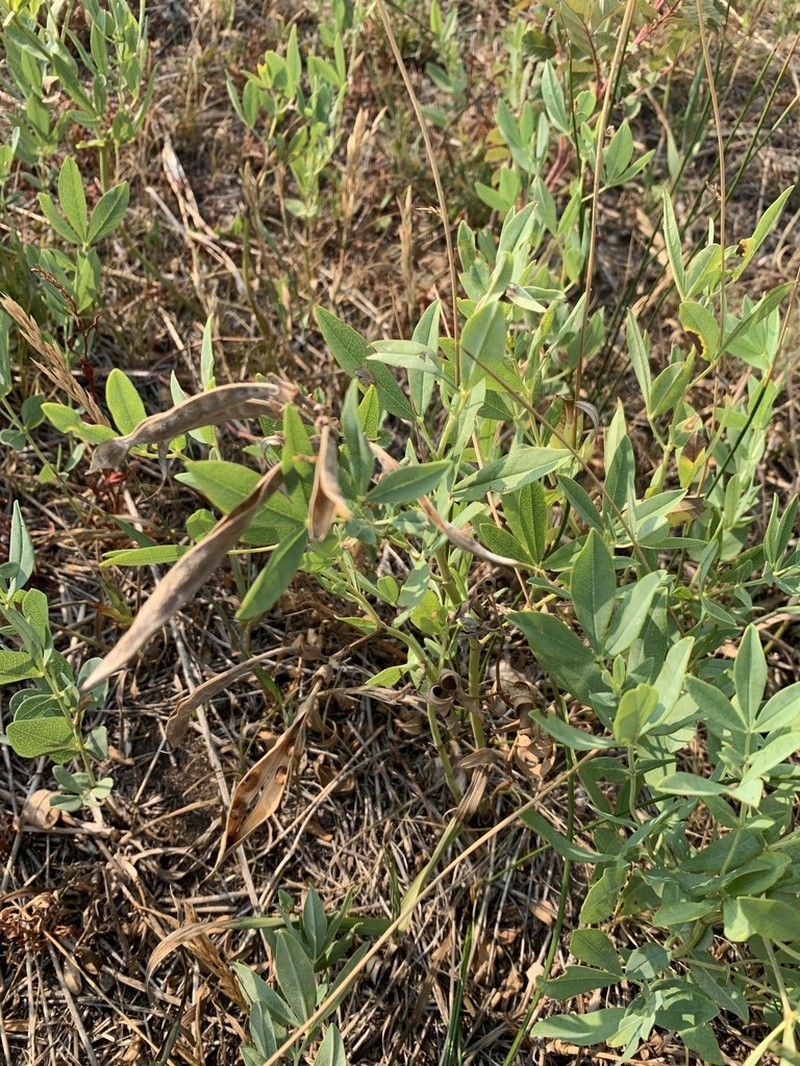
Taxonomy
- Division:
- Magnoliophyta | - Flowering plants
- Family:
- Fabaceae
- Genus:
- Thermopsis
- Species:
- Thermopsis divaricarpa
- USDA Symbol:
- THDI4
Growth Characteristics
- Life Cycle:
- Perennial
- Growth Habit:
- Forb/herb
- Height:
- 90 cm
- Light Requirements:
- Full Sun
- Drought Tolerance:
- Medium
- Bloom Months:
- may,jun,jul
- Bloom Colors:
- yellow
Wildlife Benefits
- Bees:
- ★☆☆☆☆ Documented bee visitation (GBIF)
- Butterflies & Moths:
- ★★★★★ Documented Lepidoptera association (GBIF)
- Caterpillars:
- ★★☆☆☆ Recorded caterpillar host plant (HOSTS Database)
Host Plant for Caterpillars
Filatima ornatifimbriella, Filatima xanthuris, Parectopa thermopsella, Virgin Tiger Moth (Grammia virgo), Orange Sulphur (Colias eurytheme), ⚠️Persius duskywing (Erynnis persius), Queen Alexandra's Sulphur (Colias alexandra), Silvery Blue (Glaucopsyche lygdamus)
Garden & Ecology Notes
- Wildlife Value:
- bees, butterflies
Soil Requirements
- Soil Type:
- well-drained, sandy or rocky soil
- pH:
- 6.0 - 7.5 (slightly acidic to neutral)
- Drainage:
- excellent drainage required
- Moisture:
- dry to moderate
- Notes:
- prefers open, sunny habitats
Propagation & Germination
- Stratification:
- Cold/moist stratification required — 30–60 days
- Scarification:
- Seed coat scarification required before sowing
- Germination Time:
- 14–30 days
- Notes:
- Seeds benefit from scarification (nicking or hot water treatment) followed by cold stratification for 30-60 days to break dormancy.
Pre-treatment: Scarification followed by several days soaking. Some seeds may need to have their coat removed after soaking. For cuttings, treatment with rooting hormone is required.
Establishment: Seed cleaning technique involves removing seeds from pods. Care should be taken not to damage the radical when removing the seed coat after soaking. The propagation protocol may vary depending on the collection location.
Source: npn.rngr.net