
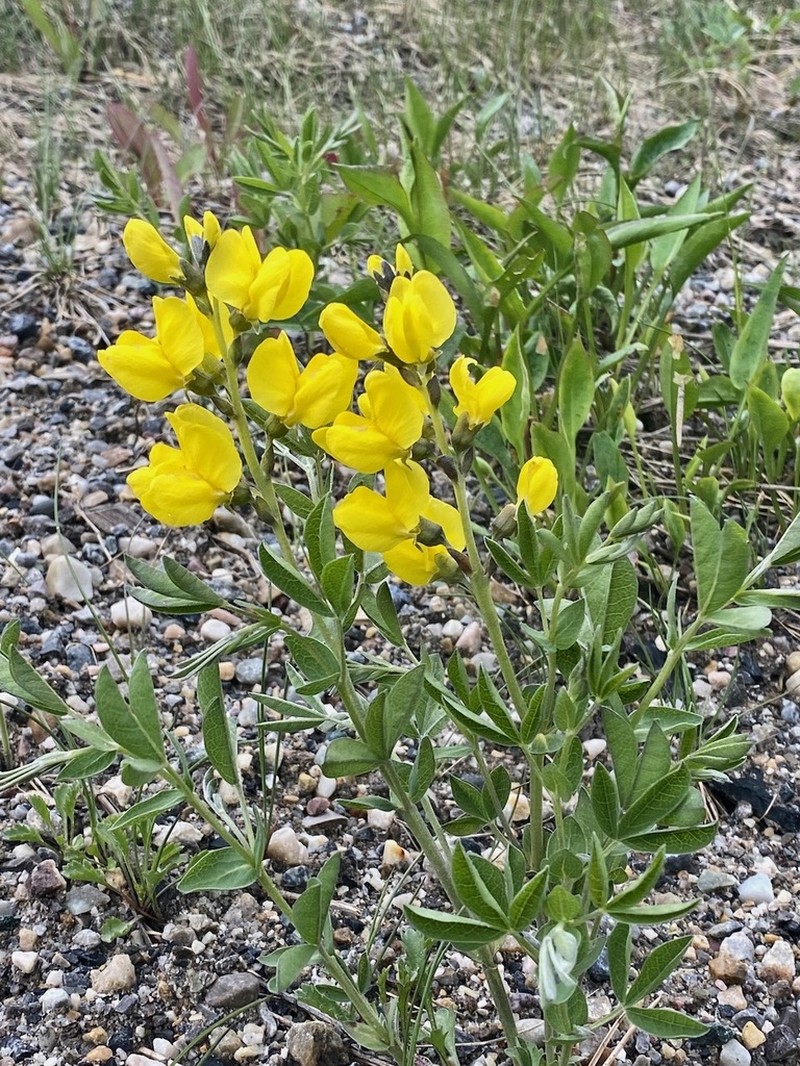
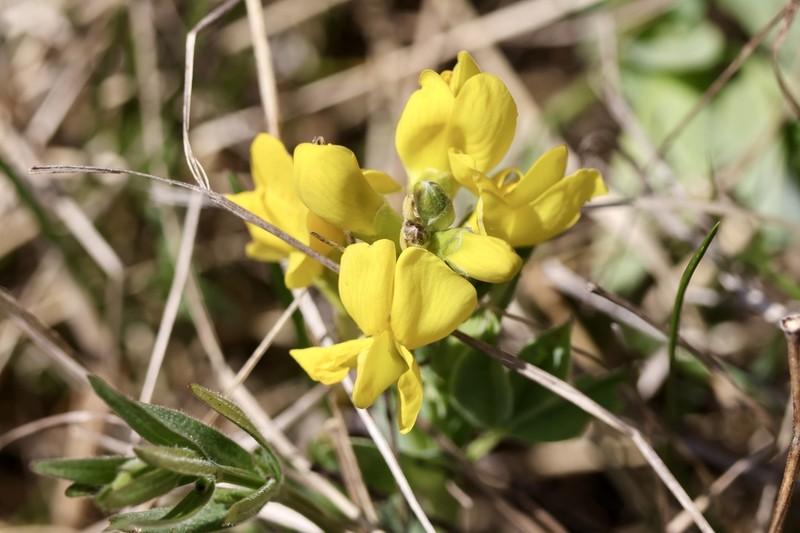
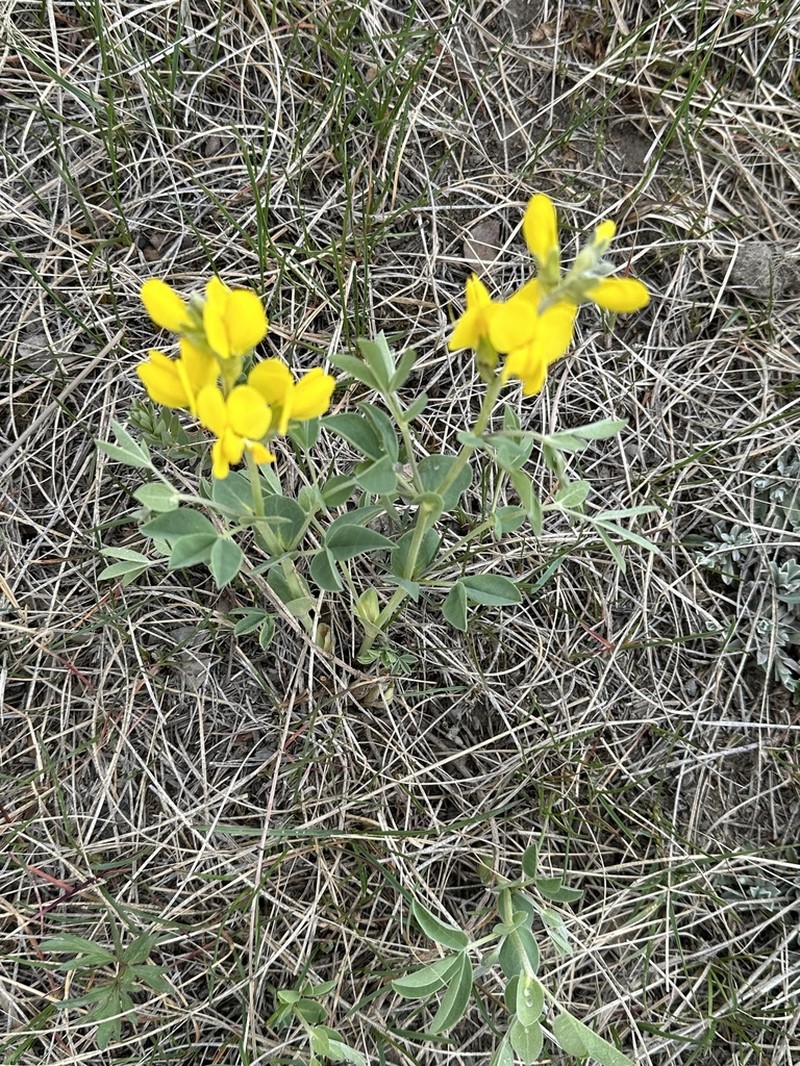
Prairie Thermopsis
Thermopsis rhombifolia
- Native to:
- Canada, United States
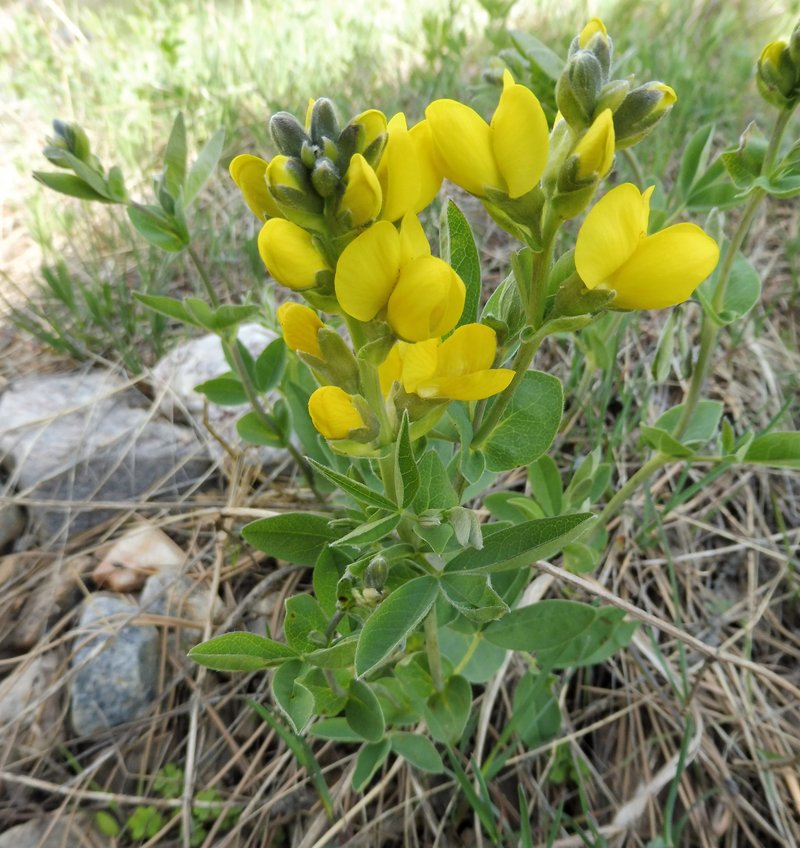
Mason Brock ( Masebrock (en.wikipedia.org) )
Taxonomy
- Division:
- Magnoliophyta | - Flowering plants
- Family:
- Fabaceae
- Genus:
- Thermopsis
- Species:
- Thermopsis rhombifolia
- USDA Symbol:
- THRH
Growth Characteristics
- Life Cycle:
- Perennial
- Growth Habit:
- Forb/herb
- Height:
- 60 cm
- Light Requirements:
- Full Sun
- Drought Tolerance:
- High
- Bloom Months:
- may,jun,jul
- Bloom Colors:
- yellow
Wildlife Benefits
- Bees:
- ★☆☆☆☆ Documented bee visitation (GBIF)
- Butterflies & Moths:
- ★★★☆☆ Documented Lepidoptera association (GBIF)
- Caterpillars:
- ★★☆☆☆ Recorded caterpillar host plant (HOSTS Database)
- Hummingbirds:
- ★☆☆☆☆ Documented hummingbird visits (GBIF)
Host Plant for Caterpillars
Filatima ornatifimbriella, Filatima xanthuris, Parectopa thermopsella, Virgin Tiger Moth (Grammia virgo), Orange Sulphur (Colias eurytheme), ⚠️Persius duskywing (Erynnis persius), Queen Alexandra's Sulphur (Colias alexandra), Silvery Blue (Glaucopsyche lygdamus)
Reported Fauna Sightings
Bees: Brown-belted bumble bee (Bombus griseocollis), Central bumble bee (Bombus centralis), Fuzzy-horned bumble bee (Bombus mixtus), Half-black bumble bee (Bombus vagans), Hunt's bumble bee (Bombus huntii), Nevada bumble bee (Bombus nevadensis), Red-belted bumble bee (Bombus rufocinctus), Two-form bumble bee (Bombus bifarius) Hummingbirds: Broad-tailed Hummingbird (Selasphorus platycercus)
Garden & Ecology Notes
- Wildlife Value:
- bees, butterflies
- Deer Resistant:
- Yes
Soil Requirements
- Soil Type:
- dry, sandy, well-drained soil
- pH:
- 6.0 - 7.5 (slightly acidic to neutral)
- Drainage:
- excellent drainage required
- Moisture:
- dry to moderate
- Notes:
- native to prairies and open woodlands
Propagation & Germination
- Stratification:
- Cold/moist stratification required — 30–60 days
- Scarification:
- Seed coat scarification required before sowing
- Germination Time:
- 14–30 days
- Notes:
- Seeds benefit from scarification (nicking or hot water treatment) followed by cold stratification to break dormancy.
Pre-treatment: Seeds are scarified
Establishment: The plant is commonly found in moist prairies, streambanks and woodlands from the eastern half of the United States to the great Plains and north into Alberta east to Ontario. Seeds are typically collected in small lots, around 0.4 pounds, and hand collected into paper bags.
Source: npn.rngr.net
ORGHPS Germination Guide: Sow @ 20C. Germinates within 3 months.