
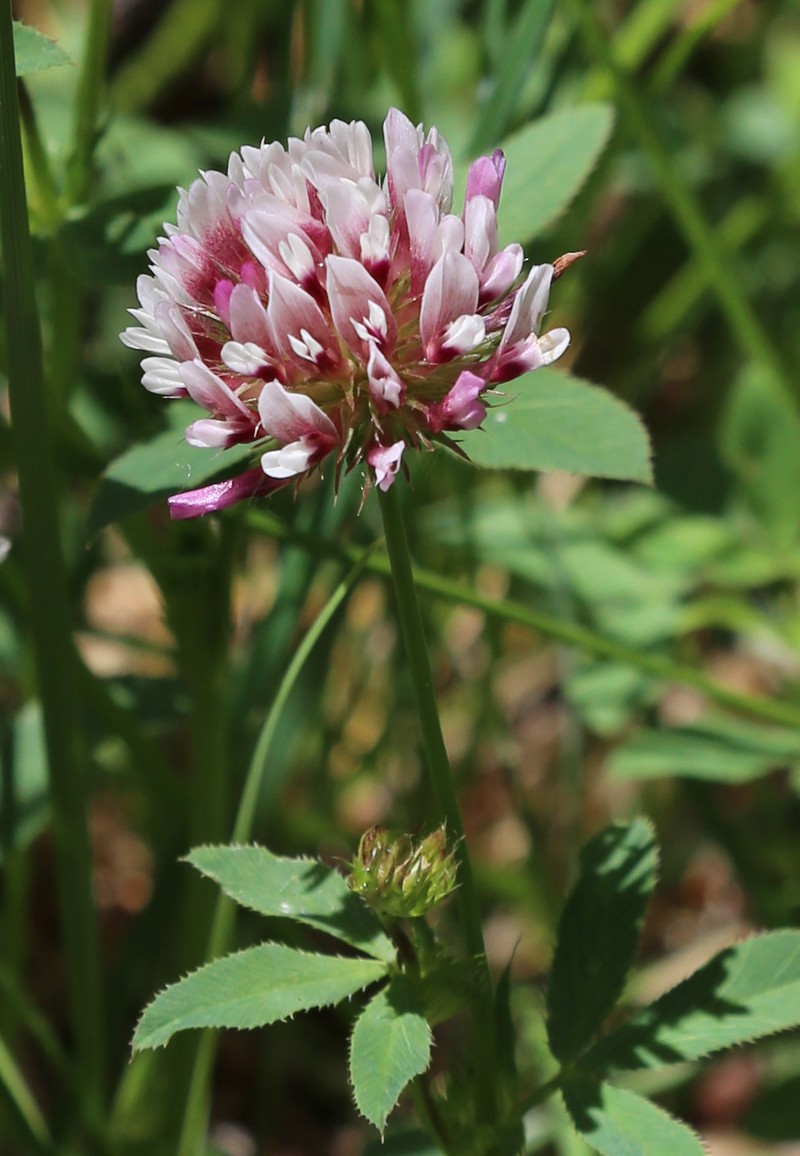
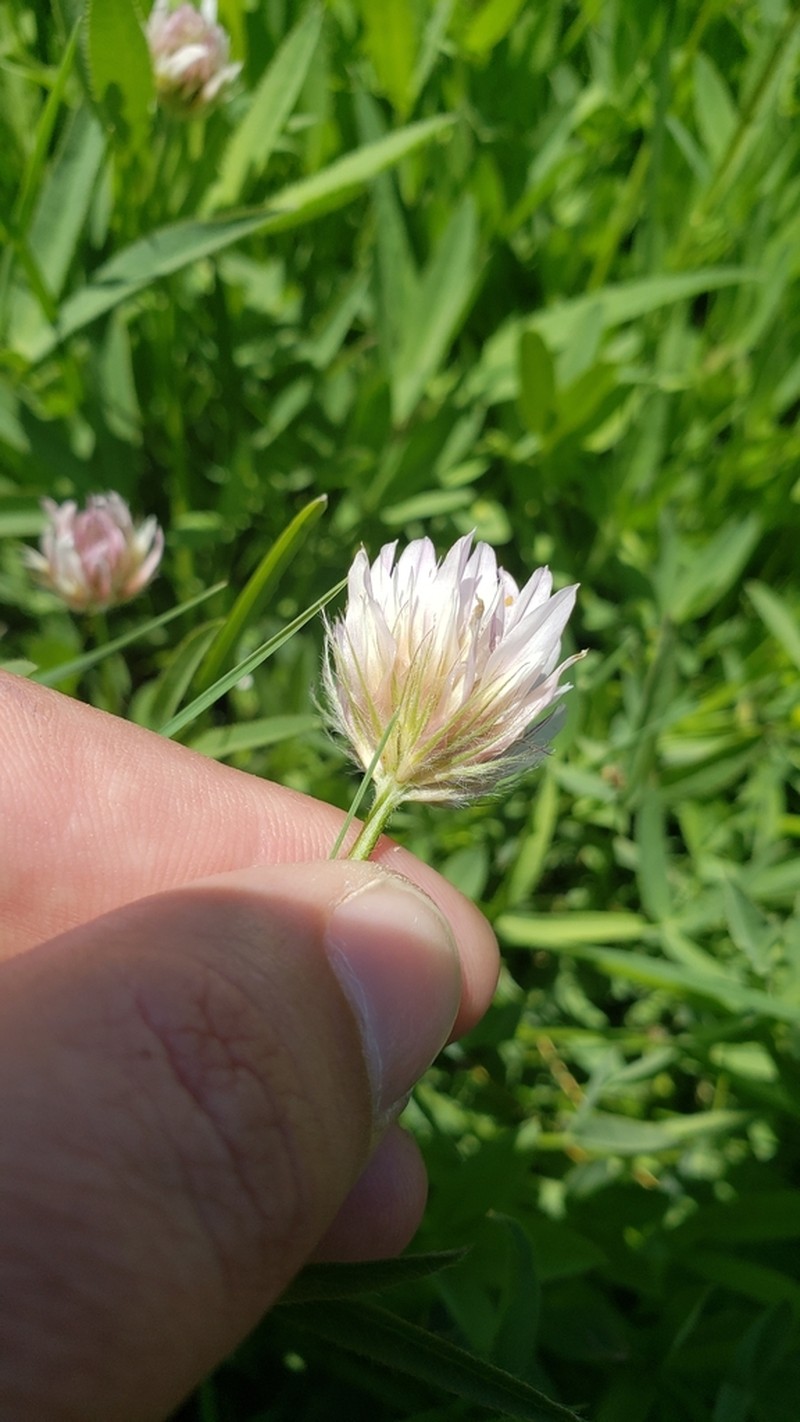
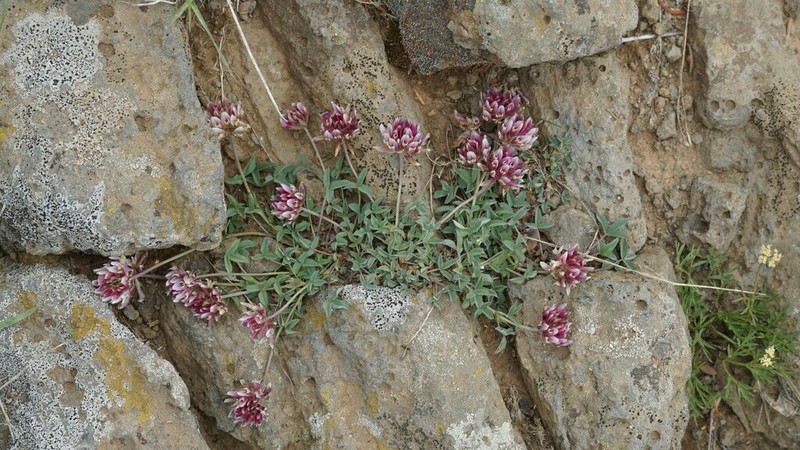
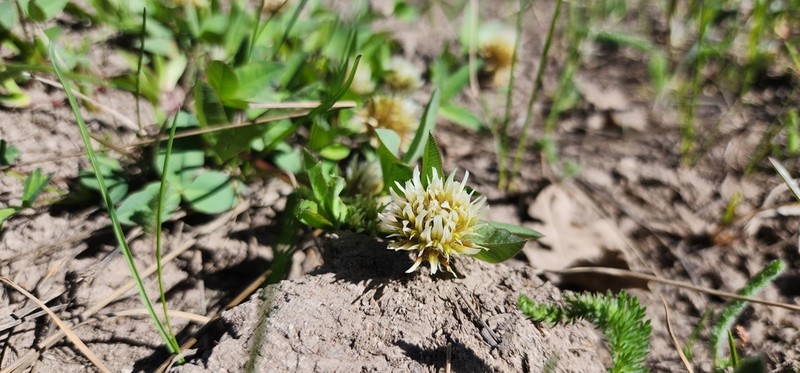
Longstalk Clover
Trifolium longipes
- Native to:
- Mexico, United States
Dcrjsr
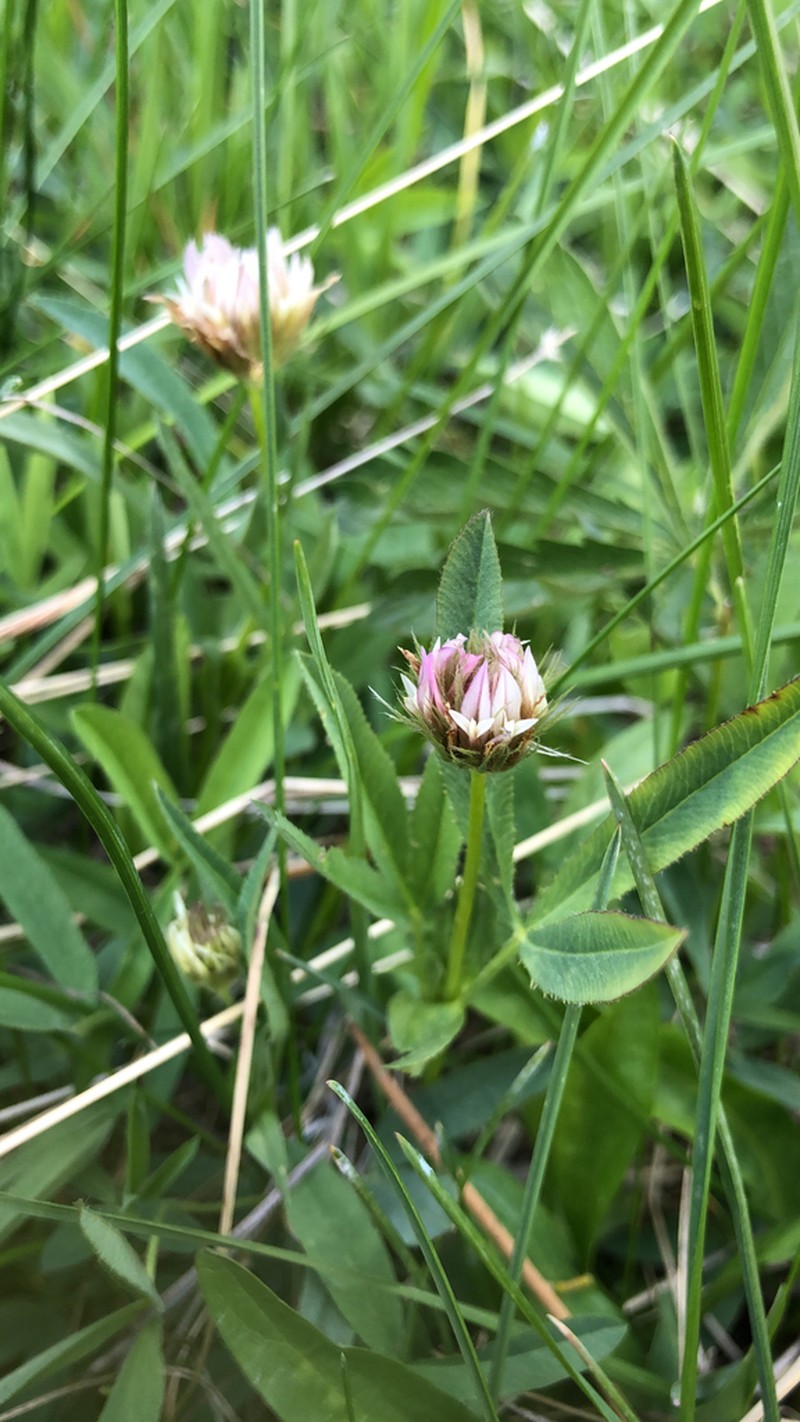
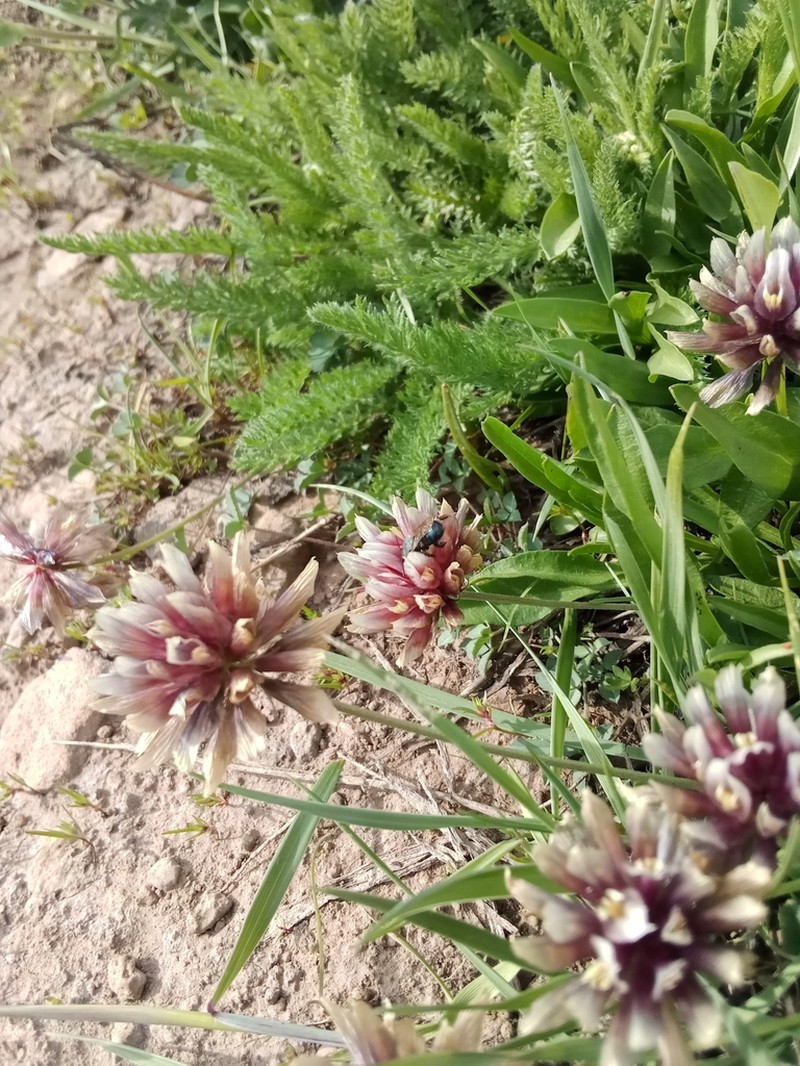
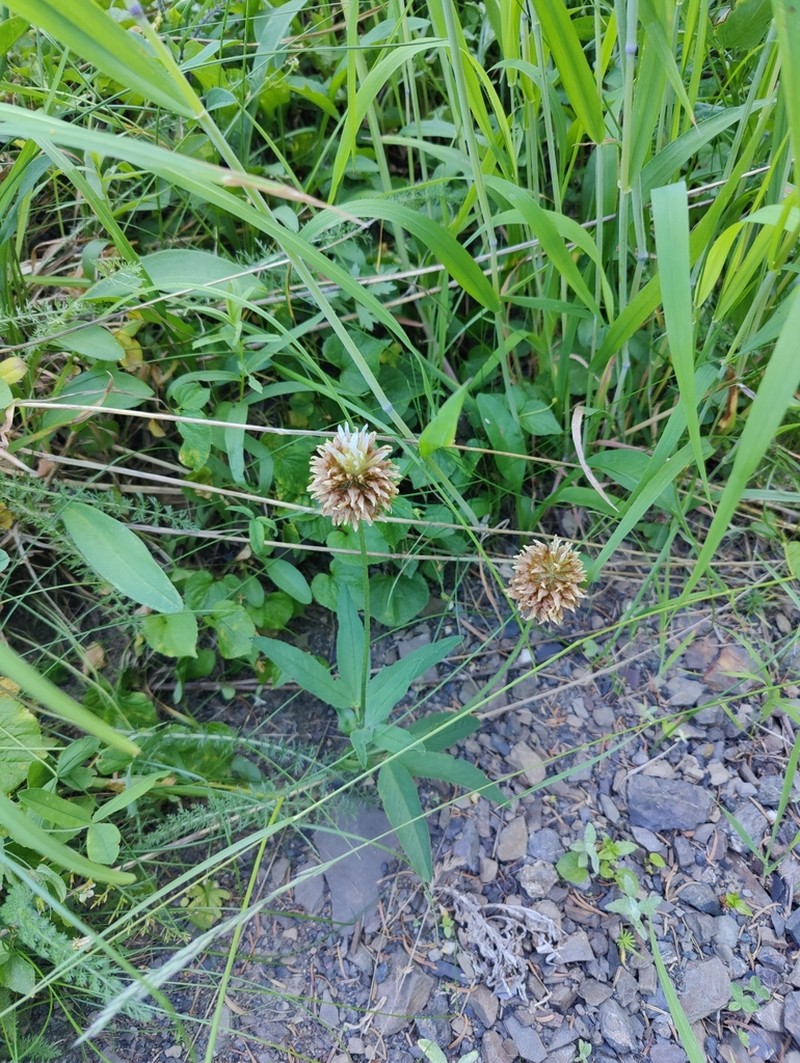
Taxonomy
- Division:
- Magnoliophyta | - Flowering plants
- Family:
- Fabaceae
- Genus:
- Trifolium
- Species:
- Trifolium longipes
- USDA Symbol:
- TRLO
Growth Characteristics
- Life Cycle:
- Perennial
- Growth Habit:
- Forb/herb
- Height:
- 60 cm
- Light Requirements:
- Full Sun
- Drought Tolerance:
- Medium
- Bloom Months:
- jun,jul,aug
- Bloom Colors:
- white, pink, purple
Wildlife Benefits
- Bees:
- ★☆☆☆☆ Documented bee visitation (GBIF)
- Butterflies & Moths:
- ★☆☆☆☆ Documented Lepidoptera association (GBIF)
- Caterpillars:
- ★☆☆☆☆ Recorded caterpillar host plant (HOSTS Database)
Keystone Species Ranking
- Pollen Specialist Bee Keystone:
- ★★☆☆☆ Native pollen specialist bee species supported by this genus (NWF)
Host Plant for Caterpillars
Greenish Blue (Plebejus saepiolus), Orange Sulphur (Colias eurytheme)
Reported Fauna Sightings
Bees: Two-form bumble bee (Bombus bifarius), Yellow head bumble bee (Bombus flavifrons)
Garden & Ecology Notes
- Wildlife Value:
- bees, butterflies, small mammals
Soil Requirements
- Soil Type:
- moist, well-drained loamy soil
- pH:
- 5.5 - 7.5 (slightly acidic to neutral)
- Drainage:
- good drainage required
- Moisture:
- consistently moist
- Notes:
- prefers alpine and subalpine meadows
Propagation & Germination
- Stratification:
- Cold/moist stratification required — 30–60 days
- Germination Time:
- 7–21 days
- Notes:
- Seeds germinate readily after cold stratification; sow in spring.
Pre-treatment: None required
Establishment: The plant typically grows in moist environments along the Western US. A 90 day cool (38F) treatment was found to decrease germination to 15%.
Source: npn.rngr.net