
Sweet Acacia
Vachellia farnesiana
Also known as: sweet acacia
- Native to:
- Argentina, Bahamas, Belize, Bolivia, Brazil, Cayman Is., Colombia, Costa Rica, Cuba, Dominican Republic, Ecuador, El Salvador, French Guiana, Guam, Guatemala, Guyana, Haiti, Honduras, Jamaica, Leeward Is., Mexico, Nicaragua, Panamá, Paraguay, Peru, Puerto Rico, Suriname, Trinidad-Tobago, Turks-Caicos Is., U.S. Minor Outlying Islands, United States, Uruguay, Venezuela, Virgin Islands, Windward Is.
Juan Carlos Fonseca Mata
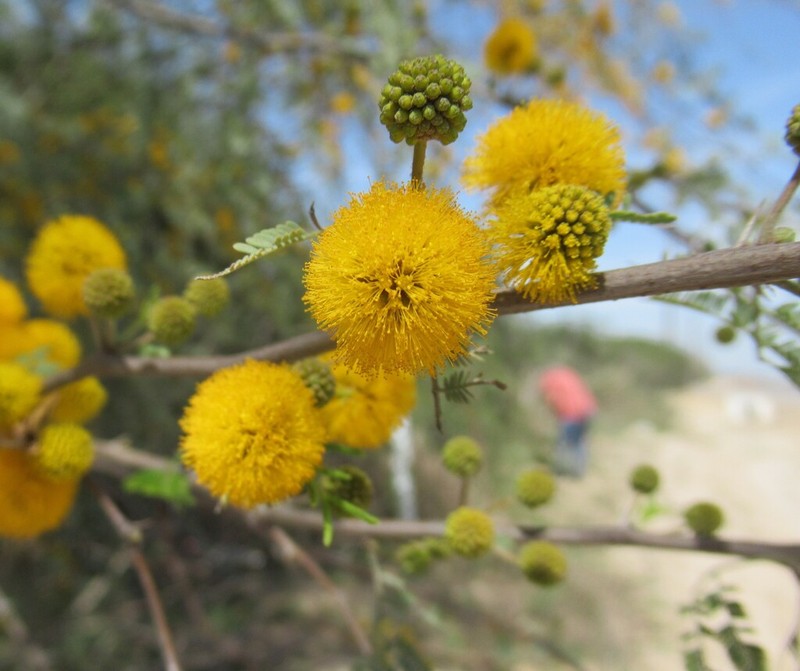
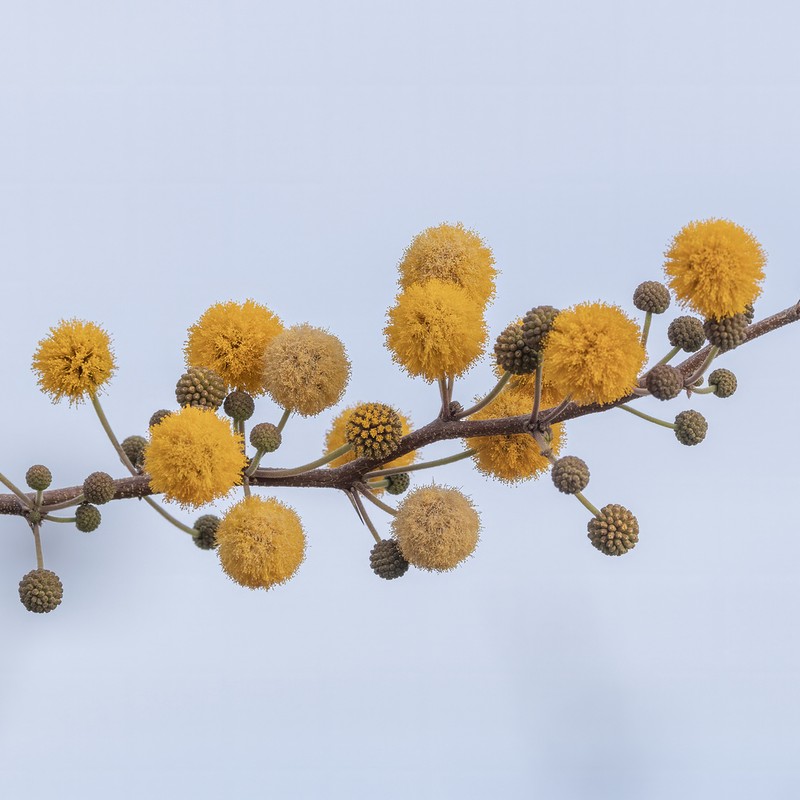
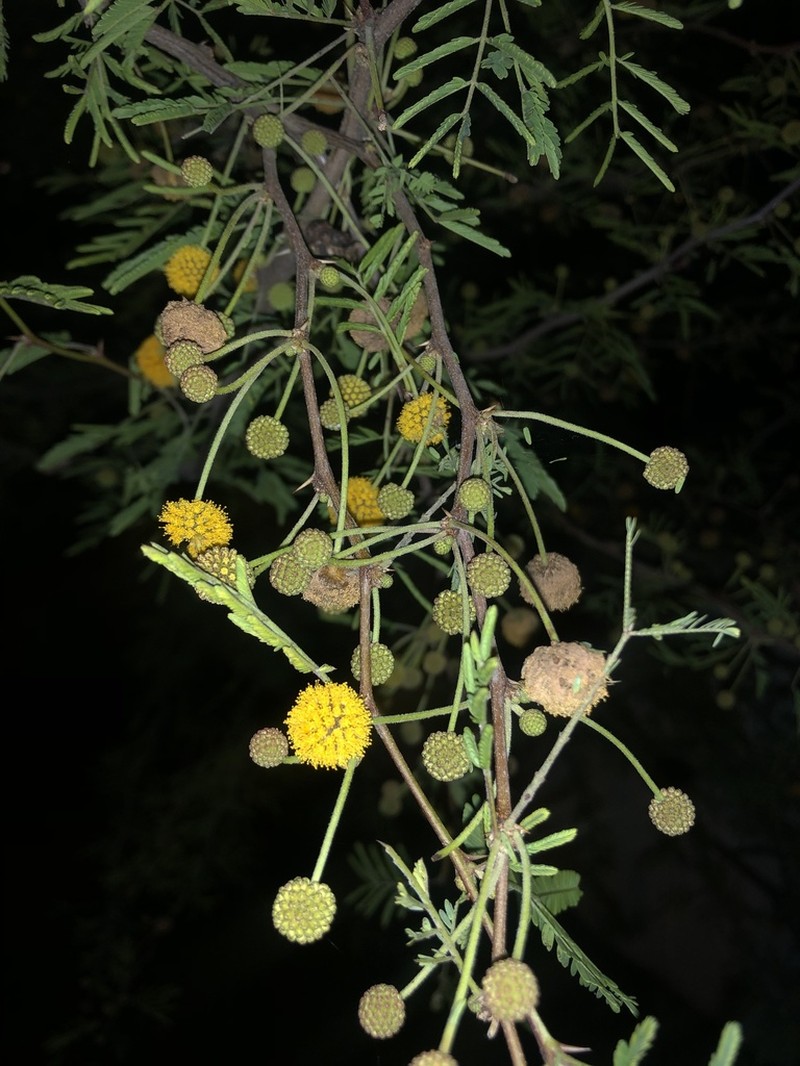
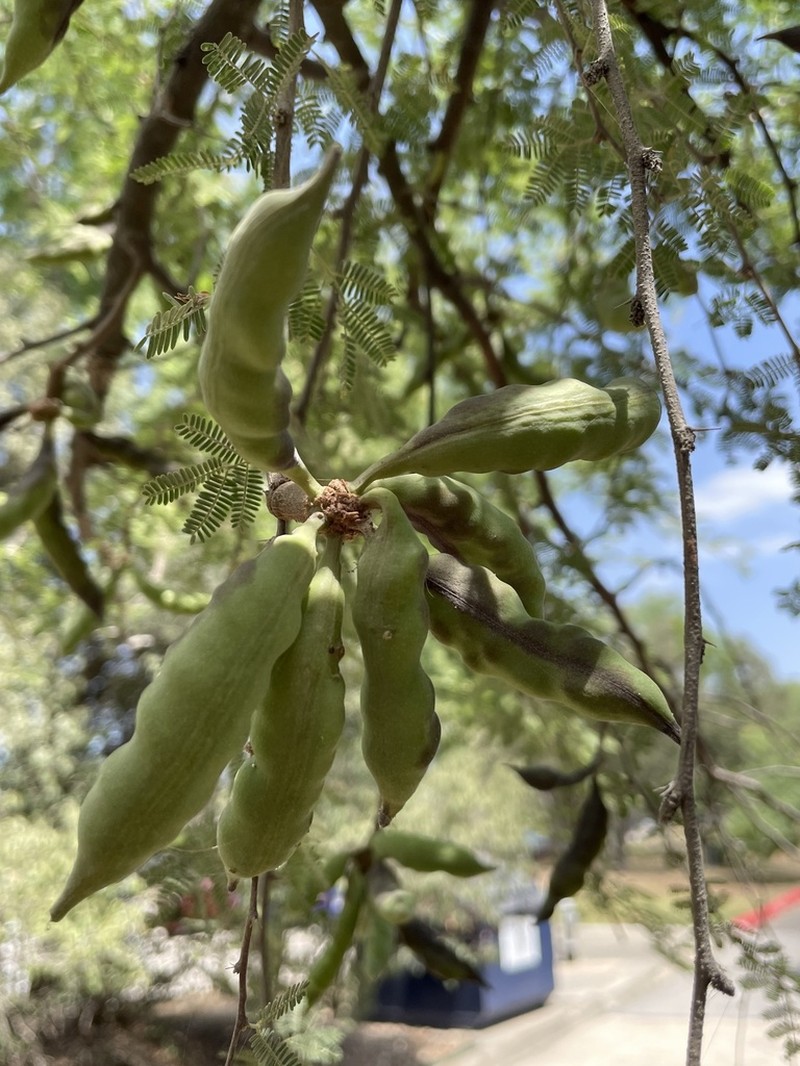
Taxonomy
- Division:
- Magnoliophyta | - Flowering plants
- Family:
- Fabaceae
- Genus:
- Vachellia
- Species:
- Vachellia farnesiana
- USDA Symbol:
- VAFA
Growth Characteristics
- Life Cycle:
- Perennial
- Growth Habit:
- Shrub , Tree
- Height:
- 900 cm
- Light Requirements:
- Full Sun
- Drought Tolerance:
- High
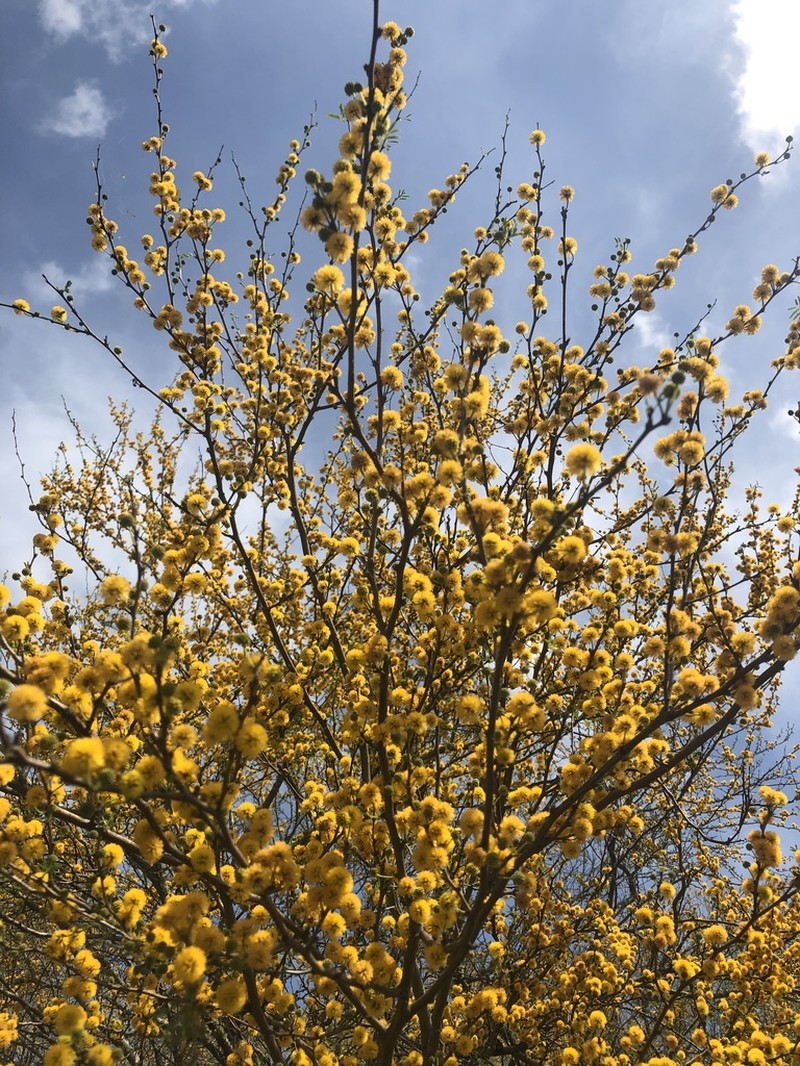
- Bloom Months:
- jan,feb,mar,apr,may,jun,jul,aug,sep,oct,nov,dec
- Bloom Colors:
- yellow
- Landscaping Shrub:
- Yes
Wildlife Benefits
- Bees:
- ★★☆☆☆ Documented bee visitation (GBIF)
- Butterflies & Moths:
- ★★★★☆ Documented Lepidoptera association (GBIF)
- Caterpillars:
- ★★☆☆☆ Recorded caterpillar host plant (HOSTS Database)
Host Plant for Caterpillars
Abbot's Bagworm Moth (Oiketicus abbotii), Blanchard's Prominent Moth (Syssphinx blanchardi), Carob moth (Ectomyelois ceratoniae), dot-lined angle (Macaria abydata), Filatima monotaeniella, Ithome concolorella, Mountain Sphinx Moth (Syssphinx montana), navel orangeworm (Amyelois transitella), Omnivorous Leafroller (Platynota rostrana), Polyhymno acaciella, Polyhymno luteostrigella, Syssphinx heiligbrodti
Reported Fauna Sightings
Moths:Psamatodes abydata Butterflies:Clytie hairstreak (Ministrymon clytie)
Garden & Ecology Notes
- Wildlife Value:
- birds, butterflies, small mammals
- Salt Tolerant:
- Yes
- Fragrant:
- Yes
- Fire Ecology:
- Fire adapted — tolerates or benefits from fire
- Fire Notes:
- Resprouts vigorously after fire; seeds may be stimulated by heat.
Soil Requirements
- Soil Type:
- well-drained, sandy or rocky soil
- pH:
- 6.0 - 8.0 (neutral to slightly alkaline)
- Drainage:
- excellent drainage required
- Moisture:
- dry to moderate
- Notes:
- tolerates drought conditions
Propagation & Germination
- Stratification:
- Warm stratification required — 30–90 days
- Scarification:
- Seed coat scarification required before sowing
- Germination Time:
- 7–30 days
- Notes:
- Seeds require scarification (nicking or hot water treatment) to break physical dormancy, then warm stratification.
Where to Buy
Nationwide Seller
- Sheffield's Seed (seeds)