
Vigna lasiocarpa
Vigna lasiocarpa
- Native to:
- Argentina, Belize, Bolivia, Brazil, Colombia, Costa Rica, Dominican Republic, Ecuador, El Salvador, French Guiana, Guyana, Honduras, Mexico, Nicaragua, Panamá, Paraguay, Peru, Suriname, Venezuela
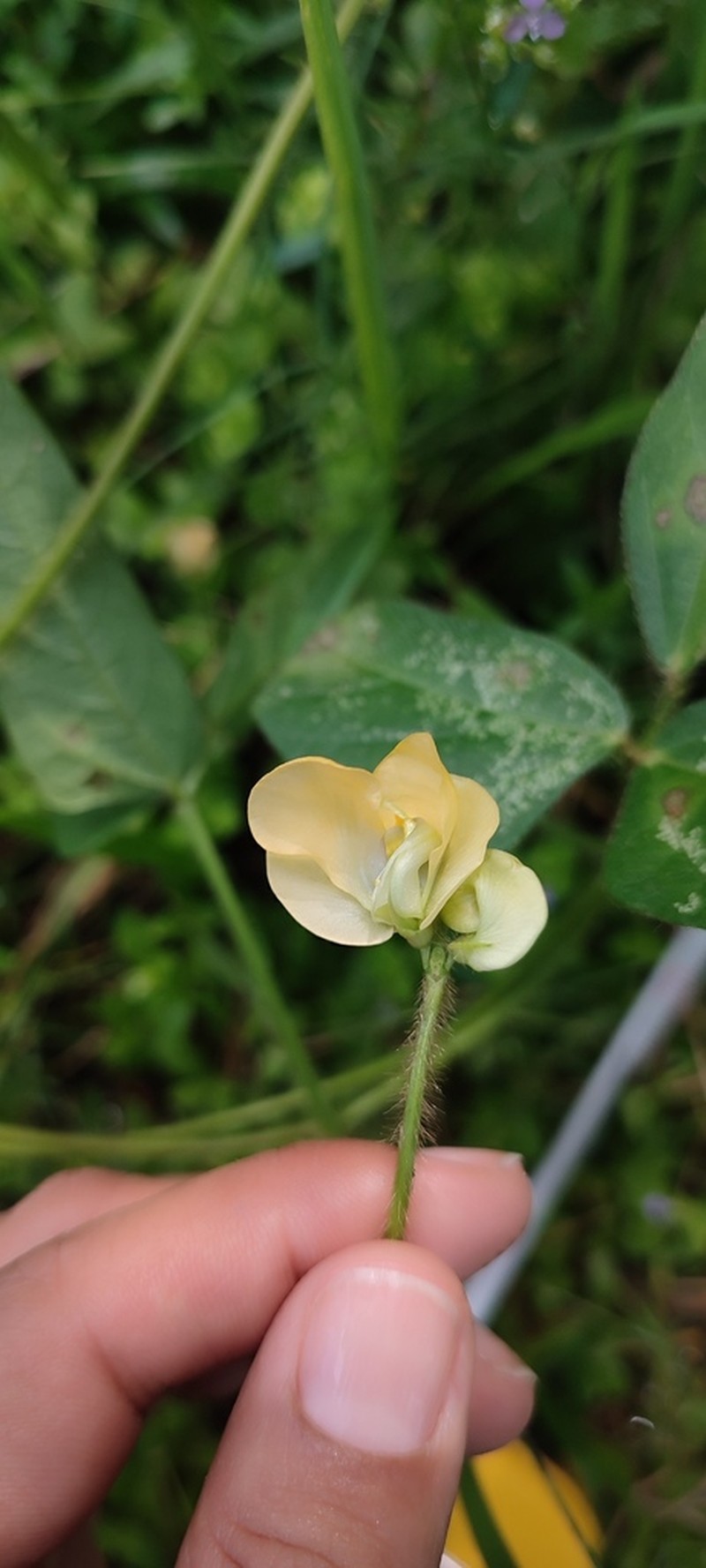
iNaturalist: © ananuno (iNaturalist #260087328)
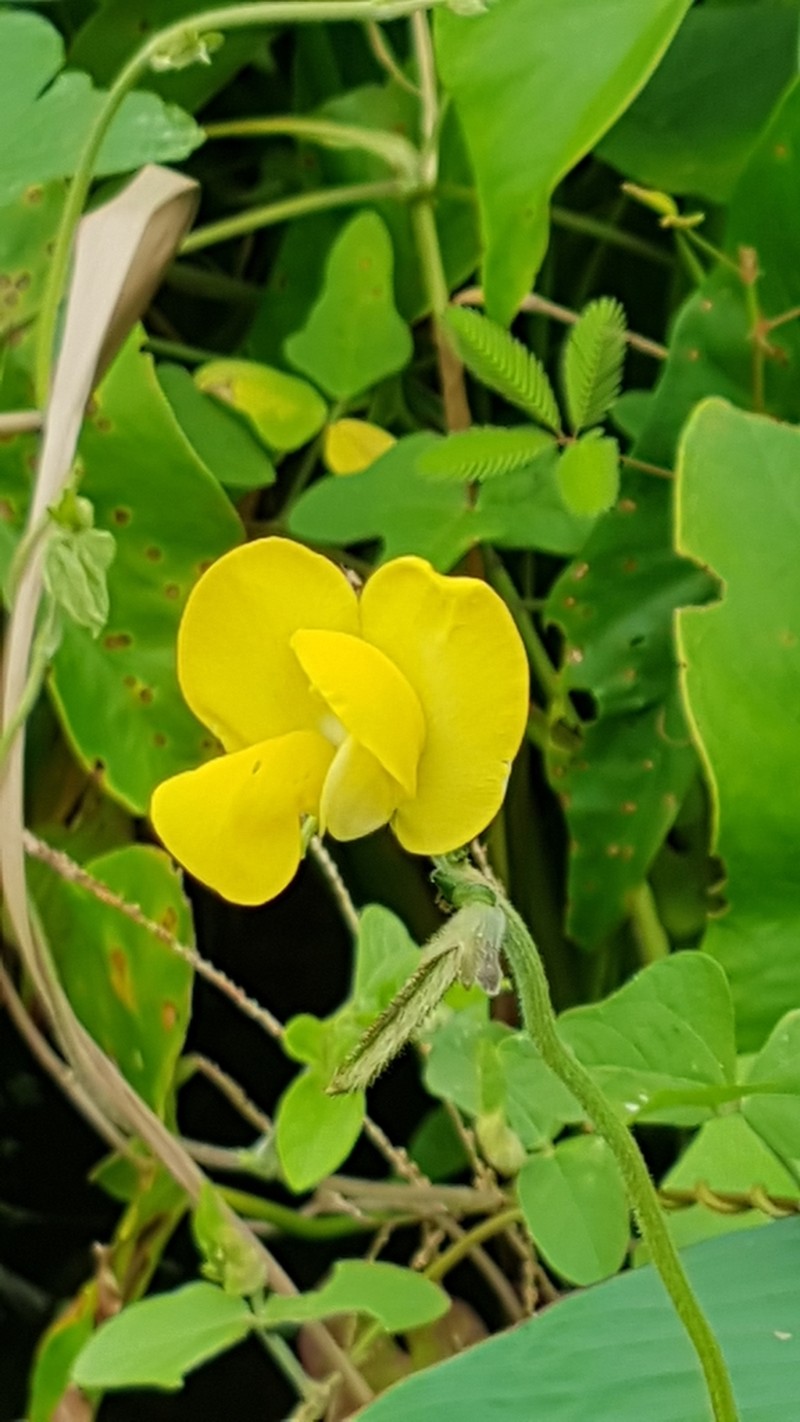
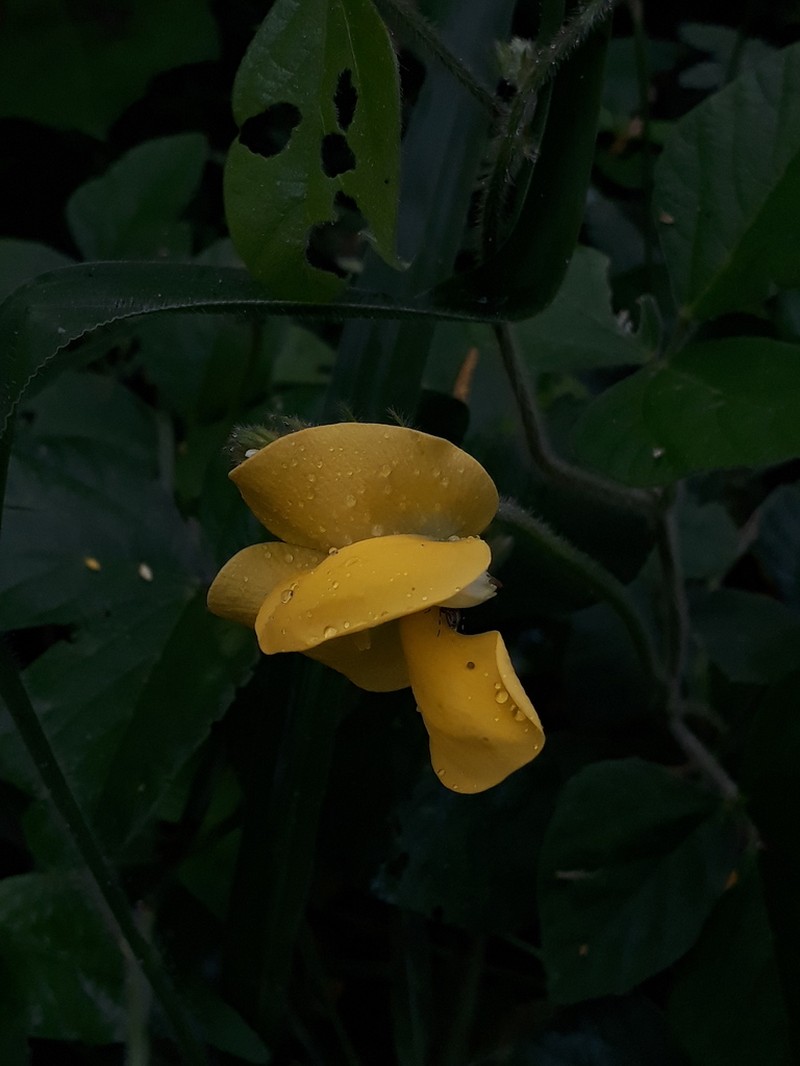
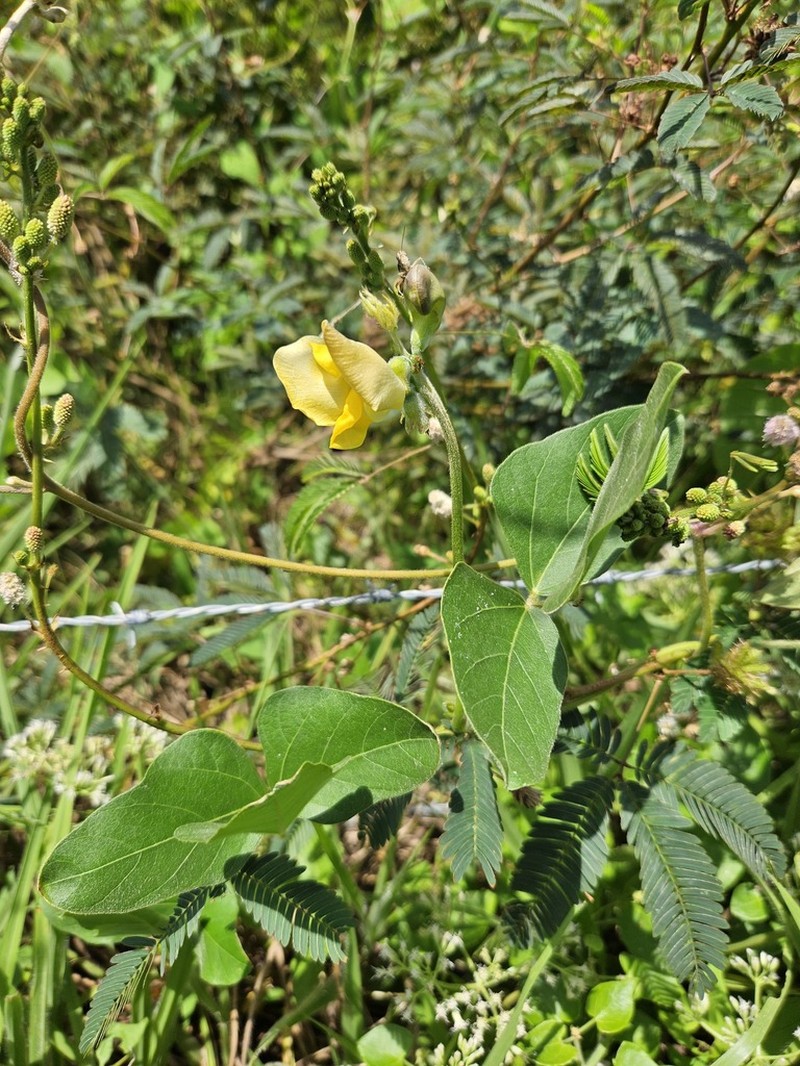
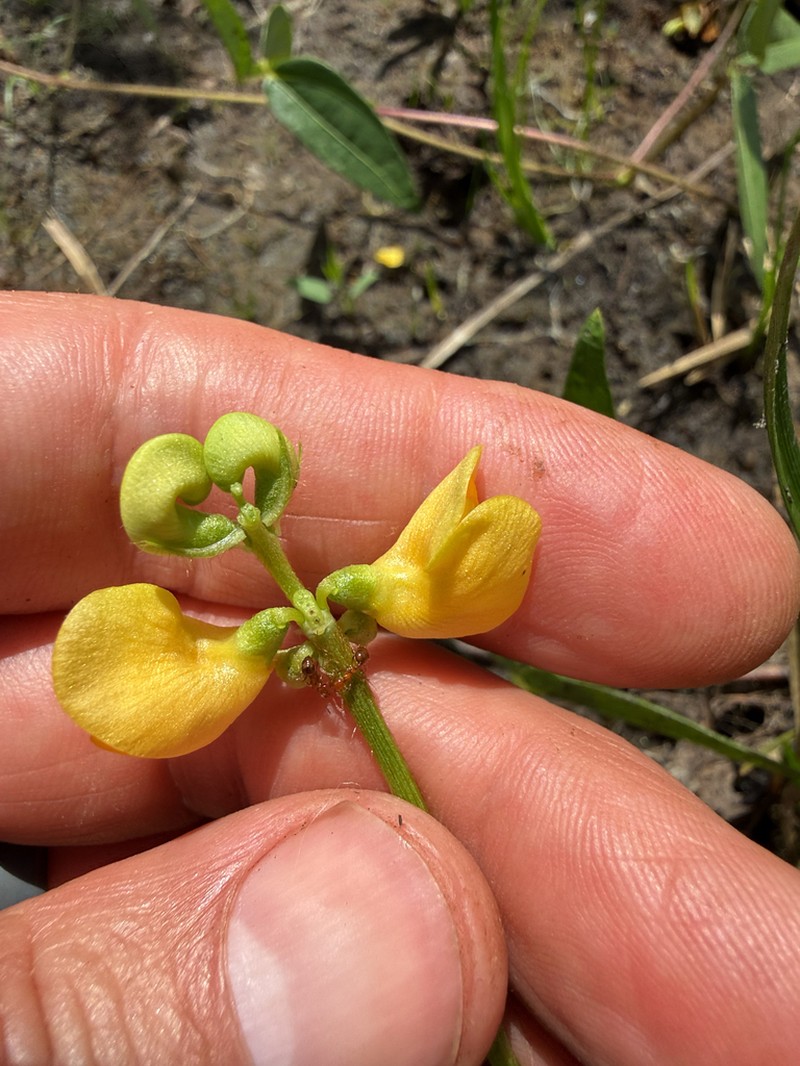
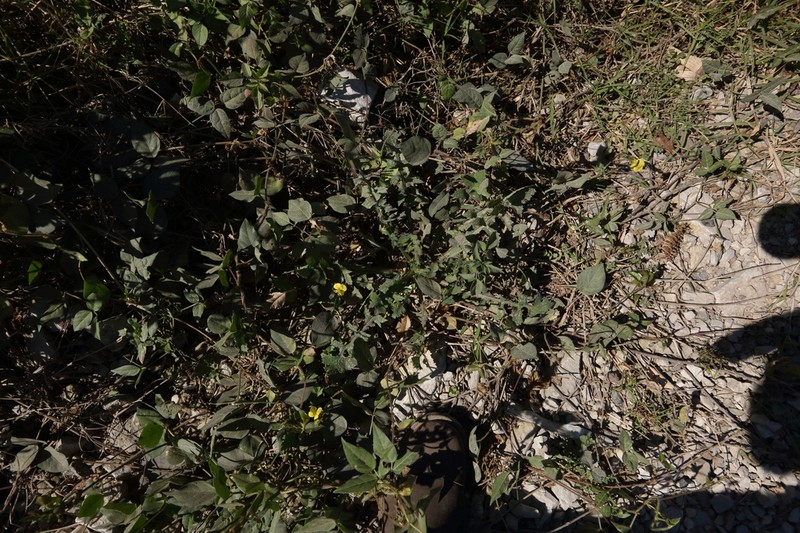
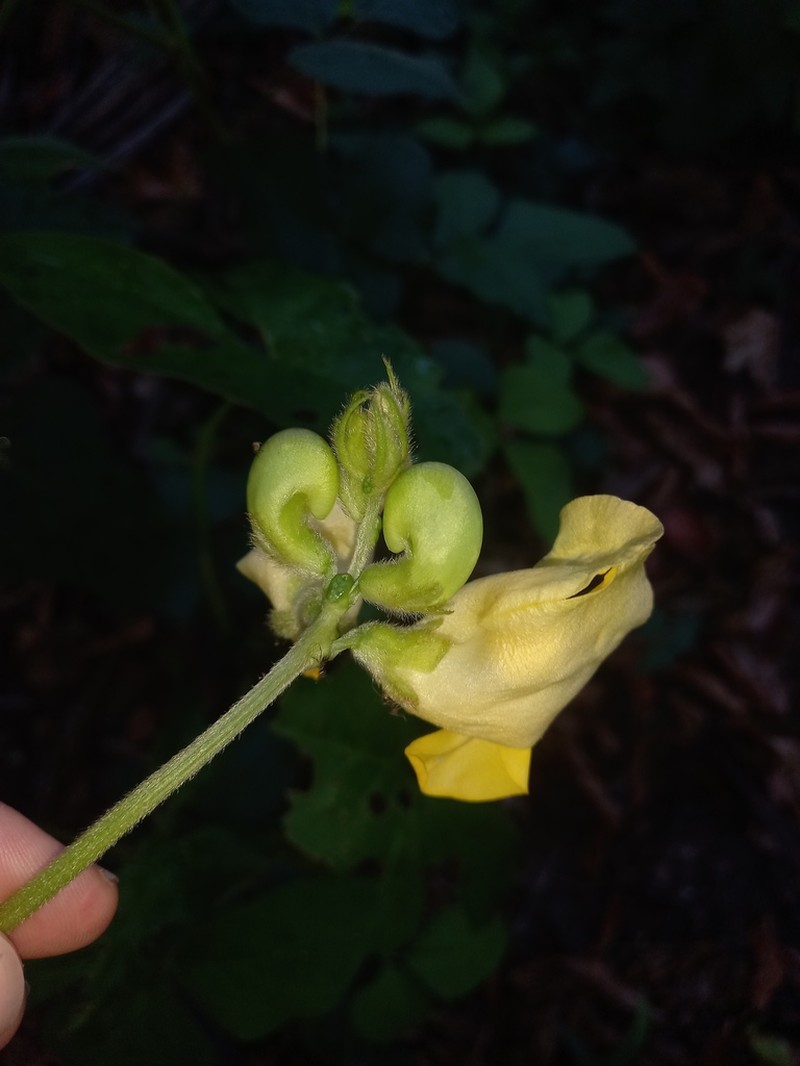
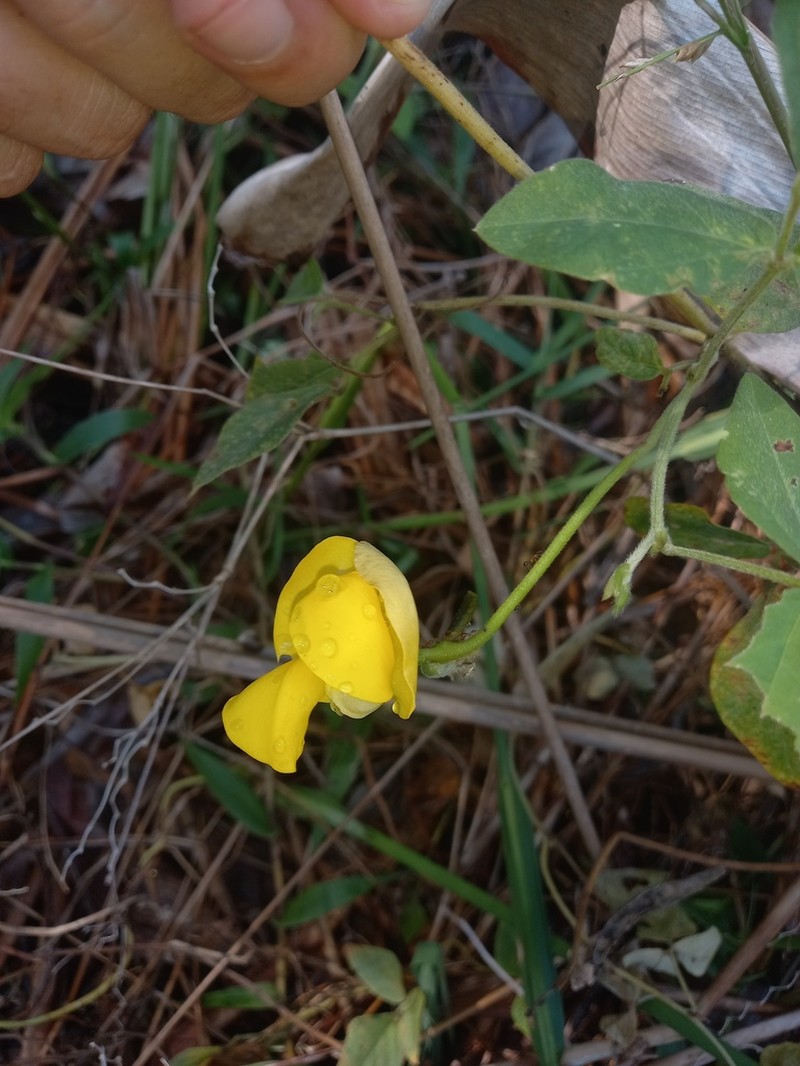
Taxonomy
- Division:
- Magnoliophyta | - Flowering plants
- Family:
- Fabaceae
- Genus:
- Vigna
- Species:
- Vigna lasiocarpa
- USDA Symbol:
- VILA13
Keystone Species Ranking
- Caterpillar Keystone:
- ★★★☆☆ Butterfly & moth species supported by this genus (NWF)
Garden & Ecology Notes
- Wildlife Value:
- bees, butterflies
Soil Requirements
- Soil Type:
- rich, well-drained loamy soil
- pH:
- 5.5 - 7.0 (slightly acidic to neutral)
- Drainage:
- excellent drainage required
- Moisture:
- consistently moist
- Notes:
- prefers floodplain or wetland areas