
Zombi Pea
Vigna vexillata
- Native to:
- Andaman Is., Angola, Australia, Bangladesh, Belize, Benin, Bolivia, Botswana, Brazil, Burkina, Burundi, Cambodia, Cameroon, Central African Republic, Central American Pacific Is., Chad, China, Colombia, Congo, Costa Rica, Cuba, Dominican Republic, DR Congo, Ecuador, El Salvador, Eritrea, Eswatini, Ethiopia, French Guiana, Gabon, Gambia, Ghana, Guam, Guatemala, Guinea-Bissau, Gulf of Guinea Is., Guyana, Haiti, Honduras, India, Ivory Coast, Jamaica, Japan, Kenya, Korea, Laos, Leeward Is., Liberia, Madagascar, Malawi, Mali, Mauritania, Mexico, Mozambique, Myanmar, Nansei-shoto, Nepal, Nicaragua, Niger, Nigeria, Pakistan, Panamá, Peru, Puerto Rico, Rwanda, Senegal, Sierra Leone, Somalia, South Africa, Sri Lanka, Sudan-South Sudan, Suriname, Tanzania, Thailand, Togo, Trinidad-Tobago, Uganda, Venezuela, Venezuelan Antilles, Vietnam, Virgin Islands, Windward Is., Yemen, Zambia, Zimbabwe
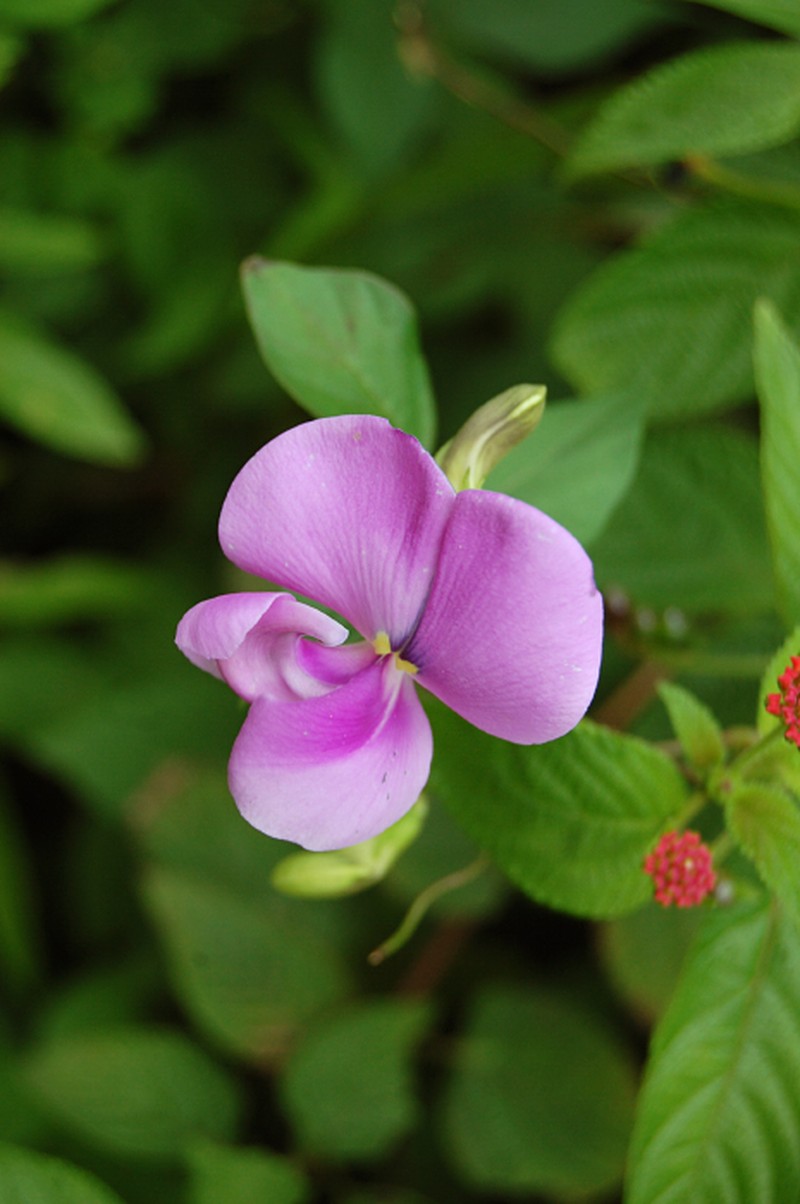
Jayesh Patil (www.flickr.com) from Mumbai, India
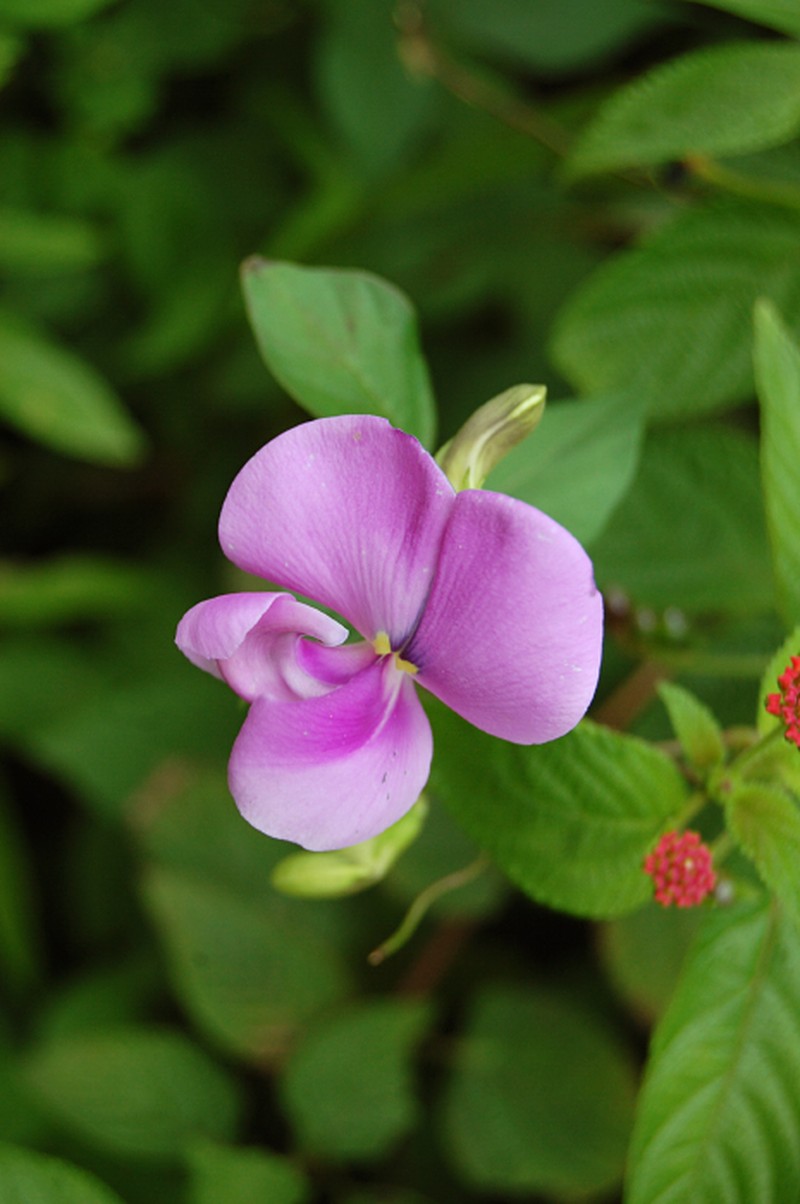
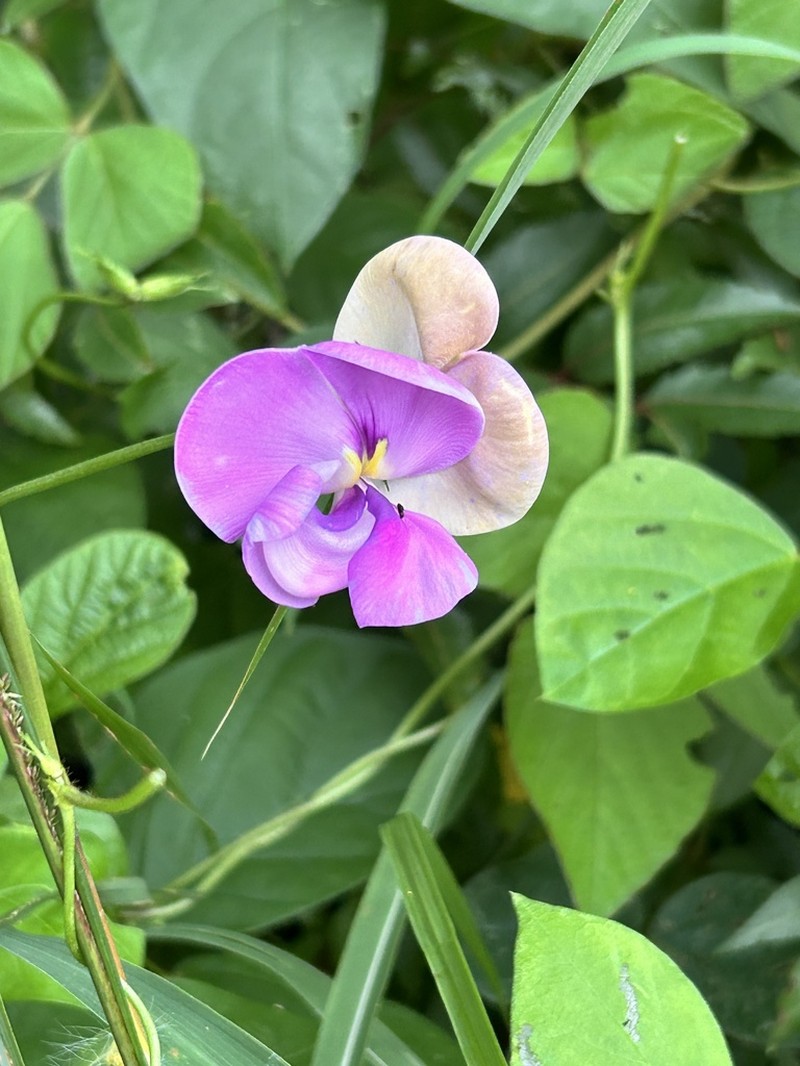
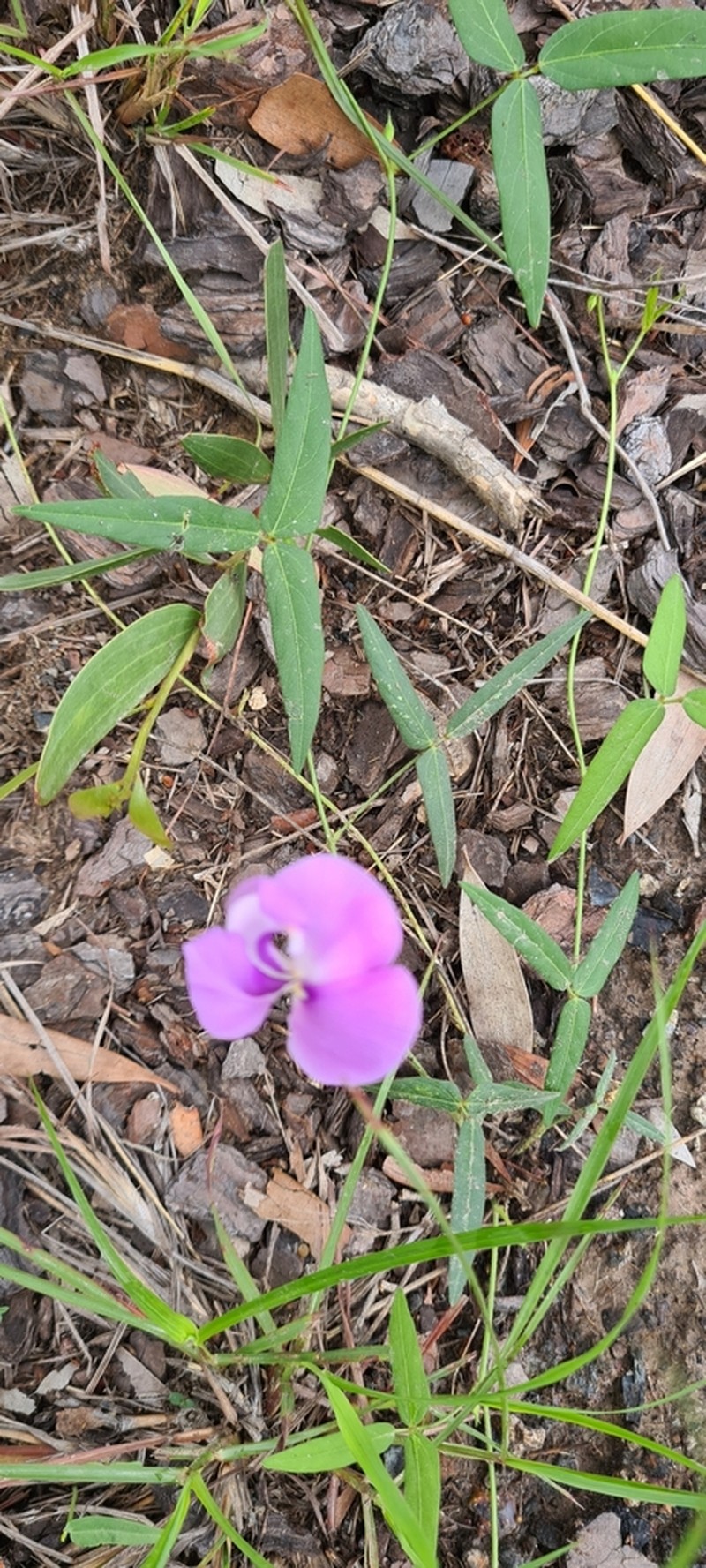
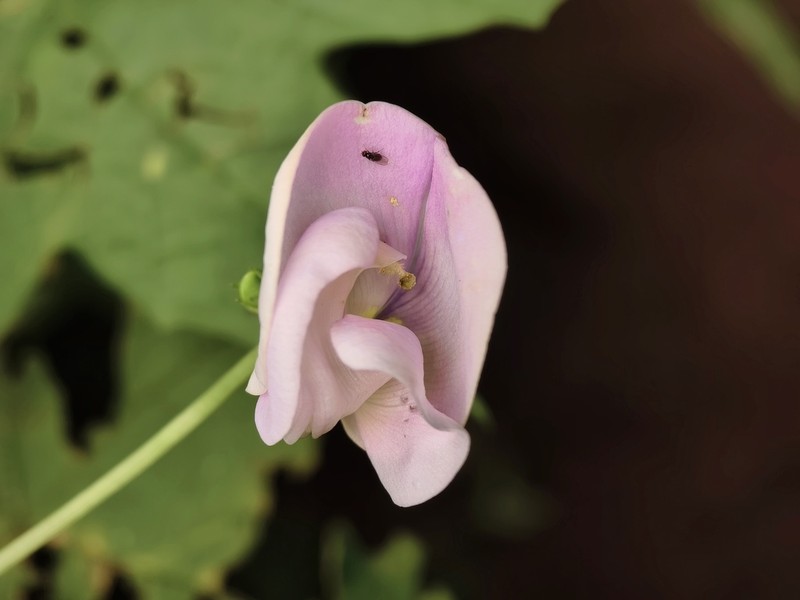
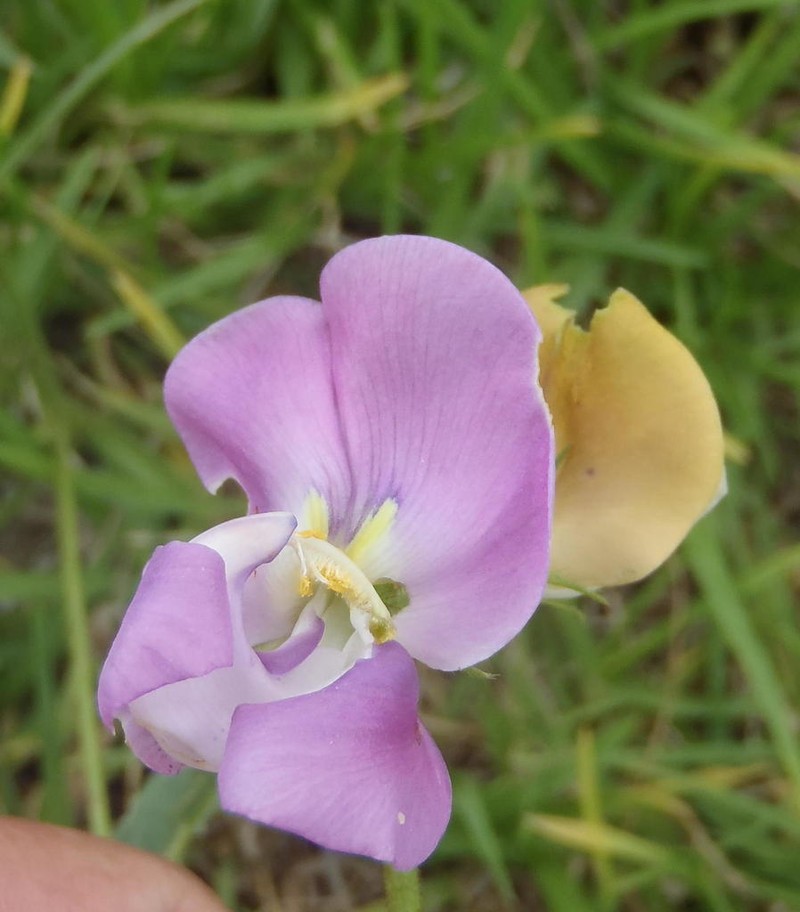
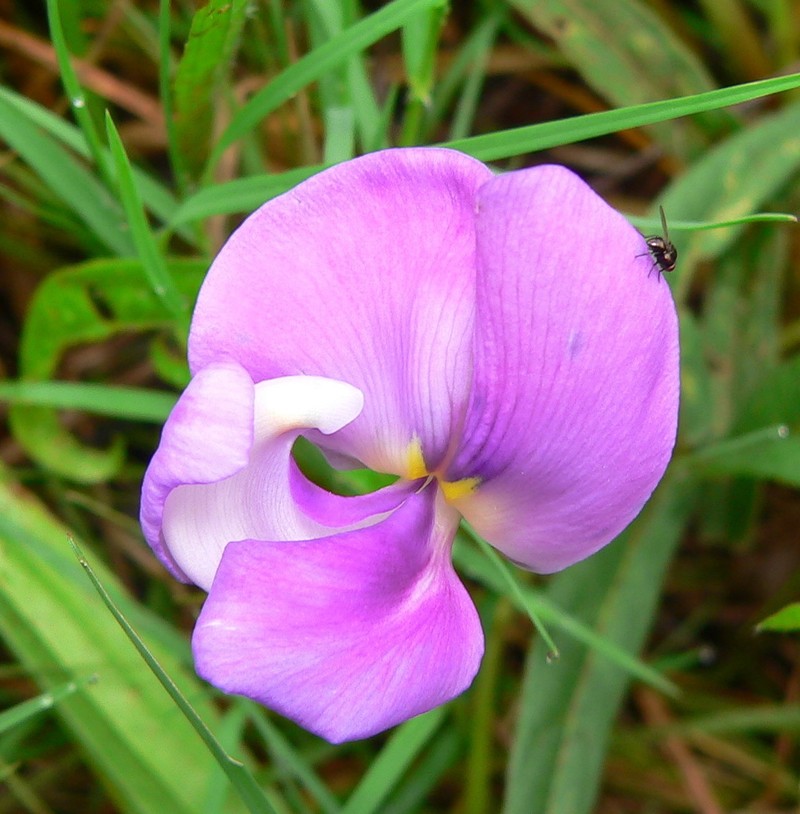
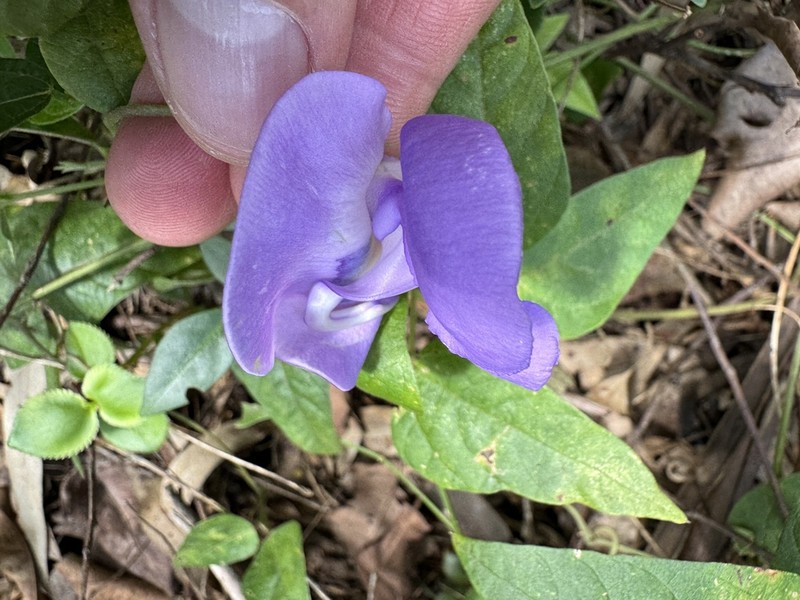
Taxonomy
- Division:
- Magnoliophyta | - Flowering plants
- Family:
- Fabaceae
- Genus:
- Vigna
- Species:
- Vigna vexillata
- USDA Symbol:
- VIVE
Growth Characteristics
- Life Cycle:
- Perennial
- Growth Habit:
- Forb/herb , Vine
- Height:
- 300 cm
- Light Requirements:
- Full Sun
- Drought Tolerance:
- Medium
- Bloom Months:
- jul,aug,sep
- Bloom Colors:
- purple, pink, yellow
Wildlife Benefits
- Bees:
- ★☆☆☆☆ Documented bee visitation (GBIF)
- Butterflies & Moths:
- ★★☆☆☆ Documented Lepidoptera association (GBIF)
Keystone Species Ranking
- Caterpillar Keystone:
- ★★★☆☆ Butterfly & moth species supported by this genus (NWF)
Garden & Ecology Notes
- Wildlife Value:
- bees, butterflies
Soil Requirements
- Soil Type:
- well-drained, sandy to loamy soil
- pH:
- 5.5 - 7.5 (slightly acidic to neutral)
- Drainage:
- excellent drainage required
- Moisture:
- dry to moderate
- Notes:
- native to tropical and subtropical regions
Propagation & Germination
- Scarification:
- Seed coat scarification required before sowing
- Germination Time:
- 7–21 days
- Notes:
- Seeds benefit from scarification (nicking or hot water treatment) to break hard seed coat.