
Calliandra caracasana
Zapoteca caracasana
- Native to:
- Bolivia, Colombia, Cuba, Dominican Republic, Haiti, Honduras, Panamá, Peru, Venezuela, Venezuelan Antilles
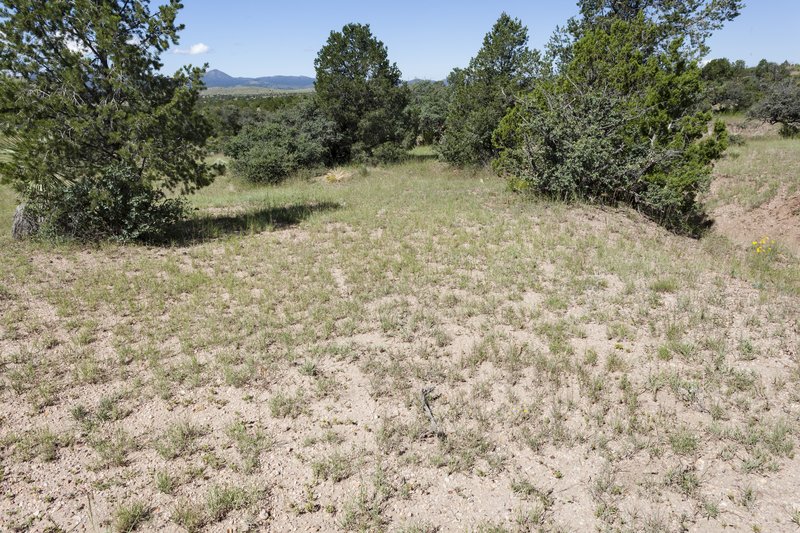
Patrick Alexander (www.flickr.com) from Las Cruces, NM,Millspaugh, Charles Frederick, 1854-1923,Southern California Acclimatizing Association Henry G. Gilbert Nursery and Seed Trade Catalog Collection,Smith, John Donnell,,Smith, John Donnell,,Durand, Th. (Théophile), 1855-1912 Pittier, Henri, 1857-1950,Cooper, George Proctor,1896-author Slater, George Mackay,author,Curtis, William,1746-1799 Bentham-Moxon Trust Royal Botanic Gardens, Kew Stanley Smith Horticultural Trust Curtis's botanical magazine dedications, 1827-1927 : portraits and biographical notes,Herbier Boissier,Herbier Boissier,Mazé, H. (Hippolyte), 1818-1892,Standen, J. H United States. Plant Disease Survey

Taxonomy
- Division:
- Magnoliophyta | - Flowering plants
- Family:
- Fabaceae
- Genus:
- Zapoteca
- Species:
- Zapoteca caracasana
- USDA Symbol:
- CACA100
Soil Requirements
- Soil Type:
- rich, well-drained loamy soil
- pH:
- 5.5 - 7.5 (slightly acidic to neutral)
- Drainage:
- excellent drainage required
- Moisture:
- dry to moderate