
Bush Chinquapin
Chrysolepis sempervirens
- Native to:
- United States
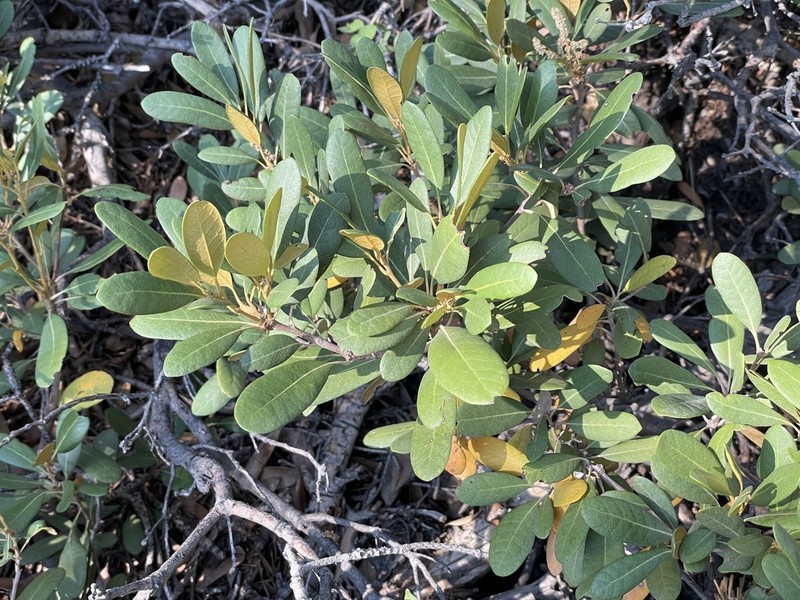
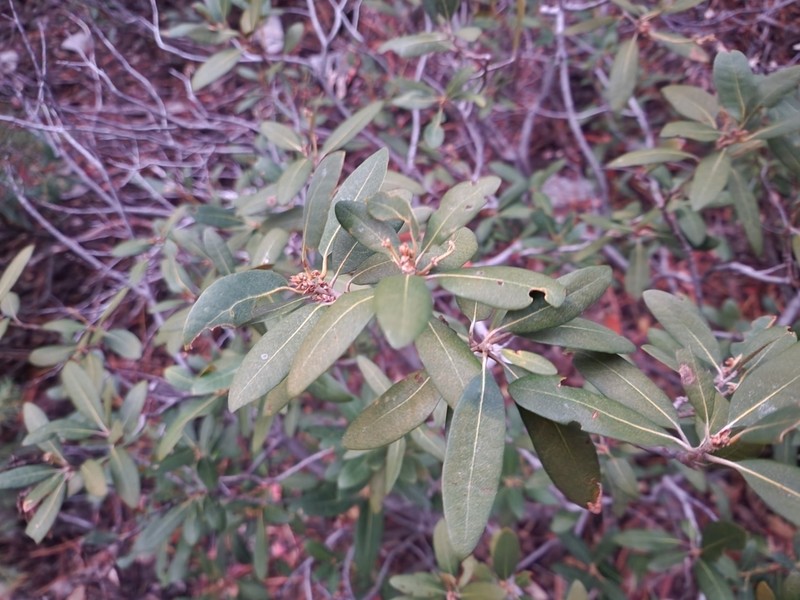
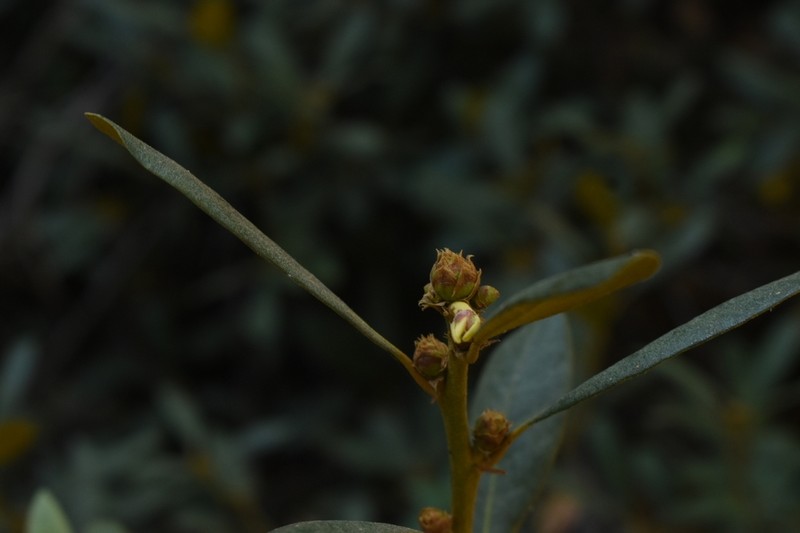
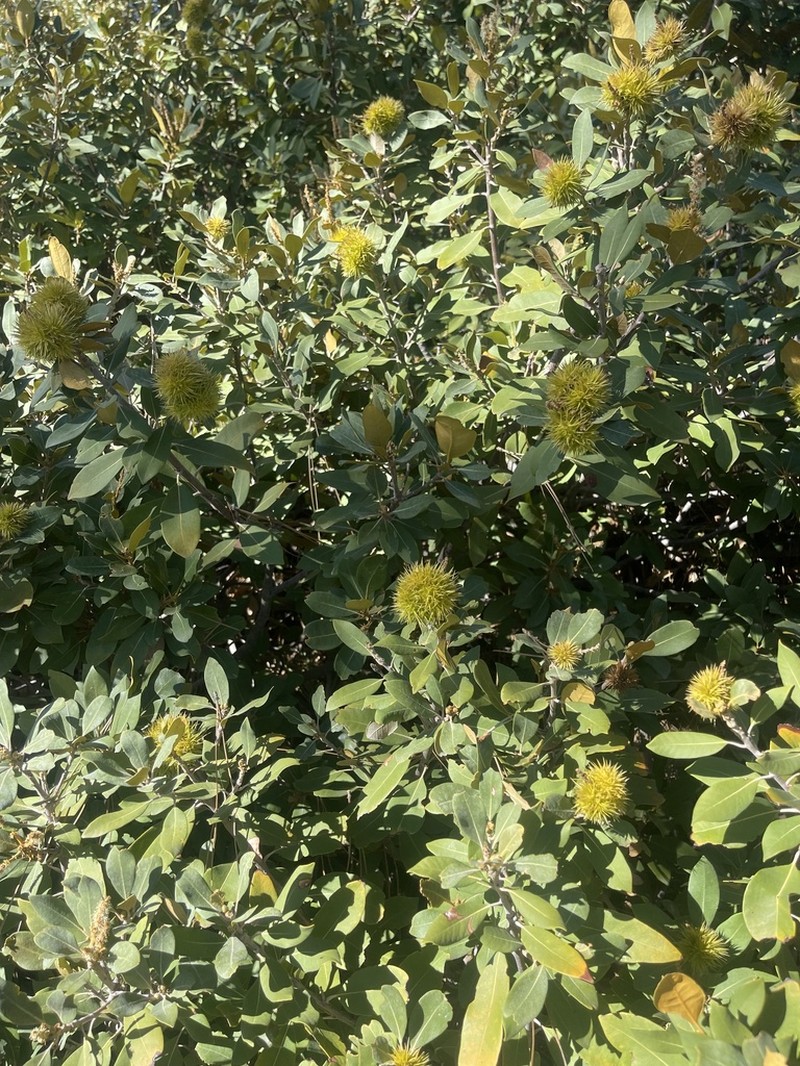
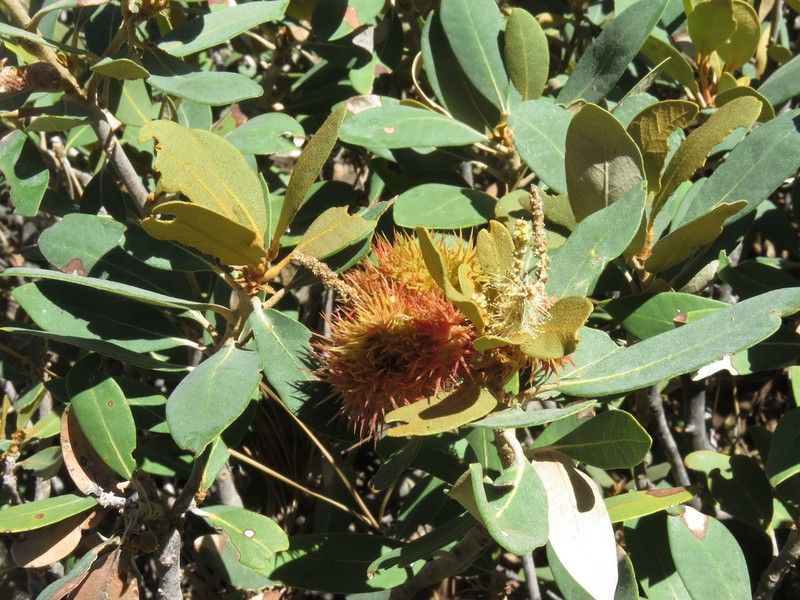
iNaturalist: © miguel_vieira (iNaturalist #89708067)
Taxonomy
- Division:
- Magnoliophyta | - Flowering plants
- Family:
- Fagaceae
- Genus:
- Chrysolepis
- Species:
- Chrysolepis sempervirens
- USDA Symbol:
- CHSE11
Growth Characteristics
- Life Cycle:
- Perennial
- Growth Habit:
- Shrub
- Height:
- 300 cm
- Light Requirements:
- Full Sun
- Drought Tolerance:
- High
- Bloom Months:
- jun,jul,aug
- Bloom Colors:
- yellow
- Evergreen Shrub:
- Yes
Wildlife Benefits
- Bees:
- ★☆☆☆☆ Documented bee visitation (GBIF)
- Butterflies & Moths:
- ★★★☆☆ Documented Lepidoptera association (GBIF)
- Caterpillars:
- ★★☆☆☆ Recorded caterpillar host plant (HOSTS Database)
Host Plant for Caterpillars
Acrobasis comptella, Acrocercops sp., California oakworm (Phryganidia californica), Cameraria sempervirensella, Rectiostoma fernaldella, Rhodophaea neva
Reported Fauna Sightings
Bees: Yellow-faced bumble bee (Bombus vosnesenskii)
Garden & Ecology Notes
- Wildlife Value:
- birds, small mammals
- Fire Ecology:
- Fire adapted — tolerates or benefits from fire
- Fire Notes:
- Resprouts from root crown after fire; seeds are serotinous in some populations.
Soil Requirements
- Soil Type:
- rocky, well-drained, nutrient-poor soil
- pH:
- 5.5 - 7.0 (slightly acidic to neutral)
- Drainage:
- excellent drainage required
- Moisture:
- dry to moderate
- Notes:
- Commonly found in mountainous regions; prefers open, sunny locations.
Propagation & Germination
- Stratification:
- Cold/moist stratification required — 60–90 days
- Germination Time:
- 30–60 days
- Notes:
- Seeds benefit from cold stratification for 2-3 months to break dormancy.
Pre-treatment: Data unavailable at date of publication
Establishment: The plant is commonly known as Sierra Chinkapin or California Chinkapin. It is typically found on rocky slopes, in coniferous forests, and cha-parral at elevations between 2,275-10,700 ft. The propagules were collected in the Yosemite National Park.
Source: npn.rngr.net