
Tanoak
Notholithocarpus densiflorus
- Native to:
- United States
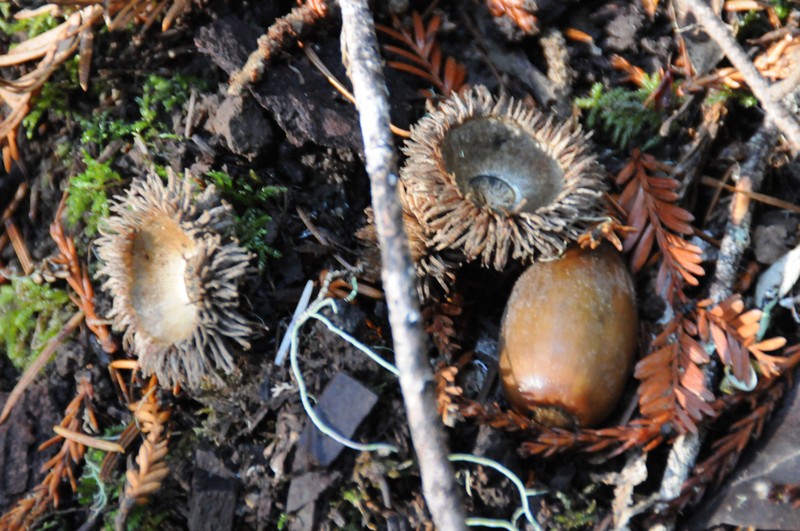
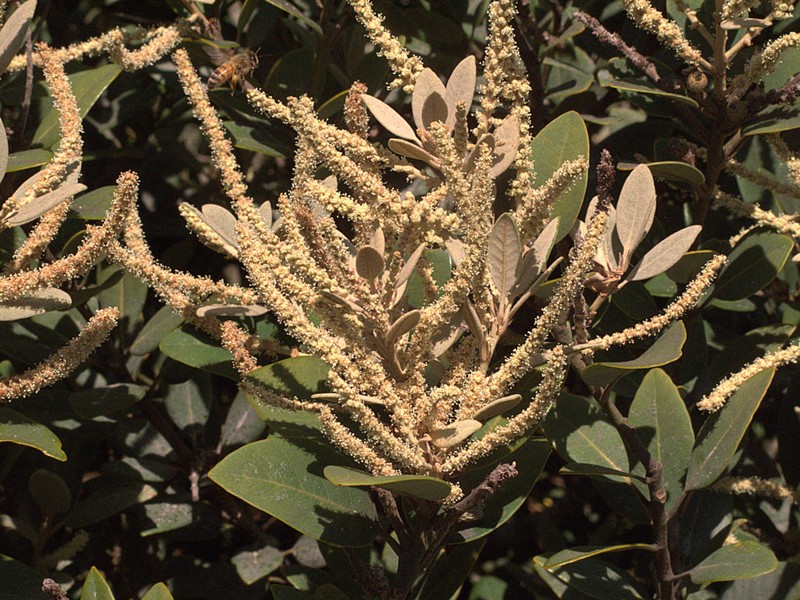
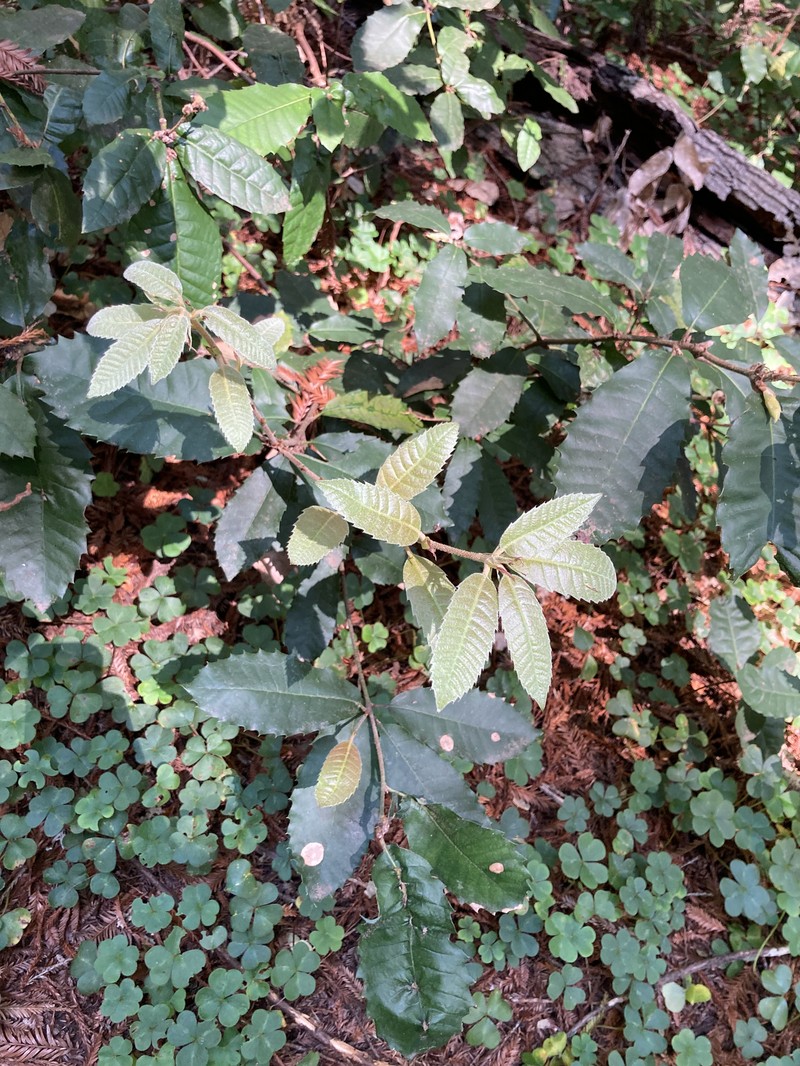
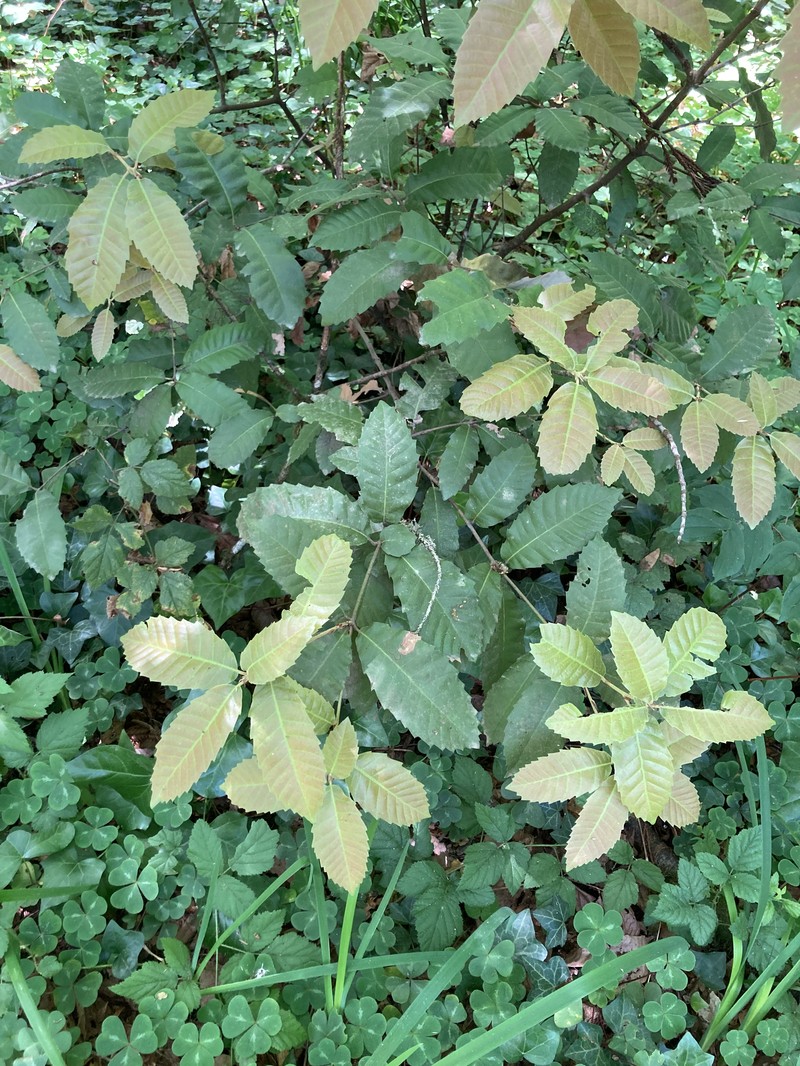
Source: Wikimedia; Credit: Andy Blackledge https://www.flickr.com/people/53484592@N05
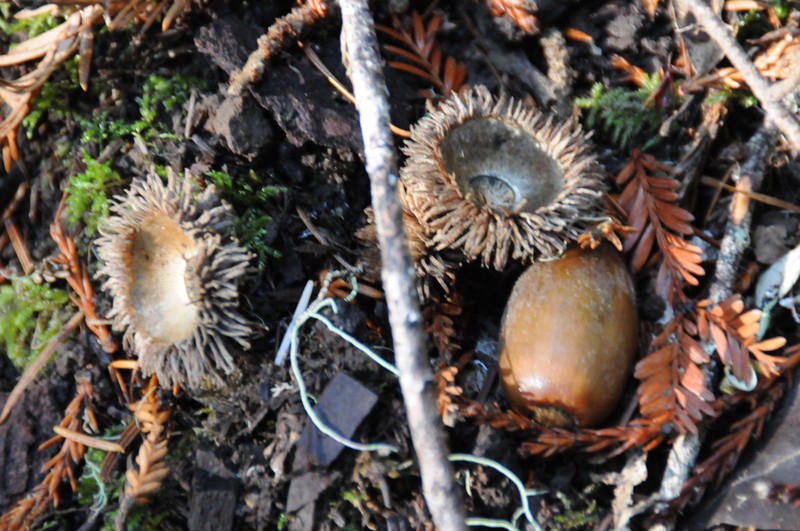
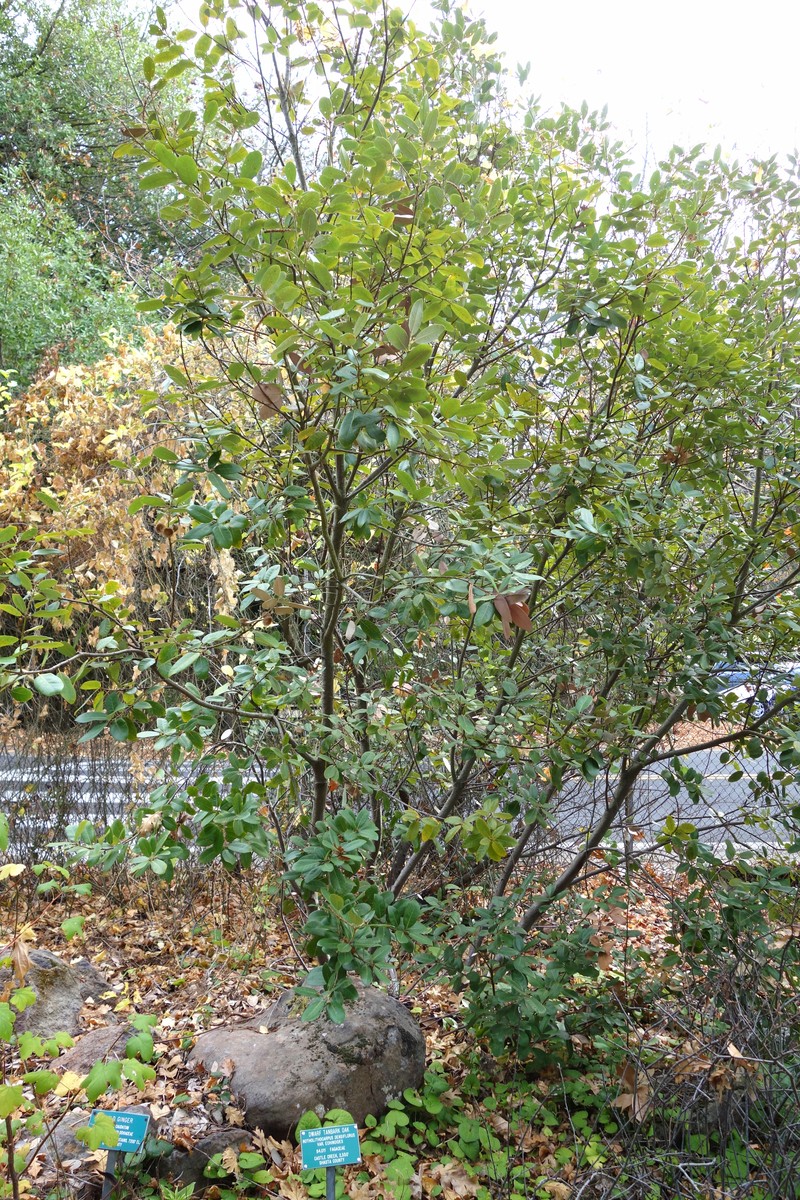
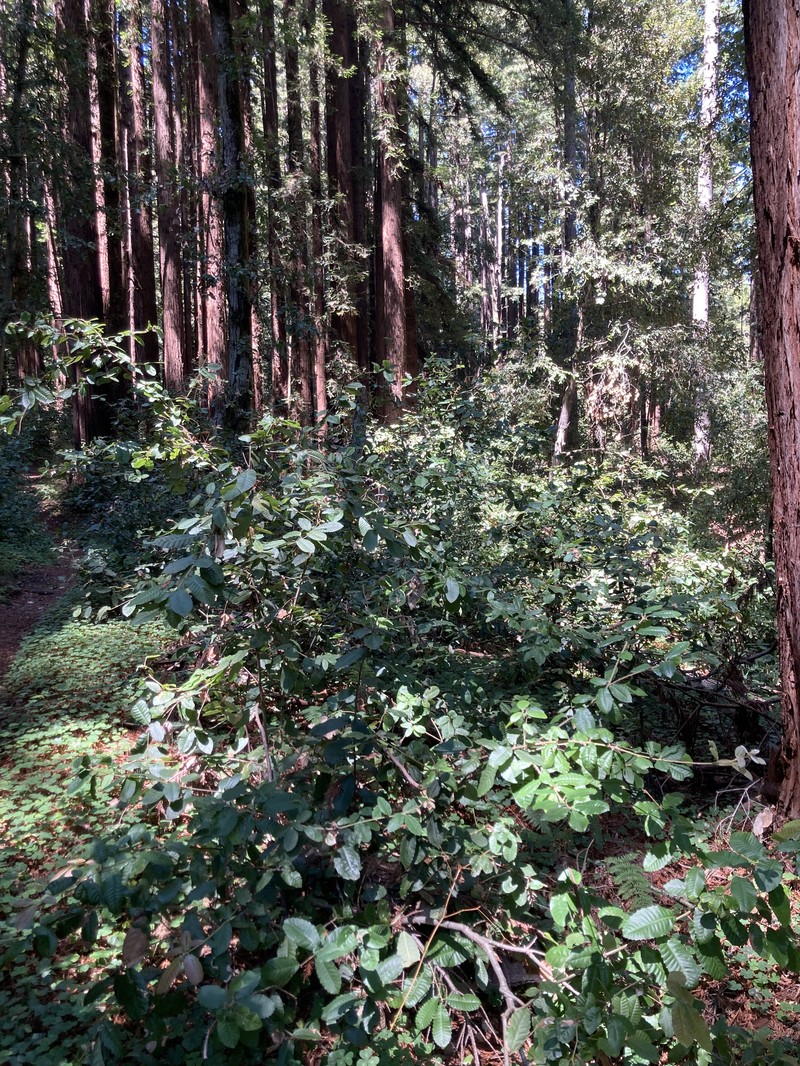
Taxonomy
- Division:
- Magnoliophyta | - Flowering plants
- Family:
- Fagaceae
- Genus:
- Notholithocarpus
- Species:
- Notholithocarpus densiflorus
- USDA Symbol:
- NODE3
Growth Characteristics
- Life Cycle:
- Perennial
- Growth Habit:
- Shrub , Tree
- Height:
- 3000 cm
- Light Requirements:
- Part Shade
- Drought Tolerance:
- Medium
- Bloom Months:
- may,jun,jul
- Bloom Colors:
- yellowish-white
Wildlife Benefits
- Butterflies & Moths:
- ★☆☆☆☆ Documented Lepidoptera association (GBIF)
- Caterpillars:
- ★★☆☆☆ Recorded caterpillar host plant (HOSTS Database)
Host Plant for Caterpillars
Garden & Ecology Notes
- Wildlife Value:
- birds, mammals
- Fire Ecology:
- Fire adapted — tolerates or benefits from fire
- Fire Notes:
- Thick bark provides some fire resistance; regenerates from seed after fire.
Soil Requirements
- Soil Type:
- rich, well-drained loamy soil
- pH:
- 5.5 - 7.0 (slightly acidic to neutral)
- Drainage:
- excellent drainage required
- Moisture:
- consistently moist
- Notes:
- thrives in coastal and inland forests
Propagation & Germination
- Stratification:
- Cold/moist stratification required — 60–90 days
- Germination Time:
- 30–90 days
- Notes:
- Seeds require cold stratification for 60-90 days to break dormancy; germination occurs in spring.
Pre-treatment: Soak nuts in a 1% bleach solution for 10 minutes, followed by a 1% hydrogen peroxide soak for 24 hours. Rinse and place in aerated water for 48 hours. Place nuts in mesh bags, layered in peat and sealed in containers that are placed in refrigeration at 1 to 3 °C for 45 days. Check seeds weekly and treat with 1% hydrogen peroxide if mold is evident.
Establishment: Germination may begin to occur during the stratification period in collections from some locations. If radicles have started to emerge, the germinated seeds should be sown immediately. Tanoak occurs on fertile mountain slopes and ridges below 1200 meters in the Coast Ranges from the Santa Inez Mountains in Southern California, to the Cascade Ranges in Southwestern Oregon.
Source: npn.rngr.net
Where to Buy
Nationwide Seller
- Sheffield's Seed (seeds)