
Swamp White Oak
Quercus bicolor
- Native to:
- Canada, United States, Virgin Islands
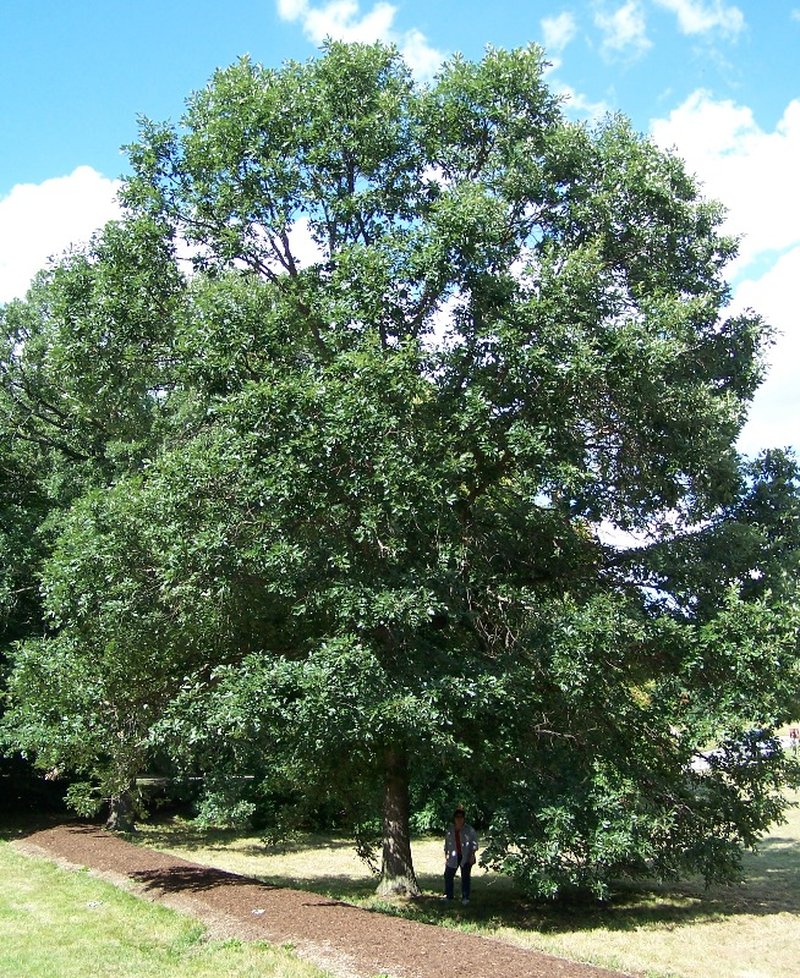
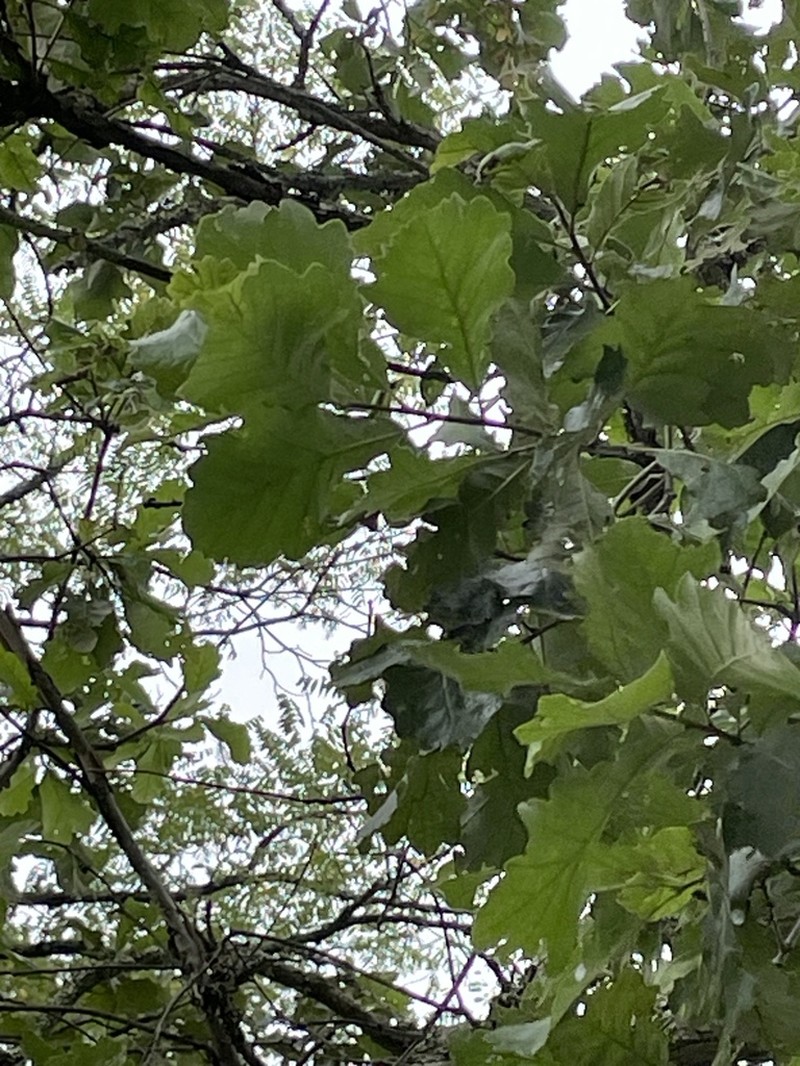
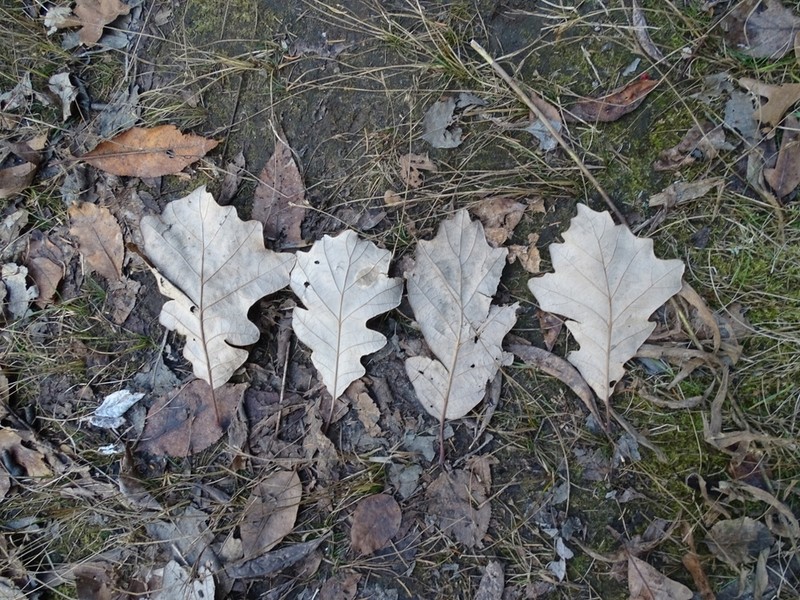
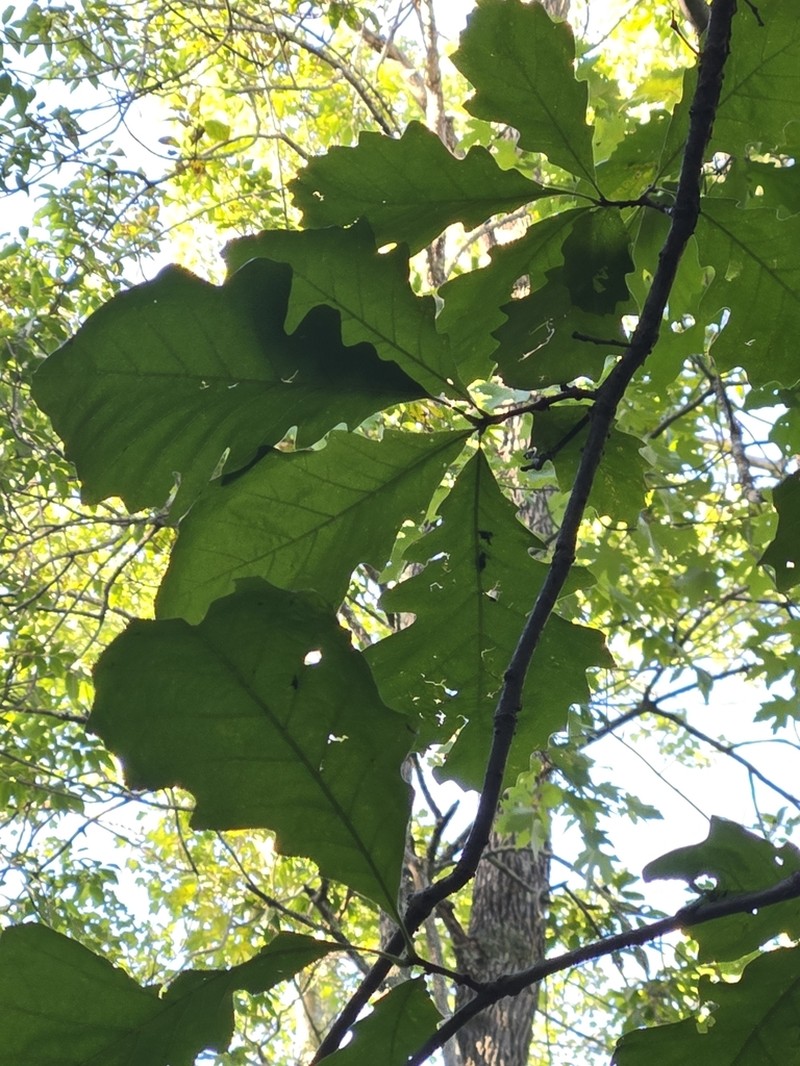
Photo by and (c)2016 Derek Ramsey ( Ram-Man (en.wikipedia.org) )
Taxonomy
- Division:
- Magnoliophyta | - Flowering plants
- Family:
- Fagaceae
- Genus:
- Quercus
- Species:
- Quercus bicolor
- USDA Symbol:
- QUBI
Growth Characteristics
- Life Cycle:
- Perennial
- Growth Habit:
- Tree
- Height:
- 3000 cm
- Light Requirements:
- Part Shade
- Drought Tolerance:
- Low
- Bloom Months:
- apr,may
- Bloom Colors:
- yellow-green
Wildlife Benefits
- Butterflies & Moths:
- ★★★★★ Documented Lepidoptera association (GBIF)
- Caterpillars:
- ★★★☆☆ Recorded caterpillar host plant (HOSTS Database)
Keystone Species Ranking
- Caterpillar Keystone:
- ★★★★★ Butterfly & moth species supported by this genus (NWF)
Host Plant for Caterpillars
Cameraria cincinnatiella, Cameraria conglomeratella, Coleophora atromarginata, Gypsy moth (Lymantria dispar), maple leaf blotch miner (Cameraria platanoidiella), oak leaf blotch miner (Cameraria hamadryadella), Orange-tipped oakworm moth (Anisota senatoria), Phyllonorycter aeriferella, Phyllonorycter albanotella, Phyllonorycter argentifimbriella, Phyllonorycter basistrigella, Phyllonorycter diaphanella, Phyllonorycter hagenii, Phyllonorycter sp., Polyphemus moth (Antheraea polyphemus), Stigmella flavipedella, Telphusa sp., Tischeria castaneaeella
Reported Fauna Sightings
Moths:Gypsy moth (Lymantria dispar), Polyphemus moth (Antheraea polyphemus), White-dotted Prominent (Nadata gibbosa)
Garden & Ecology Notes
- Wildlife Value:
- birds, mammals, butterflies
- Fall Color:
- yellow, brown
Soil Requirements
- Soil Type:
- rich, moist, well-drained loamy soil
- pH:
- 5.0 - 7.0 (slightly acidic to neutral)
- Drainage:
- tolerates poor drainage
- Moisture:
- consistently moist
- Notes:
- prefers lowland areas with periodic flooding
Propagation & Germination
- Stratification:
- Cold/moist stratification required — 60–90 days
- Germination Time:
- 30–90 days
- Notes:
- Seeds require cold stratification for 60-90 days; germination occurs in spring.
Pre-treatment: Seeds are sown in late November with a mechanical seeder or can be planted immediately after collection as acorns of the white group have little or no dormancy, and will germinate almost immediately after falling.
Establishment: Seeds are collected from local people who collect within a 50 mile radius of the nursery or collected in Chickasaw National Recreation Area, Sulphur, Oklahoma. Seeds are wild collected during fall months and are kept separated according to site, elevation and source.
Source: npn.rngr.net
Where to Buy
Nationwide Seller
- Sheffield's Seed (seeds)
- Prairie Moon Nursery (nursery and seeds)
- Native Plants Nursery (nursery)