
Scarlet Oak
Quercus coccinea
- Native to:
- United States, Virgin Islands
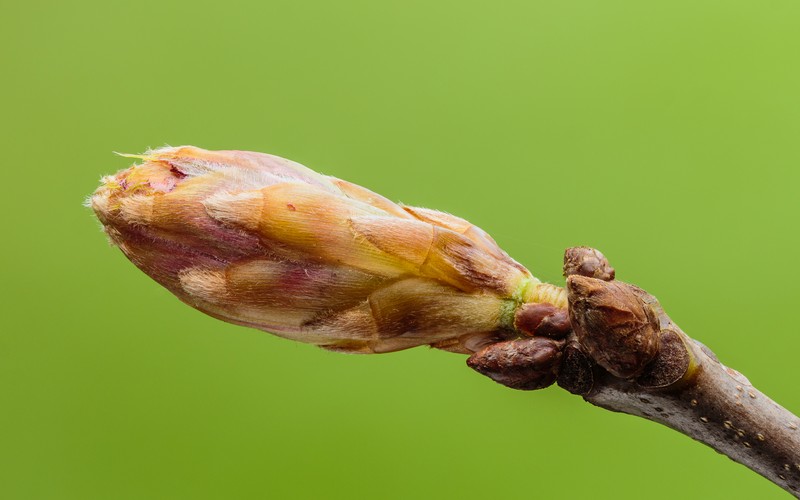
Dominicus Johannes Bergsma.
Taxonomy
- Division:
- Magnoliophyta | - Flowering plants
- Family:
- Fagaceae
- Genus:
- Quercus
- Species:
- Quercus coccinea
- USDA Symbol:
- QUCO2
Growth Characteristics
- Life Cycle:
- Perennial
- Growth Habit:
- Tree
- Height:
- 2500 cm
- Light Requirements:
- Full Sun
- Drought Tolerance:
- Medium
- Bloom Months:
- apr,may
Wildlife Benefits
- Butterflies & Moths:
- ★★☆☆☆ Documented Lepidoptera association (GBIF)
- Caterpillars:
- ★★★☆☆ Recorded caterpillar host plant (HOSTS Database)
Keystone Species Ranking
- Caterpillar Keystone:
- ★★★★★ Butterfly & moth species supported by this genus (NWF)
Host Plant for Caterpillars
American Dagger Moth (Acronicta americana), Banded Tussock Moth (Halysidota tessellaris), Cecropia moth (Hyalophora cecropia), Copper Underwing (Amphipyra pyramidoides), elm spanworm moth (Ennomos subsignaria), fall cankerworm (Alsophila pometaria), Fall webworm (Hyphantria cunea), Girlfriend Underwing (Catocala amica), Gypsy moth (Lymantria dispar), Hethemia pistasciaria, Imperial Moth (Eacles imperialis), Io moth (Automeris io), oak leafroller (Acleris semipurpurana), Orange-tipped oakworm moth (Anisota senatoria), Perimede erransella, Phyllonorycter basistrigella, Polyphemus moth (Antheraea polyphemus), Rosy Maple Moth (Dryocampa rubicunda), Scalloped sack-bearer (Lacosoma chiridota), Scarlet Underwing (Catocala coccinata), southern tussock moth (Dasychira meridionalis), Stigmella latifasciella, Western tent caterpillar (Malacosoma californica), White-blotched Heterocampa (Heterocampa umbrata), White-headed Symmerista (Symmerista albifrons), white-marked tussock moth (Dasychira leucophaea), White-marked Tussock Moth (Orgyia leucostigma), Yellownecked caterpillar (Datana ministra), Edwards' hairstreak (Satyrium edwardsii)
Reported Fauna Sightings
Moths:Coptotriche citrinipennella, Polyphemus moth (Antheraea polyphemus), Stigmella quercipulchella
Garden & Ecology Notes
- Wildlife Value:
- birds, mammals, butterflies
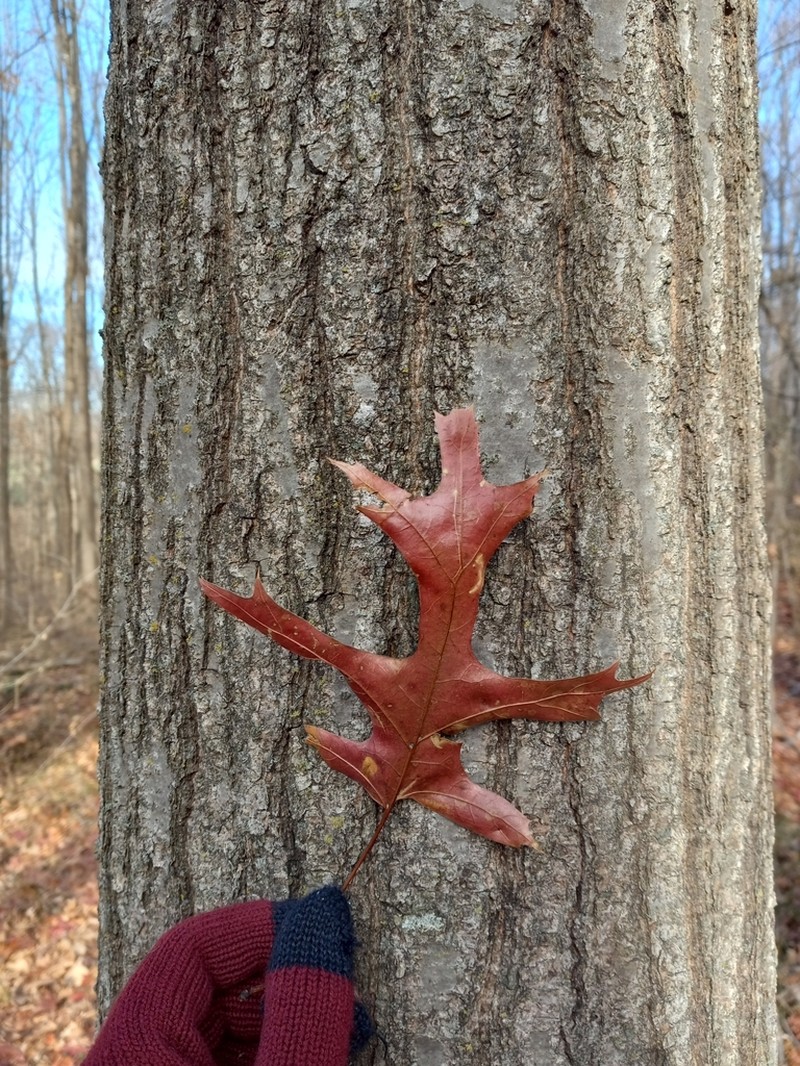
- Fall Color:
- red, scarlet
- Fire Ecology:
- Fire adapted — tolerates or benefits from fire
- Fire Notes:
- Thick bark provides moderate fire resistance; can resprout after low-severity fire.
Soil Requirements
- Soil Type:
- sandy, acidic, nutrient-poor soil
- pH:
- 4.5 - 6.5 (acidic to slightly acidic)
- Drainage:
- excellent drainage required
- Moisture:
- dry to moderate
- Notes:
- Prefers upland areas with dry, sandy soils.
Propagation & Germination
- Stratification:
- Cold/moist stratification required — 30–60 days
- Germination Time:
- 30–90 days
- Notes:
- Seeds require cold stratification for 30-60 days to break dormancy; sow in fall or after stratification.
Pre-treatment: Cold-moist stratification for 30 days at 1–5°C (34–41°F).; then Cold-moist stratification for 90 days.
Notes: Seeds may require light for optimal germination.
Source: Claude AI
Where to Buy
Nationwide Seller
- Sheffield's Seed (seeds)