
Oregon White Oak
Quercus garryana
- Native to:
- Canada, United States
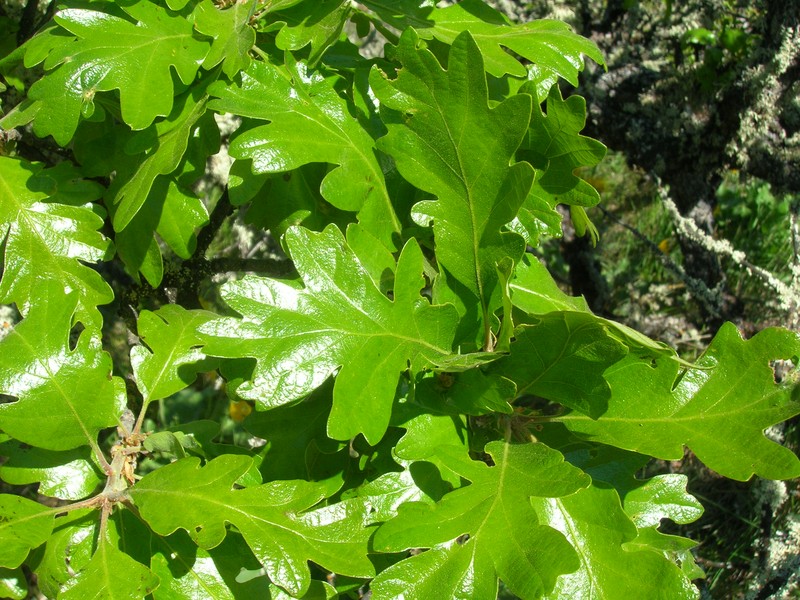
J Brew (www.flickr.com)
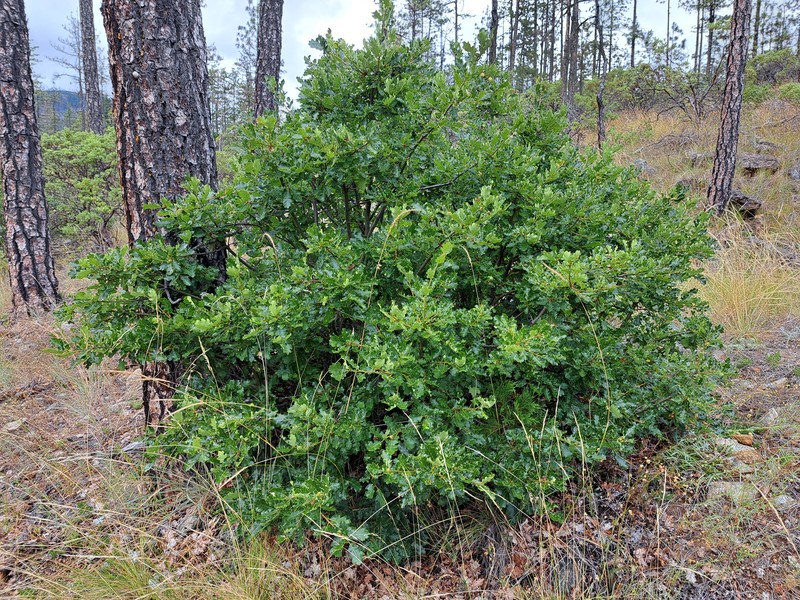
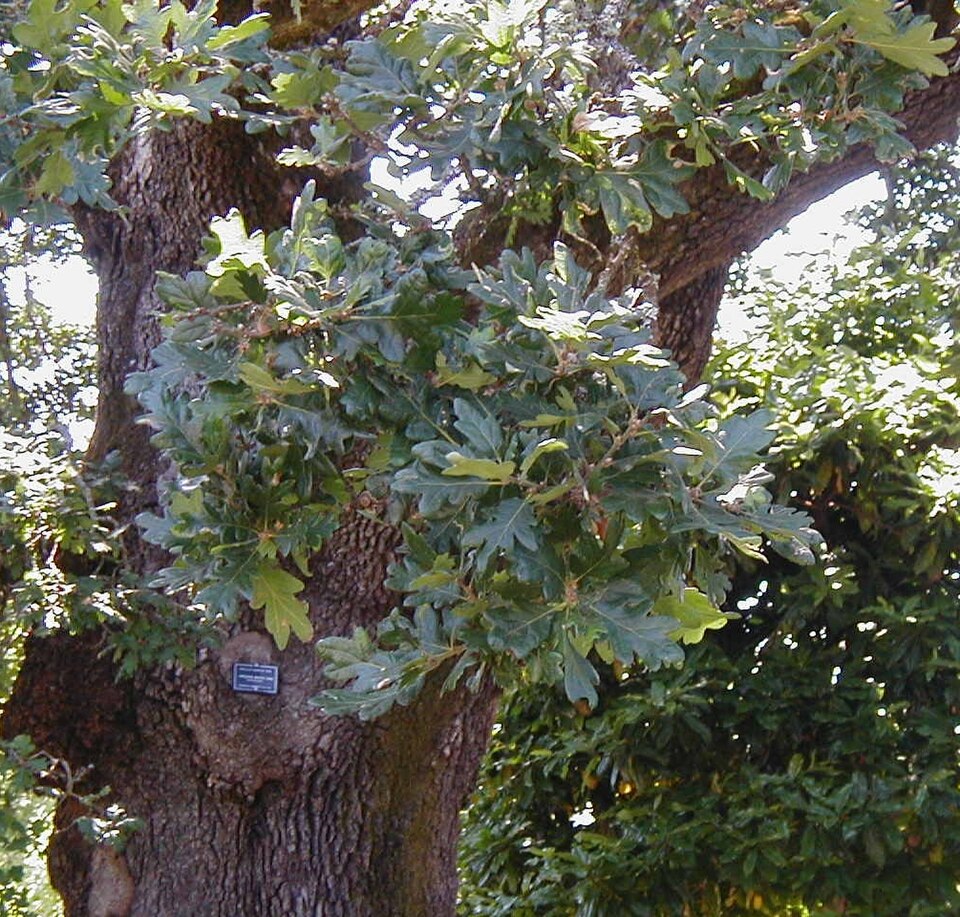
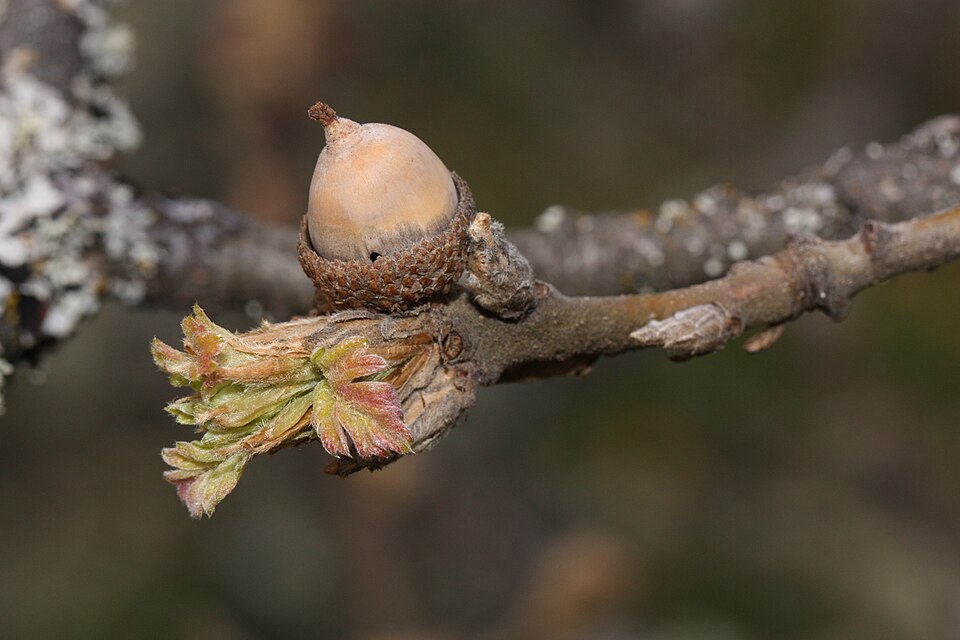
Taxonomy
- Division:
- Magnoliophyta | - Flowering plants
- Family:
- Fagaceae
- Genus:
- Quercus
- Species:
- Quercus garryana
- USDA Symbol:
- QUGA4
Growth Characteristics
- Life Cycle:
- Perennial
- Growth Habit:
- Shrub , Tree
- Height:
- 2500 cm
- Light Requirements:
- Full Sun,Part Shade,Shade
- Drought Tolerance:
- High
Wildlife Benefits
- Bees:
- ★☆☆☆☆ Documented bee visitation (GBIF)
- Butterflies & Moths:
- ★☆☆☆☆ Documented Lepidoptera association (GBIF)
- Caterpillars:
- ★★★★☆ Recorded caterpillar host plant (HOSTS Database)
- Hummingbirds:
- ★☆☆☆☆ Documented hummingbird visits (GBIF)
Keystone Species Ranking
- Caterpillar Keystone:
- ★★★★★ Butterfly & moth species supported by this genus (NWF)
Host Plant for Caterpillars
Reported Fauna Sightings
Garden & Ecology Notes
- Wildlife Value:
- birds, mammals, butterflies
- Fall Color:
- red, orange, brown
- Fire Ecology:
- Fire adapted — tolerates or benefits from fire
- Fire Notes:
- Thick bark provides moderate fire resistance; regenerates from root crown after low-severity fire.
Soil Requirements
- Soil Type:
- well-drained, rocky or sandy loam
- pH:
- 5.5 - 7.5 (slightly acidic to neutral)
- Drainage:
- excellent drainage required
- Moisture:
- dry to moderate
- Notes:
- prefers open, sunny locations
Propagation & Germination
- Stratification:
- Cold/moist stratification required — 30–90 days
- Germination Time:
- 30–90 days
- Notes:
- Seeds require cold stratification for 30-90 days; sow in fall or stratify artificially.
Pre-treatment: Seeds are soaked in a 1% hydrogen peroxide solution for 24 hours, rinsed, and then placed in aerated water for an additional 48 hours. They are then placed on mesh-bottom trays, sealed in plastic bags, and refrigerated at 1 to 3 °C for 60 days. Seeds should be checked weekly for mold and treated with 1% hydrogen peroxide if necessary.
Establishment: Nuts are considered ripe when they separate freely from the acorn cap and fall from the tree. Local fruits should be collected as they may be adapted to local environmental conditions. Nuts with discoloration or sticky exudates, and small holes caused by insect larvae, should be discarded. Germination may begin to occur during the stratification period. If radicles have started to emerge, the germinated seeds should be sown immediately.
Source: npn.rngr.net
Where to Buy
Nationwide Seller
- Sheffield's Seed (seeds)