
Bear Oak
Quercus ilicifolia
- Native to:
- Canada, United States, Virgin Islands
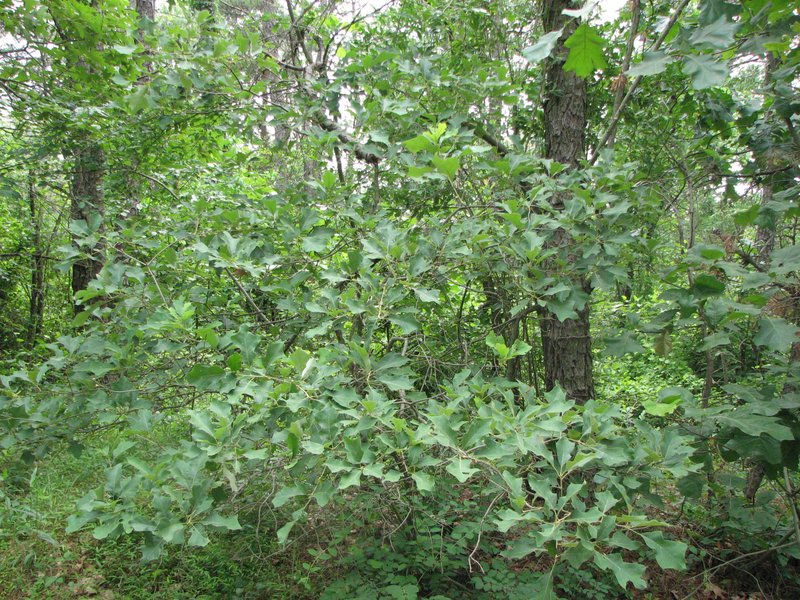
Choess
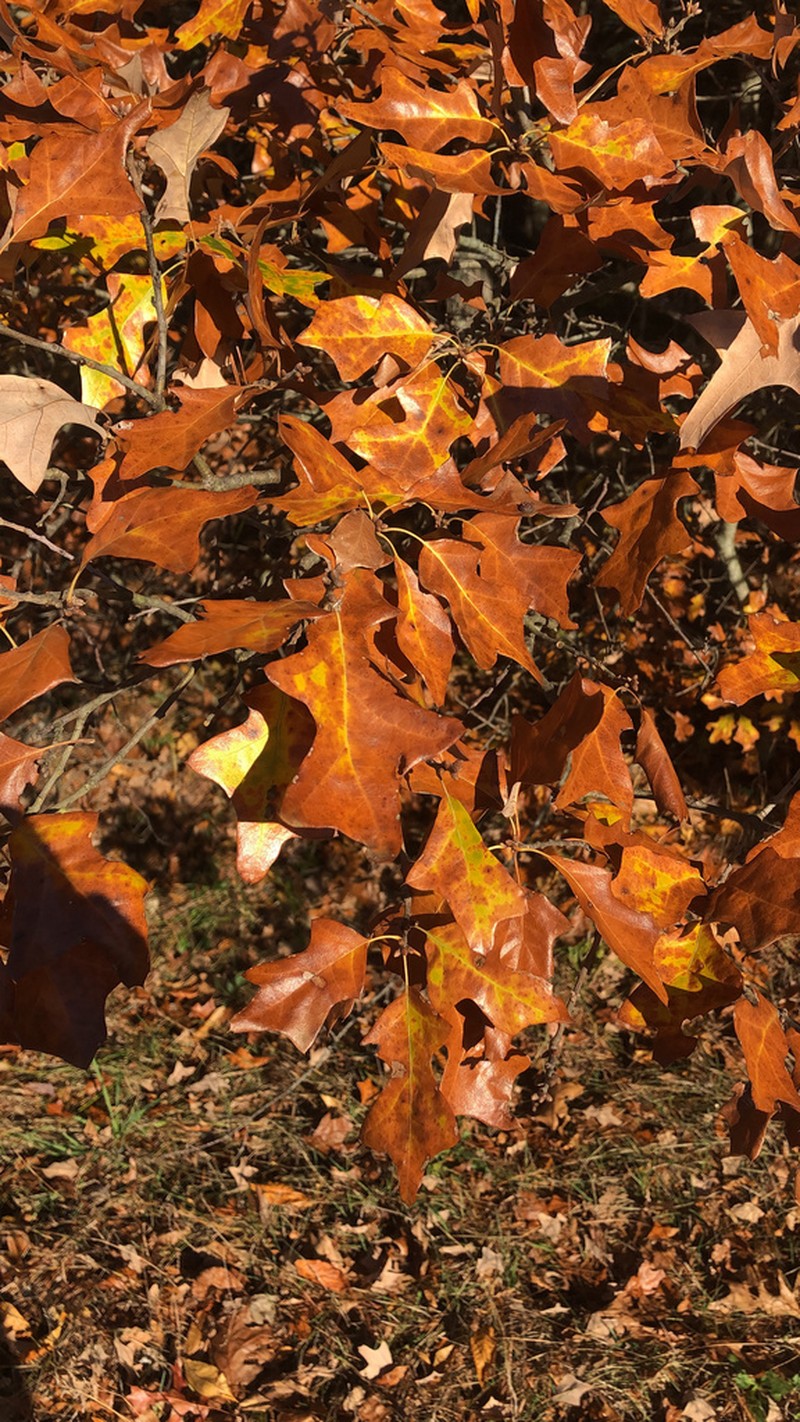
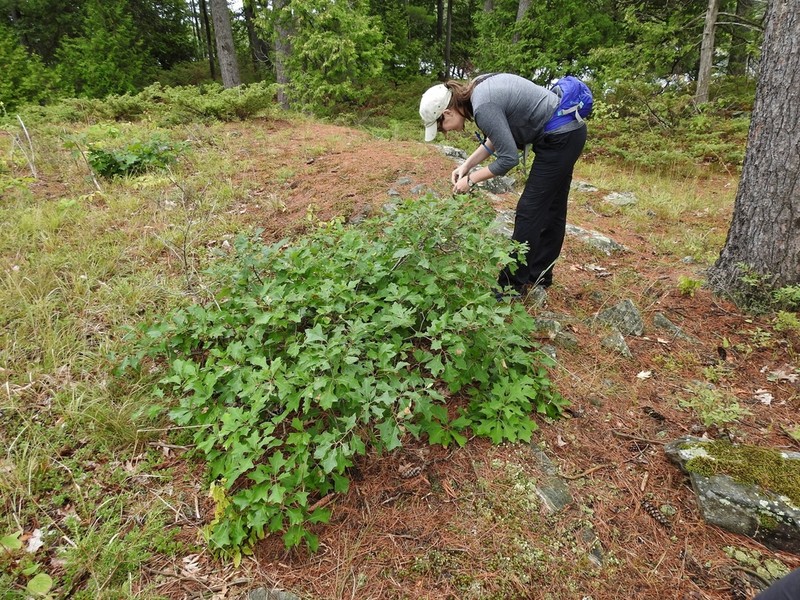
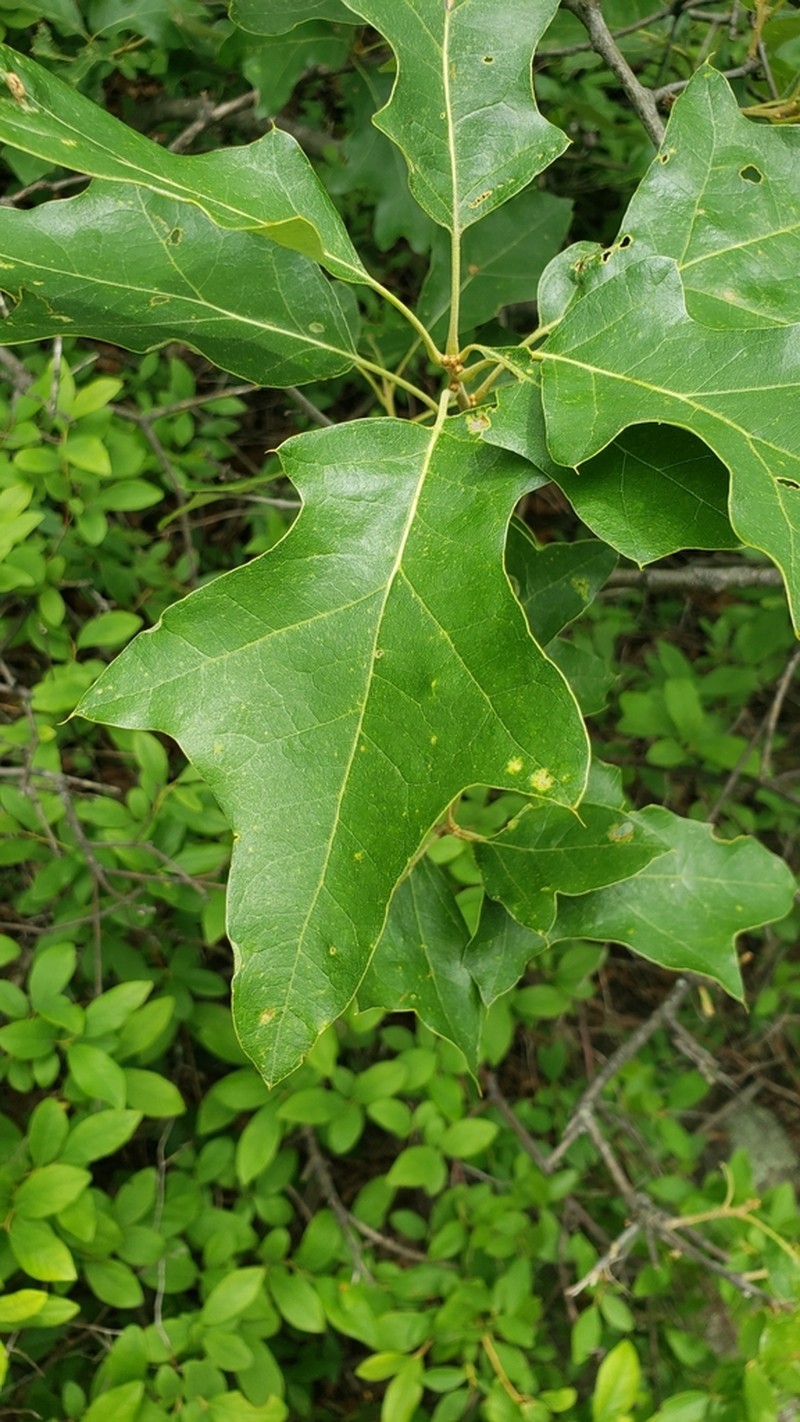
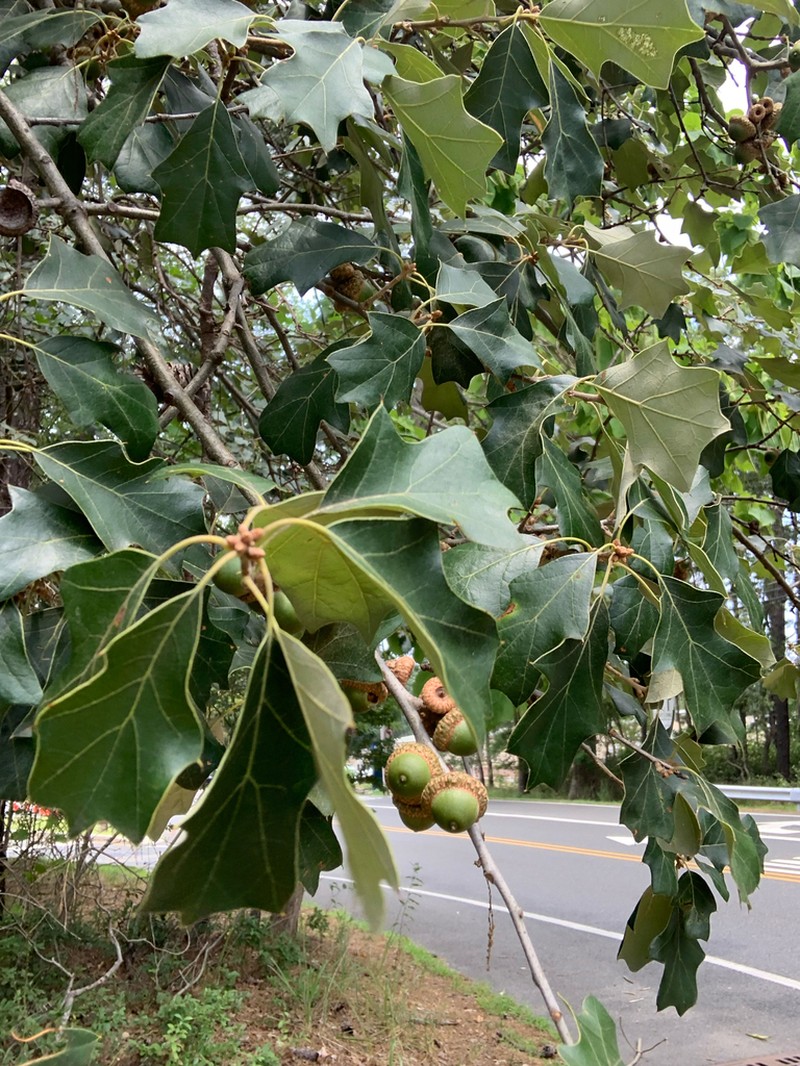
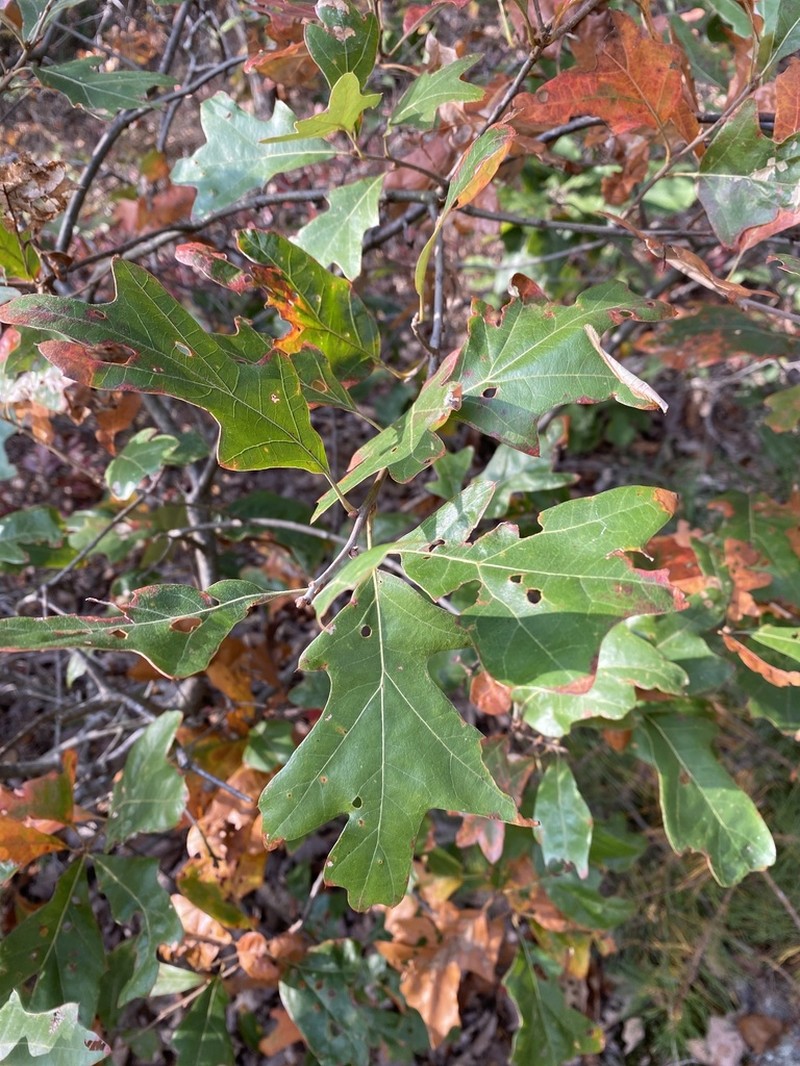
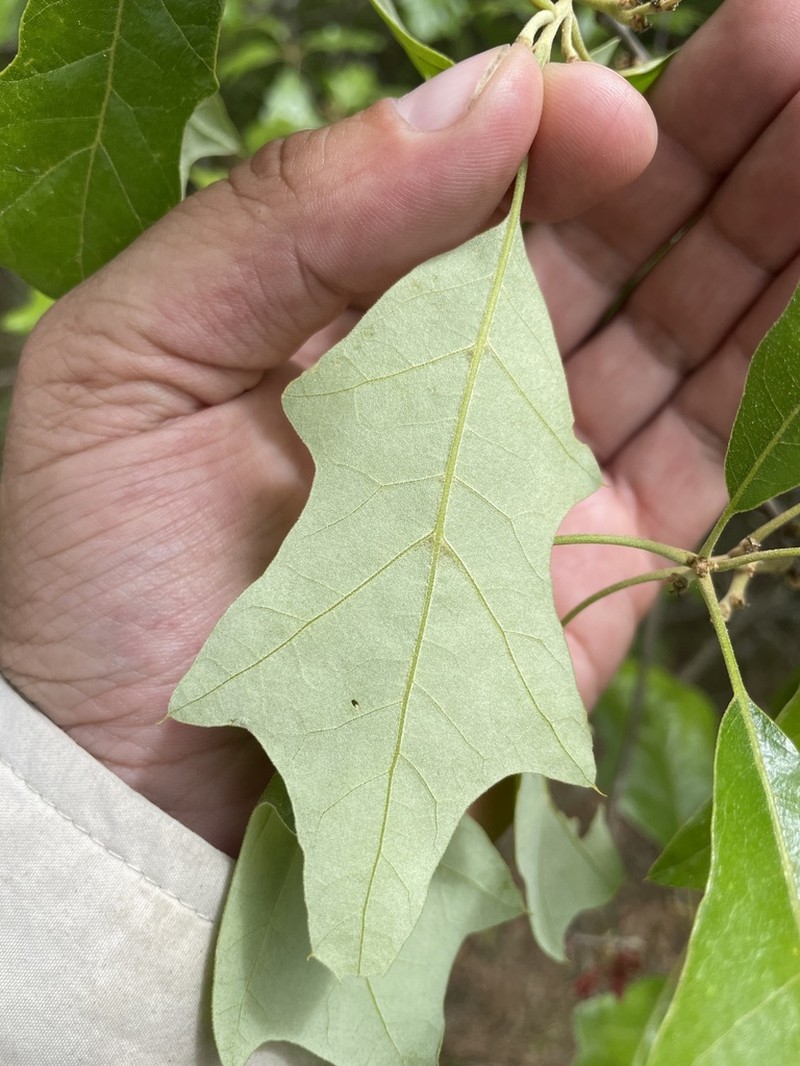
Taxonomy
- Division:
- Magnoliophyta | - Flowering plants
- Family:
- Fagaceae
- Genus:
- Quercus
- Species:
- Quercus ilicifolia
- USDA Symbol:
- QUIL
Growth Characteristics
- Life Cycle:
- Perennial
- Growth Habit:
- Shrub , Tree
- Height:
- 800 cm
- Light Requirements:
- Full Sun
- Drought Tolerance:
- Medium
- Bloom Months:
- apr,may
Wildlife Benefits
- Bees:
- ★☆☆☆☆ Documented bee visitation (GBIF)
- Butterflies & Moths:
- ★★★★★ Documented Lepidoptera association (GBIF)
- Caterpillars:
- ★★★☆☆ Recorded caterpillar host plant (HOSTS Database)
Keystone Species Ranking
- Caterpillar Keystone:
- ★★★★★ Butterfly & moth species supported by this genus (NWF)
Host Plant for Caterpillars
American lappet moth (Phyllodesma americana), Antaeotricha decorosella, Buck Moth (Hemileuca maia), Cameraria bethunella, Cameraria castaneaeella, Cameraria ulmella, Chain-lined geometer moth (Cingilia catenaria), Epinotia timidella, Girlfriend Underwing (Catocala amica), Grote's buck moth (Hemileuca grotei), Gypsy moth (Lymantria dispar), 🛑Herodias Underwing (Catocala herodias), Lineella Underwing (Catocala lineella), maple webworm moth (Pococera asperatella), Melsheimer's sack-bearer (Cicinnus melsheimeri), Orange-tipped oakworm moth (Anisota senatoria), Phyllonorycter aeriferella, Phyllonorycter fitchella, red oak clearwing borer (Paranthrene simulans), Rosy Maple Moth (Dryocampa rubicunda), Scalloped sack-bearer (Lacosoma chiridota), Scarlet Underwing (Catocala coccinata), Spiny Oak Slug (Euclea delphinii), Synanthedon decipiens, tiger moth (Malacosoma tigris), Edwards' hairstreak (Satyrium edwardsii), Horace's Duskywing (Erynnis horatius), Juvenal's Duskywing (Erynnis juvenalis), Red-spotted Purple (Basilarchia arthemis)
Reported Fauna Sightings
Moths:Acronicta lithospila, Afflicted Dagger Moth (Acronicta afflicta), Apoda biguttata, Banded Tussock Moth (Halysidota tessellaris), Blinded Sphinx (Paonias excaecata), Buck Moth (Hemileuca maia), Coptotriche castaneaeella, Coptotriche citrinipennella, Eriocraniella platyptera, four-lined chocolate (Argyrostrotis quadrifilaris), Hickory Tussock Moth (Lophocampa caryae), Menesta melanella, Mottled Prominent (Macrurocampa marthesia), oak blotch miner moth (Tischeria quercitella), Oblique Heterocampa (Heterocampa obliqua), Orange-tipped oakworm moth (Anisota senatoria), Phyllonorycter aeriferella, Polyphemus moth (Antheraea polyphemus), Povolnya quercinigrella, Scalloped sack-bearer (Lacosoma chiridota), Stilbosis quadricustatella, White-dotted Prominent (Nadata gibbosa), Yellownecked caterpillar (Datana ministra)
Garden & Ecology Notes
- Wildlife Value:
- birds, small mammals, butterflies
- Fall Color:
- red, orange
- Fire Ecology:
- Fire adapted — tolerates or benefits from fire
- Fire Notes:
- Resprouts vigorously after fire; fire maintains open barrens habitat.
Soil Requirements
- Soil Type:
- sandy, acidic, nutrient-poor soil
- pH:
- 4.5 - 6.5 (acidic to slightly acidic)
- Drainage:
- excellent drainage required
- Moisture:
- dry to moderate
- Notes:
- often found in dry, rocky, or sandy barrens
Propagation & Germination
- Stratification:
- Cold/moist stratification required — 60–90 days
- Germination Time:
- 30–60 days
- Notes:
- Seeds require cold stratification for 60-90 days to break dormancy.
Pre-treatment: Cold-moist stratification for 30 days at 1–5°C (34–41°F).; then Cold-moist stratification for 90 days.
Notes: Seeds may require light for germination.
Source: Claude AI
Where to Buy
Nationwide Seller
- Sheffield's Seed (seeds)