
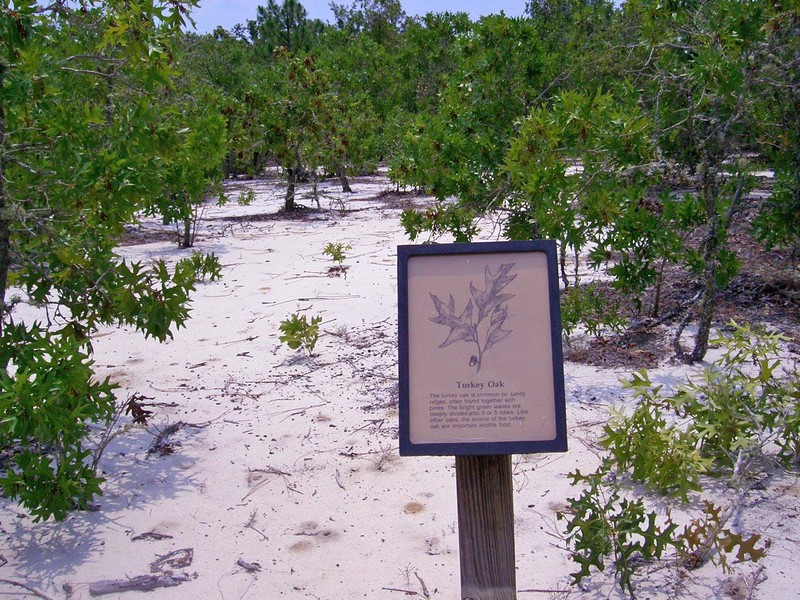
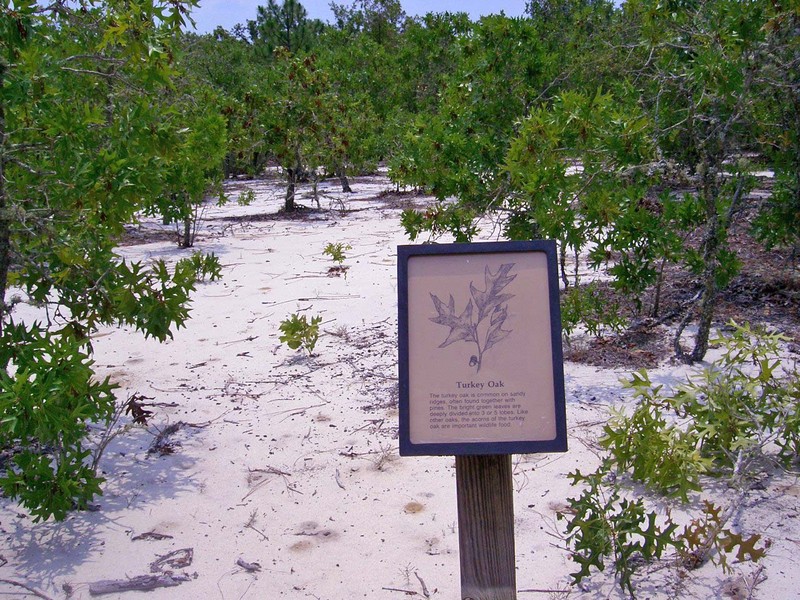
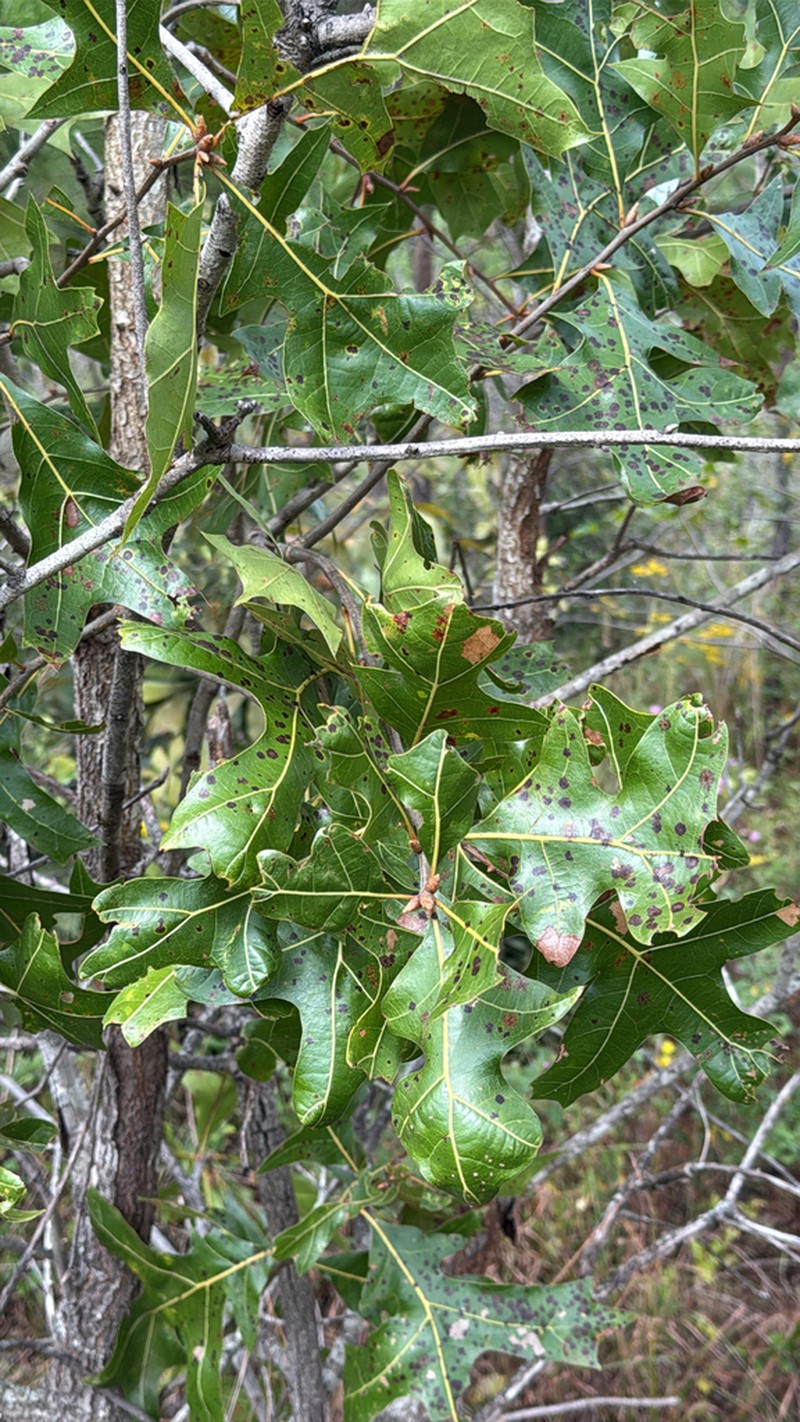
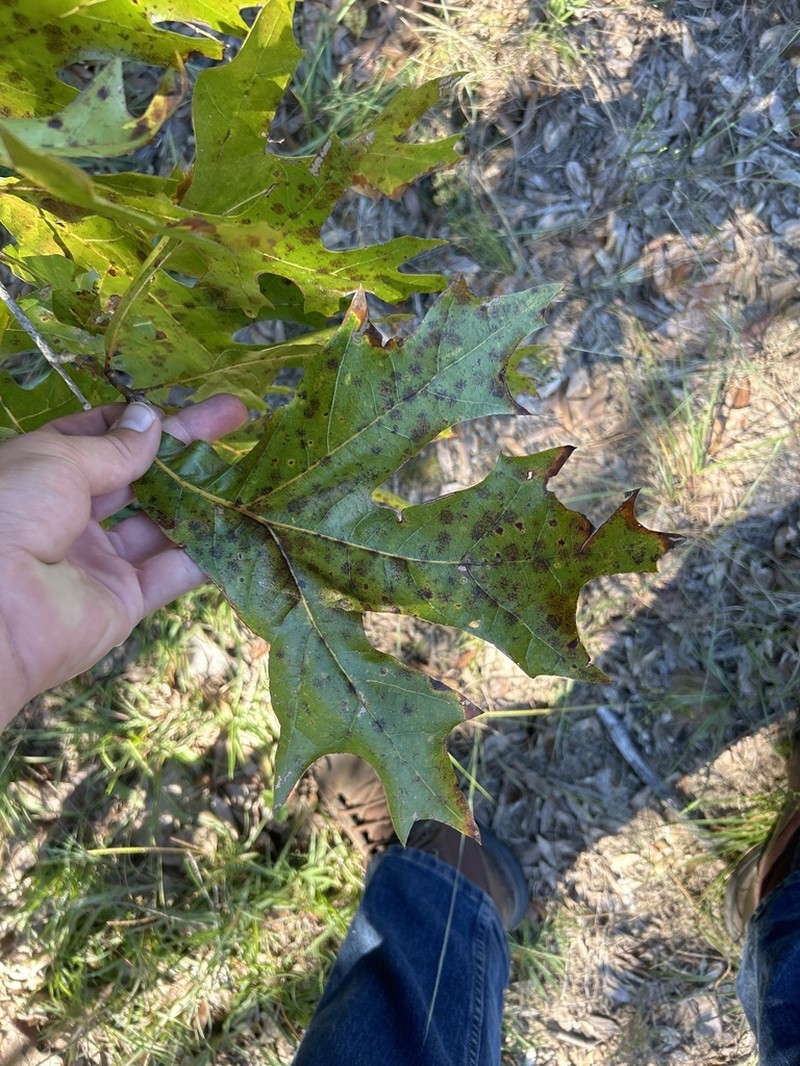
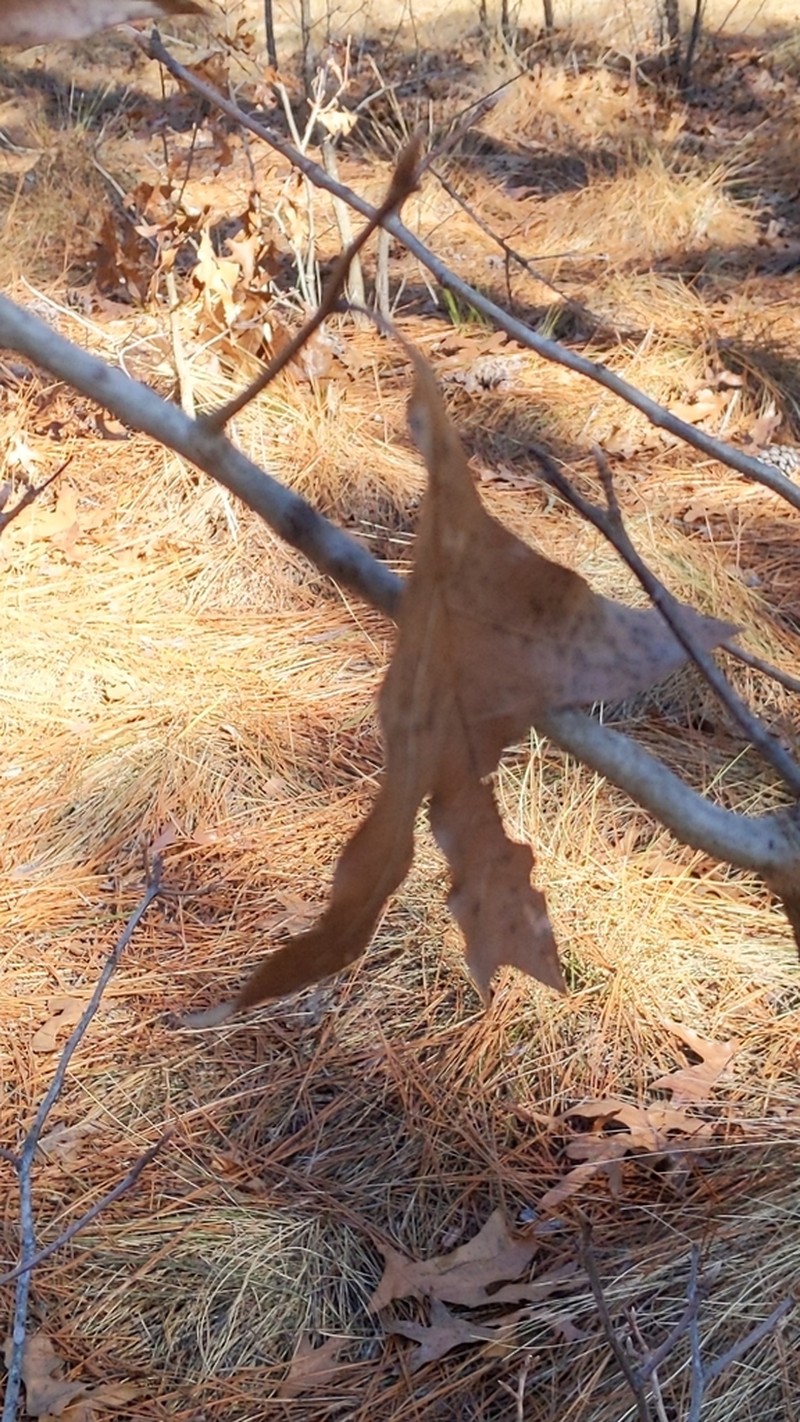
Turkey Oak
Quercus laevis
- Native to:
- United States, Virgin Islands
Geogre
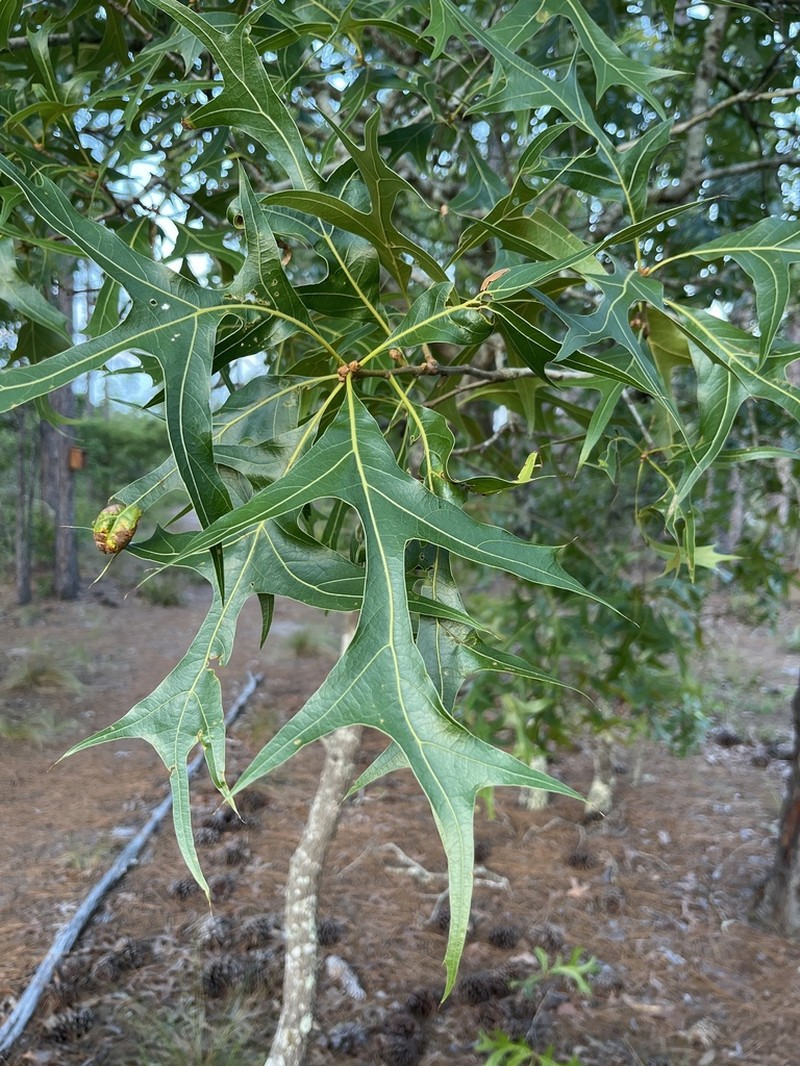
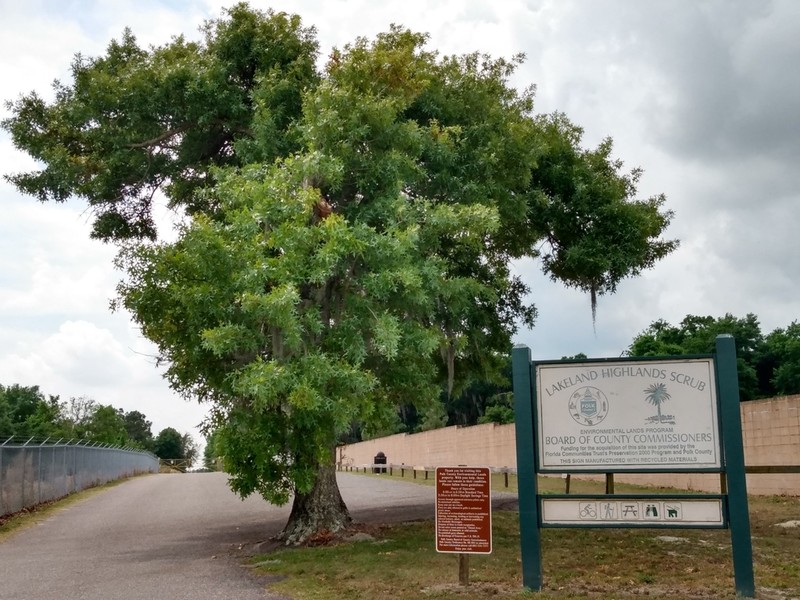
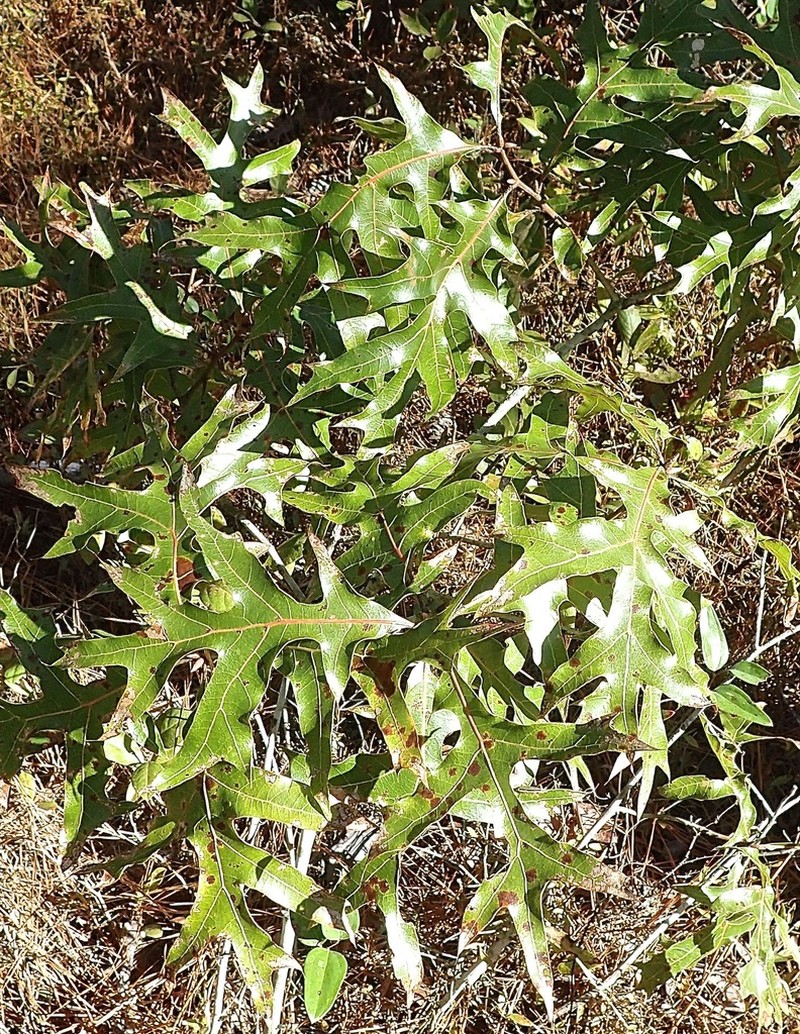
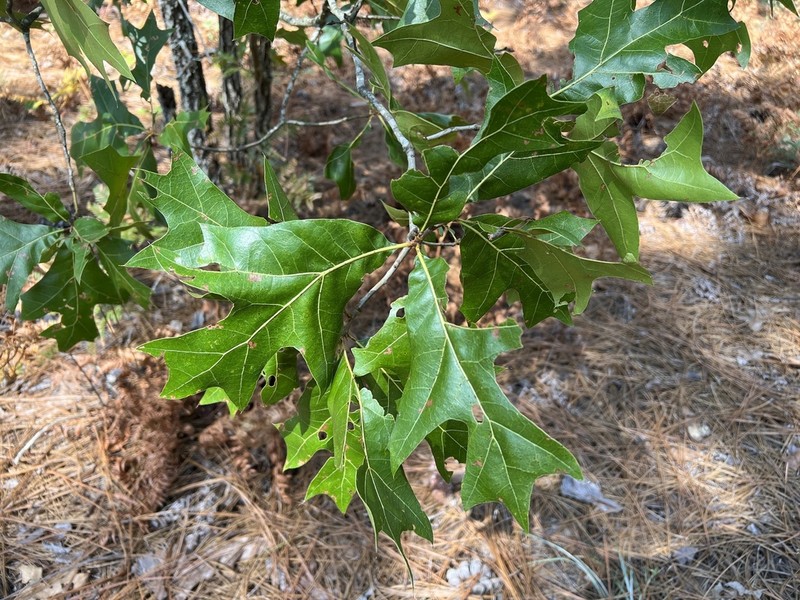
Taxonomy
- Division:
- Magnoliophyta | - Flowering plants
- Family:
- Fagaceae
- Genus:
- Quercus
- Species:
- Quercus laevis
- USDA Symbol:
- QULA2
Growth Characteristics
- Life Cycle:
- Perennial
- Growth Habit:
- Tree
- Height:
- 1830 cm
- Light Requirements:
- Full Sun
- Drought Tolerance:
- High
- Bloom Months:
- mar,apr
- Bloom Colors:
- yellow-green
Wildlife Benefits
- Bees:
- ★☆☆☆☆ Documented bee visitation (GBIF)
- Butterflies & Moths:
- ★★★★☆ Documented Lepidoptera association (GBIF)
- Caterpillars:
- ★★☆☆☆ Recorded caterpillar host plant (HOSTS Database)
Keystone Species Ranking
- Caterpillar Keystone:
- ★★★★★ Butterfly & moth species supported by this genus (NWF)
Host Plant for Caterpillars
almond bud moth (Acrobasis minimella), Buck Moth (Hemileuca maia), Carpenterworm Moth (Prionoxystus robiniae), consular oakworm moth (Anisota consularis), Echo Moth (Seirarctia echo), Georgia Archips Moth (Archips georgiana), Hyparpax perophoroides, Imperial Moth (Eacles imperialis), Io moth (Automeris io), maple-basswood leafroller (Sparganothis pettitana), Rosy Maple Moth (Dryocampa rubicunda), spotted oakworm moth (Anisota stigma), Yellownecked caterpillar (Datana ministra), Banded Hairstreak (Satyrium calanus), Striped Hairstreak (Satyrium liparops)
Reported Fauna Sightings
Bees: Common eastern (Bombus impatiens) Moths:Acronicta brumosa, Paraeschra georgica, Variable Heterocampa (Heterocampa varia)
Garden & Ecology Notes
- Wildlife Value:
- birds, small mammals
- Fall Color:
- red, orange
- Fire Ecology:
- Fire adapted — tolerates or benefits from fire
- Fire Notes:
- Thick bark provides some fire resistance; regenerates from root crown after fire.
Soil Requirements
- Soil Type:
- sandy, acidic, nutrient-poor soil
- pH:
- 4.5 - 6.5 (acidic to slightly acidic)
- Drainage:
- excellent drainage required
- Moisture:
- dry to moderate
- Notes:
- Commonly found in sandy ridges and uplands
Propagation & Germination
- Stratification:
- Cold/moist stratification required — 30–60 days
- Germination Time:
- 30–90 days
- Notes:
- Seeds require cold stratification for 30-60 days to break dormancy; sow in fall or after stratification.
Pre-treatment: Cold-moist stratification for 30 days at 1–5°C (34–41°F).; then Cold-moist stratification for 60 days.
Source: Claude AI
Where to Buy
Nationwide Seller
- Sheffield's Seed (seeds)