
Laurel Oak
Quercus laurifolia
- Native to:
- United States, Virgin Islands
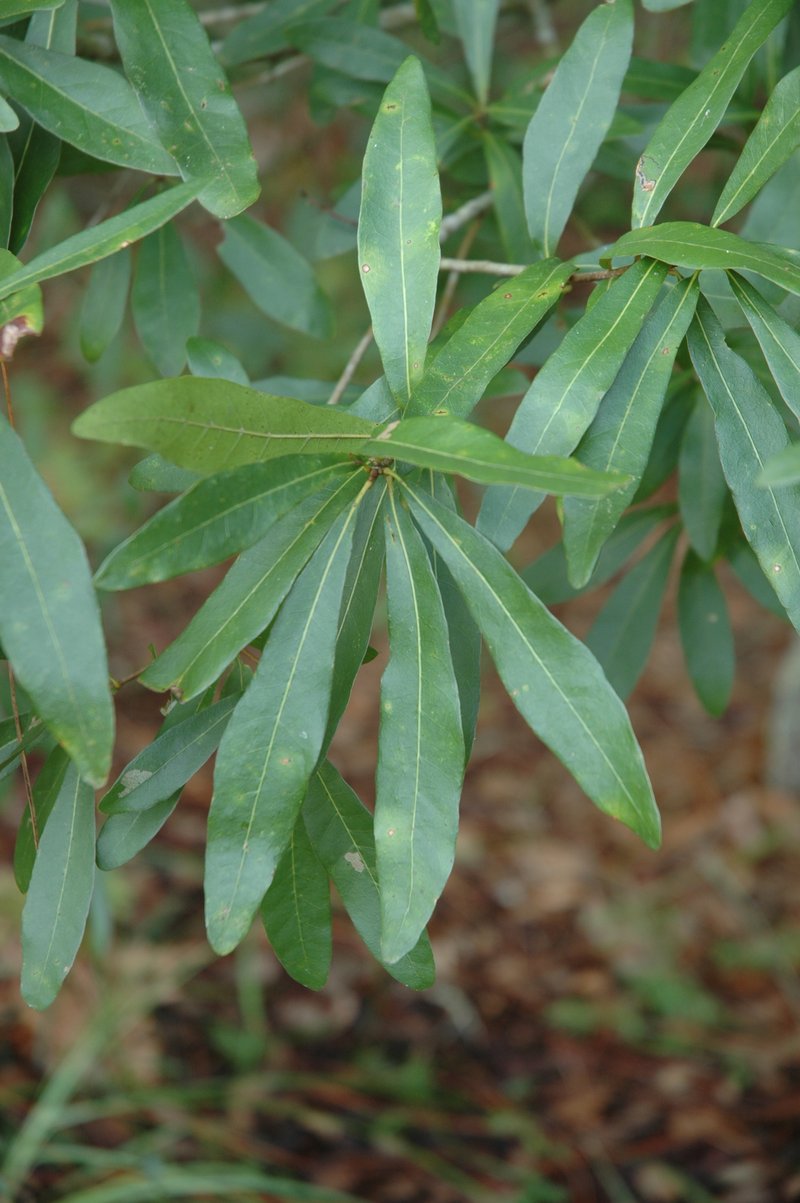
Bruce Kirchoff (www.flickr.com) from Greensboro, NC, USA
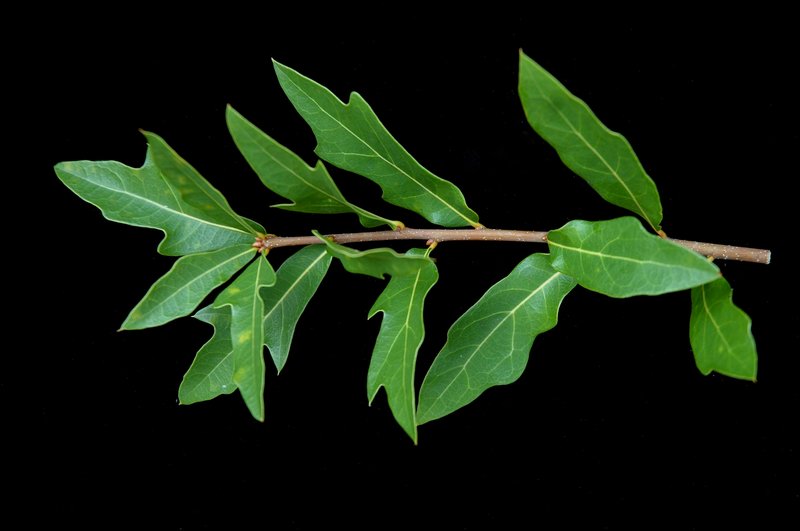
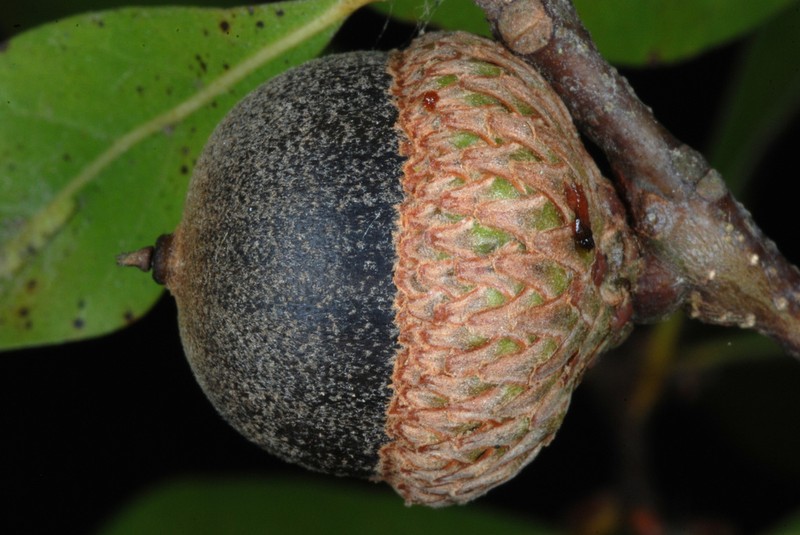
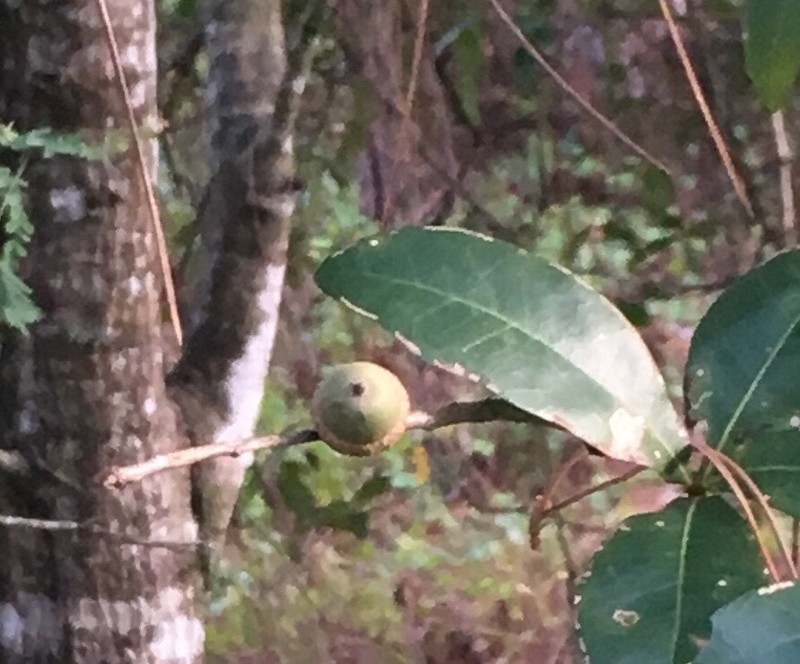
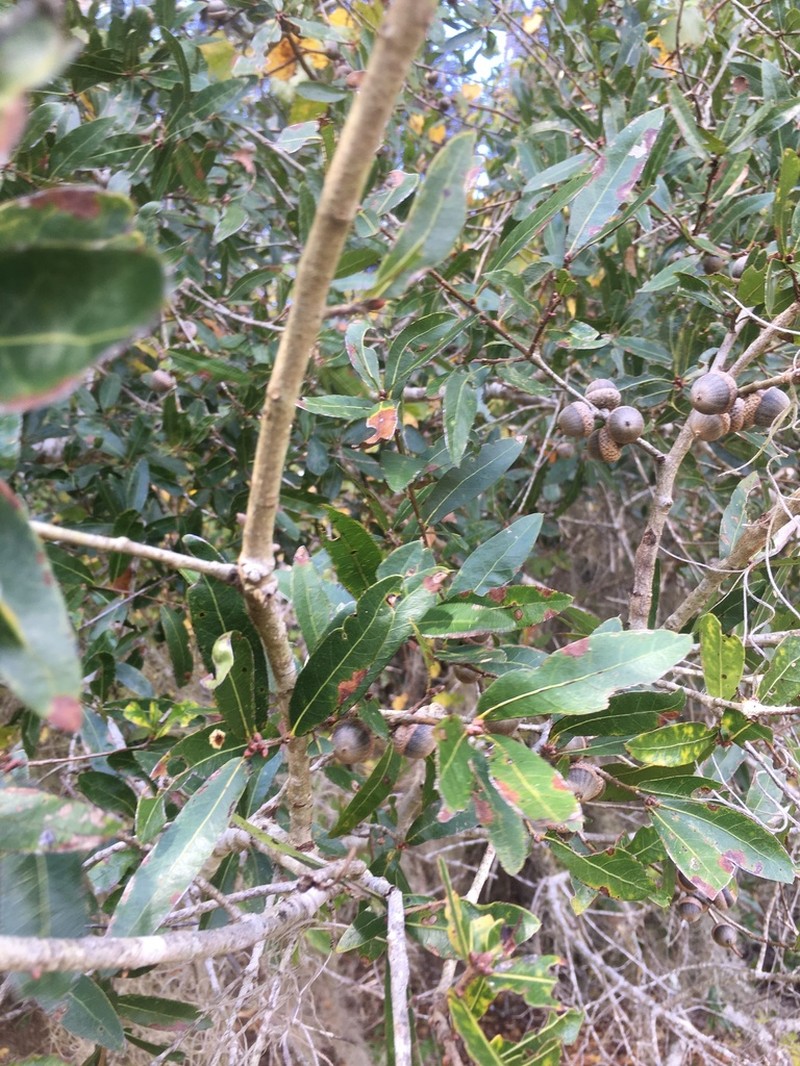
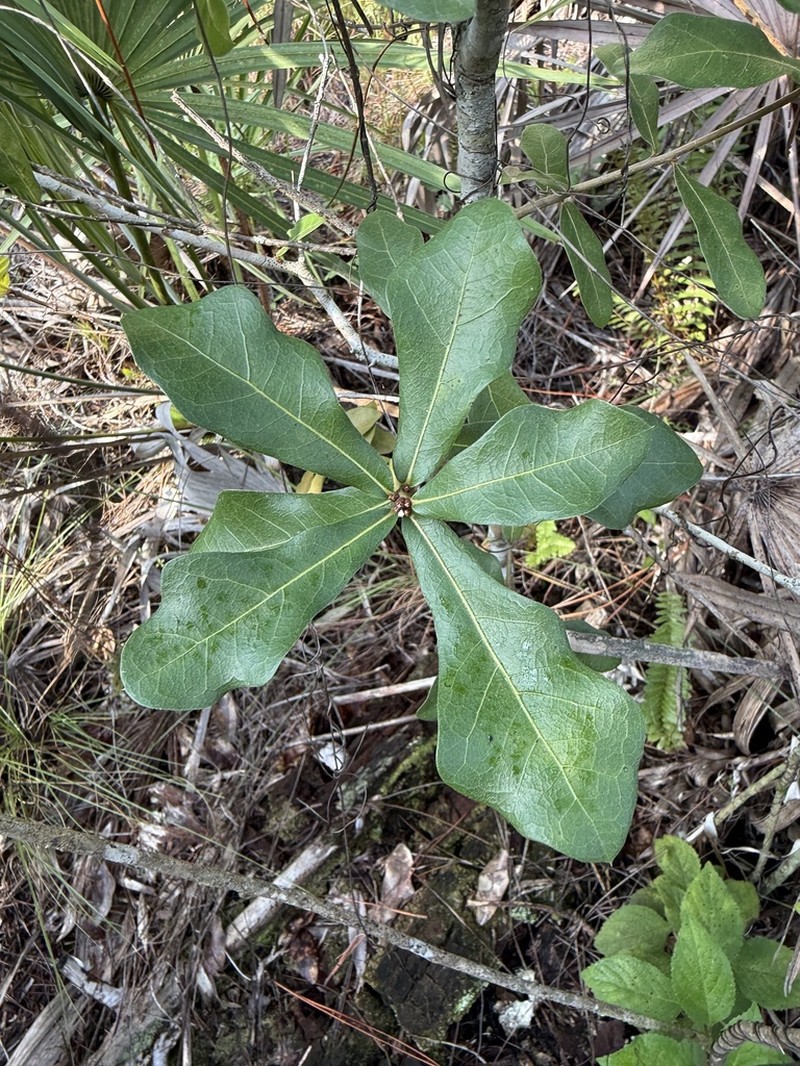
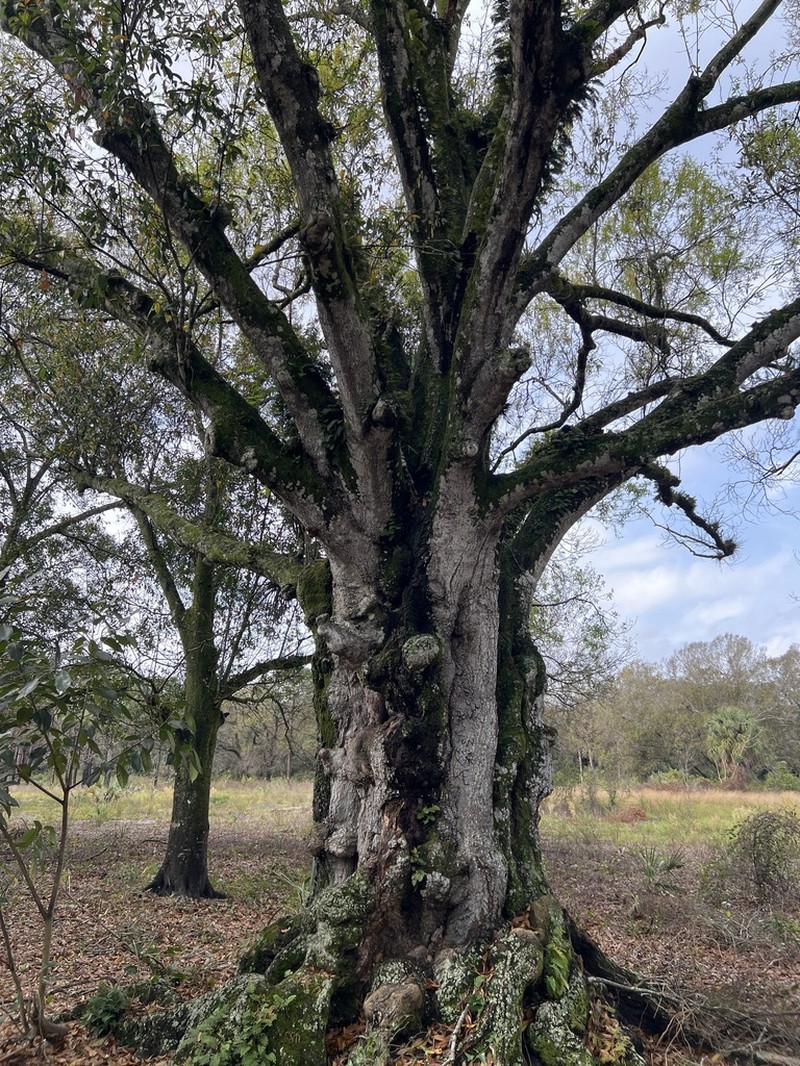
Taxonomy
- Division:
- Magnoliophyta | - Flowering plants
- Family:
- Fagaceae
- Genus:
- Quercus
- Species:
- Quercus laurifolia
- USDA Symbol:
- QULA3
Growth Characteristics
- Life Cycle:
- Perennial
- Growth Habit:
- Tree
- Height:
- 3000 cm
- Light Requirements:
- Part Shade
- Drought Tolerance:
- Low
- Bloom Months:
- mar,apr
- Bloom Colors:
- yellow-green
Wildlife Benefits
- Bees:
- ★☆☆☆☆ Documented bee visitation (GBIF)
- Butterflies & Moths:
- ★★★★☆ Documented Lepidoptera association (GBIF)
- Caterpillars:
- ★☆☆☆☆ Recorded caterpillar host plant (HOSTS Database)
Keystone Species Ranking
- Caterpillar Keystone:
- ★★★★★ Butterfly & moth species supported by this genus (NWF)
Host Plant for Caterpillars
Dasychira tephra, Io moth (Automeris io), Fixsenia ontario, Horace's Duskywing (Erynnis horatius)
Reported Fauna Sightings
Moths:Anisota pellucida
Garden & Ecology Notes
- Wildlife Value:
- birds, small mammals
- Fall Color:
- yellow, brown
Soil Requirements
- Soil Type:
- moist, well-drained sandy loam
- pH:
- 4.5 - 6.5 (acidic to slightly acidic)
- Drainage:
- tolerates poor drainage
- Moisture:
- consistently moist
- Notes:
- commonly found in floodplains and wetland areas
Propagation & Germination
- Stratification:
- Cold/moist stratification required — 30–60 days
- Germination Time:
- 30–90 days
- Notes:
- Seeds require cold stratification for 30-60 days to break dormancy; germination occurs in spring.
Pre-treatment: Cold-moist stratification for 30 days at 1–5°C (34–41°F).; then Cold-moist stratification for 60 days.
Source: Claude AI
Where to Buy
Nationwide Seller
- Sheffield's Seed (seeds)