
Overcup Oak
Quercus lyrata
- Native to:
- United States, Virgin Islands
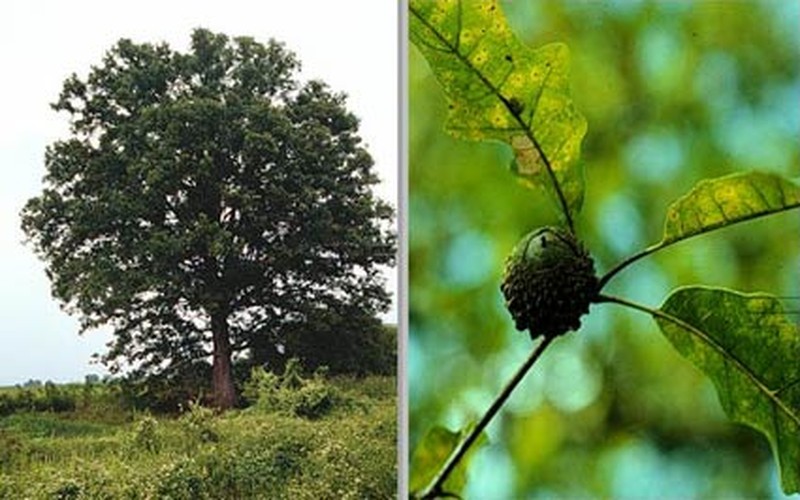
iNaturalist: © ckneuppe (iNaturalist #18686064)
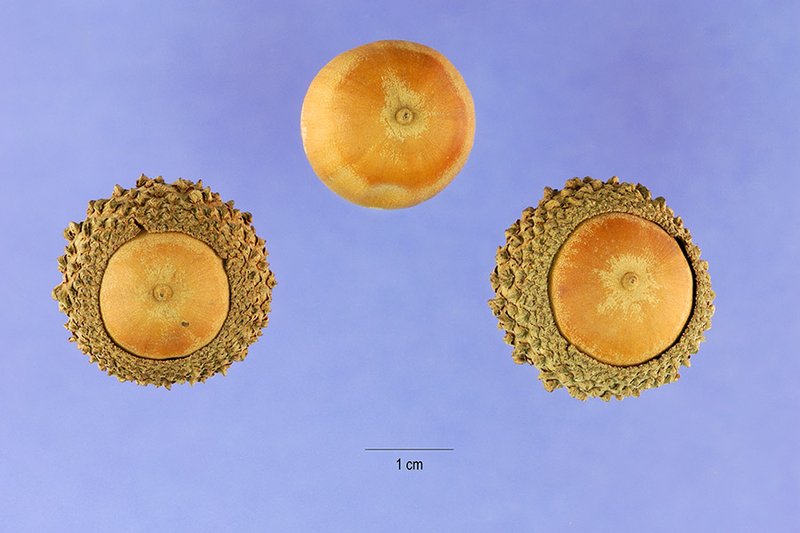
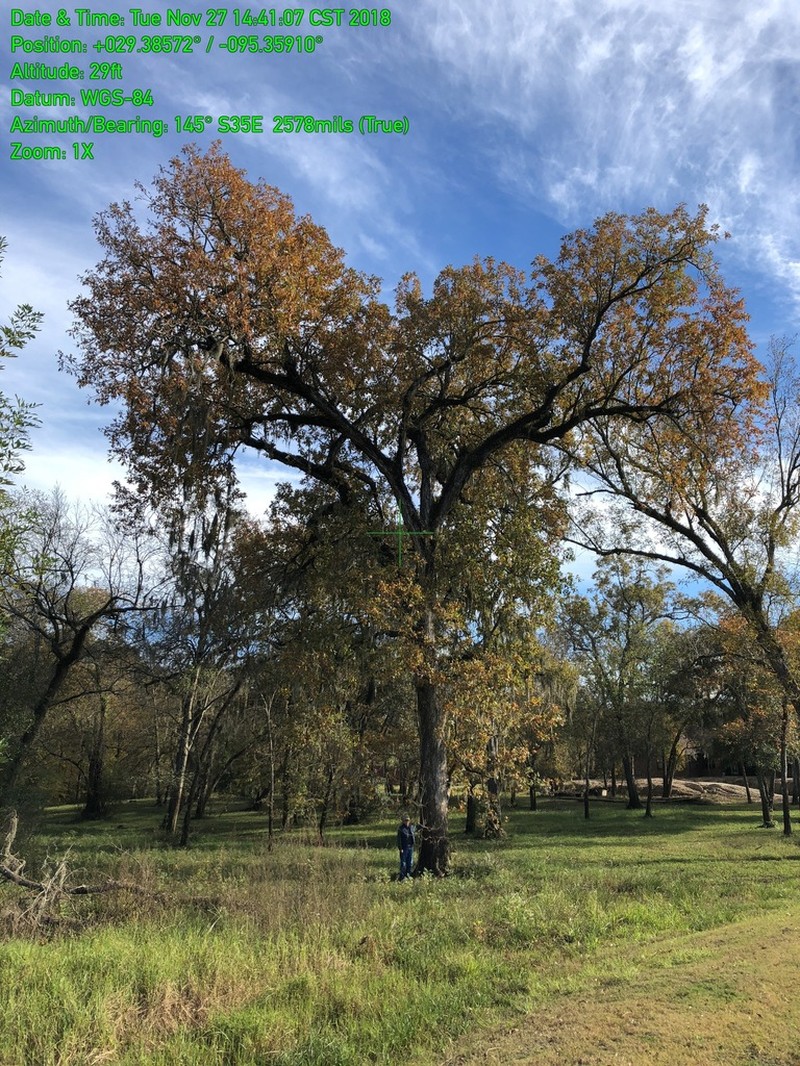
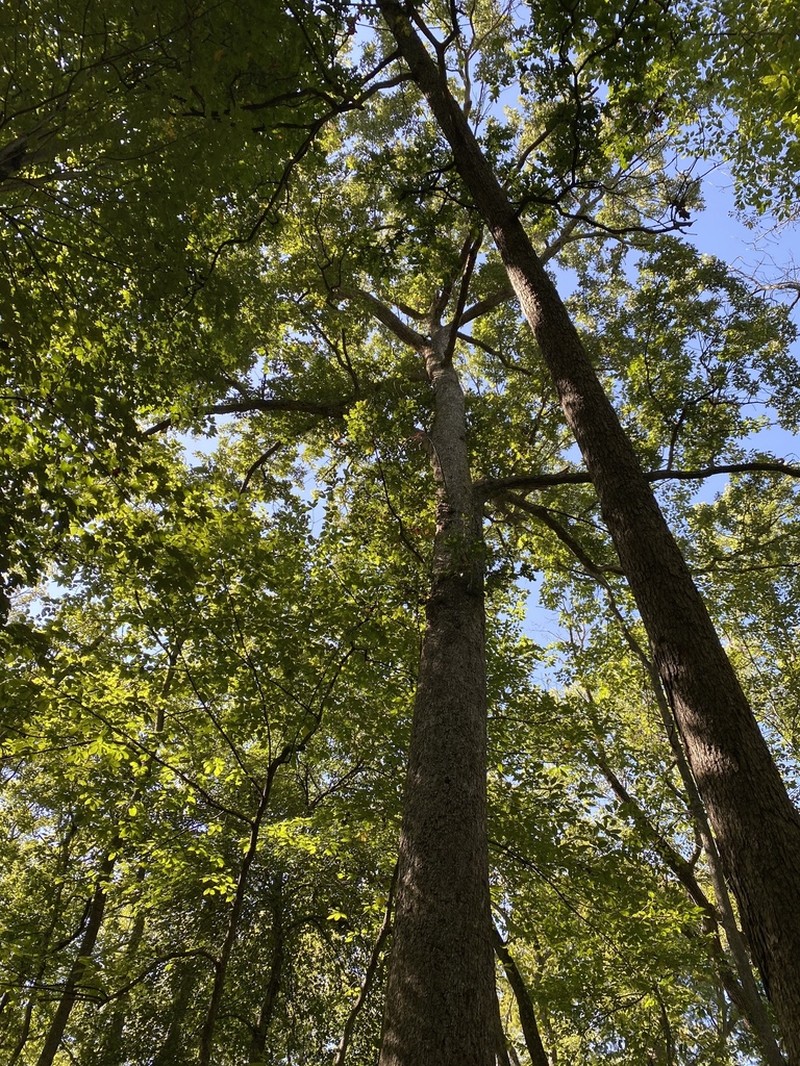
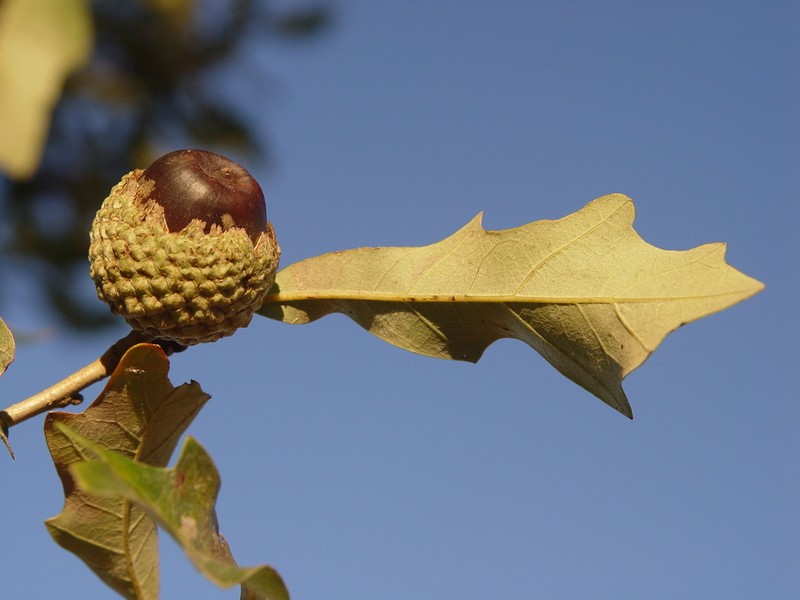
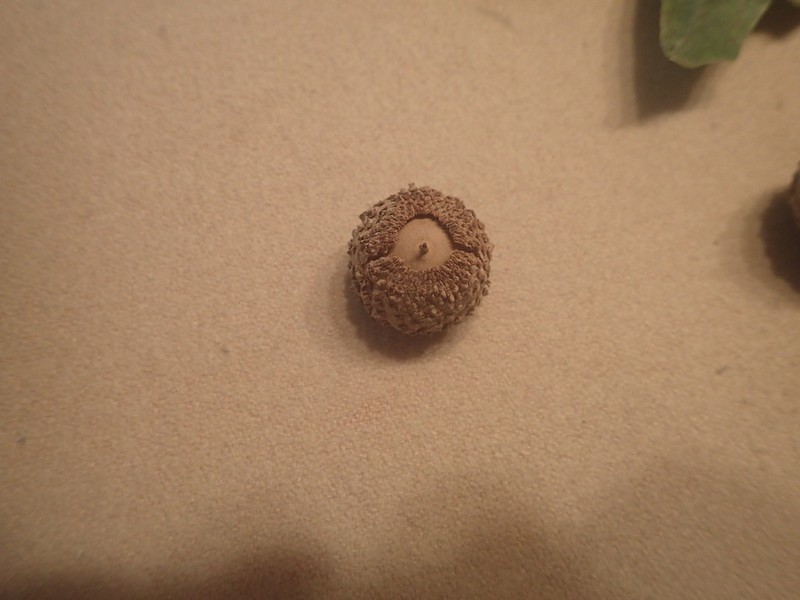
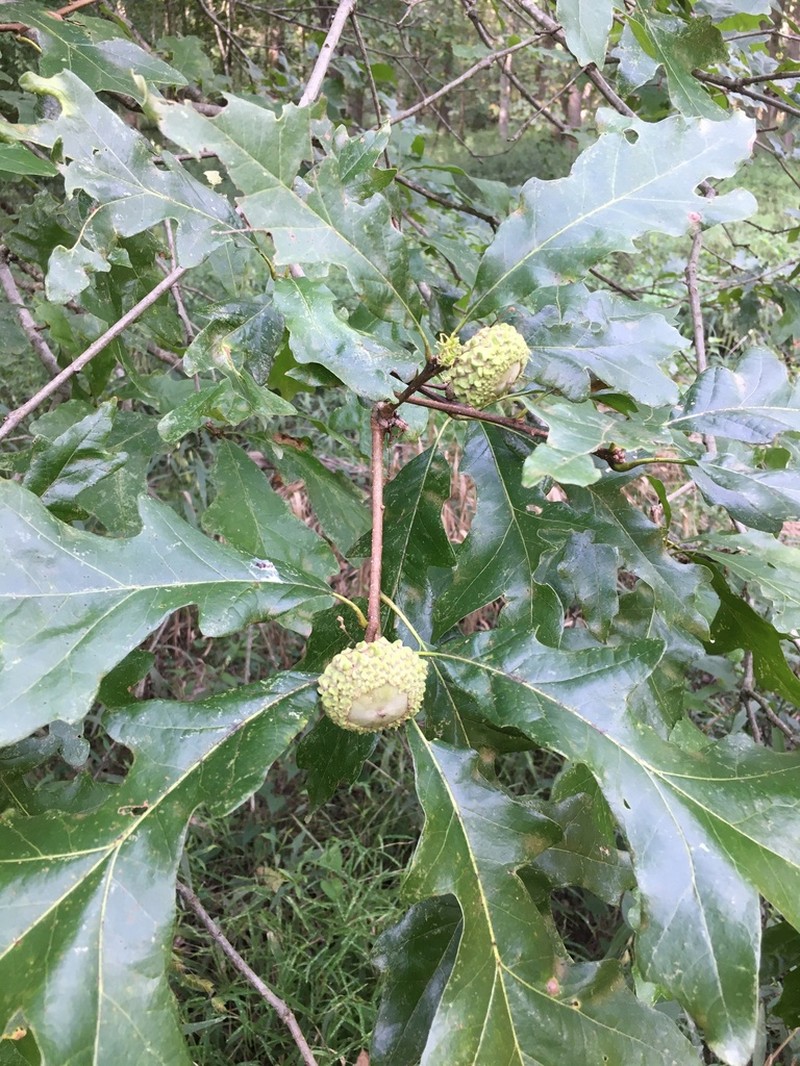
Taxonomy
- Division:
- Magnoliophyta | - Flowering plants
- Family:
- Fagaceae
- Genus:
- Quercus
- Species:
- Quercus lyrata
- USDA Symbol:
- QULY
Growth Characteristics
- Life Cycle:
- Perennial
- Growth Habit:
- Tree
- Height:
- 3000 cm
- Light Requirements:
- Part Shade
- Drought Tolerance:
- Low
- Bloom Months:
- mar,apr,may
Wildlife Benefits
- Butterflies & Moths:
- ★★☆☆☆ Documented Lepidoptera association (GBIF)
- Caterpillars:
- ★☆☆☆☆ Recorded caterpillar host plant (HOSTS Database)
Keystone Species Ranking
- Caterpillar Keystone:
- ★★★★★ Butterfly & moth species supported by this genus (NWF)
Host Plant for Caterpillars
Reported Fauna Sightings
Garden & Ecology Notes
- Wildlife Value:
- birds, mammals
- Fall Color:
- yellow, brown
Soil Requirements
- Soil Type:
- moist, nutrient-rich, alluvial soil
- pH:
- 4.5 - 6.5 (acidic to slightly acidic)
- Drainage:
- tolerates poor drainage
- Moisture:
- consistently moist
- Notes:
- commonly found in floodplains and bottomlands
Propagation & Germination
- Stratification:
- Cold/moist stratification required — 30–60 days
- Germination Time:
- 30–90 days
- Notes:
- Seeds require cold stratification for 30-60 days; sow in fall or stratify artificially. Germination is hypogeal.
Pre-treatment: Seeds are soaked in clean water for 24 hours, then placed into damp peat moss and subjected to cold, moist stratification for 150 to 170 days at 36°F. Seeds are periodically checked during stratification to ensure that seeds and stratification medium are evenly moist and to check for radicle emergence.
Establishment: Seeds are typically collected from local sources within a 50 mile radius of the nursery during fall months. The Overcup oak is found in temperate deciduous forests of the United States, particularly on the Coastal Plain from southern Virginia to Georgia and northwestern Florida; west to eastern Texas; north in the Mississippi Valley to extreme southeastern Oklahoma, southern Illinois, southwestern Indiana, and western Kentucky.
Source: npn.rngr.net
Where to Buy
Nationwide Seller
- Sheffield's Seed (seeds)