
Bur Oak
Quercus macrocarpa
- Native to:
- Canada, United States, Virgin Islands
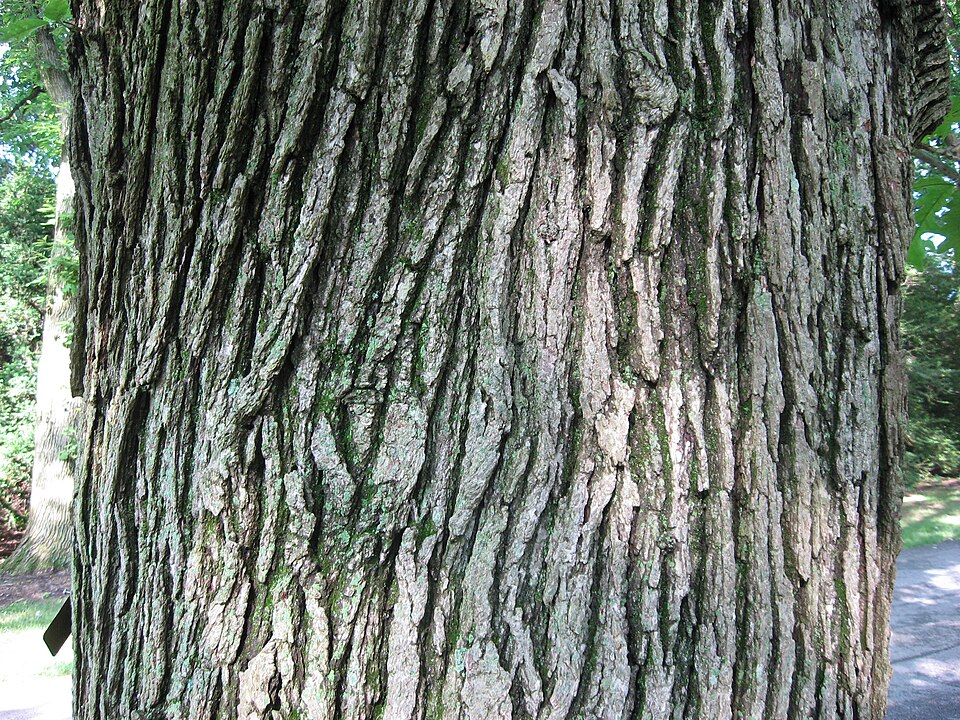
Chhe (en.wikipedia.org) ( talk (en.wikipedia.org) )
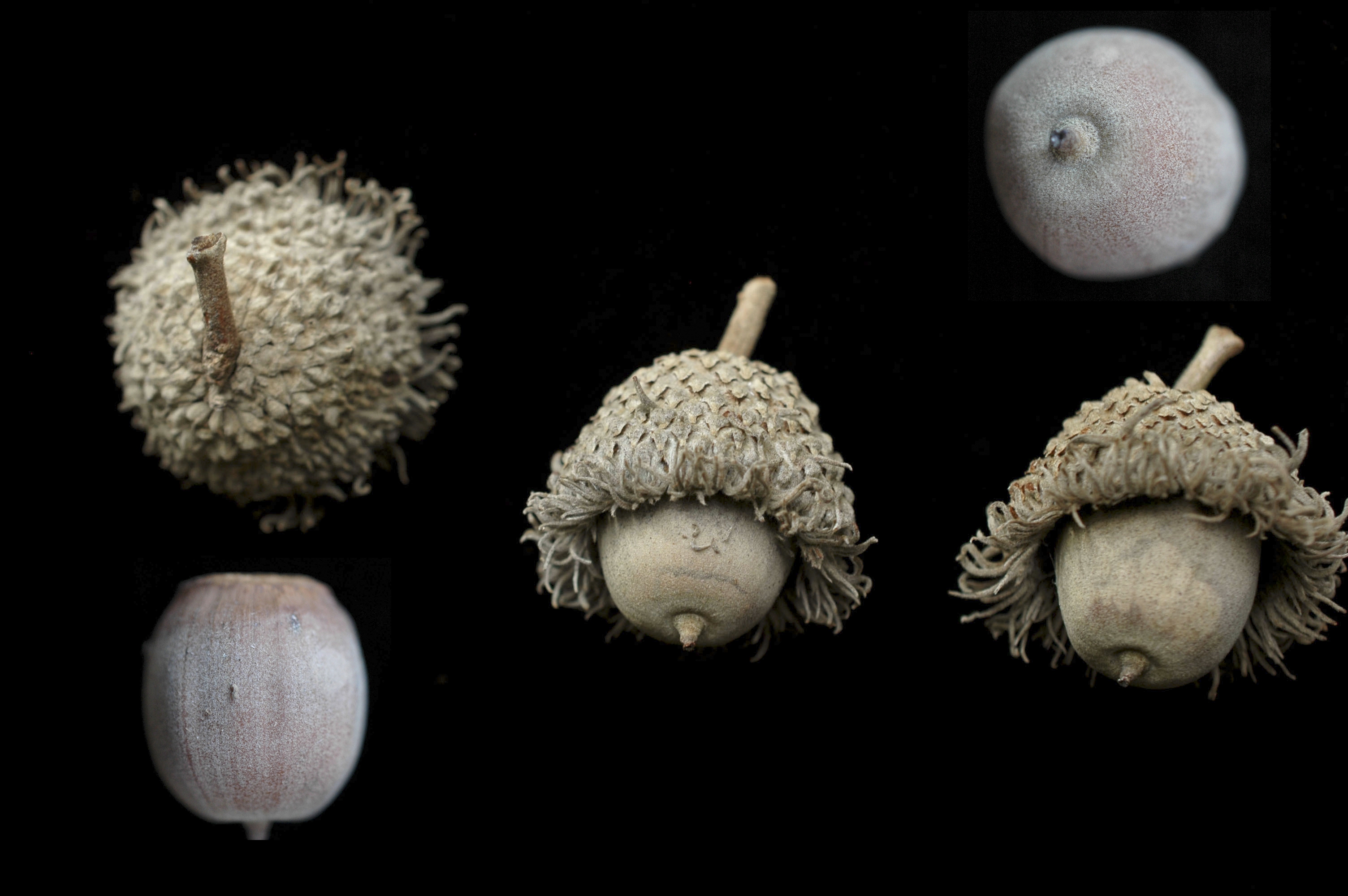
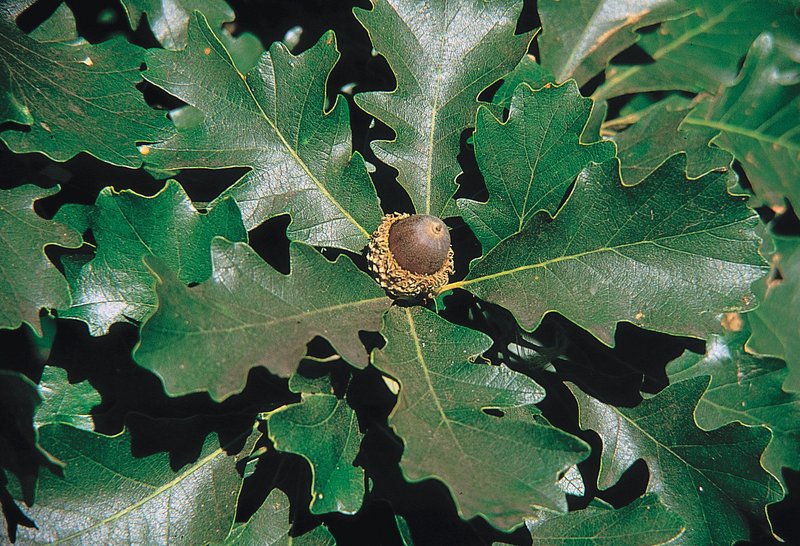
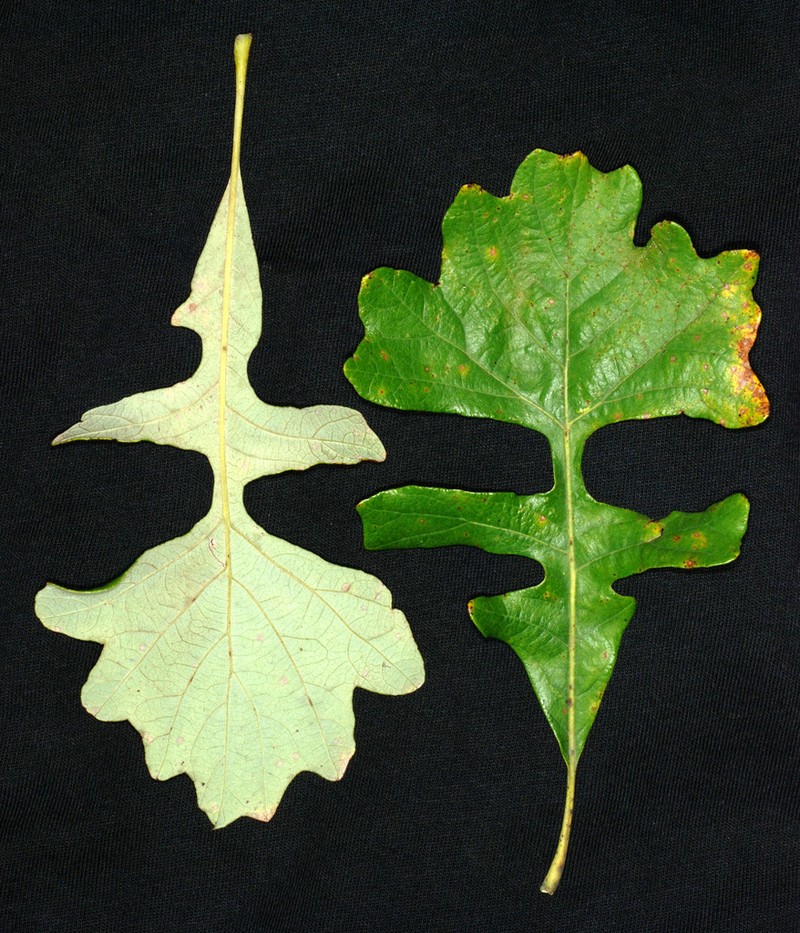
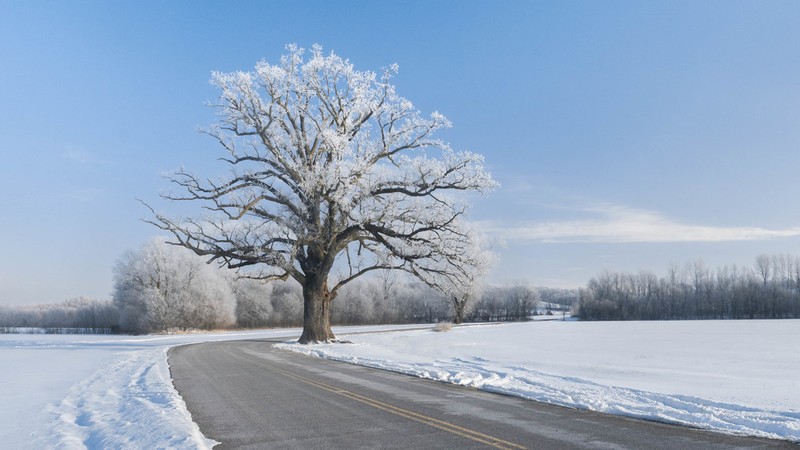
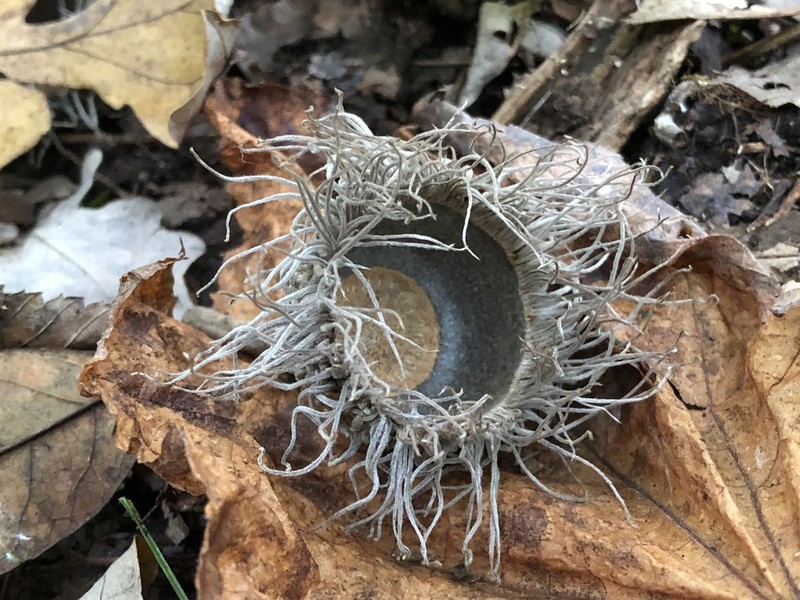
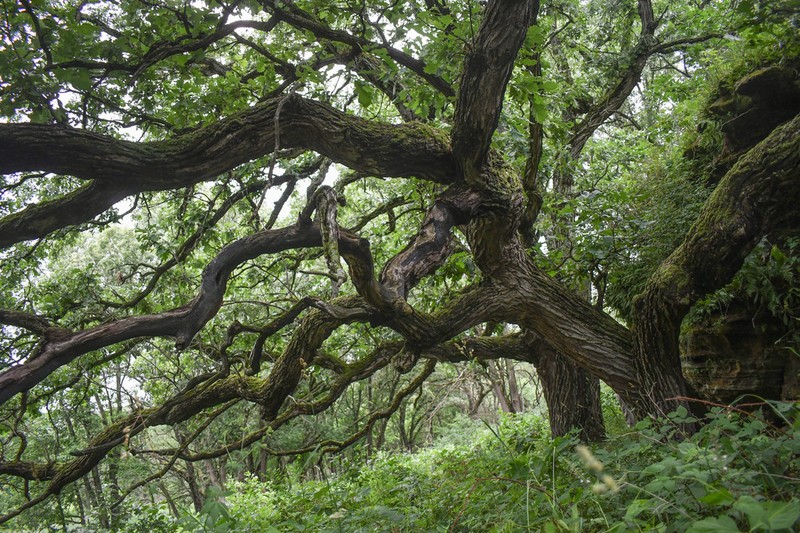
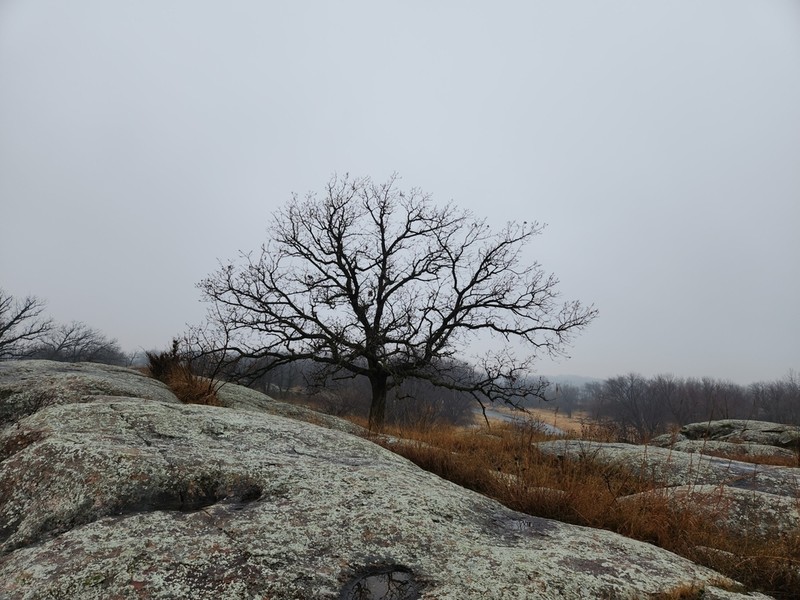
Taxonomy
- Division:
- Magnoliophyta | - Flowering plants
- Family:
- Fagaceae
- Genus:
- Quercus
- Species:
- Quercus macrocarpa
- USDA Symbol:
- QUMA2
Growth Characteristics
- Life Cycle:
- Perennial
- Growth Habit:
- Shrub , Tree
- Height:
- 3000 cm
- Light Requirements:
- Full Sun,Part Shade,Shade
- Drought Tolerance:
- Medium
- Bloom Months:
- apr,may
- Bloom Colors:
- yellow-green
- Food Forest:
- Contains edible parts
Wildlife Benefits
- Bees:
- ★☆☆☆☆ Documented bee visitation (GBIF)
- Butterflies & Moths:
- ★★★★★ Documented Lepidoptera association (GBIF)
- Caterpillars:
- ★★★★★ Recorded caterpillar host plant (HOSTS Database)
- Hummingbirds:
- ★☆☆☆☆ Documented hummingbird visits (GBIF)
Keystone Species Ranking
- Caterpillar Keystone:
- ★★★★★ Butterfly & moth species supported by this genus (NWF)
Host Plant for Caterpillars
Reported Fauna Sightings
Garden & Ecology Notes
- Wildlife Value:
- birds, mammals, butterflies
- Fall Color:
- yellow, brown
- Fire Ecology:
- Fire adapted — tolerates or benefits from fire
- Fire Notes:
- Thick bark provides some fire resistance; seedlings can resprout after fire.
Soil Requirements
- Soil Type:
- rich, well-drained loamy soil
- pH:
- 6.0 - 7.5 (slightly acidic to neutral)
- Drainage:
- tolerates poor drainage
- Moisture:
- dry to moderate
- Notes:
- Adaptable to various soil types including clay and sandy soils.
Propagation & Germination
- Stratification:
- Cold/moist stratification required — 30–60 days
- Germination Time:
- 30–90 days
- Notes:
- Seeds require cold stratification for 30-60 days; germination occurs in spring.
Pre-treatment: Acorns should be soaked in clean water for 24 hours, then placed in cold, moist stratification for 60 to 170 days at 34 to 37°F. Only use acorns that sink in water. Some seed sources may germinate with little or no chilling.
Establishment: Acorns are collected in the late summer or early fall as soon as they mature. They fall to the ground quickly after ripening and are favored by several animals necessitating frequent inspection to prevent loss. Curculio species losses are high in Great Plains sources so it is often necessary to over-collect to meet target production. Curculio damaged and poorly filled seed can be removed by flotation in water. Seed sources vary from local people within a 50 mile radius of the nursery to specific locations such as Turtle Mountains, ND.
Source: npn.rngr.net
ORGHPS Germination Guide: Repeated cycles of 4C then 20C, 3 months each. Very prolonged.
Where to Buy
Nationwide Seller
- Prairie Moon Nursery (nursery and seeds)
- Sheffield's Seed (seeds)
- Native Plants Nursery (nursery)