
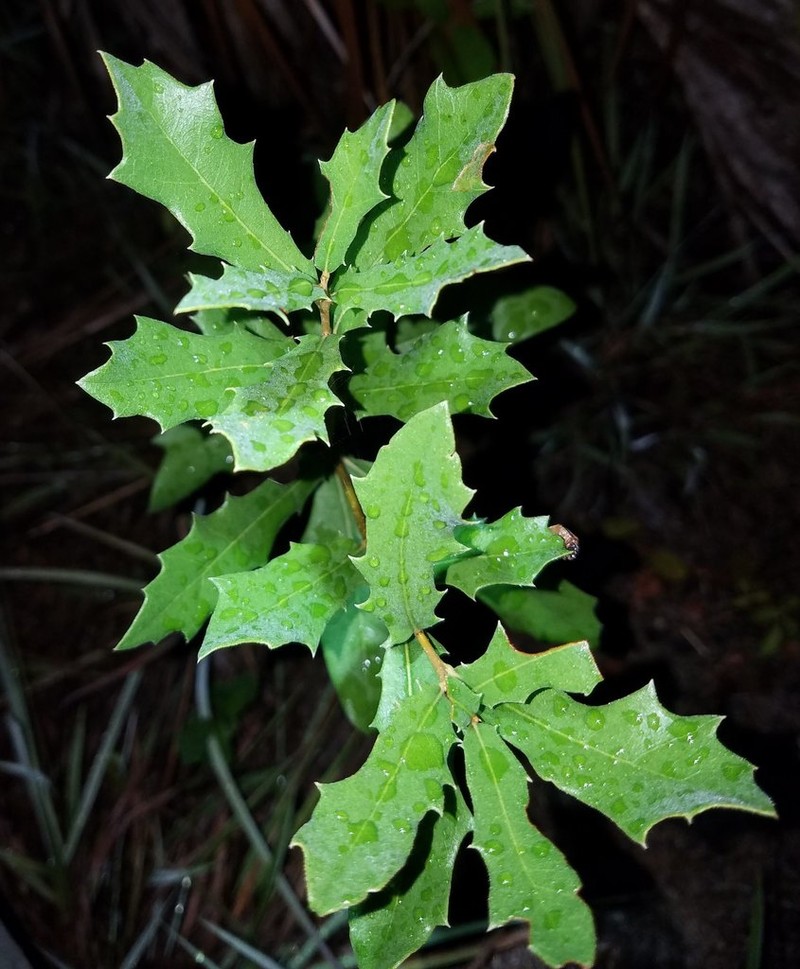
Dwarf Live Oak
Quercus minima
- Native to:
- United States
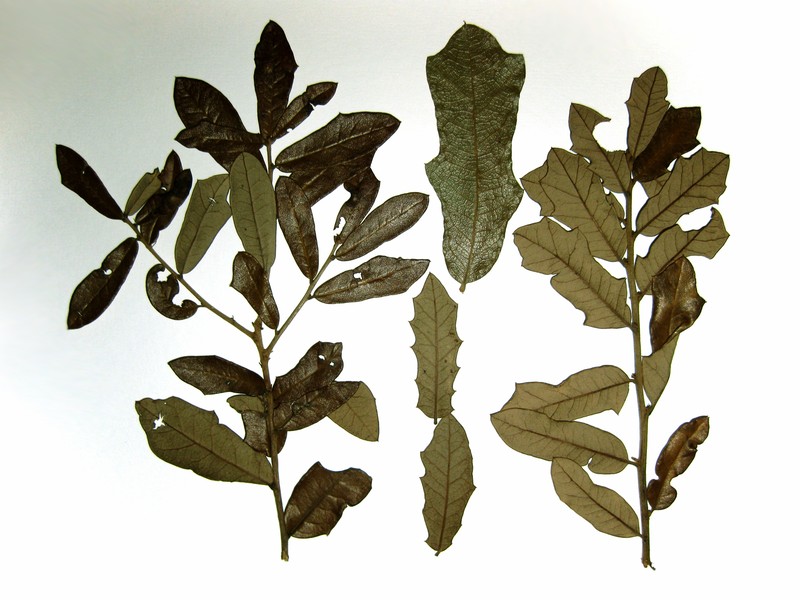
Fepup
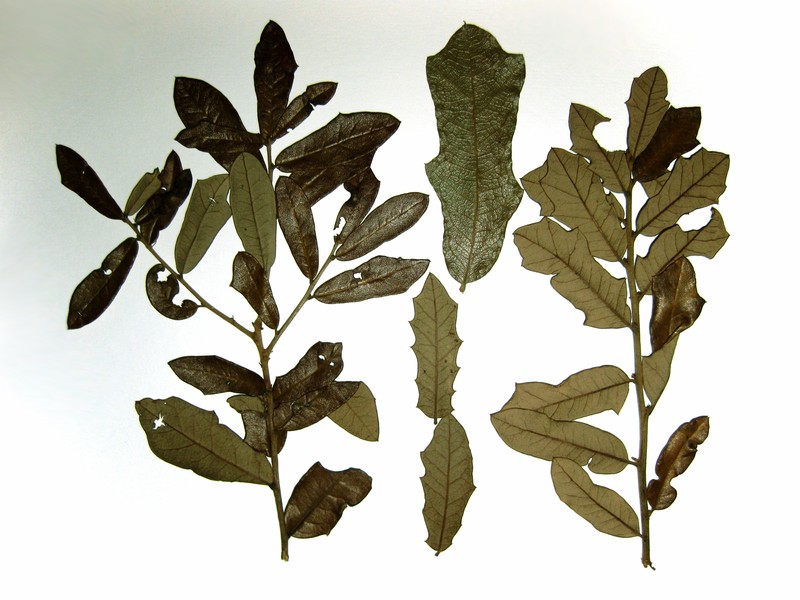
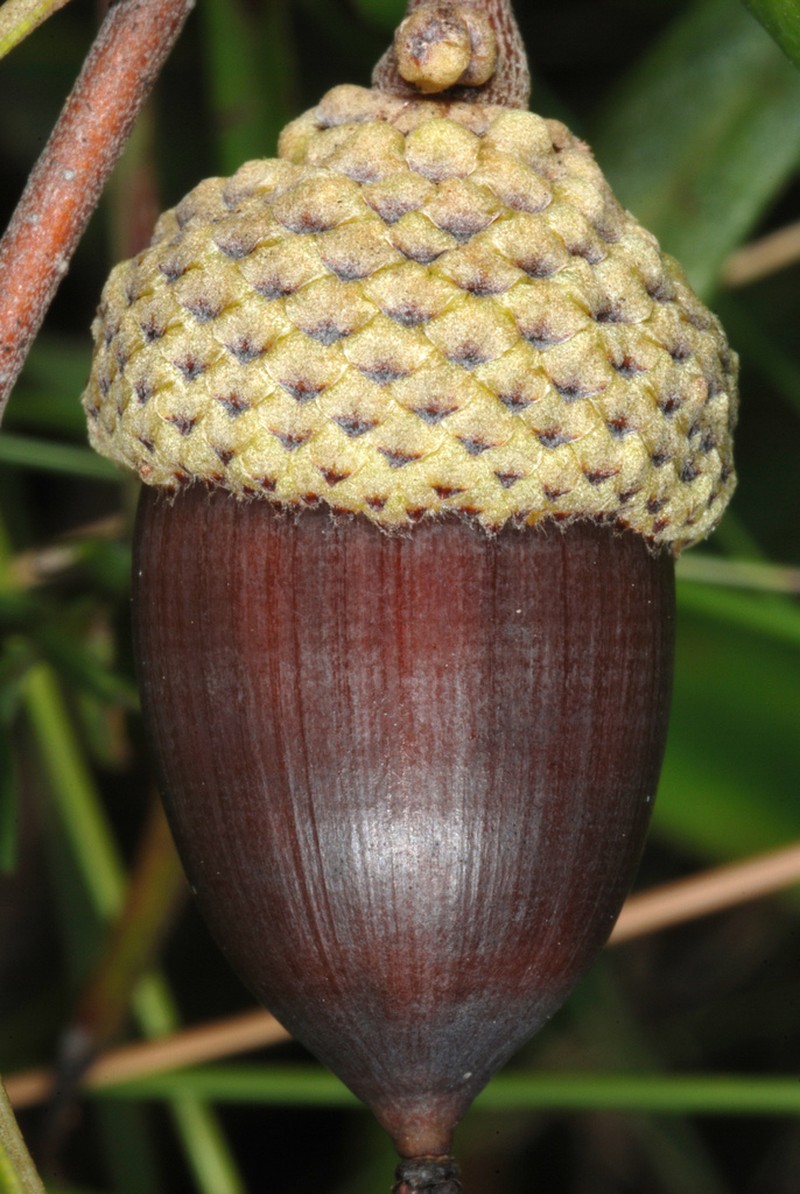
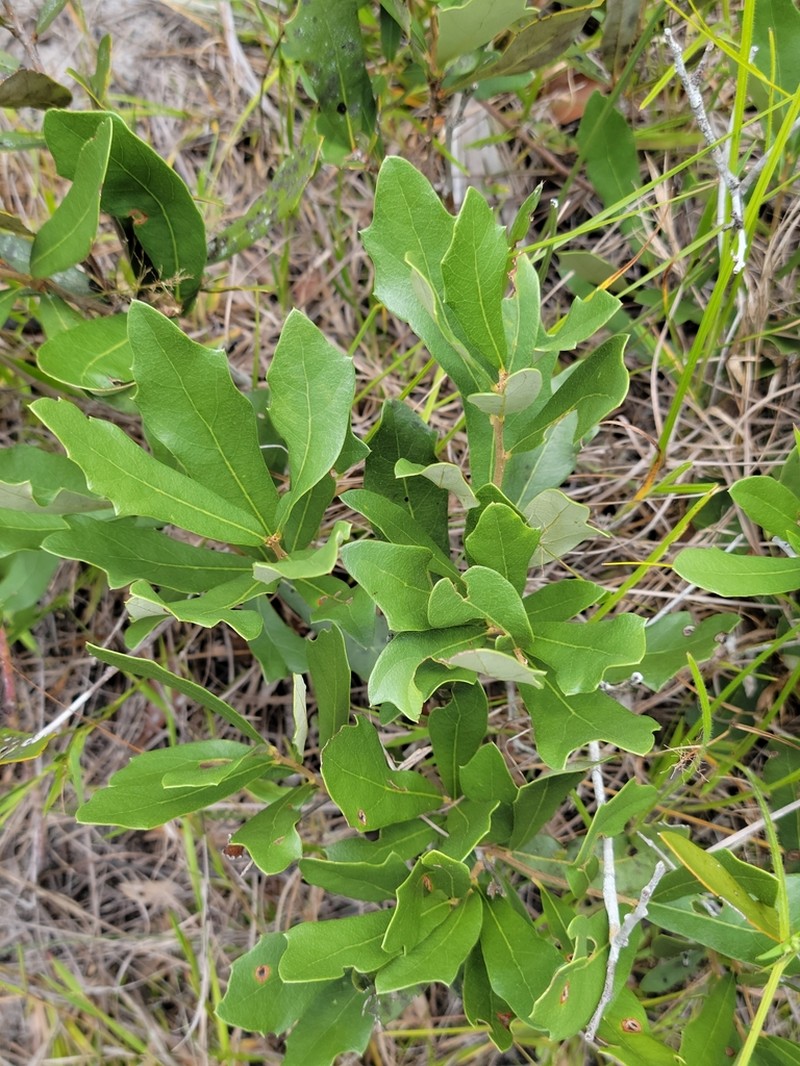
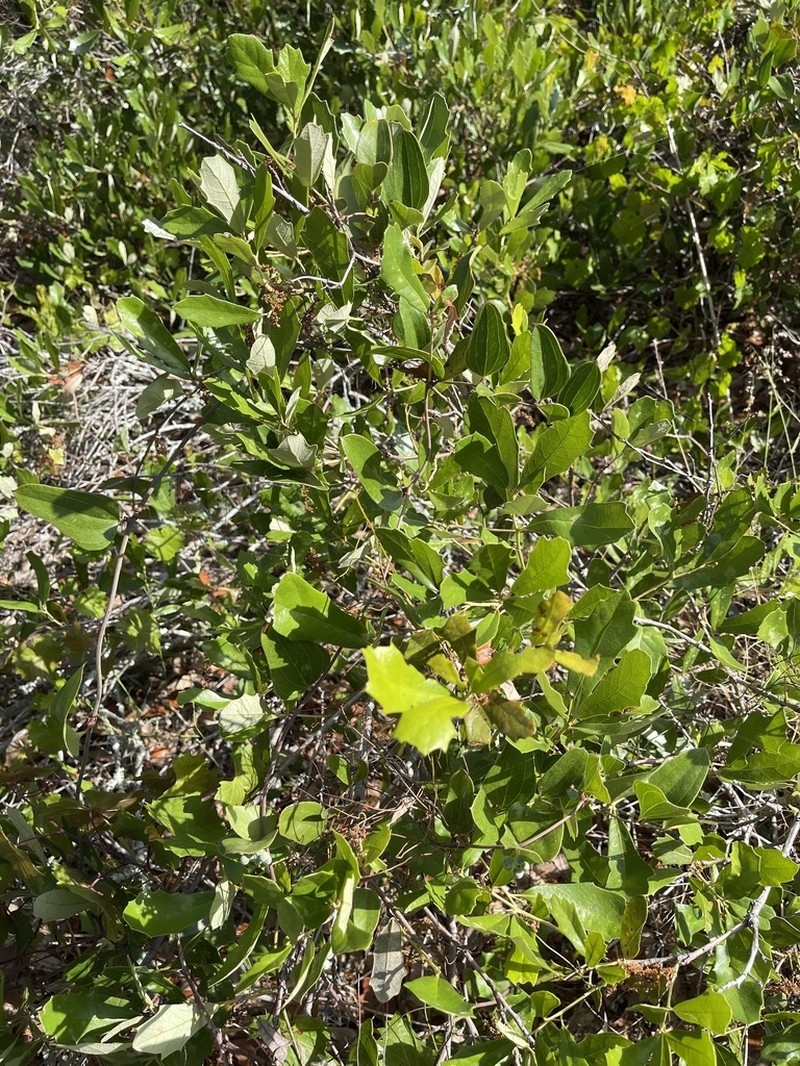
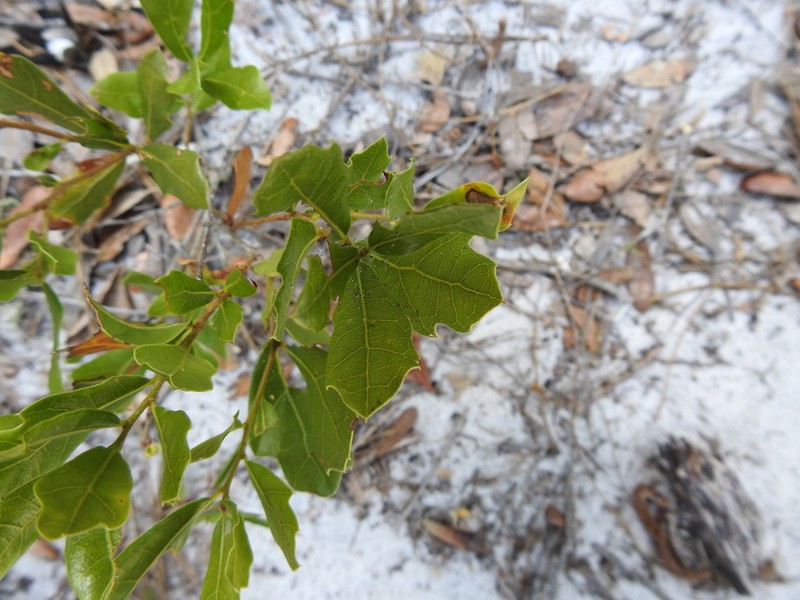
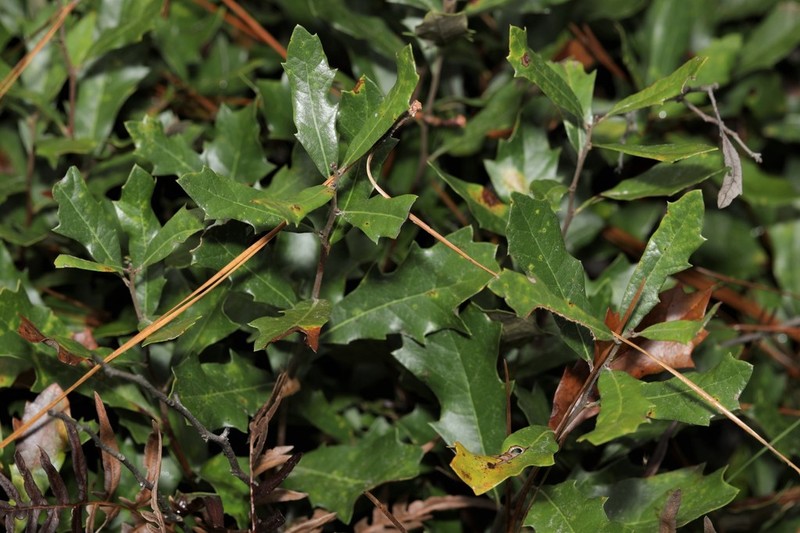
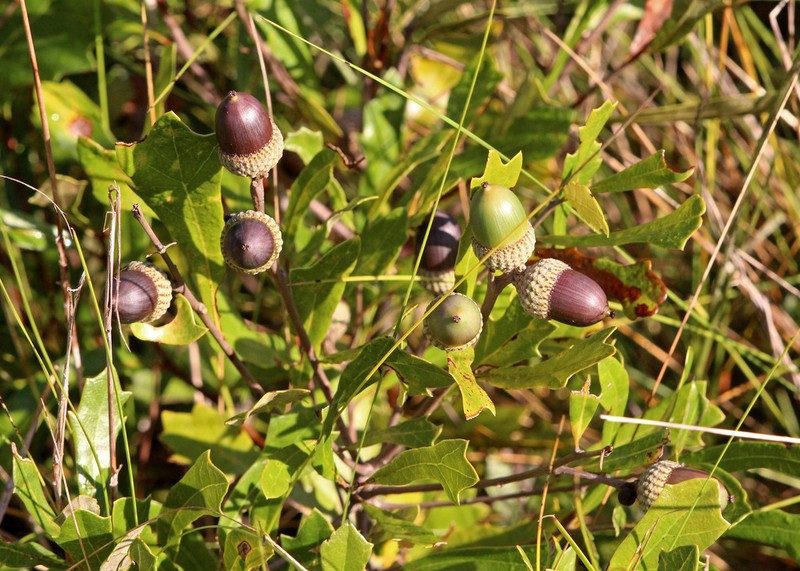
Taxonomy
- Division:
- Magnoliophyta | - Flowering plants
- Family:
- Fagaceae
- Genus:
- Quercus
- Species:
- Quercus minima
- USDA Symbol:
- QUMI2
Growth Characteristics
- Life Cycle:
- Perennial
- Growth Habit:
- Shrub
- Height:
- 300 cm
- Light Requirements:
- Full Sun
- Drought Tolerance:
- Low
Wildlife Benefits
- Butterflies & Moths:
- ★☆☆☆☆ Documented Lepidoptera association (GBIF)
Keystone Species Ranking
- Caterpillar Keystone:
- ★★★★★ Butterfly & moth species supported by this genus (NWF)
Host Plant for Caterpillars
Abrostola microvalis, Antaeotricha humilis, black-banded datana (Cymatophora approximaria), Buck Moth (Hemileuca maia), California oakworm (Phryganidia californica), Cameraria agrifoliella, Cameraria conglomeratella, Cameraria tubiferella, consular oakworm moth (Anisota consularis), Cossula magnifica, Curve-lined looper (Lambdina fervidaria), Curve-toothed geometer (Eutrapela clemataria), Eriocraniella mediabulla, fir tussock moth (Orgyia detrita), Forest Tent Caterpillar (Malacosoma disstria), Grote's buck moth (Hemileuca grotei), Io moth (Automeris io), Iris eyed silkmoth (Automeris iris), Little nymph underwing (Catocala micronympha), live oak metria moth (Metria amella), Louisiana eyed silkmoth (Automeris louisiana), maple webworm moth (Pococera asperatella), Neurobathra strigifinitella, oak leafroller moth (Argyrotaenia quercifoliana), Orange panopoda moth (Panopoda repanda), Oslar's oakworm moth (Anisota oslari), Pacific tent caterpillar (Malacosoma constricta), Pink-striped oakworm moth (Anisota virginiensis), Polyphemus moth (Antheraea polyphemus), southern oak looper (Lambdina pultaria), southern tussock moth (Dasychira meridionalis), spiny looper moth (Phigalia titea), spotted oakworm moth (Anisota stigma), tiger moth (Malacosoma tigris), Ultronia underwing (Catocala ultronia), walnut spanworm moth (Phigalia plumogeraria), Western tent caterpillar (Malacosoma californica), Western tussock moth (Orgyia vetusta), White-marked Tussock Moth (Orgyia leucostigma), white-marked tussock moth (Dasychira leucophaea), Zale aeruginosa, Fixsenia favonius, Fixsenia ontario, Horace's Duskywing (Erynnis horatius), White M Hairstreak (Parrhasius m-album)
Reported Fauna Sightings
Moths:Hemileuca peigleri
Garden & Ecology Notes
- Wildlife Value:
- birds, small mammals
- Fall Color:
- red, orange
- Fire Ecology:
- Fire adapted — tolerates or benefits from fire
- Fire Notes:
- Resprouts from root crown after fire; fire helps maintain open habitat.
Soil Requirements
- Soil Type:
- sandy, acidic, nutrient-poor soil
- pH:
- 4.5 - 6.5 (acidic to slightly acidic)
- Drainage:
- excellent drainage required
- Moisture:
- dry to moderate
- Notes:
- Commonly found in pine flatwoods and sandhills.
Propagation & Germination
- Stratification:
- Cold/moist stratification required — 30–60 days
- Germination Time:
- 30–90 days
- Notes:
- Seeds require cold stratification for 30-60 days to break dormancy; germination occurs in spring.
Pre-treatment: Cold-moist stratification for 30 days at 1–5°C (34–41°F).; then Cold-moist stratification for 90 days.
Source: Claude AI