
Chestnut Oak
Quercus montana
- Native to:
- United States, Virgin Islands
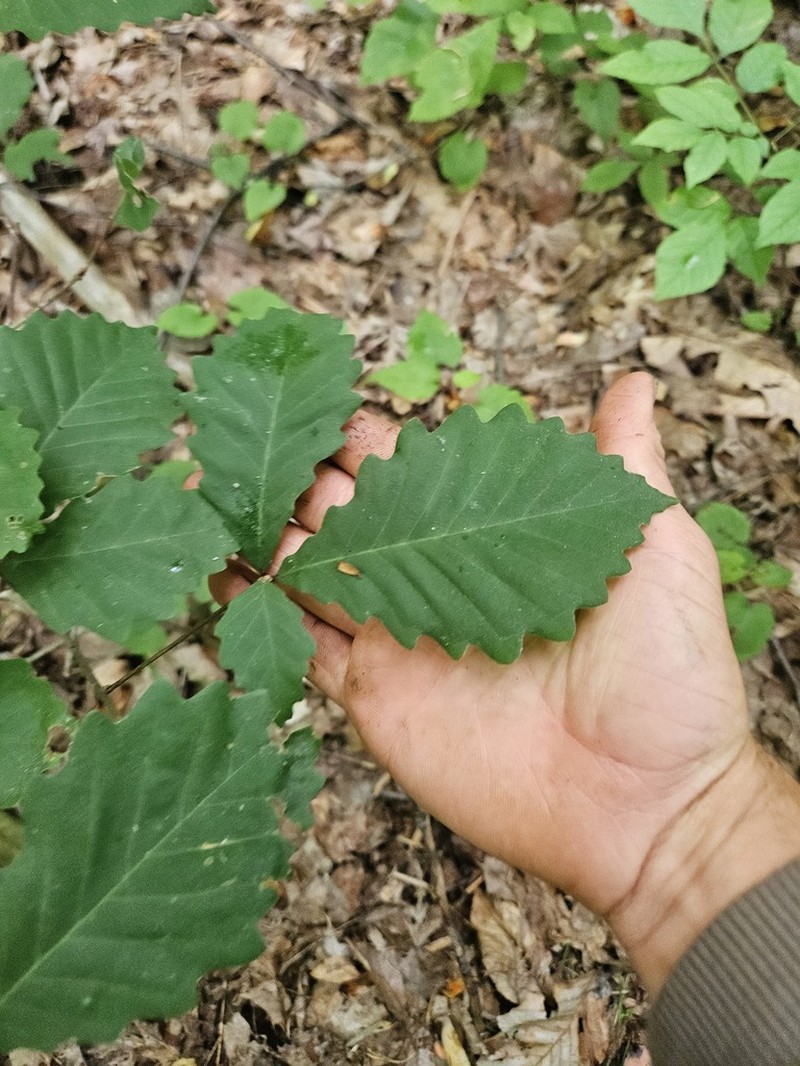
iNaturalist: © jimbo225 (iNaturalist #339655004)
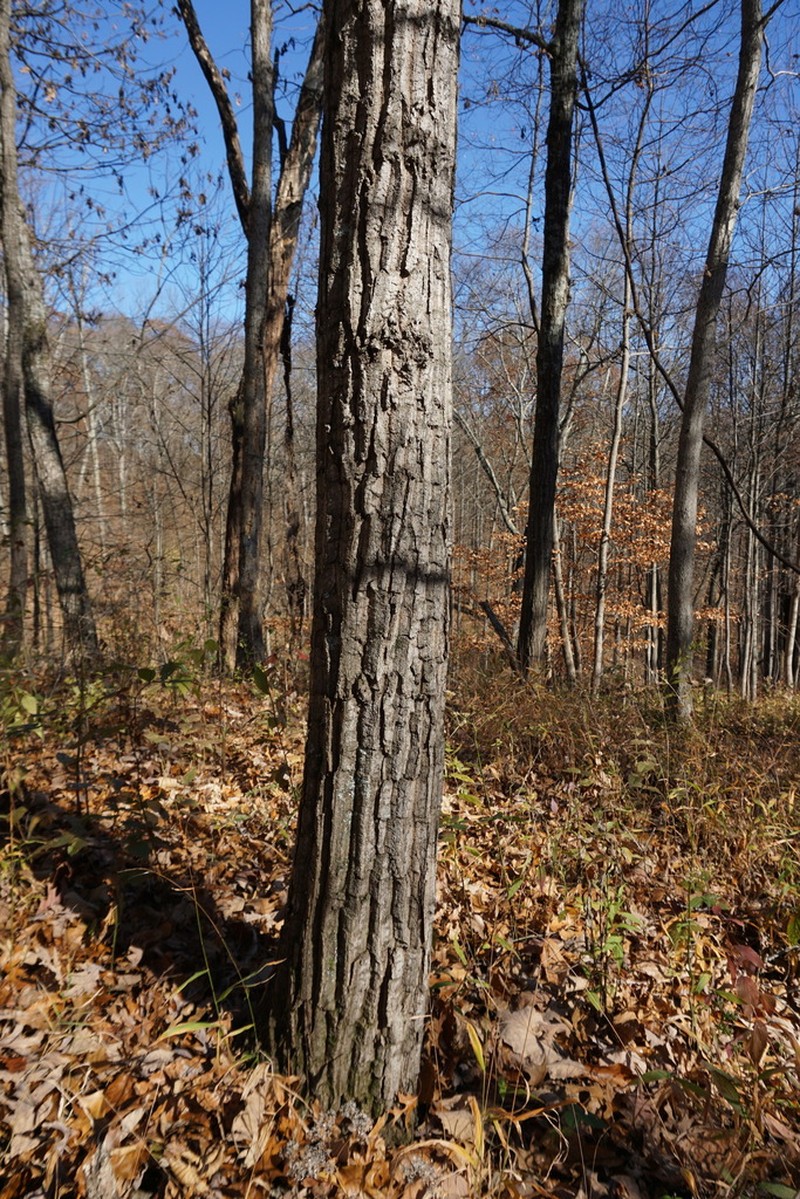
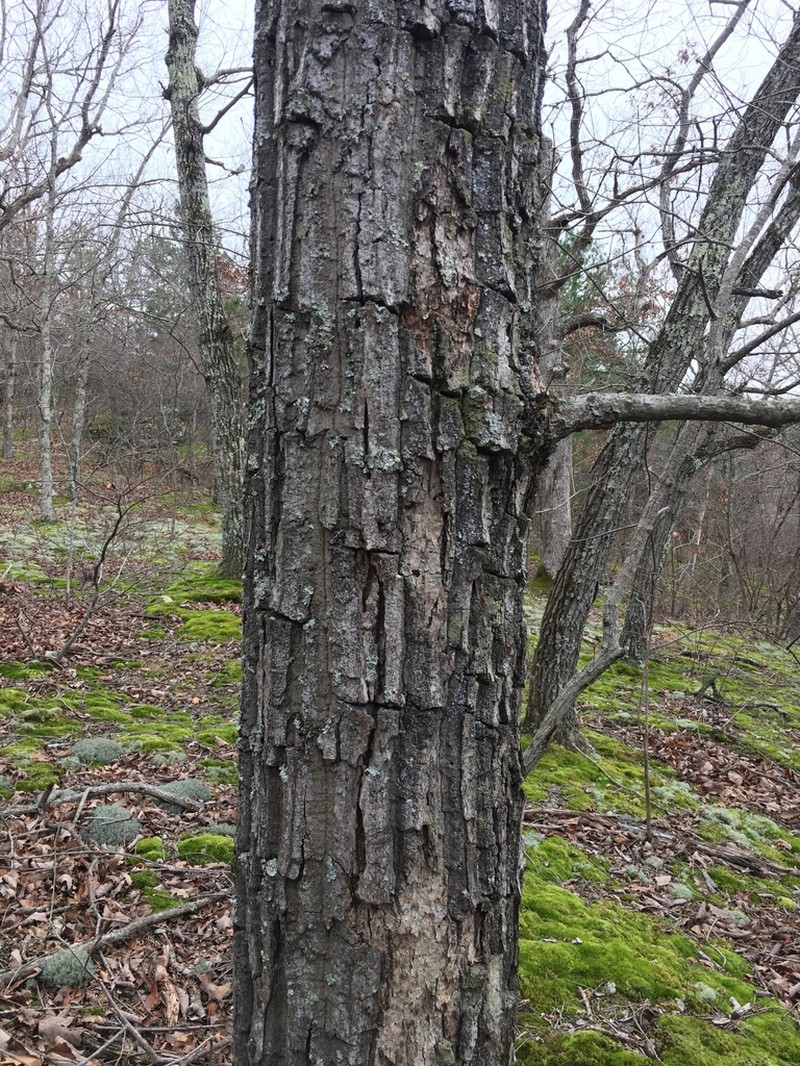
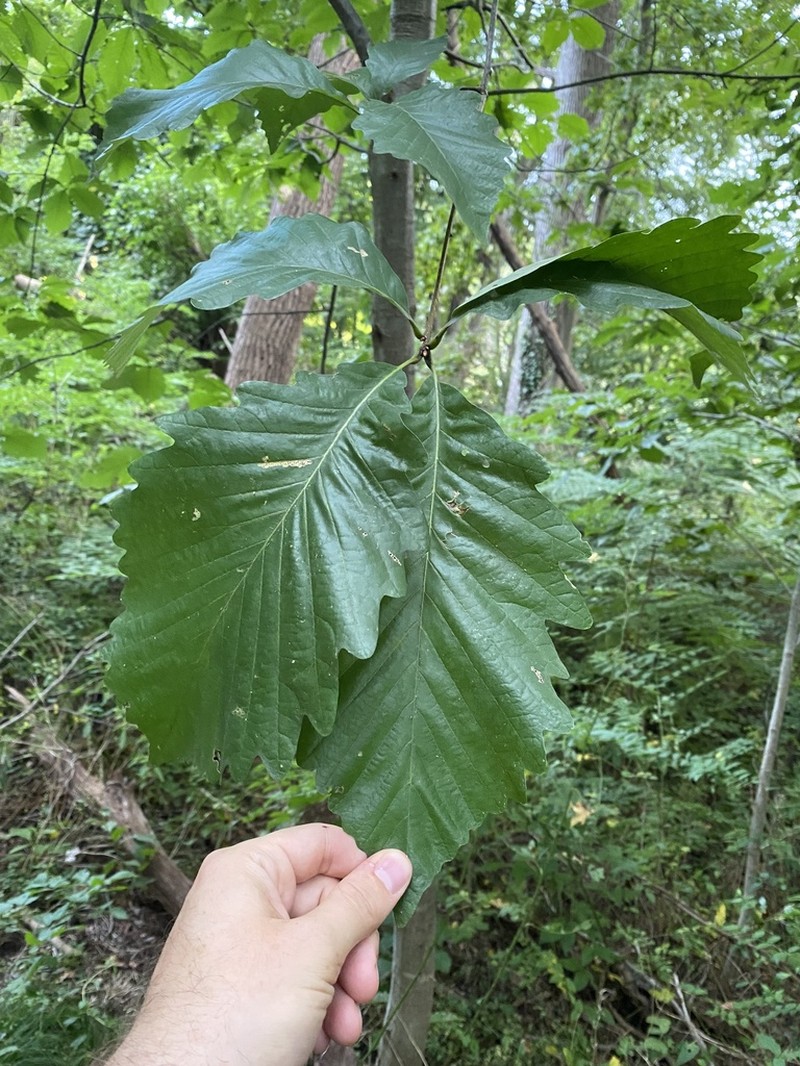
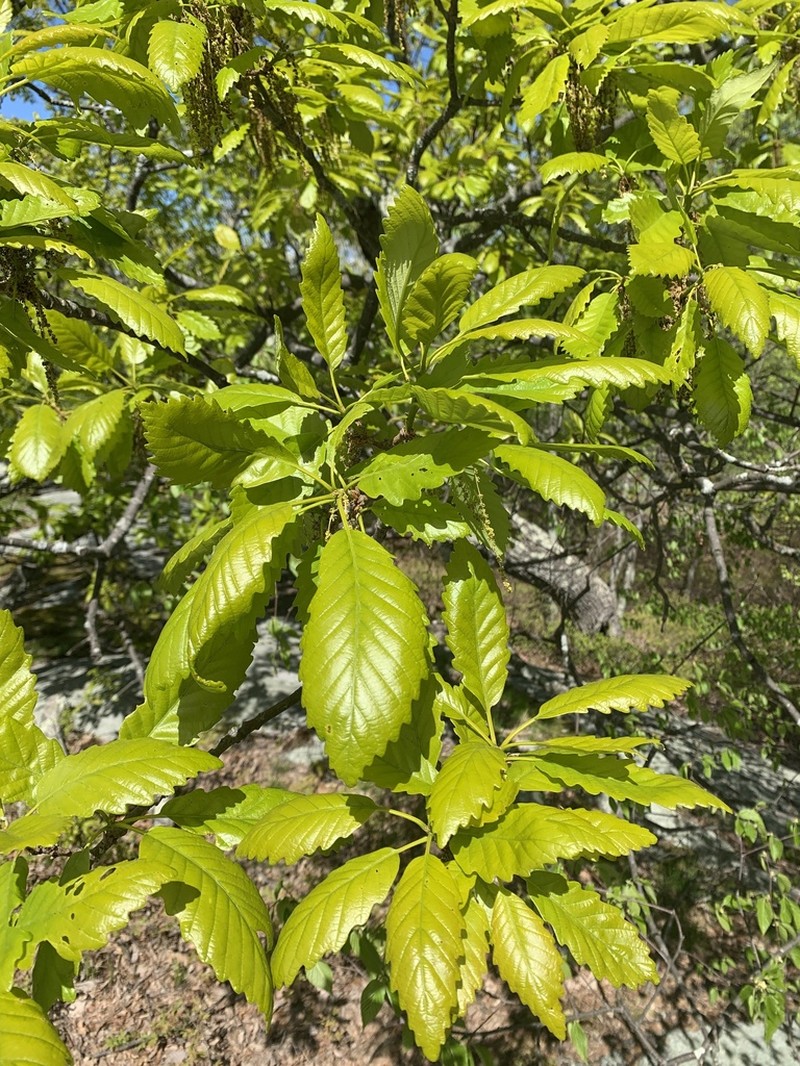
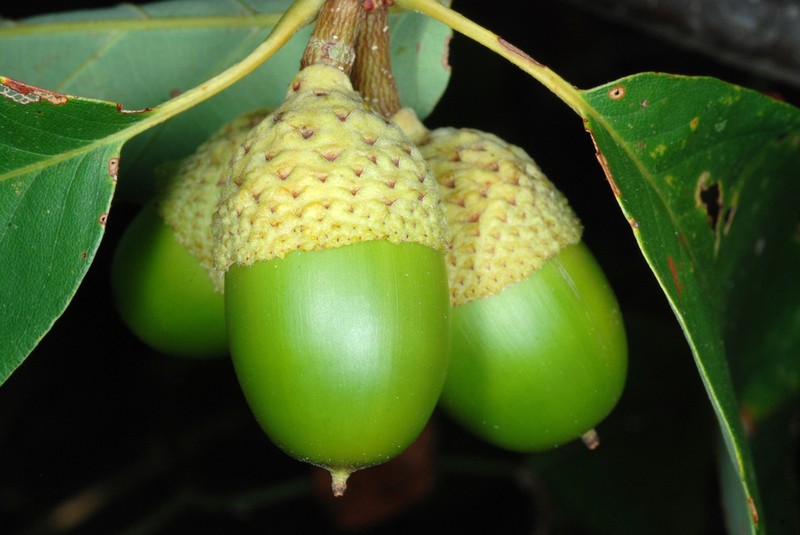
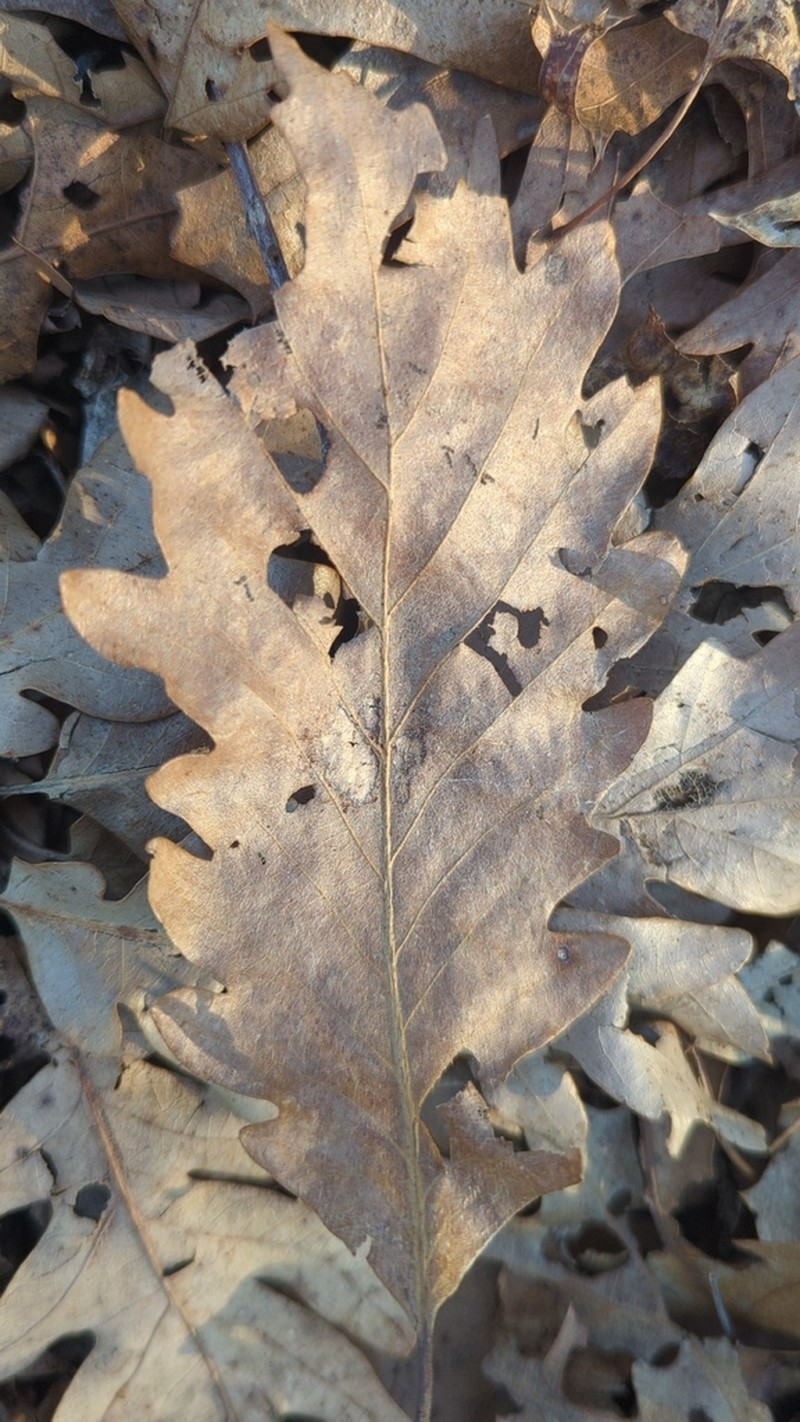
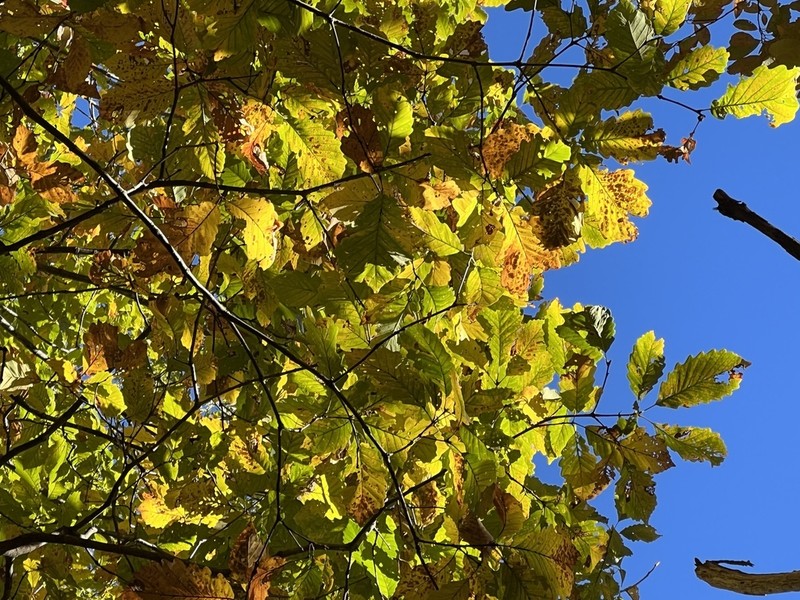
Taxonomy
- Division:
- Magnoliophyta | - Flowering plants
- Family:
- Fagaceae
- Genus:
- Quercus
- Species:
- Quercus montana
- USDA Symbol:
- QUMO4
Growth Characteristics
- Life Cycle:
- Perennial
- Growth Habit:
- Tree
- Height:
- 3000 cm
- Light Requirements:
- Part Shade
- Drought Tolerance:
- Medium
- Bloom Months:
- apr,may
- Bloom Colors:
- yellow-green
Wildlife Benefits
- Bees:
- ★☆☆☆☆ Documented bee visitation (GBIF)
- Butterflies & Moths:
- ★★★★★ Documented Lepidoptera association (GBIF)
Keystone Species Ranking
- Caterpillar Keystone:
- ★★★★★ Butterfly & moth species supported by this genus (NWF)
Host Plant for Caterpillars
Acrocercops strigosus, Cameraria cincinnatiella, Coleophora querciella, Confused Morrisonia (Morrisonia confusa), elm spanworm moth (Ennomos subsignaria), Fall webworm (Hyphantria cunea), Finlayson's oakworm moth (Anisota finlaysoni), Girlfriend Underwing (Catocala amica), Gypsy moth (Lymantria dispar), Himella fidelis, Lineella Underwing (Catocala lineella), maple trumpet skeletonizer (Catastega aceriella), Marmara fulgidella, Meganola spodia, Morrisonia latex, oak leaf blotch miner (Cameraria hamadryadella), Orange-tipped oakworm moth (Anisota senatoria), Phyllonorycter aeriferella, Phyllonorycter argentifimbriella, Phyllonorycter basistrigella, Phyllonorycter fitchella, Phyllonorycter hagenii, Pink-striped oakworm moth (Anisota virginiensis), Spotted Tussock Moth (Lophocampa maculata), Spring cankerworm (Paleacrita vernata), White-marked Tussock Moth (Orgyia leucostigma), Banded Hairstreak (Satyrium calanus), Juvenal's Duskywing (Erynnis juvenalis)
Reported Fauna Sightings
Moths:Coptotriche castaneaeella, Cryptolectica Vári, Gypsy moth (Lymantria dispar), oak blotch miner moth (Tischeria quercitella)
Garden & Ecology Notes
- Wildlife Value:
- birds, mammals, butterflies
- Fall Color:
- yellow, orange, red
- Fire Ecology:
- Fire adapted — tolerates or benefits from fire
- Fire Notes:
- Thick bark provides moderate fire resistance; can resprout after low-severity fire.
Soil Requirements
- Soil Type:
- rocky, well-drained, nutrient-poor soil
- pH:
- 4.5 - 6.5 (acidic to slightly acidic)
- Drainage:
- excellent drainage required
- Moisture:
- dry to moderate
- Notes:
- thrives on rocky ridges and slopes
Propagation & Germination
- Stratification:
- Cold/moist stratification required — 30–60 days
- Germination Time:
- 30–90 days
- Notes:
- Seeds require cold stratification for 30-60 days to break dormancy; sow in fall or after stratification.
Pre-treatment: Cold-moist stratification for 30 days at 1–5°C (34–41°F).; then Cold-moist stratification for 90 days.
Source: Claude AI
Where to Buy
Nationwide Seller
- Sheffield's Seed (seeds)