
Water Oak
Quercus nigra
- Native to:
- United States, Virgin Islands
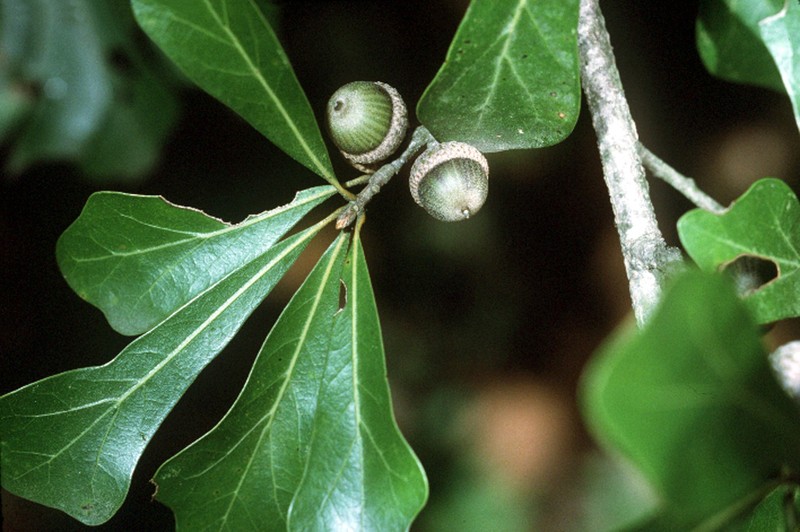
iNaturalist: © upupamartin (iNaturalist #68943731)
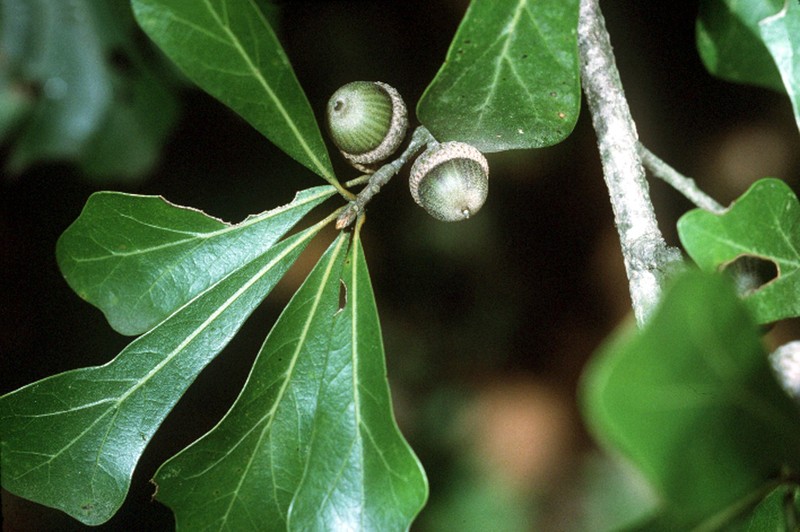
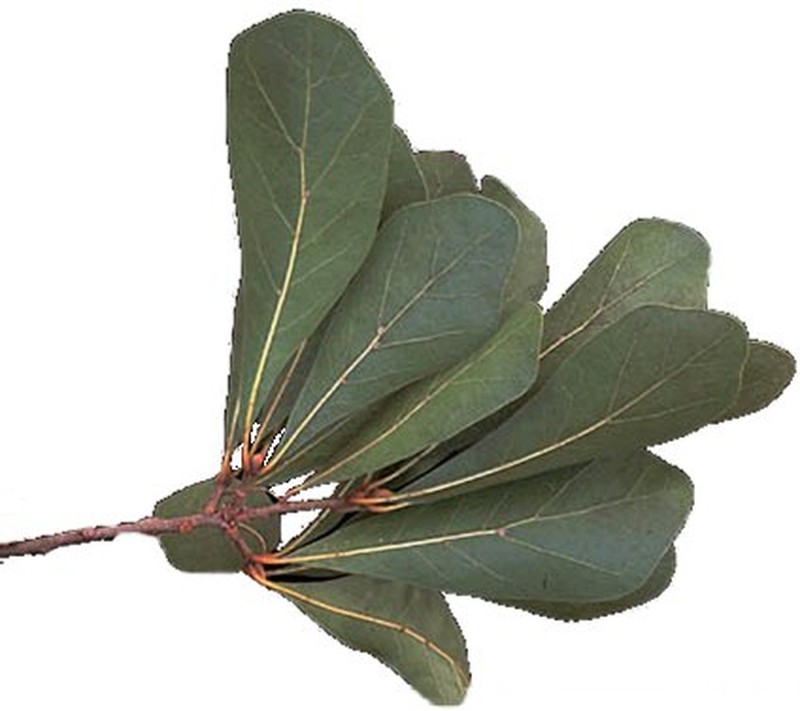
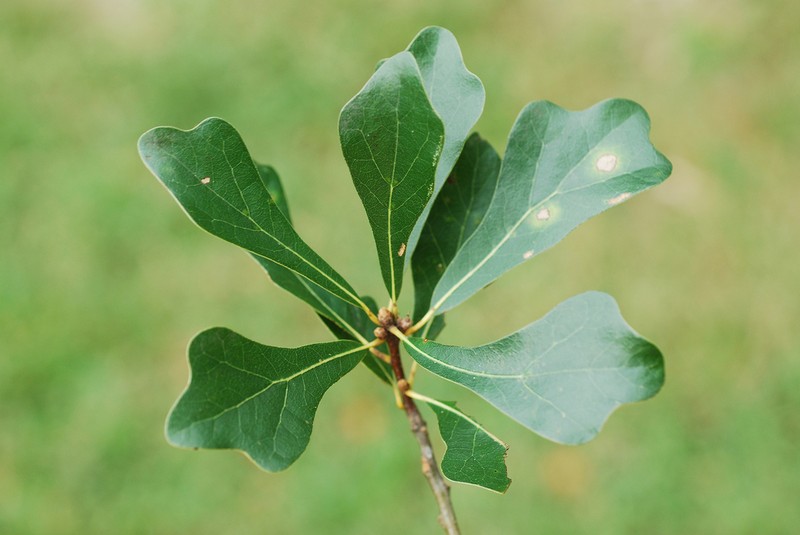
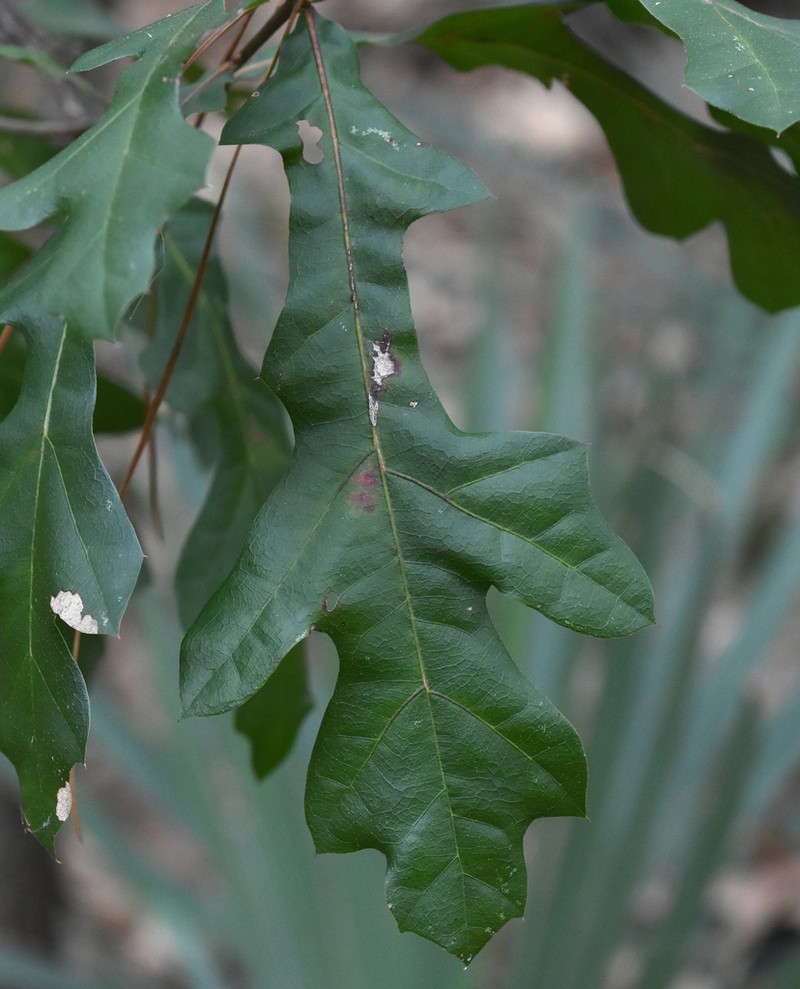
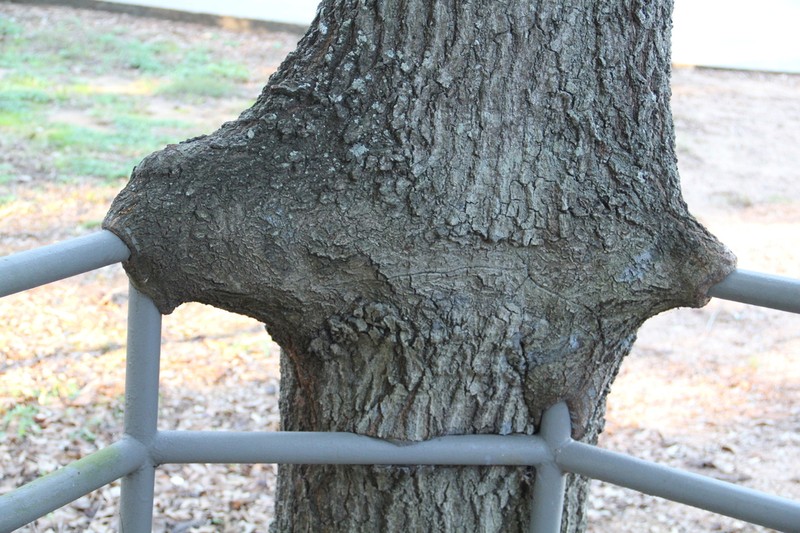
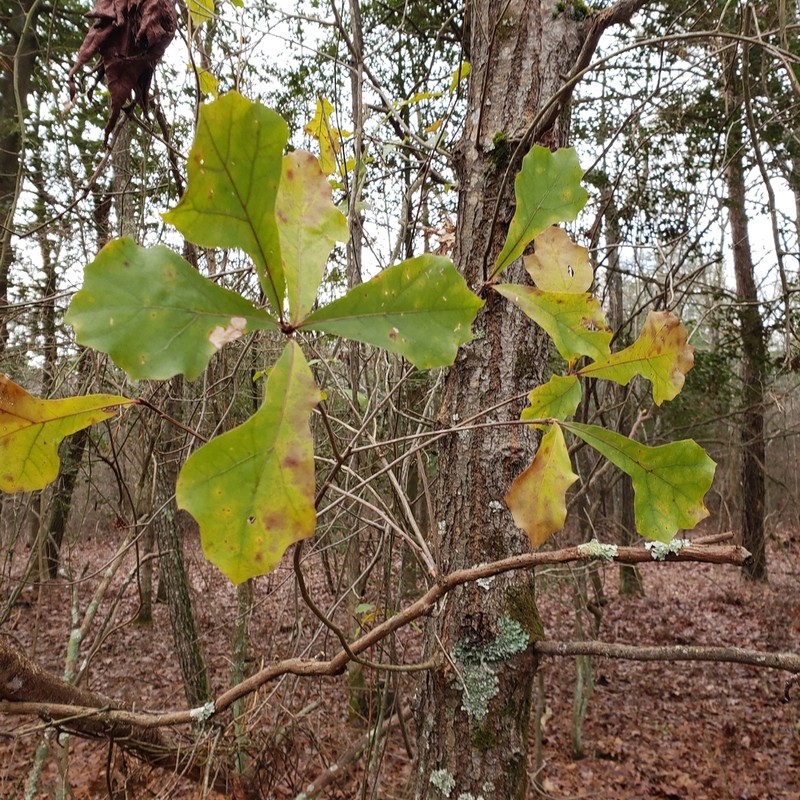
Taxonomy
- Division:
- Magnoliophyta | - Flowering plants
- Family:
- Fagaceae
- Genus:
- Quercus
- Species:
- Quercus nigra
- USDA Symbol:
- QUNI
Growth Characteristics
- Life Cycle:
- Perennial
- Growth Habit:
- Tree
- Height:
- 3000 cm
- Light Requirements:
- Part Shade
- Drought Tolerance:
- Medium
- Bloom Months:
- mar,apr
- Bloom Colors:
- yellow-green
Wildlife Benefits
- Bees:
- ★☆☆☆☆ Documented bee visitation (GBIF)
- Butterflies & Moths:
- ★★★★★ Documented Lepidoptera association (GBIF)
- Caterpillars:
- ★★★☆☆ Recorded caterpillar host plant (HOSTS Database)
- Hummingbirds:
- ★☆☆☆☆ Documented hummingbird visits (GBIF)
Keystone Species Ranking
- Caterpillar Keystone:
- ★★★★★ Butterfly & moth species supported by this genus (NWF)
Host Plant for Caterpillars
Automeris zephyria, Buck Moth (Hemileuca maia), Caloptilia quercinigrella, Cecropis moth (Automeris cecrops), consular oakworm moth (Anisota consularis), contracted datana (Datana contracta), Dasychira tephra, Eriocraniella mediabulla, Morrisonia mucens, Neurobathra strigifinitella, Oak besma (Besma quercivoraria), oak blotch miner moth (Tischeria quercitella), Phyllonorycter aeriferella, Phyllonorycter albanotella, Phyllonorycter quercialbella, Pink-striped oakworm moth (Anisota virginiensis), Polyphemus moth (Antheraea polyphemus), Pseudotelphusa quercinigracella, Rosy Maple Moth (Dryocampa rubicunda), Scalloped sack-bearer (Lacosoma chiridota), spotted oakworm moth (Anisota stigma), Tischeria citrinipennella, Ulolonche culea, Yellownecked caterpillar (Datana integerrima), Yellowstriped oakworm moth (Anisota peigleri), Fixsenia favonius, Horace's Duskywing (Erynnis horatius), Juvenal's Duskywing (Erynnis juvenalis)
Reported Fauna Sightings
Hummingbirds: Ruby-throated Hummingbird (Archilochus colubris) Moths:Anisota pellucida, Cecrita guttivitta, Eriocraniella mediabulla, Forest Tent Caterpillar (Malacosoma disstria), Polyphemus moth (Antheraea polyphemus), Red-lined Panopoda (Panopoda rufimargo), Scalloped sack-bearer (Lacosoma chiridota), Variable Oakleaf Caterpillar Moth (Lochmaeus manteo), White-dotted Prominent (Nadata gibbosa)
Garden & Ecology Notes
- Wildlife Value:
- birds, mammals, butterflies
- Fall Color:
- yellow, brown
- Fire Ecology:
- Fire adapted — tolerates or benefits from fire
- Fire Notes:
- Thick bark provides some fire resistance; can resprout after fire.
Soil Requirements
- Soil Type:
- moist, well-drained sandy loam
- pH:
- 4.5 - 6.5 (acidic to slightly acidic)
- Drainage:
- tolerates poor drainage
- Moisture:
- consistently moist
- Notes:
- commonly found in floodplains and wetland areas
Propagation & Germination
- Stratification:
- Cold/moist stratification required — 30–60 days
- Germination Time:
- 30–90 days
- Notes:
- Seeds require cold stratification for 30-60 days to break dormancy.
Pre-treatment: Seeds are placed in cold moist stratification for 28 to 49 days
Source: npn.rngr.net
Where to Buy
Nationwide Seller
- Sheffield's Seed (seeds)
- Native Plants Nursery (nursery)