
Coast Oak
Quercus parvula
- Native to:
- United States
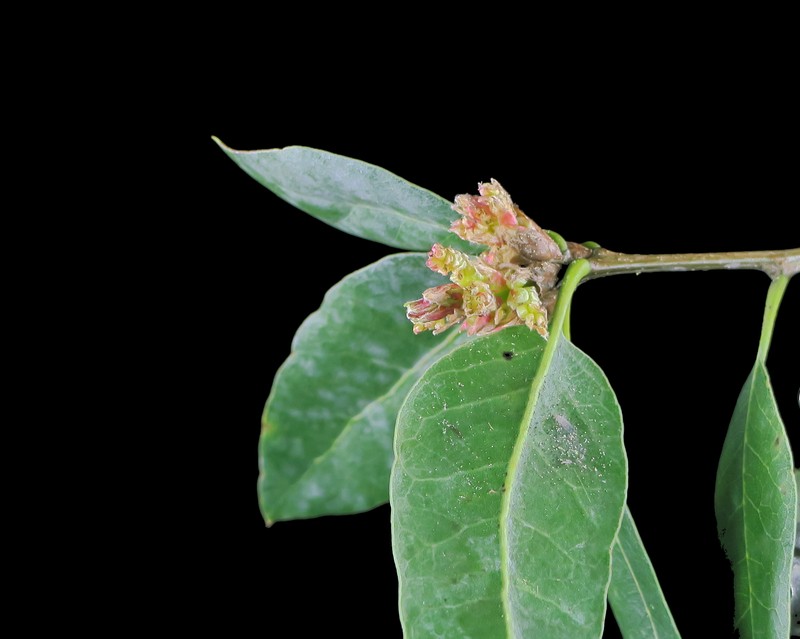
John Rusk (www.flickr.com) from Berkeley, CA, United States of America
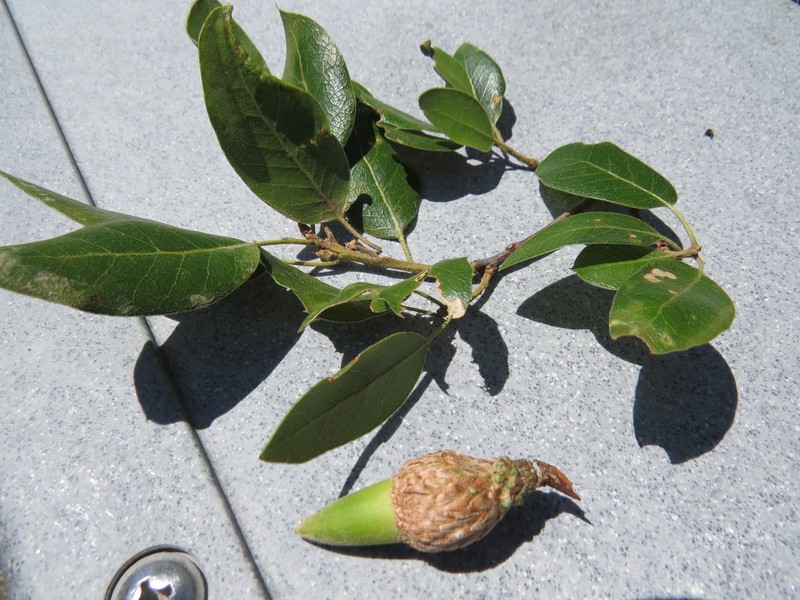
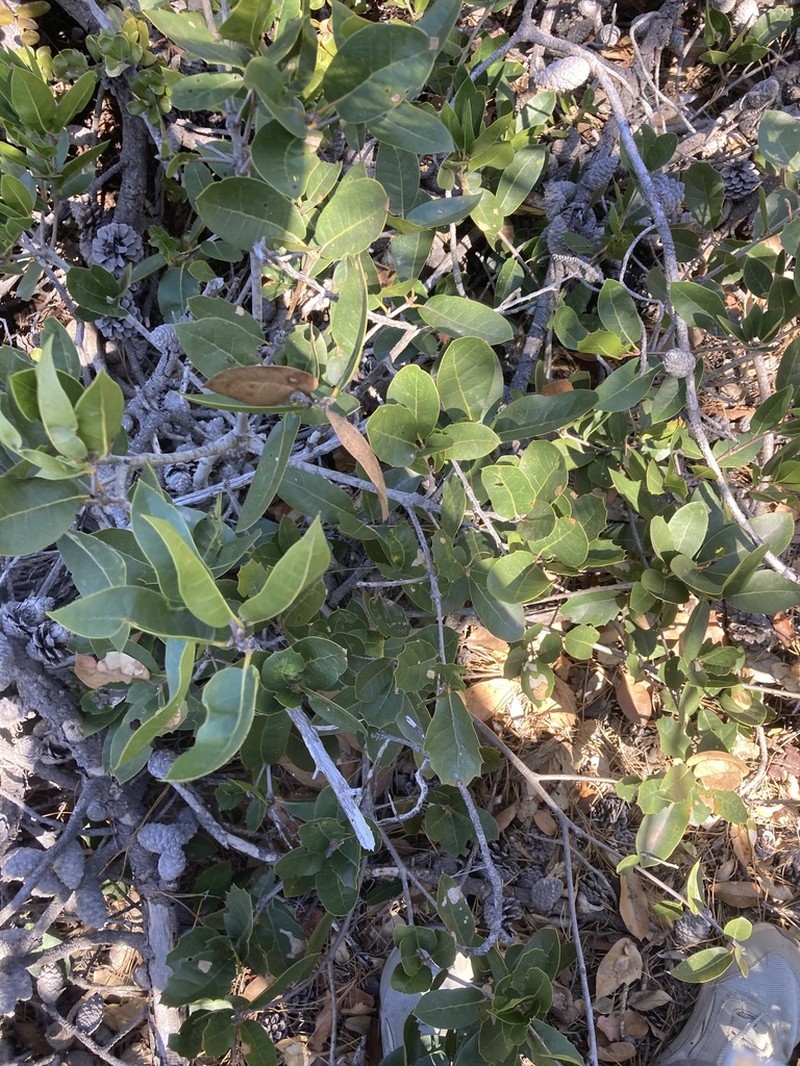
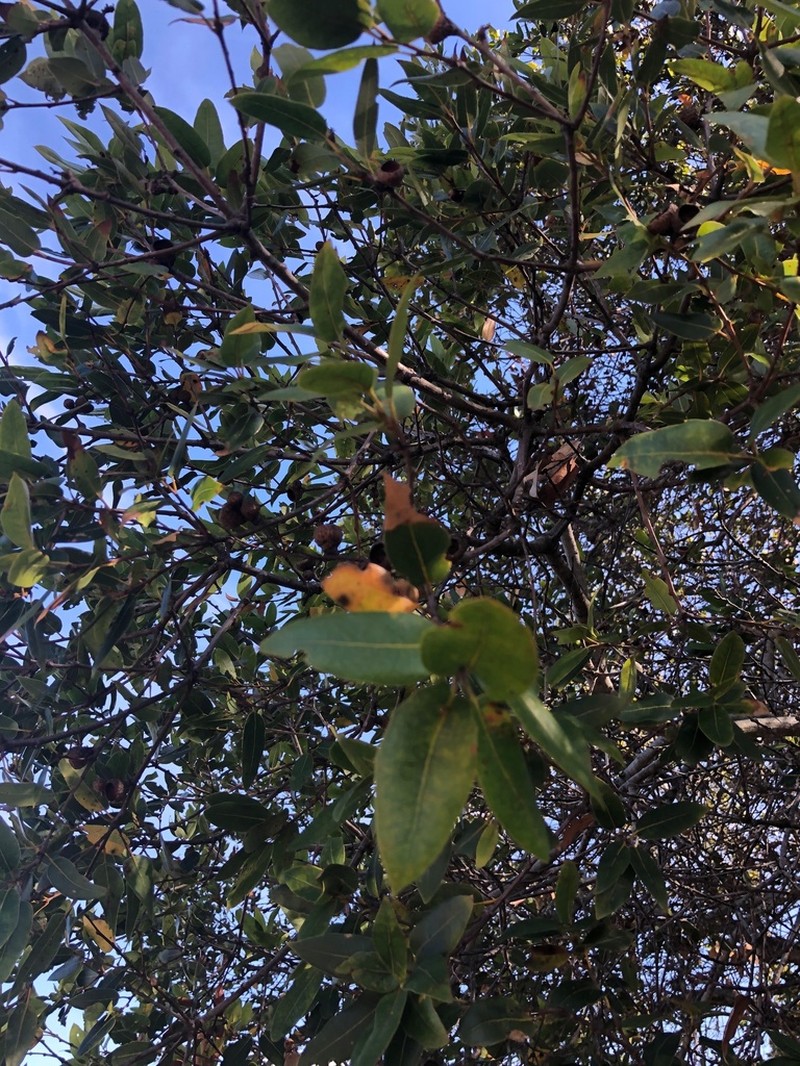
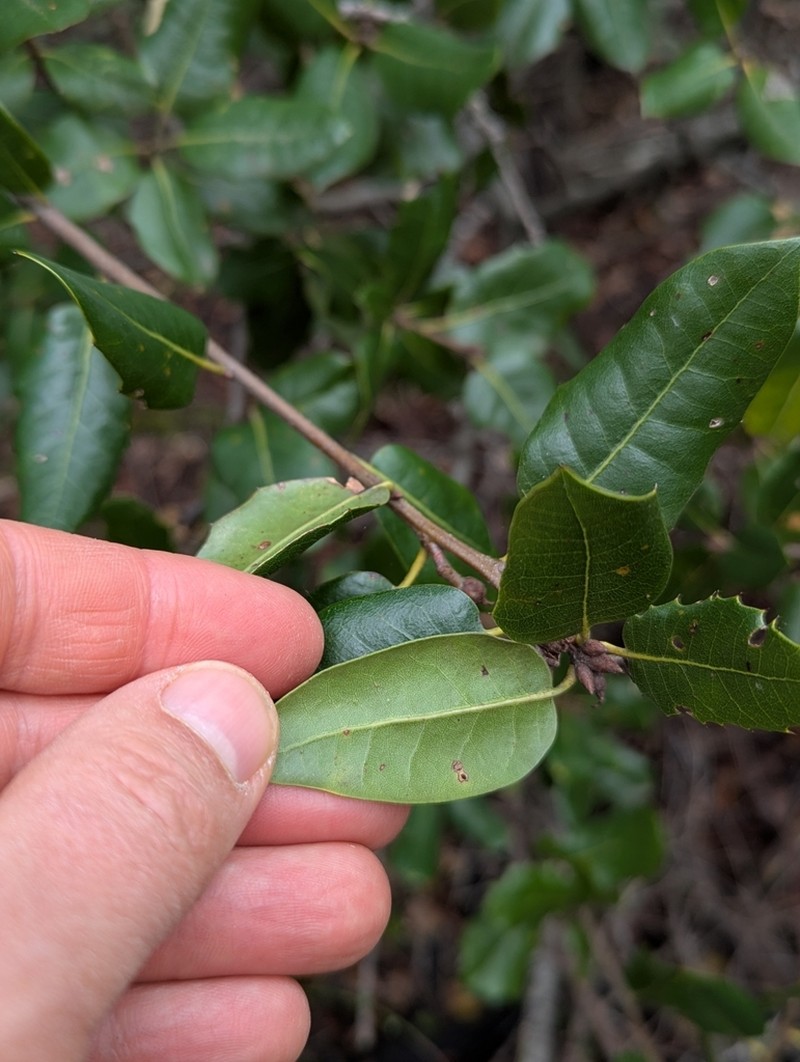
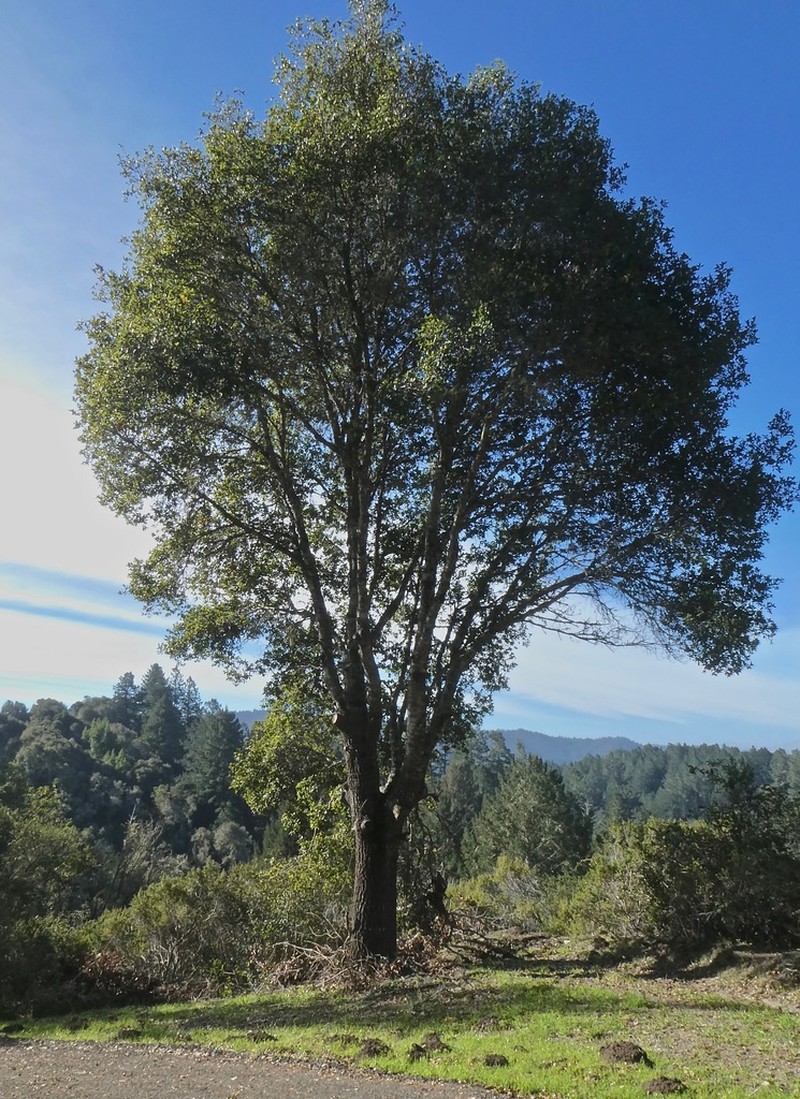
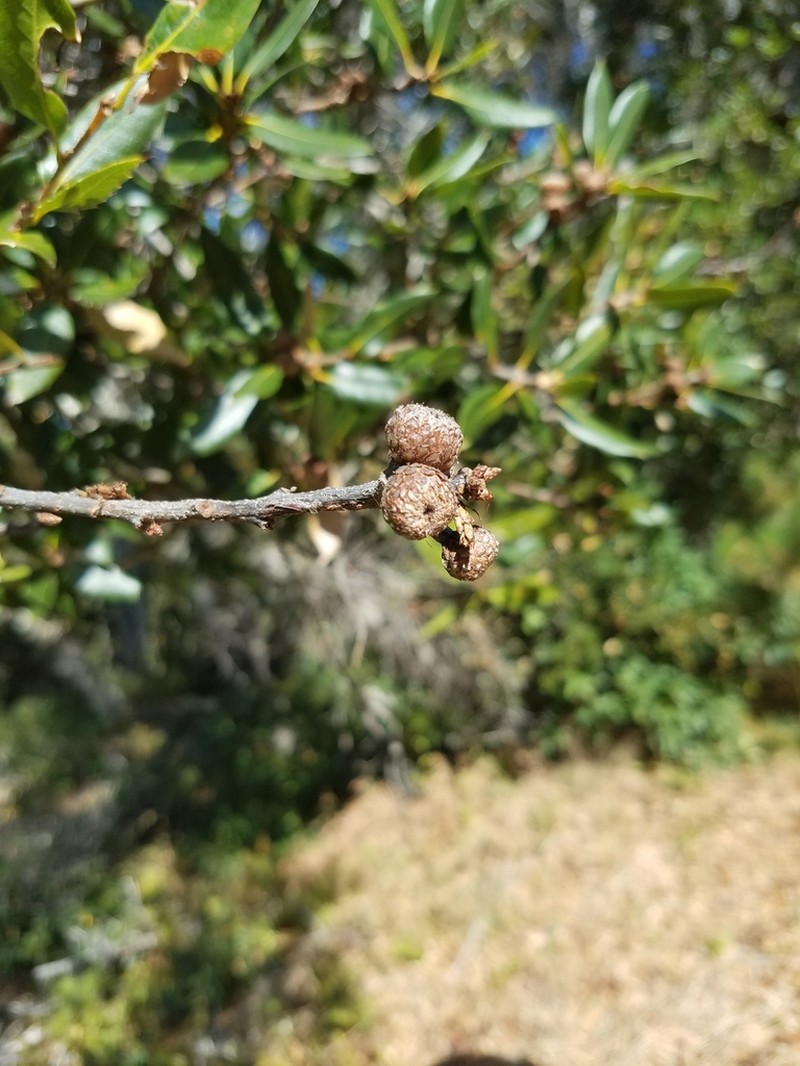
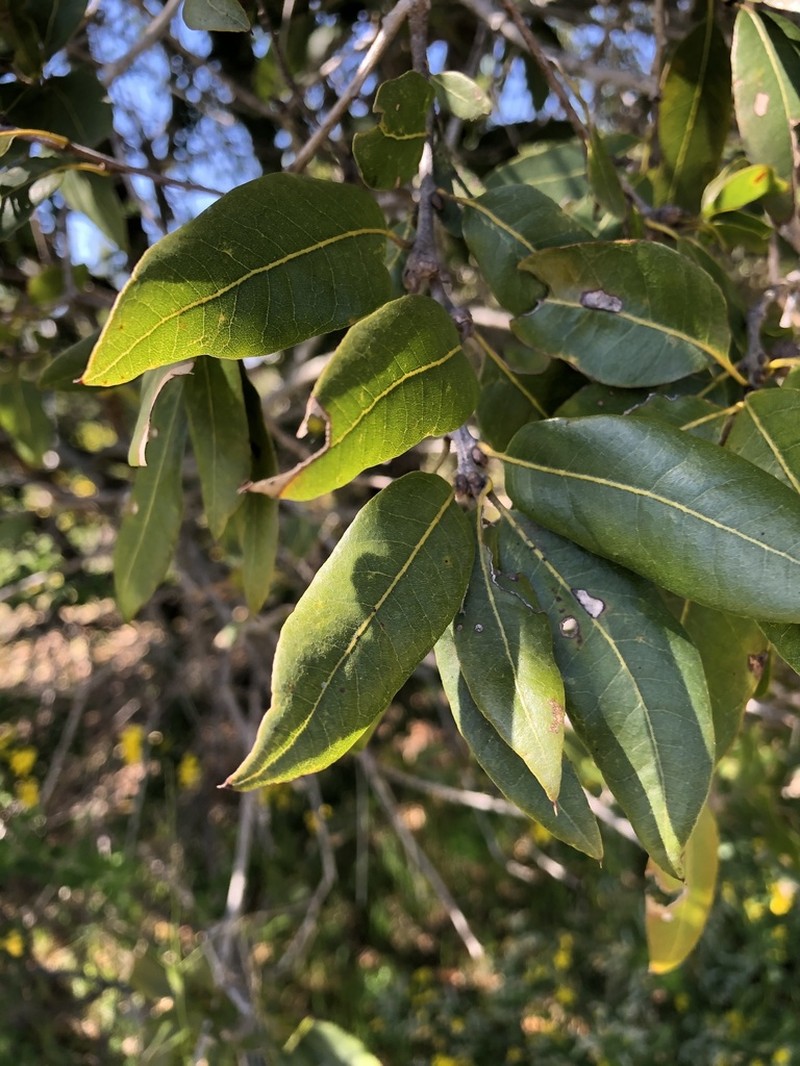
Taxonomy
- Division:
- Magnoliophyta | - Flowering plants
- Family:
- Fagaceae
- Genus:
- Quercus
- Species:
- Quercus parvula
- USDA Symbol:
- QUPA8
Growth Characteristics
- Life Cycle:
- Perennial
- Growth Habit:
- Shrub , Tree
- Height:
- 1500 cm
- Light Requirements:
- Full Sun
- Drought Tolerance:
- Medium
- Bloom Months:
- apr,may
Wildlife Benefits
- Butterflies & Moths:
- ★★★☆☆ Documented Lepidoptera association (GBIF)
Keystone Species Ranking
- Caterpillar Keystone:
- ★★★★★ Butterfly & moth species supported by this genus (NWF)
Reported Fauna Sightings
Moths:Vespina quercivora
Garden & Ecology Notes
- Wildlife Value:
- birds, mammals
- Fall Color:
- red, orange
- Fire Ecology:
- Fire adapted — tolerates or benefits from fire
- Fire Notes:
- Thick bark provides some fire resistance; resprouts from root crown after low to moderate severity fire.
Soil Requirements
- Soil Type:
- rich, well-drained loamy soil
- pH:
- 5.5 - 7.0 (slightly acidic to neutral)
- Drainage:
- excellent drainage required
- Moisture:
- dry to moderate
- Notes:
- prefers coastal and montane regions
Propagation & Germination
- Stratification:
- Cold/moist stratification required — 30–60 days
- Germination Time:
- 30–90 days
- Notes:
- Seeds require cold stratification for 30-60 days to break dormancy; sow in fall or after stratification.
Pre-treatment: Soak clean acorns overnight in fresh water. Place acorns in a plastic freezer bag with an equal amount of dry perlite. Keep in refrigerator at 40°F for 2 months. Check weekly for mold. Sow germinants with a radicle 1/2 to 1 inch long.
Establishment: Seeds are collected between October 1st and December 1st. Mature acorns are brown. Collect when the base of the acorn is brown and is easily pulled from the cup.
Source: npn.rngr.net