
Dwarf Chinquapin Oak
Quercus prinoides
- Native to:
- Canada, United States, Virgin Islands
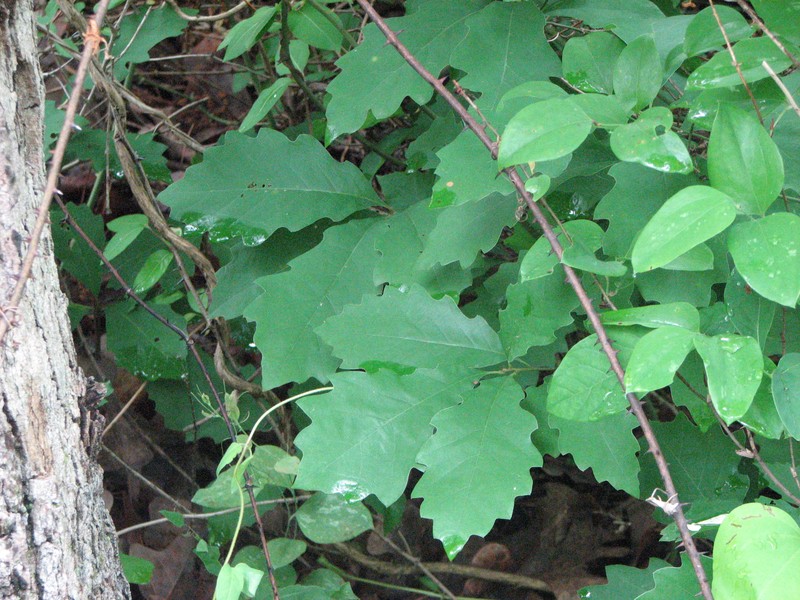
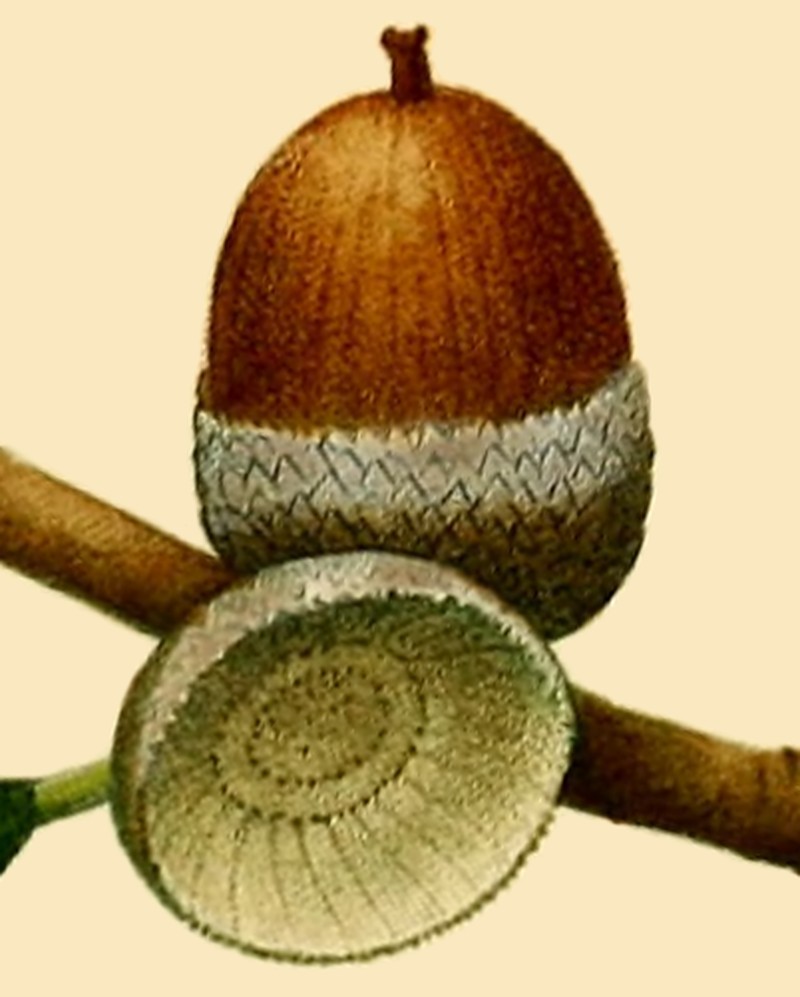
François André Michaux (book author), Pancrace Bessa (illustrator), Bessin (engraver)
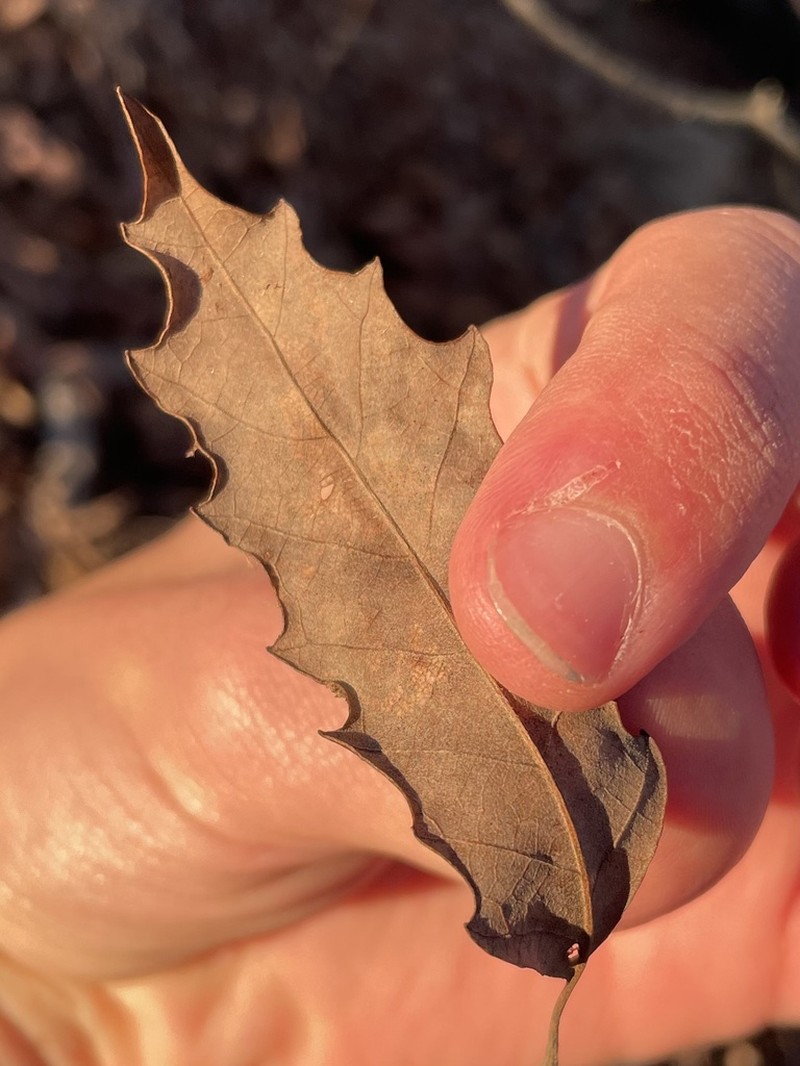
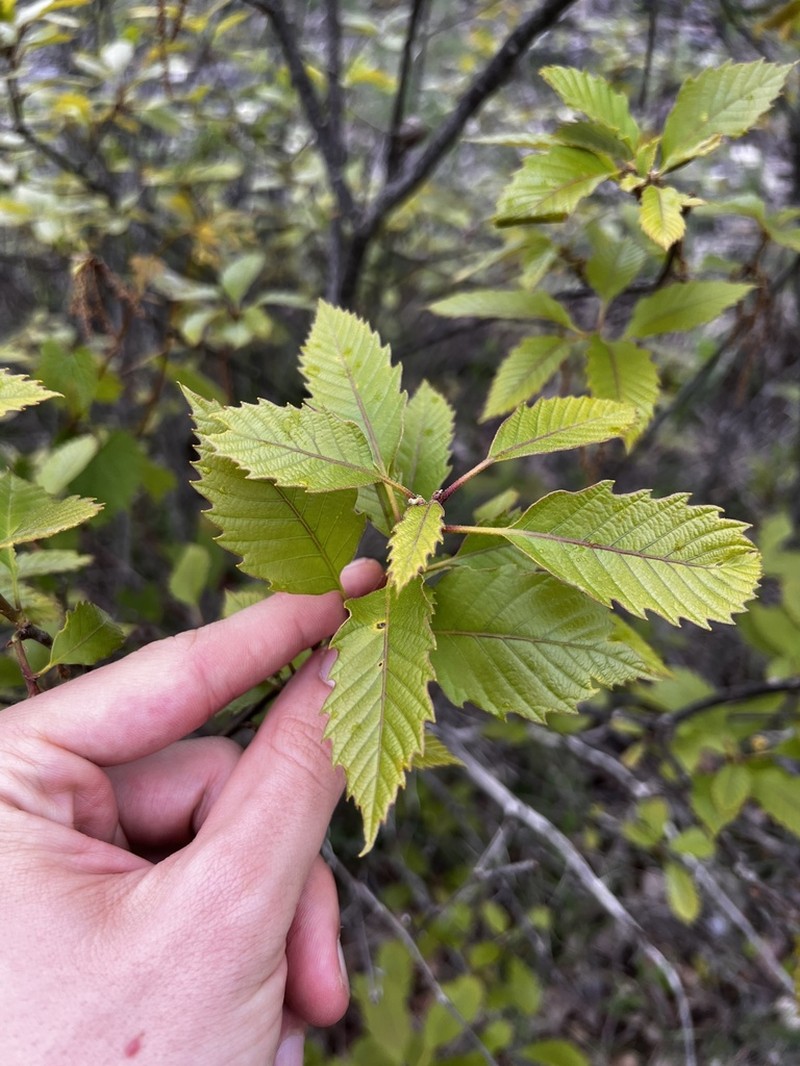
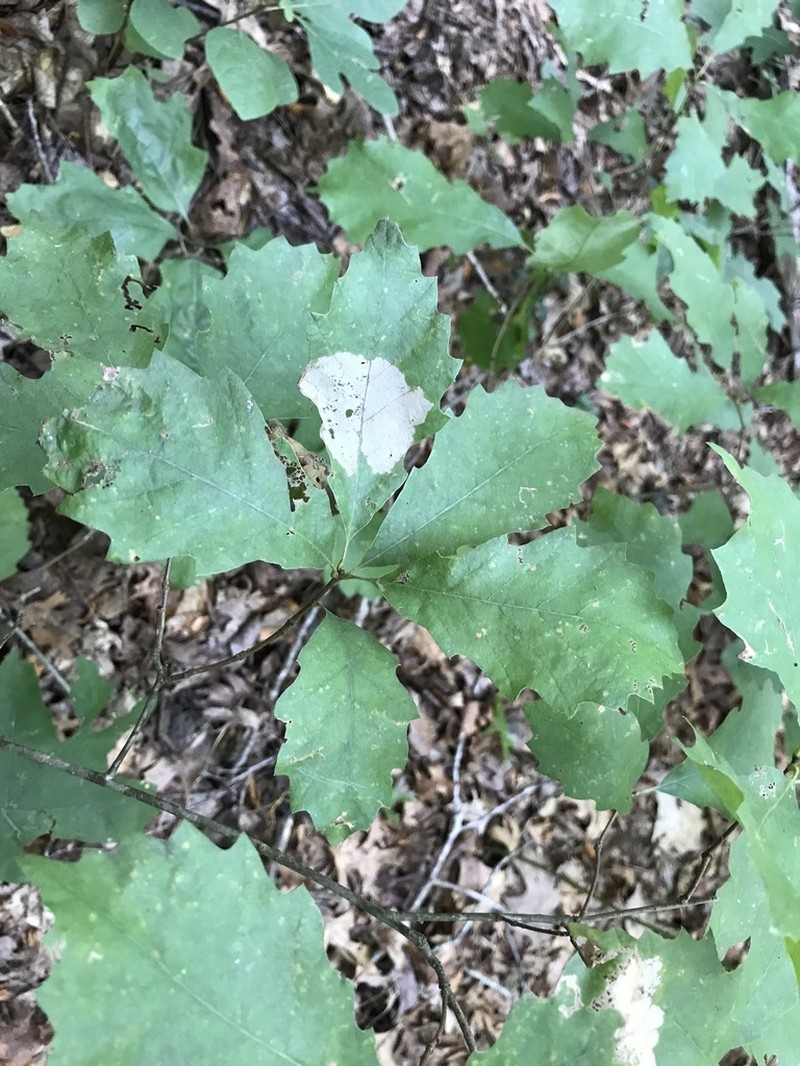
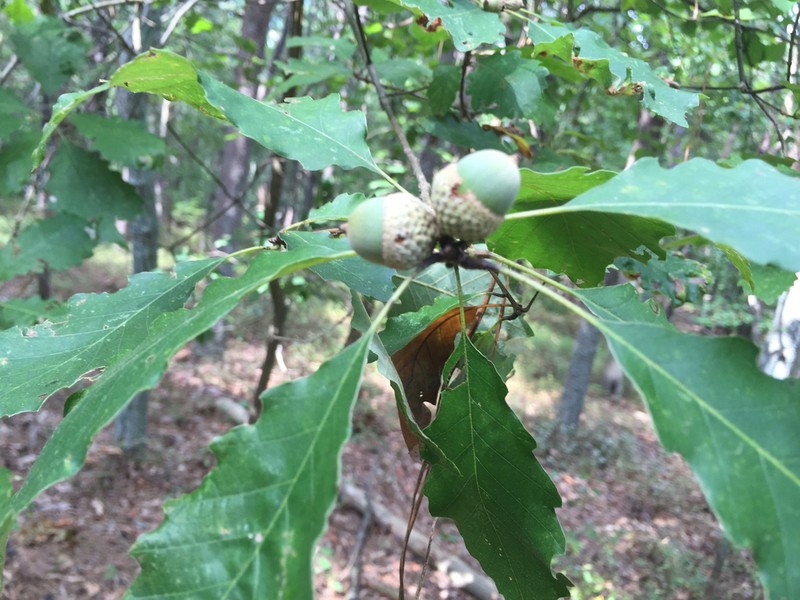
Taxonomy
- Division:
- Magnoliophyta | - Flowering plants
- Family:
- Fagaceae
- Genus:
- Quercus
- Species:
- Quercus prinoides
- USDA Symbol:
- QUPR
Growth Characteristics
- Life Cycle:
- Perennial
- Growth Habit:
- Shrub , Tree
- Height:
- 600 cm
- Light Requirements:
- Part Shade,Shade
- Drought Tolerance:
- High
- Bloom Months:
- apr,may
- Bloom Colors:
- yellow-green
Wildlife Benefits
- Butterflies & Moths:
- ★★☆☆☆ Documented Lepidoptera association (GBIF)
- Caterpillars:
- ★★☆☆☆ Recorded caterpillar host plant (HOSTS Database)
Keystone Species Ranking
- Caterpillar Keystone:
- ★★★★★ Butterfly & moth species supported by this genus (NWF)
Host Plant for Caterpillars
Buck Moth (Hemileuca maia), Girlfriend Underwing (Catocala amica), Gypsy moth (Lymantria dispar), Merry Melipotis (Melipotis jucunda), Neurobathra strigifinitella, oak leaf blotch miner (Cameraria hamadryadella), Orange-tipped oakworm moth (Anisota senatoria), Phyllonorycter basistrigella, Phyllonorycter fitchella, Spring cankerworm (Paleacrita vernata)
Garden & Ecology Notes
- Wildlife Value:
- birds, small mammals, butterflies
- Fall Color:
- red, orange
- Fire Ecology:
- Fire adapted — tolerates or benefits from fire
- Fire Notes:
- Thrives in fire-prone habitats; resprouts from root crown after fire.
Soil Requirements
- Soil Type:
- sandy, acidic, nutrient-poor soil
- pH:
- 4.5 - 6.5 (acidic to slightly acidic)
- Drainage:
- excellent drainage required
- Moisture:
- dry to moderate
- Notes:
- Commonly found in dry, open areas
Propagation & Germination
- Stratification:
- Cold/moist stratification required — 30–60 days
- Germination Time:
- 30–90 days
- Notes:
- Seeds require cold stratification for 30-60 days to break dormancy; germination occurs in spring.
Pre-treatment: Cold-moist stratification for 30 days at 1–5°C (34–41°F).; then Cold-moist stratification for 60 days.
Source: Claude AI
Where to Buy
Nationwide Seller
- Sheffield's Seed (seeds)