
Macdonald Oak
Quercus × macdonaldii
- Native to:
- United States
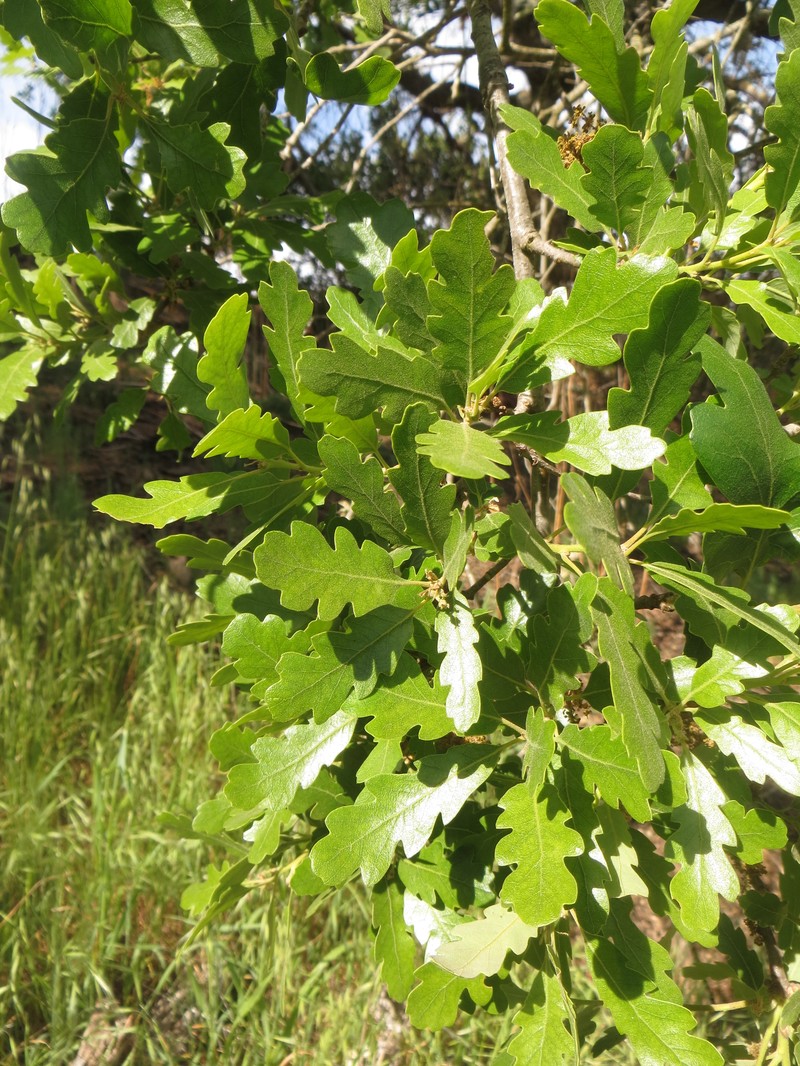
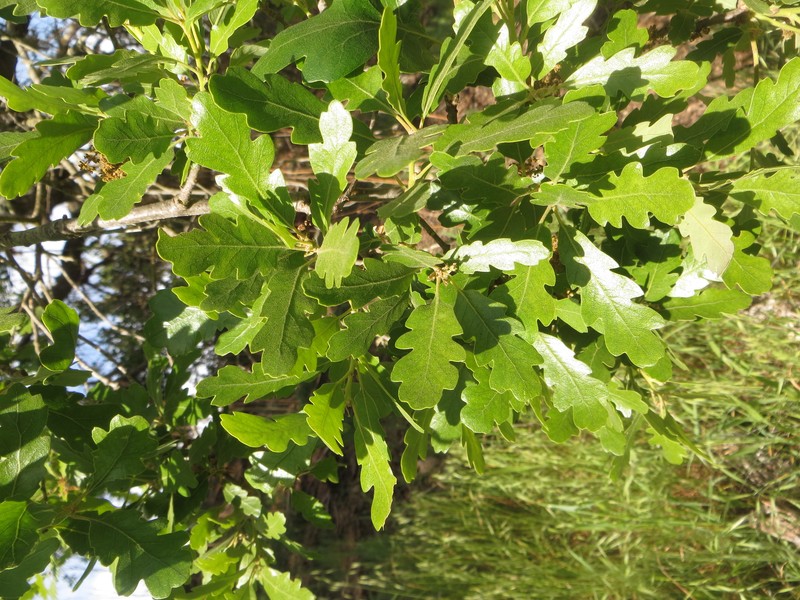
Tentaculata
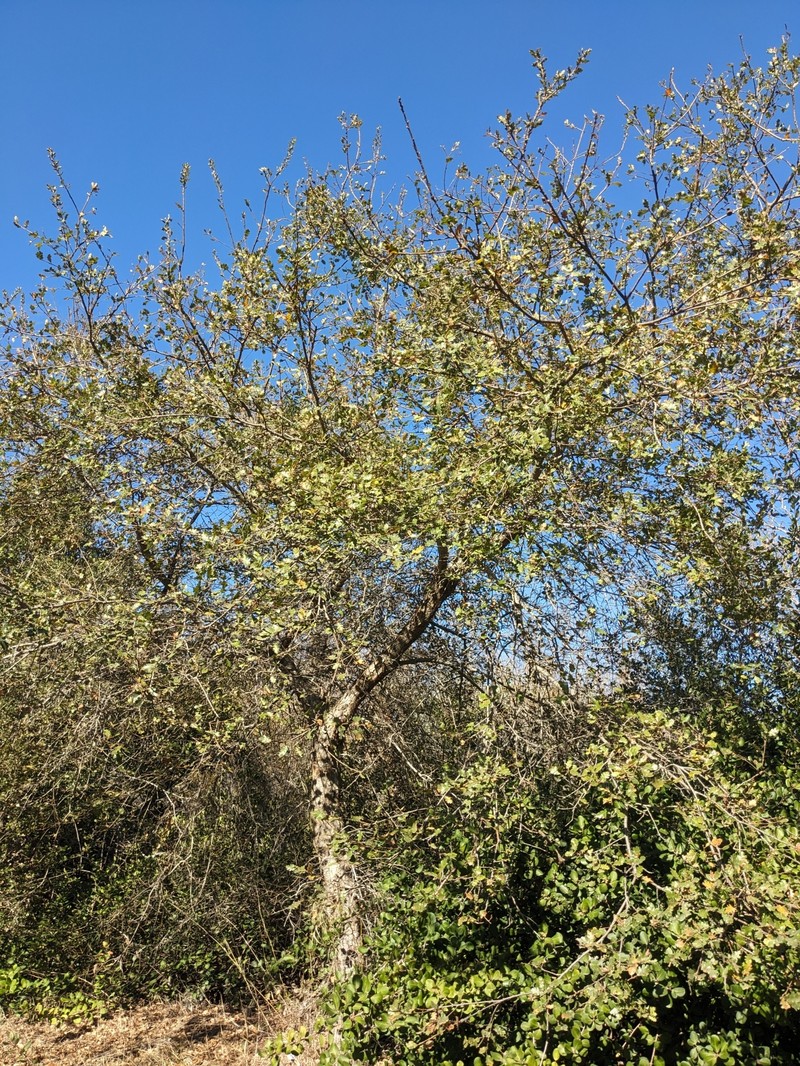
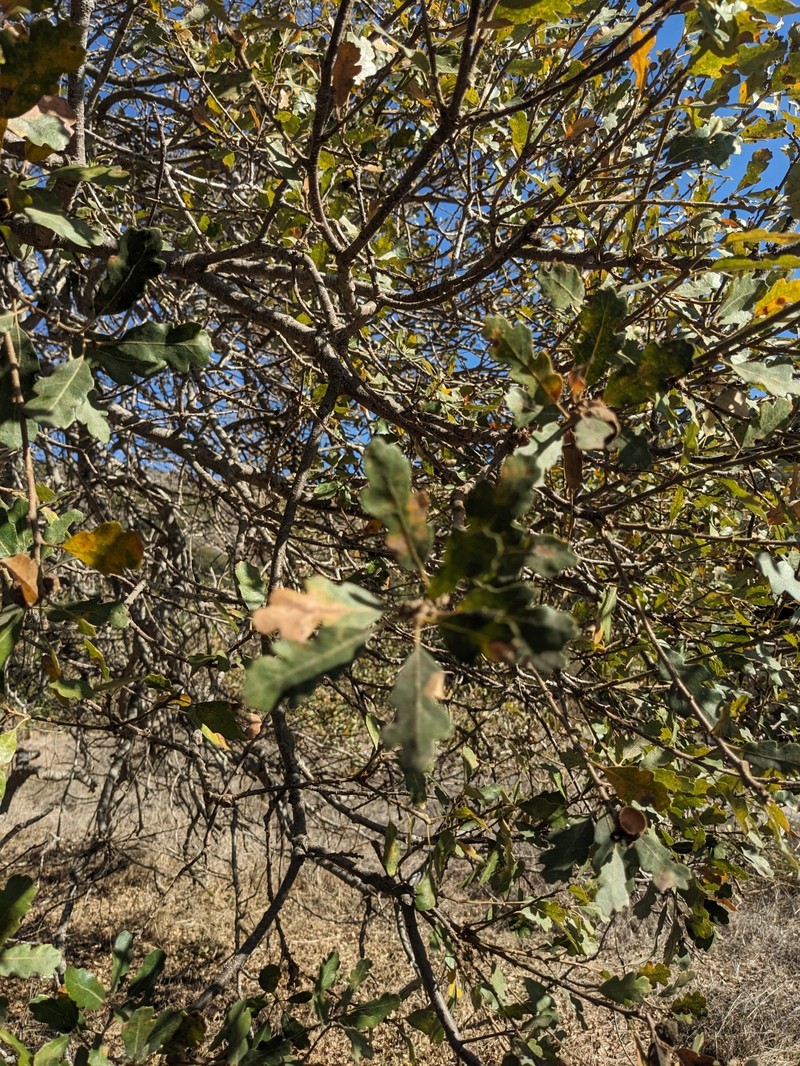
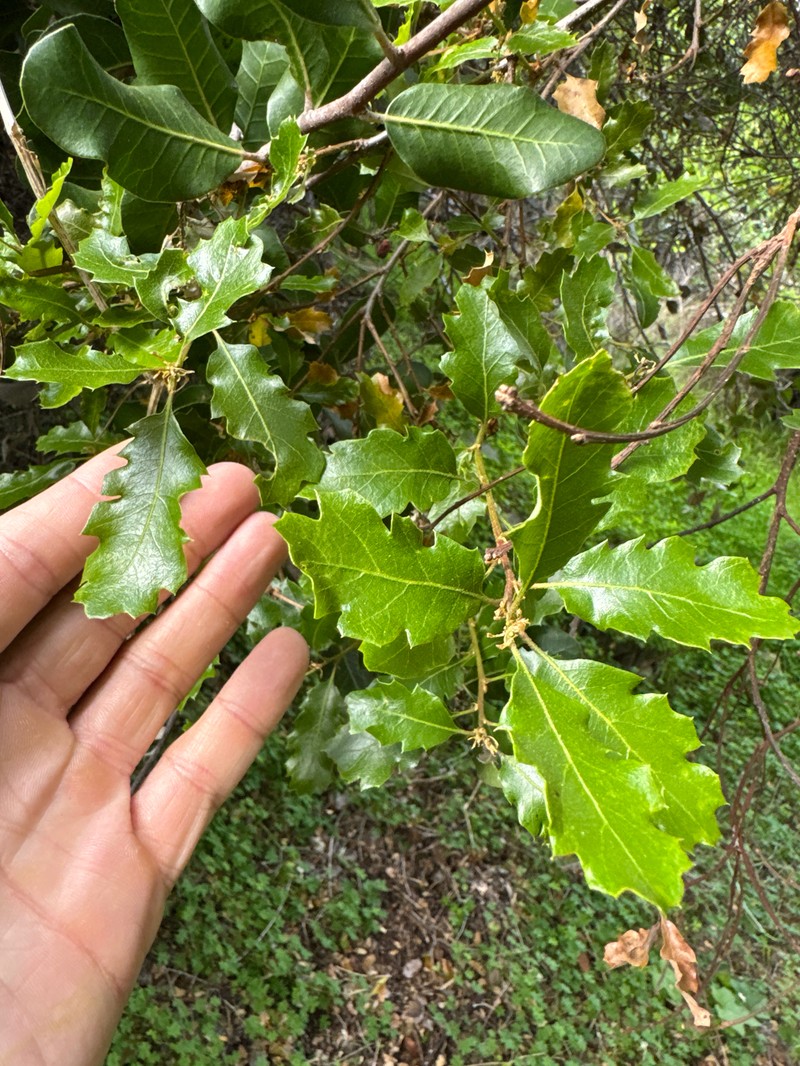
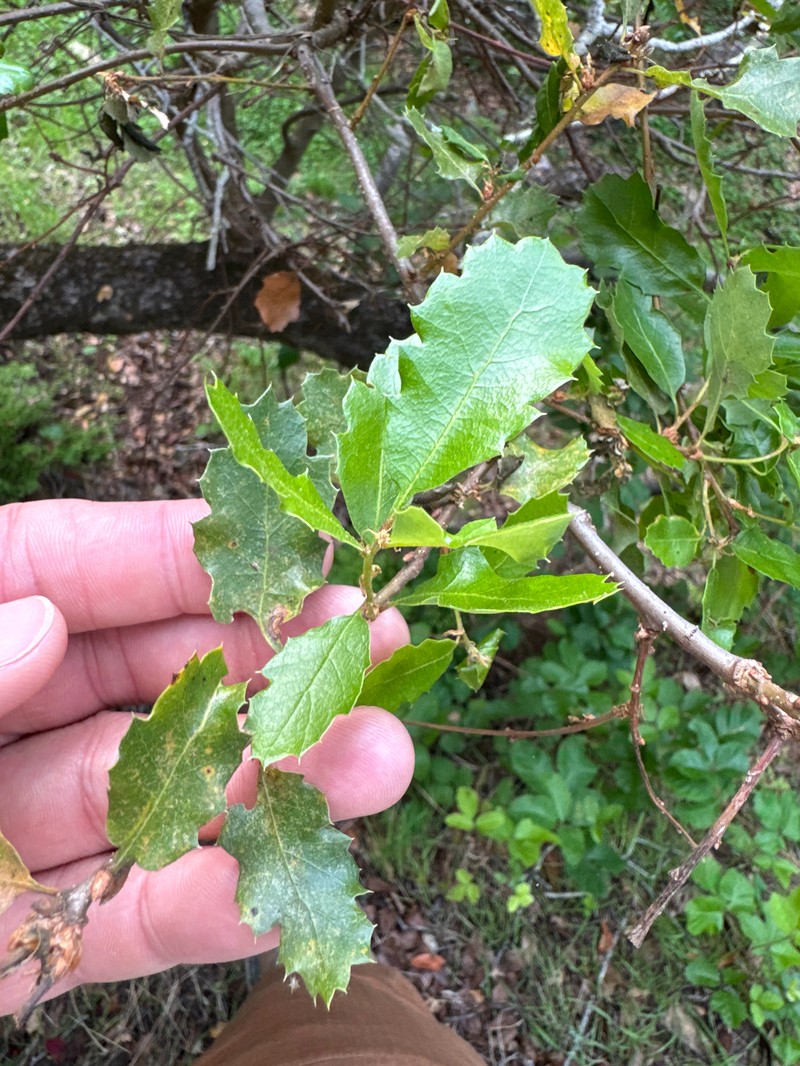
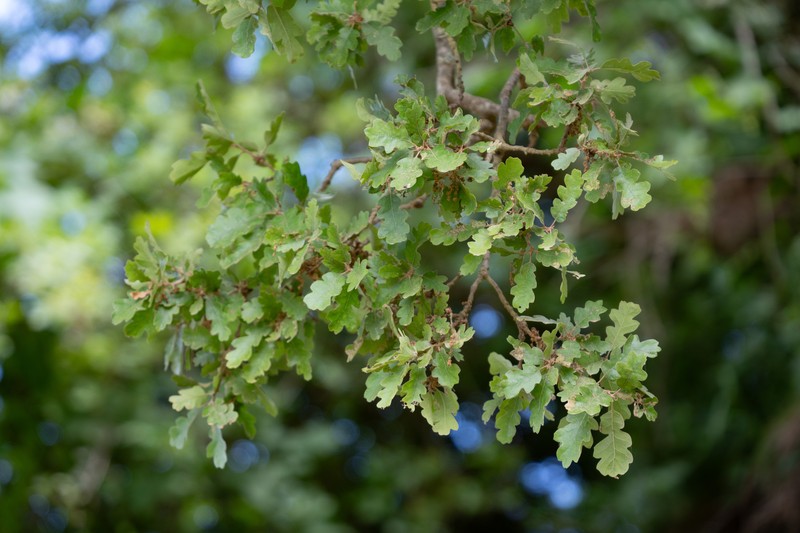
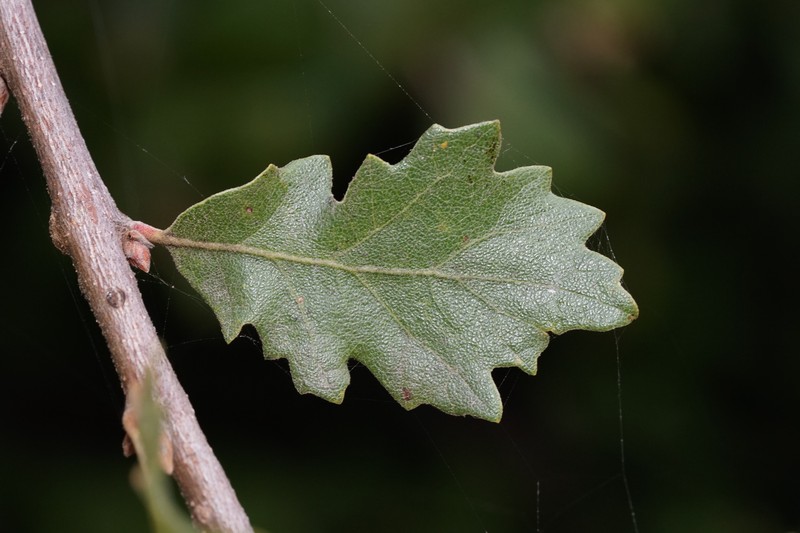
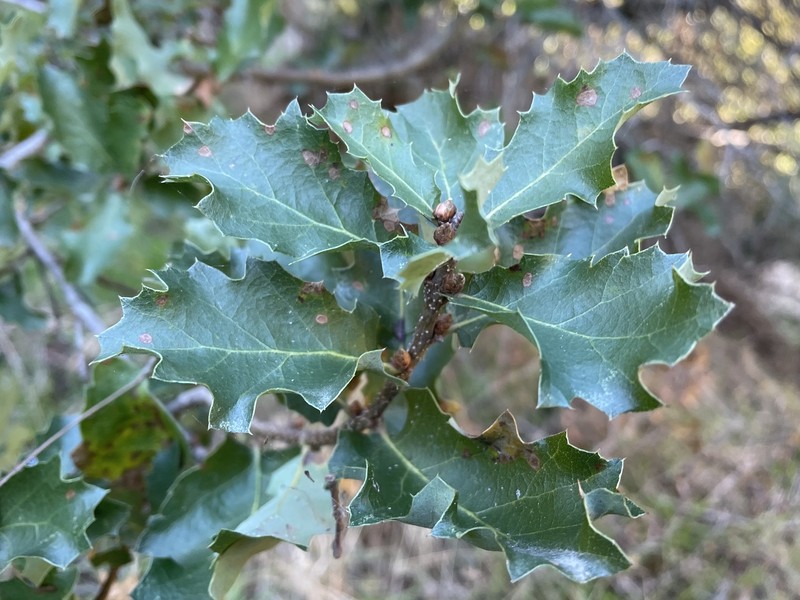
Taxonomy
- Division:
- Magnoliophyta | - Flowering plants
- Family:
- Fagaceae
- Genus:
- Quercus
- Species:
- Quercus × macdonaldii
- USDA Symbol:
- QUMA4
Growth Characteristics
- Life Cycle:
- Perennial
- Growth Habit:
- Shrub , Tree
- Height:
- 1500 cm
- Drought Tolerance:
- High
Keystone Species Ranking
- Caterpillar Keystone:
- ★★★★★ Butterfly & moth species supported by this genus (NWF)
Host Plant for Caterpillars
Acleris hastiana, Acrobasis comptella, Andromache Underwing (Catocala andromache), California oakworm (Phryganidia californica), Caloptilia sp., Cameraria jacintoensis, Cameraria serpentinensis, Cameraria temblorensis, Chionodes chrysopyla, Chionodes trichostola, Coleophora querciella, Decodes fragariana, Dyseriocrania auricyanea, Epinotia emarginana, Exoteleia graphicella, fruit-tree leafroller (Archips argyrospila), Gloveria medusa, habrosana leafroller moth (Pseudexentera habrosana), Henricus sp., Mesogona subcuprea, orange tortrix moth (Argyrotaenia franciscana), Pacific tent caterpillar (Malacosoma constricta), Rectiostoma fernaldella, Recurvaria sp., Rhodophaea cruza, Slossonia rubrotincta, Telphusa sedulitella, Tischeria consanguinea, Trachycera caliginella, Xenolechia querciphaga, Xenolechia staspa, Gold-hunter's hairstreak (Satyrium auretorum)
Garden & Ecology Notes
- Wildlife Value:
- birds, mammals
- Fall Color:
- red, orange
- Fire Ecology:
- Fire adapted — tolerates or benefits from fire
- Fire Notes:
- Thick bark provides some fire resistance; resprouts from root crown after fire.
Soil Requirements
- Soil Type:
- rich, well-drained loamy soil
- pH:
- 5.5 - 7.0 (slightly acidic to neutral)
- Drainage:
- excellent drainage required
- Moisture:
- dry to moderate
- Notes:
- native to mixed woodland areas
Propagation & Germination
- Stratification:
- Cold/moist stratification required — 30–60 days
- Germination Time:
- 30–90 days
- Notes:
- Acorns require cold stratification for 30-60 days to break dormancy; sow in fall or after stratification in spring.
Pre-treatment: Cold-moist stratification for 30 days at 1–5°C (34–41°F).; then Cold-moist stratification for 60 days.
Source: Claude AI