
English Oak
Quercus robur
- Native to:
- Albania, Austria, Baltic States, Belarus, Belgium, Bulgaria, Corse, Czechia-Slovakia, Denmark, Finland, France, Germany, Great Britain, Greece, Hungary, Iran, Ireland, Italy, Kriti, Krym, Netherlands, North Caucasus, Norway, NW. Balkan Pen., Poland, Portugal, Romania, Russia, Sardegna, Sicilia, Spain, Sweden, Switzerland, Transcaucasus, Türkiye, Türkiye-in-Europe, Ukraine
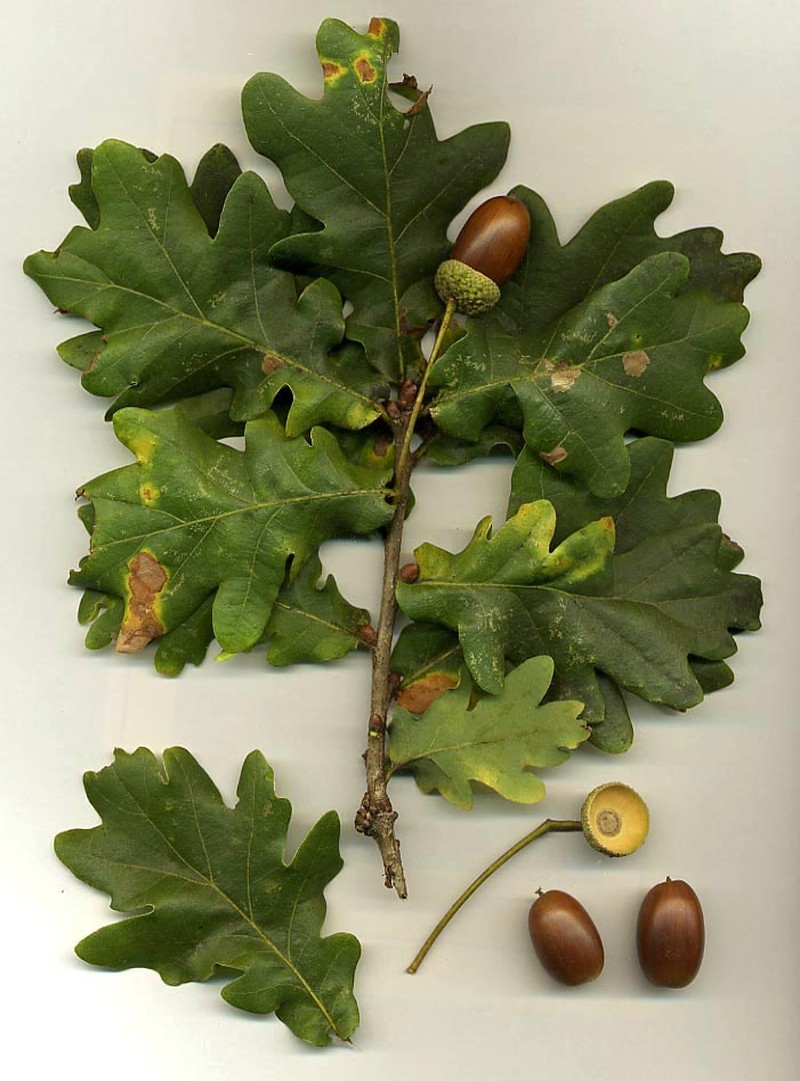
Wikimedia:
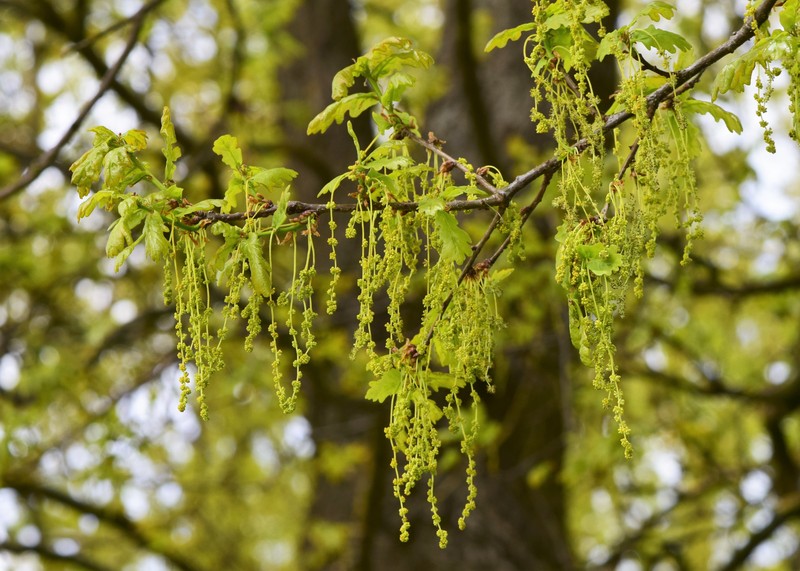
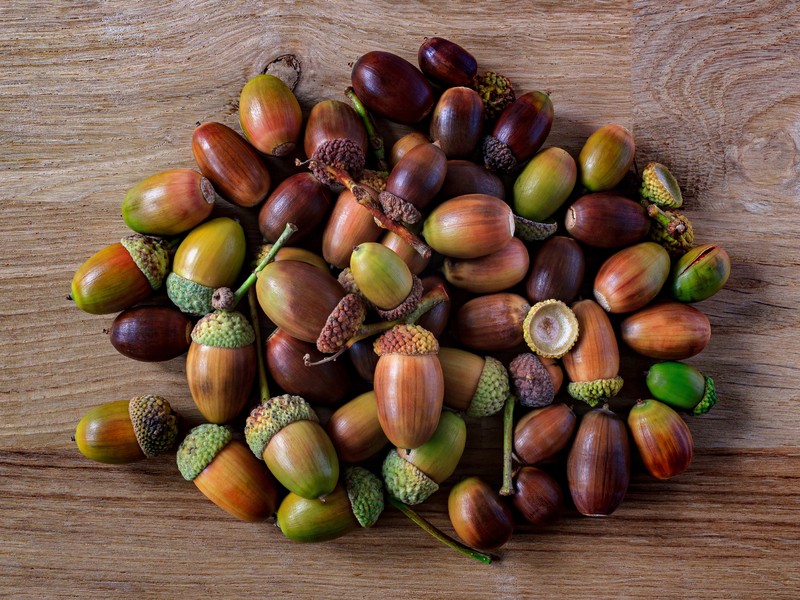
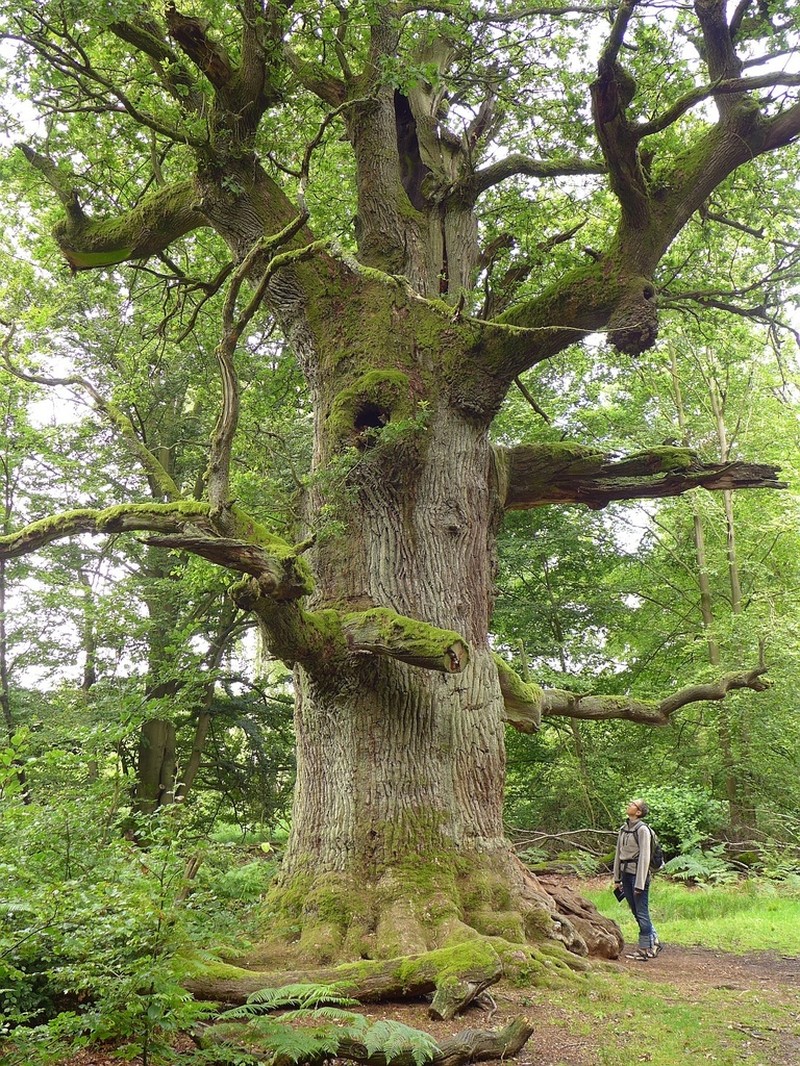
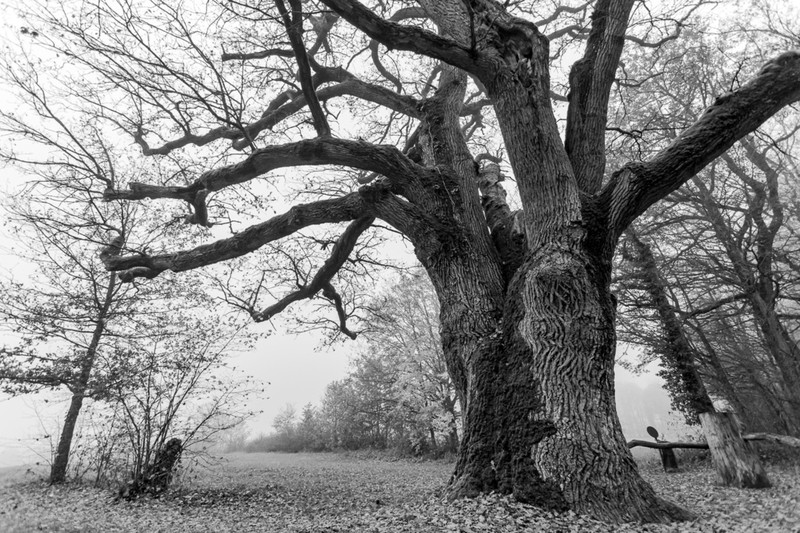
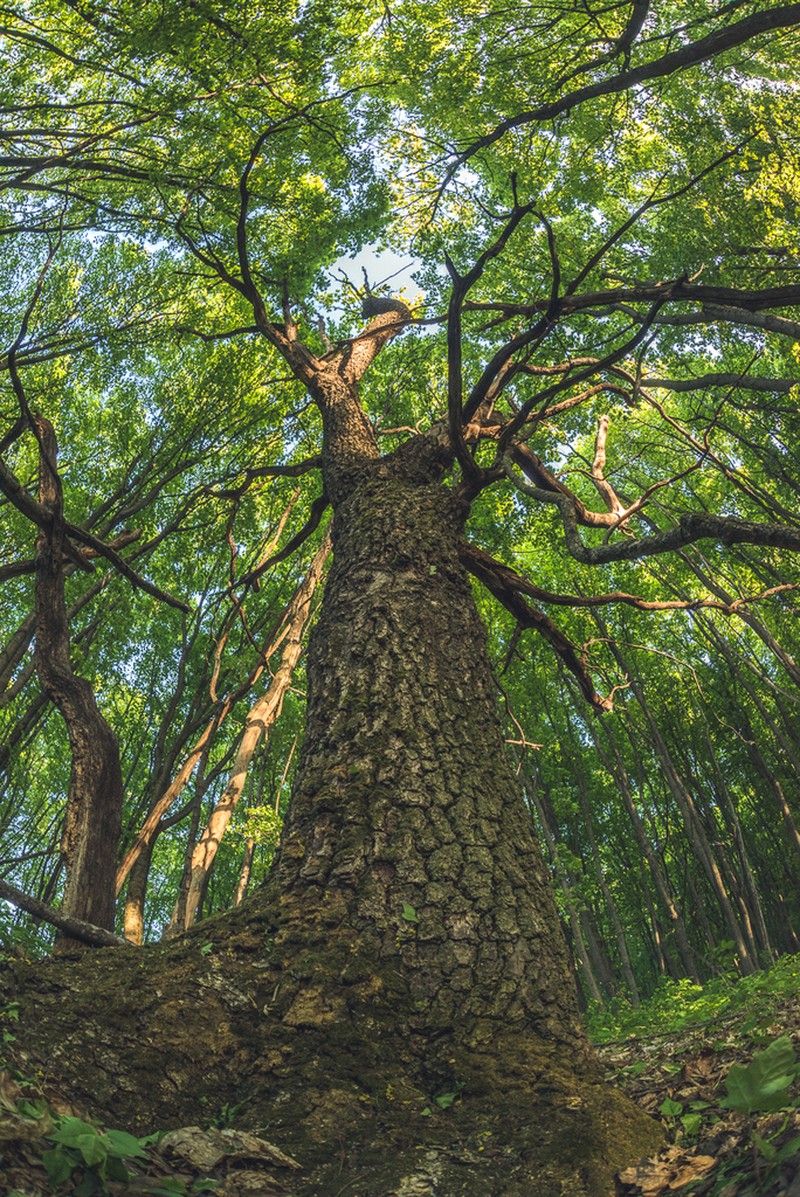
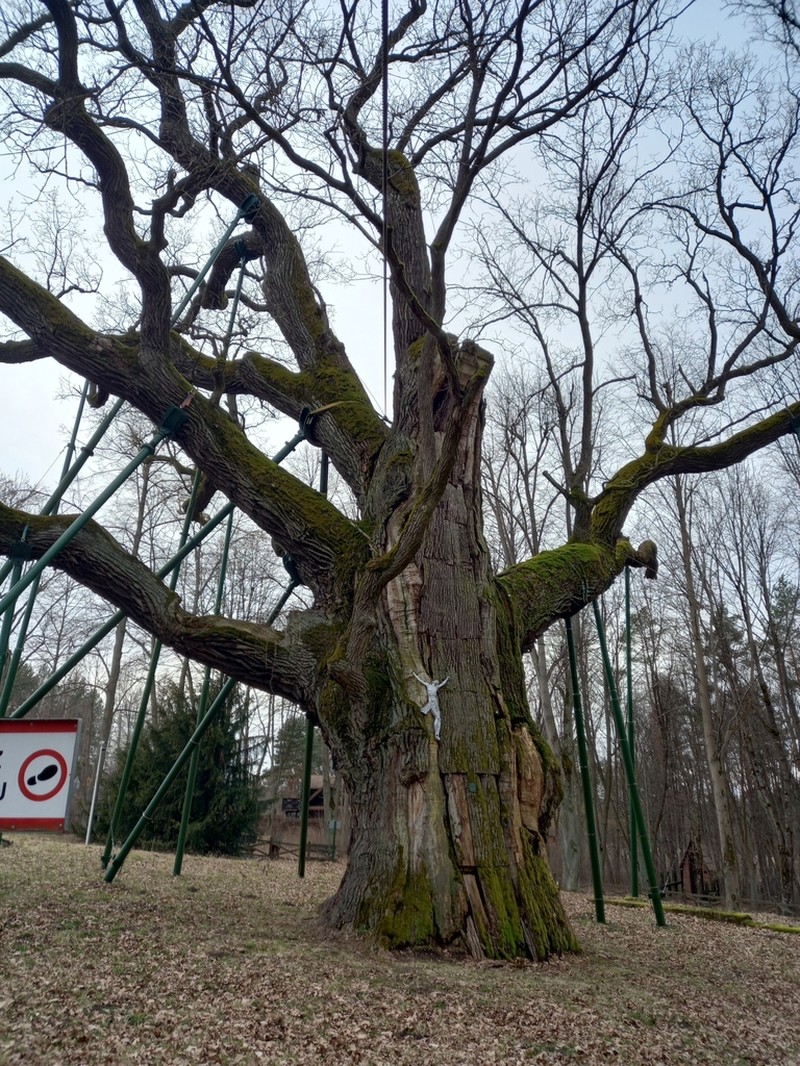
Taxonomy
- Division:
- Magnoliophyta | - Flowering plants
- Family:
- Fagaceae
- Genus:
- Quercus
- Species:
- Quercus robur
- USDA Symbol:
- QURO2
Growth Characteristics
- Life Cycle:
- Perennial
- Growth Habit:
- Tree
- Height:
- 4000 cm
- Light Requirements:
- Full Sun
- Drought Tolerance:
- Medium
- Bloom Months:
- apr,may
- Bloom Colors:
- yellow-green
Wildlife Benefits
- Bees:
- ★☆☆☆☆ Documented bee visitation (GBIF)
- Butterflies & Moths:
- ★★★★★ Documented Lepidoptera association (GBIF)
- Caterpillars:
- ★★☆☆☆ Recorded caterpillar host plant (HOSTS Database)
Keystone Species Ranking
- Caterpillar Keystone:
- ★★★★★ Butterfly & moth species supported by this genus (NWF)
Host Plant for Caterpillars
Acronicta impleta, Automeris zephyria, Buck Moth (Hemileuca maia), Grote's buck moth (Hemileuca grotei), Nacophora quernaria, oak leaf blotch miner (Cameraria hamadryadella), Oslar's eacles (Eacles oslari), Peppered Moth (Biston betularia), Phyllonorycter harrisella, Phyllonorycter heegeriella, Pink-striped oakworm moth (Anisota virginiensis), Polyphemus moth (Antheraea polyphemus), Slosser's buckmoth (Hemileuca slosseri), Winter moth (Operophtera brumata), Yellownecked caterpillar (Datana ministra)
Reported Fauna Sightings
Moths:Coptotriche purinosella
Garden & Ecology Notes
- Wildlife Value:
- birds, mammals, insects
- Fall Color:
- brown
Soil Requirements
- Soil Type:
- rich, well-drained loamy soil
- pH:
- 5.5 - 7.5 (slightly acidic to neutral)
- Drainage:
- tolerates poor drainage
- Moisture:
- consistently moist
- Notes:
- prefers deep soils with good fertility
Propagation & Germination
- Stratification:
- Cold/moist stratification required — 60–90 days
- Germination Time:
- 30–60 days
- Notes:
- Seeds require cold stratification for 60-90 days; sow in fall or after stratification in spring.
Where to Buy
Nationwide Seller
- Sheffield's Seed (seeds)