Taxonomy
- Division:
- Magnoliophyta | - Flowering plants
- Family:
- Fagaceae
- Genus:
- Quercus
- Species:
- Quercus rubra
- USDA Symbol:
- QURU
Growth Characteristics
- Life Cycle:
- Perennial
- Growth Habit:
- Tree
- Height:
- 3000 cm
- Light Requirements:
- Full Sun,Part Shade
- Drought Tolerance:
- Medium
- Bloom Months:
- apr,may
- Bloom Colors:
- yellow-green
Wildlife Benefits
- Bees:
- ★★☆☆☆ Documented bee visitation (GBIF)
- Butterflies & Moths:
- ★★★★★ Documented Lepidoptera association (GBIF)
- Caterpillars:
- ★★★★★ Recorded caterpillar host plant (HOSTS Database)
Keystone Species Ranking
- Caterpillar Keystone:
- ★★★★★ Butterfly & moth species supported by this genus (NWF)
Host Plant for Caterpillars
acorn moth (Blastobasis glandulella), Acronicta lithospila, Acronicta noctivaga, Acronicta tristis, Afflicted Dagger Moth (Acronicta afflicta), Alcoholic Plagodis (Plagodis alcoolaria), almond bud moth (Acrobasis minimella), American Dagger Moth (Acronicta americana), Ancylis laciniana, Angulose Prominent (Peridea angulosa), Ashen Pinion (Lithophane antennata), Atlantic arches (Lacanobia atlantica), Automeris randa, Automeris zephyria, Bethune's Pinion (Lithophane bethunei), black-patched graylet moth (Hyperstrotia secta), Blastobasis sp., broken-banded leafroller (Choristoneura fractivittana), Bruce spanworm (Operophtera bruceata), Bucculatrix quinquenotella, Bucculatrix trifasciella, Buck Moth (Hemileuca maia), Cameraria bethunella, Cameraria obstrictella, Cameraria ulmella, Cecropia moth (Hyalophora cecropia), Cecropis moth (Automeris cecrops), chalybeana leafroller moth (Acleris chalybeana), Chionodes formosella, Chrysopeleia purpuriella, common oak moth (Phoberia atomaris), Confused Morrisonia (Morrisonia confusa), connubial underwing (Catocala connubialis), Copper Underwing (Amphipyra pyramidoides), Cosmia calami, Curve-lined looper (Lambdina fervidaria), cymatophoroides false owlet moth (Pseudothyatira cymatophoroides), Dichomeris ligulella, Dichomeris picrocarpa, Duaria metarranthis moth (Metarranthis duaria), Egira alternans, Egira dolosa, elm spanworm moth (Ennomos subsignaria), Epinotia timidella, fall cankerworm (Alsophila pometaria), Fall webworm (Hyphantria cunea), Filbertworm (Cydia latiferreana), Finlayson's oakworm moth (Anisota finlaysoni), Forest Tent Caterpillar (Malacosoma disstria), forked dagger moth (Acronicta hasta), Girlfriend Underwing (Catocala amica), Gypsy moth (Lymantria dispar), 🛑Herodias Underwing (Catocala herodias), hesitant dagger moth (Acronicta haesitata), Hethemia pistasciaria, hibiscus Quaker (Orthosia hibisci), Hickory Tussock Moth (Lophocampa caryae), Hydriomena transfigurata, Hyparpax perophoroides, Ilia Underwing (Catocala ilia), Imperial Moth (Eacles imperialis), Io moth (Automeris io), Laugher (Charadra deridens), Lineella Underwing (Catocala lineella), Little Carpenterworm Moth (Prionoxystus macmurtrei), Luna moth (Actias luna), Maple spanworm (Ennomos magnaria), maple trumpet skeletonizer (Catastega aceriella), maple-basswood leafroller (Sparganothis pettitana), medium dagger moth (Acronicta modica), Melissopus latiferreanus, Morrisonia latex, Mournful Thorn (Lambdina fiscellaria), Nacophora quernaria, Nameless Pinion (Lithophane innominata), Neurobathra strigifinitella, oak leaf blotch miner (Cameraria hamadryadella), oak leaf skeletonizer (Bucculatrix ainsliella), oak leafroller (Acleris semipurpurana), oak leafroller moth (Argyrotaenia quercifoliana), oak leafroller moth (Archips fervidana), oak leaftier moth (Psilocorsis quercicella), Oblique Heterocampa (Heterocampa obliqua), Oneida sp., orange besma (Besma endropiaria), Orange-tipped oakworm moth (Anisota senatoria), Orthosia revicta, Oslar's eacles (Eacles oslari), Oslar's oakworm moth (Anisota oslari), Phyllonorycter basistrigella, Phyllonorycter minutella, Phyllonorycter rileyella, Pink-striped oakworm moth (Anisota virginiensis), Pococera expandens, Polyphemus moth (Antheraea polyphemus), Pseudexentera cressoniana, red oak clearwing borer (Paranthrene simulans), Red-bordered Emerald (Nemoria lixaria), red-humped oakworm moth (Symmerista canicosta), Red-lined Panopoda (Panopoda rufimargo), reflexella leafroller moth (Psilocorsis reflexella), Rose Tortrix (Archips rosana), Ruby Quaker (Orthosia rubescens), southern oak looper (Lambdina pultaria), Sparganothis fruitworm moth (Sparganothis umbrana), spotted oakworm moth (Anisota stigma), Spring cankerworm (Paleacrita vernata), Stigmella latifasciella, Stigmella quercipulchella, Symmerista leucitys, Three-spotted sallow (Eupsilia tristigmata), Tischeria citrinipennella, tricolor buckmoth (Hemileuca tricolor), Ulolonche culea, Wanton Pinion (Lithophane petulca), Waved Sphinx (Ceratomia undulosa), White-blotched Heterocampa (Heterocampa umbrata), White-dotted Prominent (Nadata gibbosa), white-fringed emerald (Nemoria mimosaria), White-marked Tussock Moth (Orgyia leucostigma), Winter moth (Operophtera brumata), woodland leafroller (Pandemis lamprosana), Xylena thoracica, Yellownecked caterpillar (Datana ministra), Yellowstriped oakworm moth (Anisota peigleri), Banded Hairstreak (Satyrium calanus), hickory hairstreak (Satyrium caryaevorum), Horace's Duskywing (Erynnis horatius), Juvenal's Duskywing (Erynnis juvenalis), Striped Hairstreak (Satyrium liparops)
Reported Fauna Sightings
Moths:Acrocercops albinatella, Angulose Prominent (Peridea angulosa), common oak moth (Phoberia atomaris), Coptotriche castaneaeella, Coptotriche citrinipennella, funeral dagger moth (Acronicta funeralis), green oak slug moth (Parasa chloris), Gypsy moth (Lymantria dispar), maple leafcutter moth (Paraclemensia acerifoliella), Neurobathra strigifinitella, Phyllonorycter basistrigella, Polyphemus moth (Antheraea polyphemus), Stigmella altella, Stigmella nigriverticella, Stigmella quercipulchella, Yellow Slug Moth (Monema flavescens)
Garden & Ecology Notes
- Wildlife Value:
- birds, mammals, butterflies
- Fall Color:
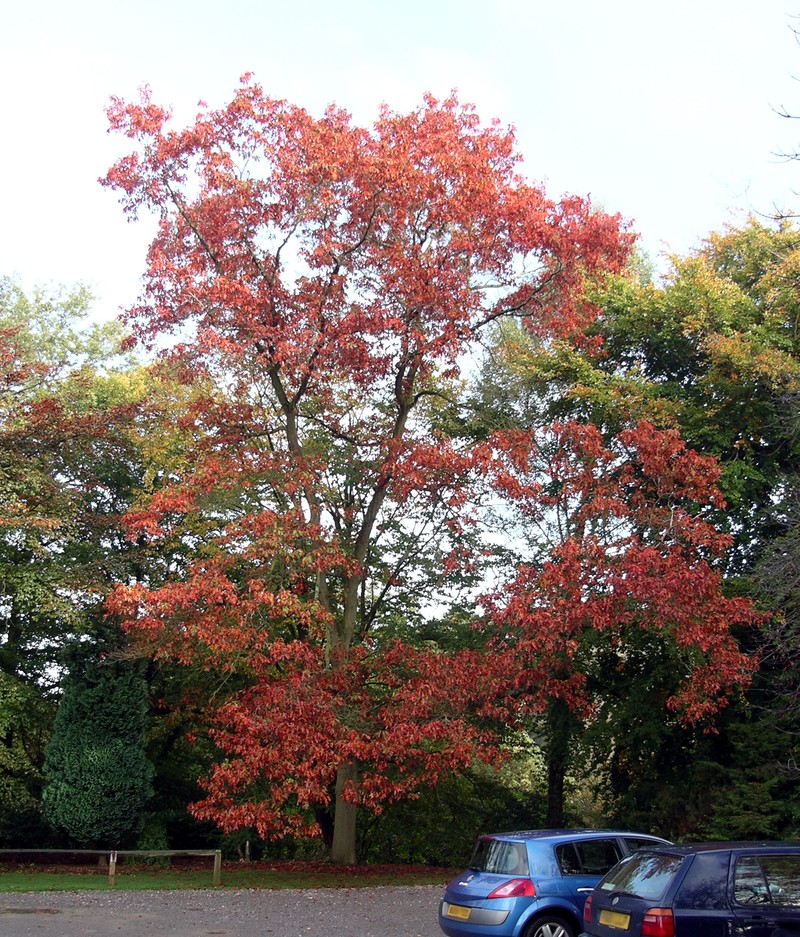
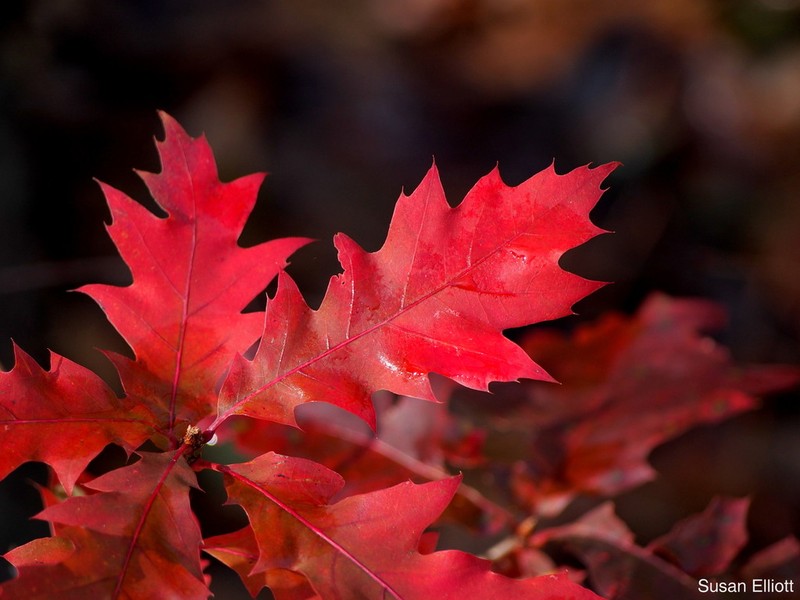
- red, orange, brown
- Fire Ecology:
- Fire adapted — tolerates or benefits from fire
- Fire Notes:
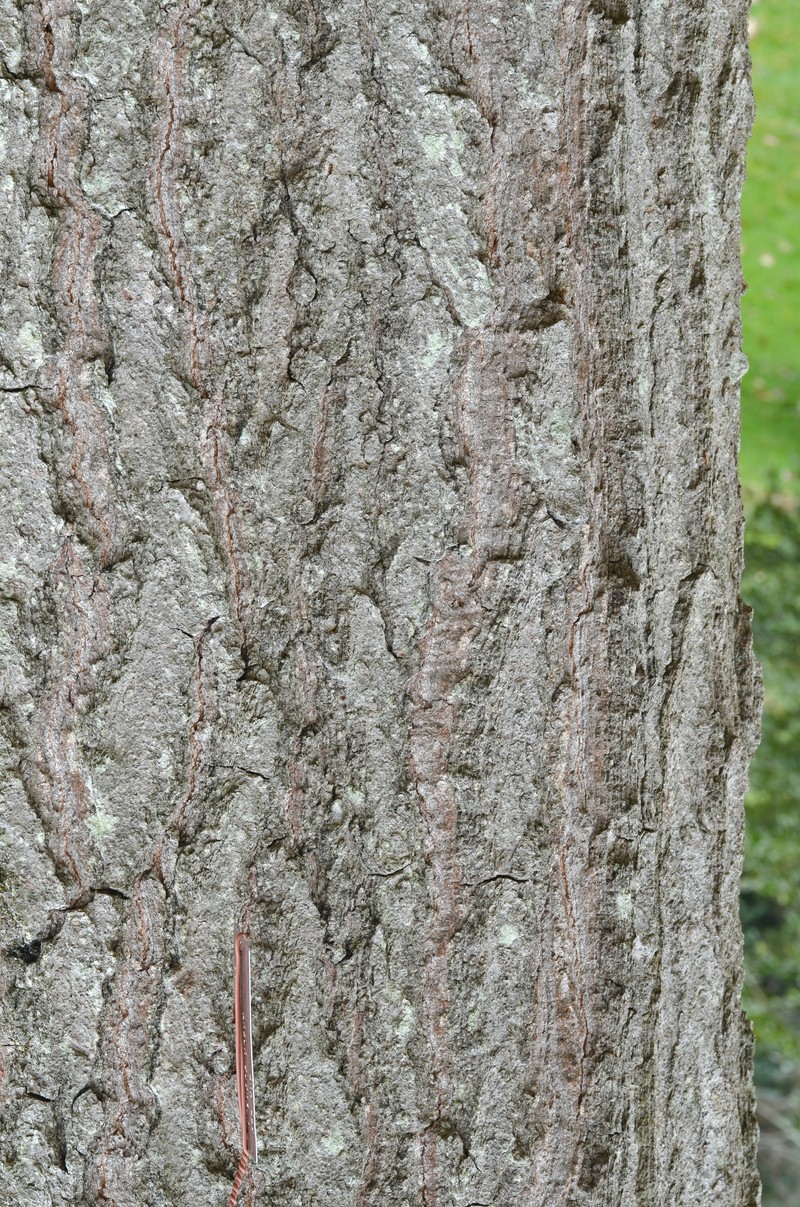
- Thick bark provides moderate fire resistance; seedlings can resprout after fire.
Soil Requirements
- Soil Type:
- rich, well-drained loamy soil
- pH:
- 4.5 - 6.5 (acidic to slightly acidic)
- Drainage:
- excellent drainage required
- Moisture:
- dry to moderate
- Notes:
- prefers deep soils with good fertility
Propagation & Germination
- Stratification:
- Cold/moist stratification required — 60–90 days
- Germination Time:
- 30–60 days
- Notes:
- Seeds require cold stratification for 60-90 days; sow in fall or after stratification in spring.
Pre-treatment: Seeds are cold stratified for 90 days and germinate at 34 C or acorns are sown outdoors in fall, soon after collection and cleaning to allow natural stratification to occur. Alternatively, acorns are sown in January with a mechanical seeder.
Establishment: Seeds are collected from the Parks in September and October or purchased from local people who collect within a 50 mile radius of the nursery. Seeds are wild collected during fall months and are kept separated according to site, elevation and source. The Northern red oak is found within temperate deciduous forests of eastern North America, Nova Scotia, west to southern Ontario, south to eastern Oklahoma, east to the Carolinas and throughout the eastern and central United States to Georgia, Mississippi, Arkansas, and Minnesota south to Nebraska and Oklahoma.
Source: npn.rngr.net
Where to Buy
Nationwide Seller