
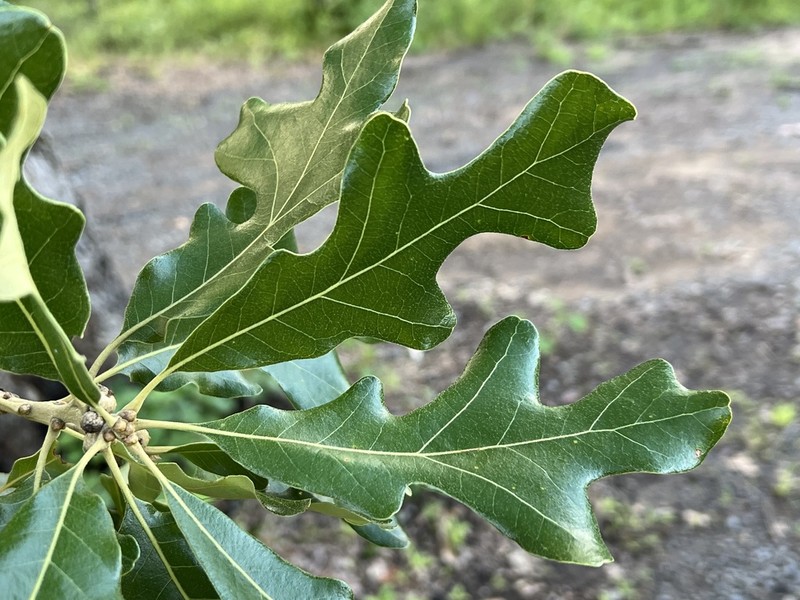
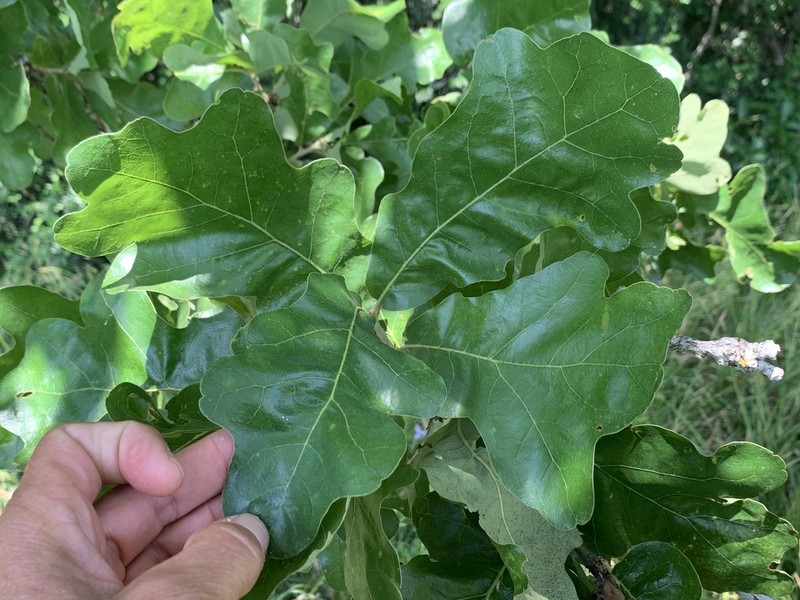
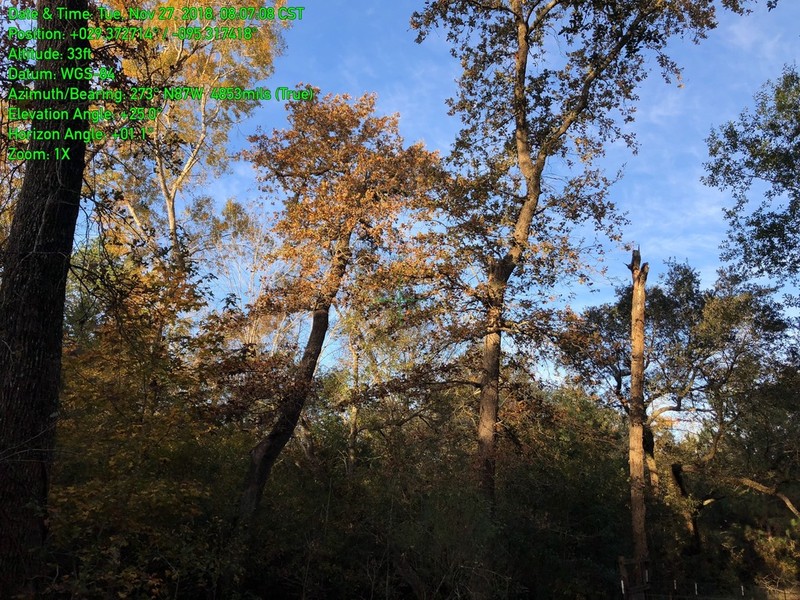
Bottomland Post Oak
Quercus similis
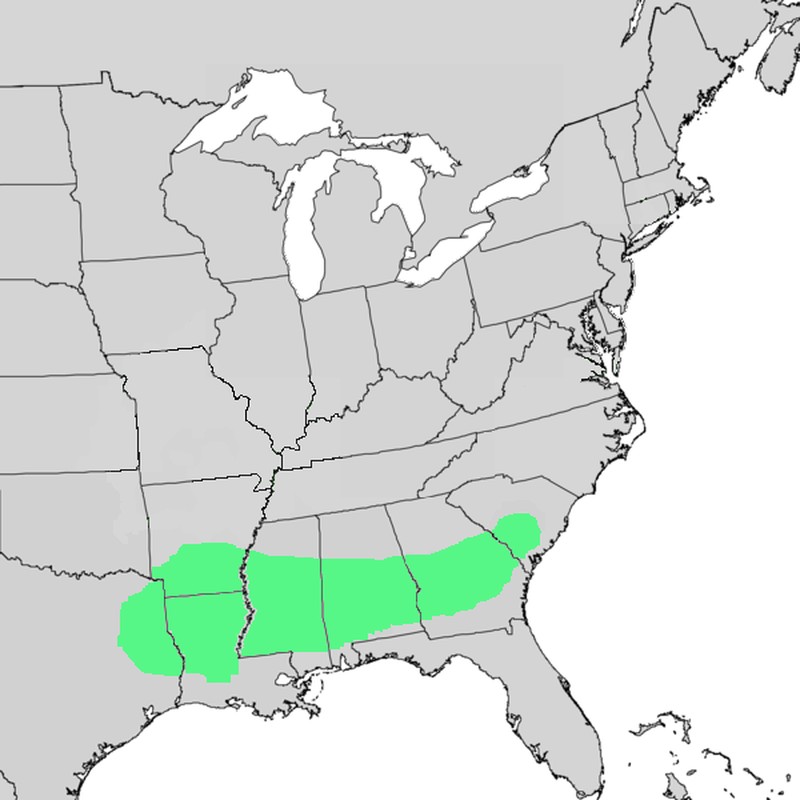
- Native to:
- United States
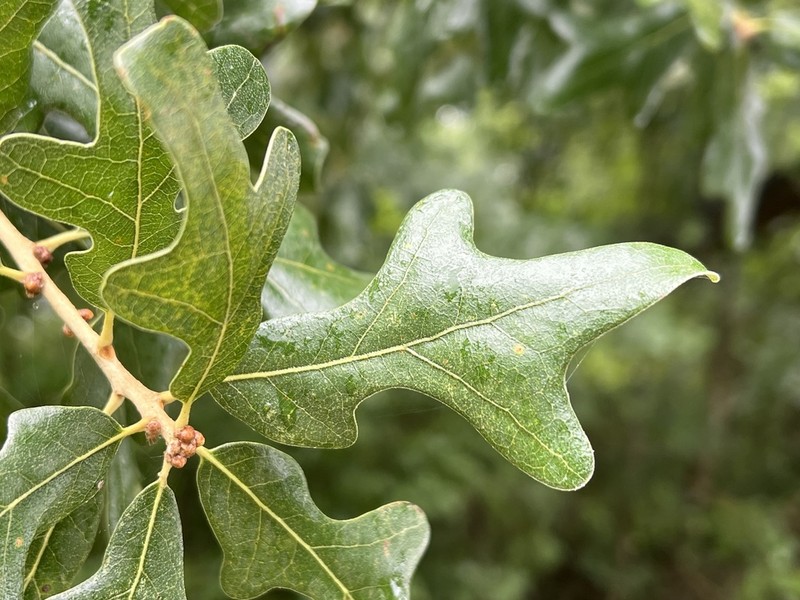
Wikimedia: Albert SN
Taxonomy
- Division:
- Magnoliophyta | - Flowering plants
- Family:
- Fagaceae
- Genus:
- Quercus
- Species:
- Quercus similis
- USDA Symbol:
- QUSI2
Growth Characteristics
- Life Cycle:
- Perennial
- Growth Habit:
- Tree
- Height:
- 3000 cm
- Light Requirements:
- Full Sun
- Drought Tolerance:
- Medium
- Bloom Months:
- mar,apr
Wildlife Benefits
- Butterflies & Moths:
- ★☆☆☆☆ Documented Lepidoptera association (GBIF)
Keystone Species Ranking
- Caterpillar Keystone:
- ★★★★★ Butterfly & moth species supported by this genus (NWF)
Host Plant for Caterpillars
Buck Moth (Hemileuca maia), Eastern Tent Caterpillar (Malacosoma americana), Forest Tent Caterpillar (Malacosoma disstria), Girlfriend Underwing (Catocala amica), Grote's buck moth (Hemileuca grotei), Gypsy moth (Lymantria dispar), Io moth (Automeris io), Lineella Underwing (Catocala lineella), Little nymph underwing (Catocala micronympha), Meganola spodia, Menesta melanella, oak leaf blotch miner (Cameraria hamadryadella), Phyllonorycter basistrigella, Phyllonorycter fitchella, Pink-striped oakworm moth (Anisota virginiensis), Polyphemus moth (Antheraea polyphemus), Scalloped sack-bearer (Lacosoma chiridota), Scarlet Underwing (Catocala coccinata), Similar Underwing (Catocala similis), spotted oakworm moth (Anisota stigma), Stilbosis victor, tiger moth (Malacosoma tigris), Variable Oakleaf Caterpillar Moth (Lochmaeus manteo), Yellownecked caterpillar (Datana ministra), Fixsenia ontario, Horace's Duskywing (Erynnis horatius), Juvenal's Duskywing (Erynnis juvenalis)
Garden & Ecology Notes
- Wildlife Value:
- birds, mammals
- Fall Color:
- red, orange
- Fire Ecology:
- Fire adapted — tolerates or benefits from fire
- Fire Notes:
- Thick bark provides some fire resistance; can resprout after fire.
Soil Requirements
- Soil Type:
- moist, well-drained loamy soil
- pH:
- 5.0 - 6.5 (slightly acidic to neutral)
- Drainage:
- tolerates poor drainage
- Moisture:
- consistently moist
- Notes:
- commonly found in bottomland hardwood forests
Propagation & Germination
- Stratification:
- Cold/moist stratification required — 30–60 days
- Germination Time:
- 30–90 days
- Notes:
- Seeds require cold stratification for 30-60 days to break dormancy.
Pre-treatment: Cold-moist stratification for 30 days at 1–5°C (34–41°F).; then Cold-moist stratification for 90 days.
Source: Claude AI